Who Picks the Two Open Weekends on SR 63
For many off-road enthusiasts in Tennessee, the thought of legally riding their ATV or UTV on a paved public road often feels like chasing a mirage. Most of the time, the rules are pretty clear: stick to the trails, folks. But then there are those whispers, those special exceptions, and none are quite as intriguing or hotly debated as the two precious weekends each year when State Route 63 in Scott County opens its arms to off-highway vehicles. It's a fleeting opportunity, a beacon for riders, but it begs the burning question: who exactly holds the power to decide which two weekends those will be? This isn't just about a simple calendar pick; it's a nuanced dance between local government, state regulations, and community needs, and understanding it is key to planning your next adventure.
The SR 63 Exception: A Glimmer of Road Access
State Route 63 in Scott County isn't just any road; it's a vital artery for the region, connecting communities and traversing some of the most rugged and beautiful terrain in Tennessee's coal country. For years, the general rule of thumb across Tennessee has been that ATVs and UTVs are largely barred from state-maintained highways. This isn't a unique stance to Tennessee; many states grapple with the challenge of integrating powerful off-road machines with traditional vehicle traffic on public roads, citing safety concerns, vehicle design limitations, and the sheer difference in speed and handling.
However, the specific circumstances of places like Scott County, with its deep-rooted off-road culture and a significant economic reliance on adventure tourism, have carved out unique exceptions. SR 63, particularly the section that runs through the heart of the riding areas, became a focal point. Imagine rolling off an intense trail ride at Brimstone Recreation or Windrock Park, only to hit a paved section that requires you to load your machine onto a trailer just to cross a short distance to another trail or to reach a local diner. It's a major logistical headache, a momentum killer, and frankly, a huge frustration for riders who contribute significantly to the local economy. The two designated weekends on SR 63 are an attempt to bridge this gap, allowing riders a direct, albeit temporary, link between major trail systems and local businesses, bypassing the hassle of constant loading and unloading. These weekends offer a brief, glorious window to experience the best of both worlds – the wild trails and the convenience of town access.
The Authority Behind the Dates: A Collaborative Effort
So, who is the ultimate decision-maker when it comes to marking those two magical weekends on the calendar for SR 63? It's not a single entity acting in isolation. Instead, it's a collaborative, often negotiated process primarily driven by local government entities in Scott County, working in concert with the Tennessee Department of Transportation (TDOT).
Here's the breakdown of how the authority typically functions:
- The Local Voice (Scott County): The initial push and ongoing advocacy for opening sections of state routes to OHVs almost always originate at the local level. In Scott County, this would primarily fall to the Scott County Commission. These elected officials are closest to the ground; they hear directly from their constituents, local businesses, and the ATV/UTV riding community. They understand the economic impact of adventure tourism – the jobs, the tax revenue, the bustling hotels and restaurants during peak riding season. Their role is crucial in initiating the request, outlining the local benefits, and working through the logistical challenges. They represent the interests of the community that benefits most from expanded OHV access, particularly in designated [Adventure Tourism Districts].
- The State's Oversight (TDOT): While local governments can pass ordinances to open county roads to OHVs (often requiring a [Two-Thirds Vote for Unpaved Roads]), opening a state route like SR 63 is a different ballgame. State routes fall under the jurisdiction of the Tennessee Department of Transportation. TDOT is responsible for the safety, maintenance, and traffic management of the state's highway system. Any request to deviate from standard highway usage rules – like allowing ATVs and UTVs on a state route – requires their review, approval, and typically, their active participation in setting the conditions. They'll assess factors like traffic volume, road design, speed limits, and overall public safety impacts. It's not uncommon for TDOT to impose specific conditions, such as requiring clear signage, specified hours of operation, or even limitations on vehicle types, to mitigate risks when a state road is temporarily opened.
- The Legislative Framework: It's important to remember that these local and state actions don't happen in a vacuum. They are enabled by specific state legislation. [What House Bill 810 Changed in 2025], for example, expanded the possibilities for OHV road use under certain conditions, granting local jurisdictions more leeway while still maintaining state oversight. This framework dictates when and how these types of exceptions can be made. Without state law allowing for such designated roads, no amount of local pleading would open SR 63. The law provides the structure, and local/state agencies fill in the operational details.
In essence, the Scott County Commission (or a similar local body) petitions TDOT, armed with local support and economic arguments, to designate these specific weekends. TDOT, operating within the boundaries of state law, then reviews the request, negotiates terms, and ultimately grants the official approval for the dates. It’s a dynamic where local needs meet state regulatory authority.
How the Dates are Chosen and Announced
Once the primary authorities are established, the next logical question is: what factors go into choosing those two specific weekends, and how do riders find out about them? The process isn't random; it's typically strategic and aims to maximize benefit while minimizing disruption.
Factors Influencing Date Selection
Several considerations weigh heavily on the selection of the SR 63 open weekends:
- Major Events and Festivals: Often, the chosen weekends coincide with large-scale off-road events or festivals held at nearby parks like Brimstone or Windrock. Events like Brimstone's Paragon in September or WinterFest can draw thousands of riders, and having SR 63 open provides crucial access and enhances the overall visitor experience. It's a win-win: the event benefits from easier rider access, and local businesses see increased traffic.
- Weather and Seasonal Riding Conditions: While weather is unpredictable, organizers often try to pick weekends that traditionally offer favorable riding conditions. Spring and fall are prime riding seasons in Tennessee, with comfortable temperatures and vibrant foliage, making them popular choices. Avoiding the peak heat of summer or the deep cold of winter often makes sense for rider comfort and safety.
- Hunting Seasons: This is a critical factor, especially in areas bordering Wildlife Management Areas (WMAs). Coinciding with major hunting seasons can create conflicts between hunters and OHV riders, particularly if machines are too loud or present safety concerns for those in the woods. Careful scheduling helps prevent these clashes and ensures a safer environment for all outdoor enthusiasts.
- Local Traffic Flow and School Schedules: Organizers will also consider the impact on regular local traffic. Picking weekends that don't conflict with major school events, significant local community gatherings, or times when SR 63 might already experience heavy non-OHV traffic helps to manage congestion and ensure smooth operation for everyone.
- Economic Impact: Ultimately, these weekends are about boosting the local economy. Selecting dates that align with traditional tourism surges or can draw in visitors during slower periods is a key objective.
How Riders Get the Information
Staying informed about these critical dates is paramount for planning your trip. The information isn't always blasted across national news, so you need to know where to look:
- Local County Websites and Social Media: The Scott County government website, or its tourism division, is often the most authoritative source. Many counties maintain active social media pages where they will announce these dates, sometimes months in advance.
- Major Off-Road Parks and Resorts: Parks like Brimstone Recreation and Windrock Park, which directly benefit from SR 63's opening, are usually excellent sources of information. They often post the dates on their websites, social media channels, and through their email newsletters. If you're planning a trip to [Windrock Park at Oliver Springs, Tennessee] or [Brimstone Recreation at Huntsville, Tennessee], check their announcements.
- Local Tourism Bureaus and Chambers of Commerce: These organizations are vested in attracting visitors and will often have the most up-to-date information on area events and road access.
- Off-Road Forums and Community Groups: The riding community itself is a powerful network. Online forums and local social media groups dedicated to Tennessee ATV/UTV riding often share this information as soon as it's released, along with discussions about the specific rules and expectations.
The key is proactive research. Don't assume the dates will be the same every year; always double-check with official sources before making your travel plans.
Riding SR 63 on Open Weekends: What You Need to Know
Securing the dates for SR 63's open weekends is only half the battle. Riding on a public road, even when legally permitted, comes with its own set of rules, responsibilities, and safety considerations. These aren't just suggestions; they are often strictly enforced laws designed to protect everyone on the road.
Essential Rules for Road Use
When those special weekends arrive and SR 63 is open to OHVs, you absolutely must adhere to specific regulations:
- Helmets: Tennessee's helmet laws are serious, especially on public roads. While there might be some nuances off-road, on a state route like SR 63, all operators and passengers, regardless of age, will likely need to wear a DOT-approved helmet. This is critical for your safety and to avoid a citation. For more on this, you might want to review [Tennessee Helmet Law for ATV Riders] and [Tennessee Helmet Law for Passengers].
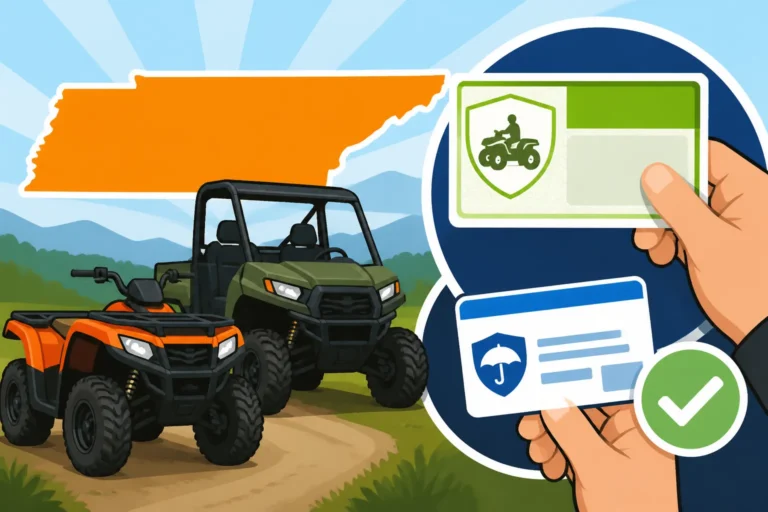
- Driver's License and Age: Generally, to operate an OHV on a public road in Tennessee, even temporarily designated ones, you'll need a valid driver's license. The minimum age for operating an OHV on a public road is typically 16 years old. Don't assume that because you can ride off-road at a younger age, the same applies to the highway. Check [Tennessee Minimum Age to Ride a Road] for specifics.
- Insurance: Just like any other vehicle on a public road, your OHV needs to be properly insured. This isn't just a recommendation; it's a legal requirement to protect you and others in case of an accident. Carrying proof of insurance is a must. [Tennessee UTV Insurance Requirement] is a good resource to consult.
- Vehicle Equipment: Your machine might be perfectly trail-ready, but is it road-ready? Tennessee law specifies certain equipment requirements for vehicles on public roads. This often includes:
- Headlights and Taillights: Fully functional headlights and taillights are non-negotiable, especially since riding is usually restricted to [Daylight Hours Only Under Tennessee Law], but good lighting is still vital.
- Brake Lights: Essential for communicating your intentions to other drivers.
- Turn Signals: You need to be able to signal turns clearly. If your machine doesn't have them, consider aftermarket kits from brands like SuperATV that specialize in these kinds of accessories.
- Mirrors: At least one rearview mirror, typically on the left side, is usually required. Again, SuperATV offers robust mirror options that can withstand trail abuse but also keep you legal on the road.
- Windshield: While not always strictly mandated for all OHV types on temporarily open roads, a windshield offers significant protection from road debris.
- Horn: A working horn is necessary for signaling.
- Speed Limits: Adhere strictly to the posted speed limits. Even if your machine can go faster, remember you're sharing the road with other vehicles, and excessive speed is dangerous and illegal. Generally, OHVs on designated roads are limited to [35 mph on a Tennessee Road] or the posted speed limit, whichever is lower, often with an overall ceiling like [Roads Posted Forty-Five or Less in Tennessee].
- Open Container and DUI: The same laws regarding alcohol consumption and operating a motor vehicle apply to OHVs on public roads. Driving under the influence (DUI) on an ATV or UTV carries the same severe penalties as in a car or truck.
It’s about showing respect for the road, other drivers, and the privilege of having this temporary access. Law enforcement will be present during these weekends, ensuring compliance.
The Bigger Picture: Navigating Tennessee's OHV Road Rules
The SR 63 exception, while a fantastic opportunity, is a narrow slice of a much larger, more complex pie when it comes to OHV road use in Tennessee. Understanding this broader context helps riders appreciate why these exceptions are so special and why vigilance is always necessary.
General Restrictions and Why They Exist
Across Tennessee, the default rule is that ATVs, UTVs, and other OHVs are generally not street legal on state or federal highways, and often restricted even on county roads unless explicitly designated. This stance is rooted in several factors:
- Safety: OHVs are designed for off-road conditions. Their suspension, tires, and steering are optimized for uneven terrain, not high-speed paved roads. They often lack the crash protection, airbags, or standardized safety features of street-legal vehicles.
- Vehicle Classification: Tennessee, like many states, categorizes vehicles. ATVs and UTVs fall under [Tennessee's Four Vehicle Categories], specifically as Class I or Class II Off-Highway Vehicles, which are distinctly separate from street-legal automobiles, motorcycles, or even [Tennessee's Low Speed Vehicle Category] or [Tennessee's Medium Speed Vehicle Category] (which have their own strict requirements). [Does Tennessee Register ATVs?] The answer is generally no, further separating them from traditional road vehicles. They do, however, have a titling requirement, and usually a [Tennessee's TDR Sticker Explained] on the title.
- Infrastructure: Public roads are built for specific vehicle types and traffic loads. OHVs can potentially cause damage to paved surfaces or create unique traffic flow challenges.
The Rise of Adventure Tourism Districts
The SR 63 situation is a prime example of how [Why an Adventure Tourism District Matters] in Tennessee. These districts, often found in counties like Scott, Anderson, Campbell, Morgan, and others, recognize the economic significance of off-road tourism. These counties, empowered by state legislation, have more flexibility to create local ordinances that allow OHV access on certain county roads, and to advocate for exceptions on state routes like SR 63.
For instance, you might find specific [Unincorporated Scott County's Open Roads] that connect trails, or [LaFollette's Designated Roads Since 2017] within cities. However, even within these districts, the rules are not universal. You might be able to ride a county road, but a state highway remains off-limits unless specifically opened for an event or a designated weekend like on SR 63. This patchwork of rules means riders must always be aware of exactly where they are and what the local regulations permit.
In summary, while Tennessee generally keeps OHVs off public roads, the two open weekends on SR 63 are a testament to the persistent efforts of local communities in Scott County, working alongside state authorities, to support their vital adventure tourism industry. It's a special privilege, not a given right, and understanding the "who" and "how" behind these decisions helps us all appreciate the unique opportunity it presents for riders.
Disclaimer
This article is for general informational purposes only and does not constitute professional advice. Laws, prices and regulations vary by location and change over time. Consult a qualified professional for guidance on your specific situation.