Tennessee Rules for a Passenger on a Road
Navigating the ever-evolving landscape of Tennessee's off-highway vehicle (OHV) laws can feel like trying to find your way through a dense thicket after a hard rain – confusing, slippery, and full of unexpected turns. One of the biggest head-scratchers for many riders involves who can legally tag along when you venture onto public roads with your ATV or UTV. It’s a common frustration, especially when you just want to share the adventure with friends or family, but this guide is here to untangle the specifics of Tennessee's rules for carrying passengers on your machine when you're on a public road.
The Foundation: Who Can Drive and What Machines Qualify for Tennessee Roads
Before we even think about bringing a passenger along, it’s absolutely critical to understand the bedrock of Tennessee's road-use laws for ATVs and UTVs. If the driver or the machine doesn't meet the basic requirements, then any discussion about passengers becomes moot. Think of it as ensuring the vehicle has wheels before discussing who gets to sit in the back.
The Driver's Readiness: Age, License, and Proper Vehicle Classification
First things first: the person behind the wheel. In Tennessee, to legally operate an ATV or UTV on any public road where it's permitted, the driver must be at least 16 years old and possess a valid driver's license. This isn't just a suggestion; it's a legal requirement that underpins all road-going privileges for these machines. You wouldn't let an unlicensed driver take your car on the highway, and the same principle applies here.
Beyond the driver, the machine itself needs to fit into one of [Tennessee's Four Vehicle Categories] that allows for limited road use. For most folks, this means understanding the distinctions between [Tennessee's Class I OHV Definition] (typically ATVs and smaller side-by-sides) and [Tennessee's Class II OHV Definition] (often larger UTVs, sand rails, or machines that exceed Class I dimensions). These classifications are critical because they dictate what kinds of roads, if any, your particular vehicle can legally traverse. Your shiny new side-by-side might look tough enough for anything, but if it doesn't meet the state's definition and has the necessary street-legal modifications, it simply can't be on the road, no matter how many seats it has. This typically involves items like headlights, taillights, brake lights, turn signals, mirrors, and a horn, just like any other motor vehicle.
Navigating Open Roads: When and Where OHVs Are Permitted
The ability to carry a passenger on a public road with your ATV or UTV is also heavily dependent on where you're riding. Tennessee has made some significant strides in recent years, particularly with [What Tennessee's 2025 UTV Law Changed], which provided a more unified framework for local road access. However, it's not a free-for-all on every street and highway.
Many of these changes hinge on local county commissions opting in, especially within what are called [Tennessee's Adventure Tourism Districts]. These are specific counties that have embraced the OHV lifestyle and have taken steps to designate certain roads for OHV use. So, while one county might have numerous paved and unpaved roads open to your UTV, a neighboring county might have a much stricter stance. Always check the local ordinances!
Even on designated roads, there are usually restrictions. For instance, OHV road use is generally limited to [Daylight Hours Only Under Tennessee Law]. You can't just cruise around after dark. There are also strict speed limits, often capped at [35 mph on a Tennessee Road] or only on [Roads Posted Forty-Five or Less in Tennessee]. You won't be taking your UTV on the interstate or faster state routes. If your machine isn't allowed on a specific road, or if you're riding outside of the permitted hours or speed limits, then bringing a passenger along compounds the problem significantly, turning a minor infraction into a potentially more serious safety and legal issue.
Specific Passenger Rules: ATVs vs. UTVs on Tennessee Roads
This is where the rubber meets the road, or more accurately, where the rules diverge significantly based on whether you're riding an ATV or a UTV. While both are considered OHVs, their design philosophies are vastly different, and Tennessee's passenger rules reflect that.
ATV Passenger Rules: One Seat, One Rider (with rare exceptions)
Let's be blunt: most ATVs are designed for one person, the operator. They're built for dynamic riding, leaning into turns, and shifting your weight to maintain control over varied terrain. Adding a second person to a single-seat ATV, especially on a public road, fundamentally compromises its design and safety. It's a recipe for disaster, not a shared adventure. The manufacturer's design capacity is paramount here. If your ATV has one seat, it's for one person.
You might think, "Oh, it's just a short hop to the trailhead," or "They can just stand on the footpegs." Resist that urge! Even for a minute, carrying a passenger on a single-seat ATV on a public road is incredibly dangerous. It throws off the machine's balance, makes steering and braking unpredictable, and significantly increases the risk of a rollover or loss of control. The ATV simply isn't engineered to distribute weight safely with an extra rider, and the consequences of an accident can be severe, not just for the passenger, but for the operator as well. This isn't just about getting a ticket; it's about potentially life-altering injuries.
There are some rare exceptions for ATVs specifically designed and manufactured as "tandem" or "two-up" models. These machines have an extended seat and often dedicated handholds and footrests for a second passenger. However, even with these, their road legality and specific passenger rules for public roads in Tennessee would still be subject to the same stringent driver and vehicle requirements. Always check your ATV's manufacturer specifications and local laws carefully. For the vast majority of single-seat ATVs, the rule is simple: one rider, period.
UTV Passenger Rules: Seats, Seatbelts, and Common Sense
Now, UTVs (Utility Task Vehicles), or side-by-sides as they're often called, are a different beast entirely when it comes to passengers. Their design is inherently more like a small car, with multiple seats and a roll cage, making them far more suitable for carrying additional people. This is where you can genuinely share the ride on permitted roads, but with very clear stipulations.
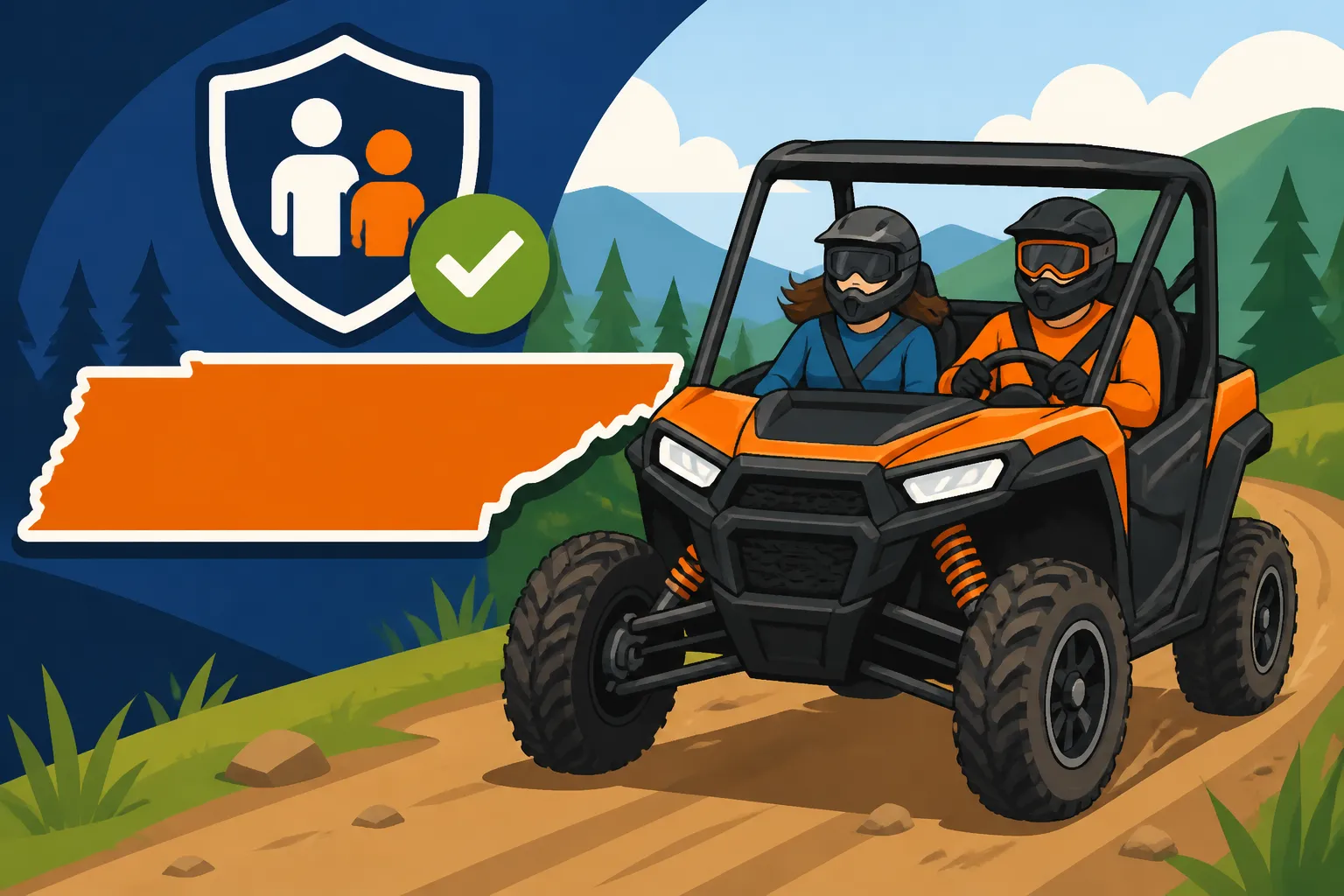
The golden rule for UTV passengers on Tennessee roads is this: every passenger must have a designated seating position, and every passenger must wear a seatbelt. Period. No exceptions. This means:
- Designated Seating Only: Passengers must sit in the seats explicitly designed for them by the manufacturer. This usually means front-facing seats.
- Seatbelts Are Non-Negotiable: Just like in a car, every person in a UTV on a public road needs to be buckled up. [Tennessee Equipment Rules for Road Use] clearly mandate the use of seatbelts. These aren't just for show; they are your primary protection in the event of a sudden stop, swerve, or collision.
- No Riding in the Cargo Bed: This is a huge no-no. While the cargo bed of a UTV is incredibly useful for hauling gear, coolers, or even an extra spare tire from SuperATV, it is absolutely, unequivocally not a place for people. Riding in the cargo bed is incredibly dangerous due to the lack of restraints, the risk of being thrown out, and the potential for serious injury, even at low speeds. Don't do it.
- No Standing: All passengers must remain seated with their seatbelts fastened while the UTV is in motion on a public road. Standing up in a moving UTV, even if it feels stable, significantly increases the risk of injury.
Ensuring proper restraints is paramount. Many UTVs come with three-point seatbelts, and some riders even upgrade to four- or five-point harnesses for enhanced safety, particularly if they engage in more aggressive off-road riding. Whatever system you have, make sure it's fully functional and properly used by every single passenger.
Safety Gear and Age Considerations for Road Passengers
Beyond just having a place to sit and a seatbelt, Tennessee has specific requirements for personal safety gear, especially helmets, when operating ATVs and UTVs on public roads. These rules are in place to mitigate the severity of injuries in the event of an accident, and they apply to passengers just as much as to drivers.
Mandatory Helmet Rules for Road Use
This is a point of frequent confusion, but it's crystal clear in Tennessee law: when riding an ATV or UTV on a public road, all occupants, regardless of age, must wear a helmet. This is explicitly covered under [Tennessee Helmet Law for ATV Riders] and [Tennessee Helmet Law for Passengers]. Yes, that means your adult passenger in the side-by-side needs a helmet, just like you do.
This helmet rule for public roads is distinct from many of the off-road helmet regulations, which often focus more heavily on minors. On a public road, where you're interacting with other vehicles, often at higher speeds than typical trail riding, the risk profile changes dramatically. A DOT-approved helmet provides crucial protection against head injuries, which are often the most devastating in any motor vehicle accident. Do not compromise on this. Ensure your helmet is properly fitted, securely fastened, and meets the Department of Transportation (DOT) standards.
Age and Supervision for Young Passengers
When it comes to the minimum age for passengers in a UTV on a public road, Tennessee law isn't as explicitly prescriptive as it is for drivers. There isn't a specific age minimum for a UTV passenger, provided they can be properly secured by a seatbelt in a designated seating position.
However, "properly secured" is the key phrase here. While an infant in a car seat wouldn't be appropriate, a small child who can comfortably sit upright and be safely buckled into the UTV's seatbelt system might be permitted. That said, as a responsible rider and parent, you must use common sense and follow manufacturer guidelines. Many UTV manufacturers recommend a minimum age for passengers, often tied to their ability to keep their feet flat on the floor and their back against the seat, allowing the seatbelt to function as intended.
Booster seats or other child restraint systems designed for cars might not be safe or effective in the unique environment of a UTV, which is often exposed to more jarring movements and different seating angles. The driver remains entirely responsible for the safety and security of all passengers, especially minors. If a child cannot be properly restrained in the UTV's seatbelt system, they should not be a passenger on a public road. Even if not legally mandated, prioritizing the child's safety with a properly fitted helmet and secure seating is paramount.
Practical Considerations and Steering Clear of Trouble
Riding your ATV or UTV on Tennessee roads with passengers can be a fantastic experience, but it's one that demands vigilance and a proactive approach to safety and compliance. Ignoring the rules or making assumptions can lead to hefty fines, devastating accidents, and significant legal headaches.
Insurance and Liability When Carrying Passengers
Let's talk about the less glamorous but incredibly important aspect: insurance. For any ATV or UTV operating on a public road in Tennessee, liability insurance is a non-negotiable requirement. [Tennessee UTV Insurance Requirement] is in place to protect you and others in case of an accident.
When you add passengers to your ride, especially on a public road, you significantly increase your liability. If an accident occurs and a passenger is injured, you could be facing substantial medical bills and potential civil lawsuits. It's absolutely crucial to review your insurance policy with your agent to ensure it provides adequate coverage for passenger injury when operating on public roads. Don't assume your standard off-road policy automatically extends to road use or covers all passengers equally. Clarify your coverage for things like medical payments, bodily injury liability, and uninsured/underinsured motorist coverage. A quick call to your insurance provider could save you immense grief later.
Pre-Ride Checks and Passenger Briefing
Before you even turn the key, especially with passengers on board, a thorough pre-ride check and a clear briefing are essential. This isn't just for their comfort; it's for their safety and your peace of mind.
Here’s a quick checklist:
- Seatbelts: Double-check that all seatbelts are fastened correctly and snugly. Ensure there are no twists and that they aren't snagged on anything.
- Doors/Nets: If your UTV has doors or safety nets (many excellent aftermarket options exist from companies like SuperATV), make sure they are securely latched and closed.
- Foot and Hand Placement: Brief your passengers to keep their hands, arms, feet, and legs inside the vehicle at all times. On a rough road or during a turn, an outstretched limb can easily get caught or injured.
- Stay Seated: Emphasize that they must remain seated while the vehicle is in motion.
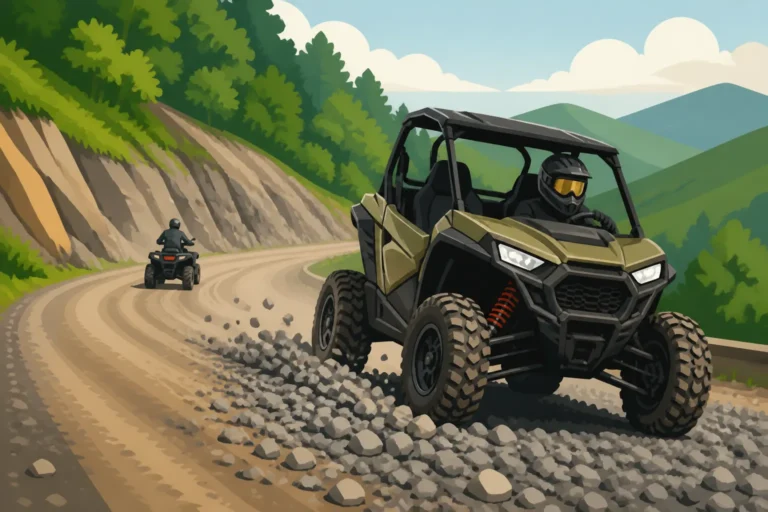
- What to Expect: If you're going to be on a particularly bumpy gravel road or expect some sudden turns, give your passengers a heads-up so they can brace themselves.
A quick conversation before you depart, laying out the ground rules, can make a huge difference in preventing minor mishaps and ensuring everyone has a safe and enjoyable time.
Consequences of Non-Compliance
Let's not sugarcoat it: riding improperly with passengers on Tennessee roads carries real consequences. Ignoring the rules isn't just "getting away with it"; it's taking a significant gamble with safety and legality.
The most immediate consequence is often a citation. [Tennessee Fines for Illegal UTV Road Use] can quickly add up. Beyond fines, you could face more severe penalties if you're involved in an accident, especially if your machine was illegally on the road, or if passengers were not properly secured or helmeted. This could include criminal charges (such as reckless endangerment) or civil lawsuits for negligence, which can be financially devastating. In some extreme cases, particularly with repeat offenses or severe safety violations, your machine could even be impounded.
| Aspect of Passenger Rule | ATV (Single-Seat) | UTV (Multi-Seat) | Enforcement & Safety Concern |
|---|---|---|---|
| Primary Rule | Not permitted | Permitted | Violation can be costly & dangerous |
| Seating Position | N/A | Designated seats only | No cargo bed or standing |
| Seatbelt Use | N/A | Required for all | Essential for crash protection |
| Helmet Use (Road) | Required (driver) | Required (all occupants) | Mandatory to prevent head injury |
| Driver Age/License | 16+ & Licensed | 16+ & Licensed | Fundamental for legal operation |
| Road Legality of OHV | Limited/Specific | Limited/Specific | Check local ordinances carefully |
| Liability Impact | High if violated | Increased | Review insurance policy coverage |
Ultimately, the rules are in place for a reason: to keep everyone safe. Tennessee's trails and roads offer incredible opportunities for adventure, and sharing that experience with others is part of the joy. By understanding and adhering to the passenger rules for ATVs and UTVs on public roads, you ensure that joy isn't overshadowed by avoidable risks or legal trouble. Ride smart, stay safe, and enjoy the beautiful Tennessee scenery!
Disclaimer
This article is for general informational purposes only and does not constitute professional advice. Laws, prices and regulations vary by location and change over time. Consult a qualified professional for guidance on your specific situation.