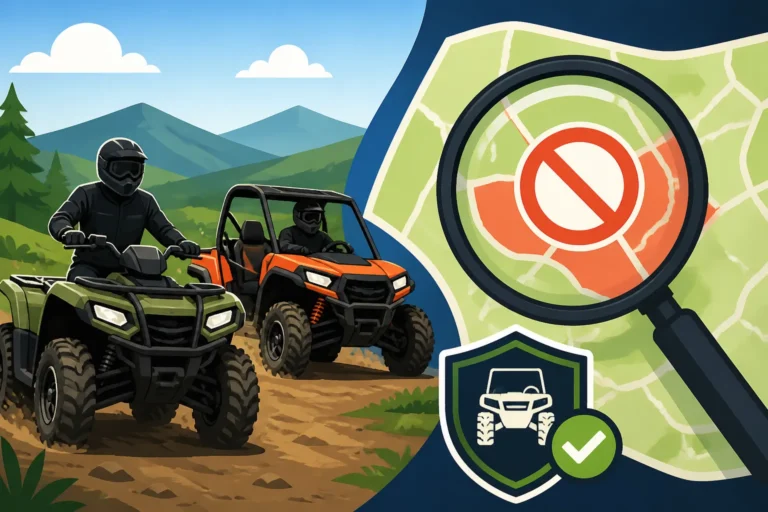
Riding South of SR 63 in Scott County
Riding an ATV or UTV in Tennessee is an absolute blast, offering some of the best trails and scenery around. But let's be real, figuring out exactly where you can and can't legally ride your machine on public roads can feel like trying to solve a puzzle with half the pieces missing, especially when you're looking at specific areas like Scott County and the roads south of SR 63. This guide is here to untangle that knot for you, breaking down the rules and offering practical advice so you can hit the trails and make those connections without constantly worrying if you're breaking the law.
Navigating the Labyrinth of Tennessee's OHV Road Rules
For years, riders in Tennessee faced a patchwork of rules that varied from county to county, leaving many of us scratching our heads and wondering if we were legal to even cross the street. Thankfully, recent statewide legislation has brought some much-needed clarity, creating a framework that allows counties to designate specific roads for OHV use. This was a huge step forward for riders, especially in popular areas like Scott County, which is a significant part of what's known as Tennessee's "Adventure Tourism Districts."
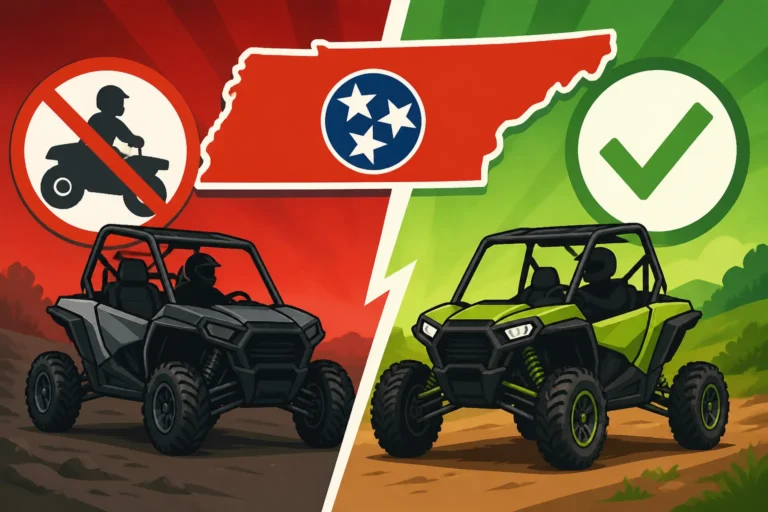
However, just because there's a statewide framework doesn't mean every road is now open season. Far from it! Each county still has the power to decide which of its roads, if any, can be used by off-highway vehicles. This means you can't just assume that because you're in an adventure tourism district, you can ride anywhere. You absolutely need to know the specific designations for the area you're in. This is where it gets tricky, as the signs aren't always crystal clear, and the lines on a map can be hard to interpret when you're out on the ground.
The law differentiates between county roads and state highways. Generally, state highways (those numbered with an "SR" or "US" prefix, like SR 63) are much more restricted, often only allowing crossings at specific points designated by the Tennessee Department of Transportation (TDOT). County roads, on the other hand, are where the local designation authority comes into play. It's a game of knowing the local rules, and those rules often come down to ordinances passed by the county commission. Ignoring these distinctions can lead to fines and a less-than-stellar day out, so it's vital to do your homework before you ever load up the trailer.
Understanding Designated Road Status in Scott County
Scott County is undeniably a hotspot for off-road enthusiasts, drawing riders from all over the country to places like Brimstone Recreation and the surrounding trails. Given its status as one of [The Ten Counties Named in Tennessee Law] for adventure tourism, there's often an expectation that more roads might be open for OHV use. And to a degree, that's true. The county has indeed taken steps to designate certain roads.
However, "designated" doesn't mean "all." The county commission, through a two-thirds vote, has the power to open unpaved roads within unincorporated areas, and some paved roads might also be designated. This is a critical point: if you're planning to ride on a public road, it must be explicitly designated for OHV use. If it's not on the official list, it's off-limits. The challenge for riders often lies in finding and understanding these lists. They are usually published by the county and are something you should always check before heading out. Imagine planning a route only to find a crucial connector road isn't designated. It can throw a wrench in your whole day.
Furthermore, these designations can sometimes be nuanced. Some roads might be open only during daylight hours, or have speed restrictions, or require specific equipment. For example, if you're riding a UTV, you'll need things like headlights, taillights, brake lights, a horn, mirrors, and potentially turn signals to meet [Tennessee Equipment Rules for Road Use] for designated road use. Companies like SuperATV offer a wide range of accessories, from LED light bars to mirrors and signal kits, that can help get your machine compliant, which is a smart move if you're planning on using any designated roads.
Riding South of SR 63 in Scott County: What You Need to Know
Now, let's zero in on the specific question of riding south of SR 63 in Scott County. SR 63, or State Route 63, is a significant artery that runs through this part of Tennessee. For many riders, it acts as a mental, and often legal, dividing line. While the road itself is generally not open for continuous OHV travel (save for very specific, short-duration exceptions like certain event weekends or designated crossings), the areas immediately south of it contain vast expanses of prime riding territory and numerous county roads that may or may not be designated.
The key here is understanding the local designations. You cannot simply assume that because you are south of a state route in an adventure tourism district, all county roads are fair game. Many popular trails and riding areas, like those associated with Brimstone Recreation, are accessible via designated county roads, but these are specific. If you're trying to connect between different trail systems or access a trailhead via a public road, you absolutely need to consult Scott County's official designated road list. This list is your bible for legal road use in the area. Without it, you're just guessing, and that's a gamble you don't want to take with your machine or your wallet.
For instance, while certain unpaved roads in [Unincorporated Scott County's Open Roads] might be open, this doesn't automatically include every gravel lane or forgotten blacktop. The best advice is to check the county's official maps or lists, often available on the county clerk's or sheriff's department website. Failing that, contacting the county clerk directly for the most up-to-date information is always a smart move. Don't rely on word-of-mouth or outdated maps.
Specifics Around Brimstone Road and Norma Road
A common area of interest for riders south of SR 63 is the vicinity of Brimstone Recreation, which is often accessed via Brimstone Road (County Road 605) and other nearby county roads that lead to the trailhead. While many of these roads leading directly to the park's entrance and staging areas are typically designated for OHV access (to allow riders to legally reach the park), this designation doesn't extend indefinitely to all connecting roads.
Consider a scenario: you're planning to ride [Between Brimstone Road and Norma Road]. While both are county roads, the rules for each segment can differ. Some sections might be designated, allowing you to ride your UTV down the road to get to a specific trail entrance, while other sections, perhaps deeper into residential areas or connecting to state routes, might remain closed to OHV traffic. This is where the minutiae of the designation truly matter. You might be able to ride a designated stretch of Brimstone Road, but if you take a turn onto an undesignated side road, you're immediately in violation.
This granular level of detail means riders need to be exceptionally diligent. A common mistake is assuming that "getting close" to a trail system on a public road is sufficient. It's not. The law is concerned with exact designations. If you're thinking about extending your ride from a designated trail system onto public roads, especially if you've got performance parts from SuperATV installed, you need to verify every single foot of that public road.
Legal Requirements and Best Practices for Road Riding
Even on designated roads in Scott County, there are strict rules you must follow. It's not just about where you can ride, but how you ride and what your machine is equipped with. Failure to adhere to these can result in citations, regardless of whether you're on a designated road or not.
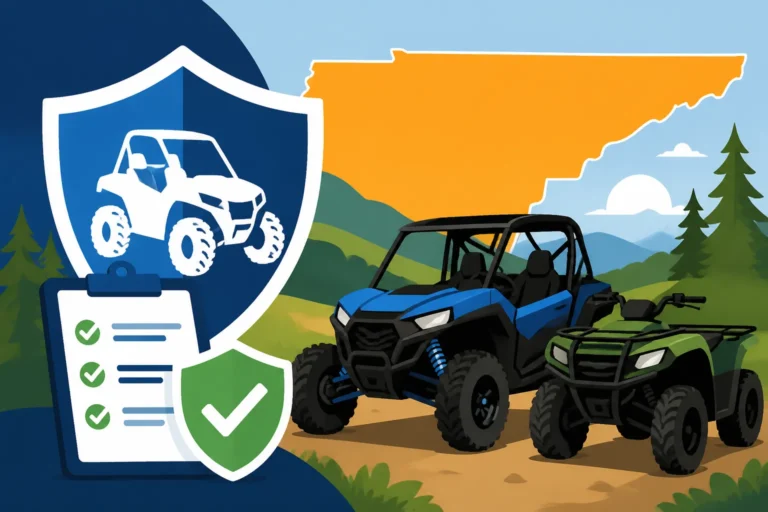
First and foremost, your machine must meet specific equipment requirements to be considered legal for road use. This typically includes:
- Headlights, taillights, and brake lights
- At least one rearview mirror
- A horn
- A windshield (for UTVs)
- A seatbelt for each occupant (for UTVs)
- A spark arrester on the exhaust
- Tires that are designed for on-road use (or at least not exclusively off-road biased that would damage pavement)
- A properly displayed [Tennessee's TDR Sticker Explained], which proves your machine is titled.
Beyond equipment, there are also operator requirements. Drivers must possess a valid driver's license. There are also [Tennessee Helmet Rules for Operator and Passengers] on public roads, especially for those under the age of 18, and potentially for all riders depending on specific local ordinances. Speed limits on designated roads are often restricted to 35 mph or less, and generally, you can only ride on roads posted [Roads Posted Forty-Five or Less in Tennessee]. Interstates and multi-lane state highways are almost universally off-limits, except for crossing points designated by TDOT. And don't forget, most road use is restricted to [Daylight Hours Only Under Tennessee Law], meaning no night riding on public roads unless explicitly permitted, which is rare.
Essential Gear and Safety Considerations
When you're out riding, whether it's on a designated road or a gnarly trail, safety should always be your top priority. For road use, this means ensuring your machine is not only compliant but also visible and safe. Beyond the required lighting, consider adding extra visibility features like flags or bright reflective tape, especially if you're riding a smaller ATV.
Required vs. Recommended Equipment for Road Use
| Feature | Legal Requirement (Designated Roads) | Recommended Safety Enhancement |
|---|---|---|
| Headlights | Yes (low/high beam) | Brighter LED conversion |
| Taillights/Brake Lights | Yes | Flashing brake lights |
| Rearview Mirror | Yes (at least one) | Two mirrors (left & right) |
| Horn | Yes | Loud, clear horn |
| Turn Signals | Often required for UTVs | Always beneficial |
| Windshield | Yes (for UTVs) | Impact-resistant |
| Seatbelts | Yes (for UTVs, for each occupant) | Four or five-point harnesses |
| Spark Arrester | Yes | Regular maintenance |
| Helmet | Required for under 18 (and often all) | Always wear a DOT-approved helmet |
| TDR Sticker | Yes (displayed) | Ensure visibility |
| Insurance | Required | Comprehensive coverage |
| Driver's License | Yes (operator) | Keep on person |
Insurance is also a big one. While Tennessee doesn't have a statewide off-road registration system for ATVs and UTVs (unlike cars), if you're using a public road, [Tennessee UTV Insurance Requirement] likely applies. You'll want to check with your insurance provider to ensure you have adequate coverage for road use, even on designated county roads. Accidents happen, and being prepared is always better than facing unexpected costs.
Finally, remember that riding on public roads, even designated ones, means sharing the road with other vehicles. Always be aware of your surroundings, obey all traffic laws, and exercise caution. Don't assume other drivers see you, especially at intersections or blind curves. A lot of the fun of off-roading comes from the freedom, but when you're on a public road, that freedom comes with serious responsibilities. It's not just about avoiding [Tennessee Fines for Illegal UTV Road Use]; it's about staying safe and respecting other road users.
Staying Informed and Riding Responsibly
The landscape of OHV laws in Tennessee, particularly concerning road use, is dynamic. What might be true one year could change the next, as counties evaluate their designated road lists or new state legislation is introduced. Therefore, continuous vigilance is key for any responsible rider.
Before every trip to Scott County, or any other region in Tennessee where you plan to ride public roads, make it a point to check the latest information. This means looking for updates from the Scott County government, specifically regarding their published restricted road lists or designated OHV routes. Many counties will publish these lists online, often updated annually or as changes occur. Don't be afraid to call the county clerk's office directly if you can't find clear, current information. It's far better to make a quick phone call than to risk a fine or, worse, an accident.
Being a good ambassador for the sport also means riding responsibly. This includes adhering to posted speed limits, staying on designated trails and roads, and not trespassing on private property. [Tennessee Trespass Rules for Riders] are serious, and landowners in popular riding areas are often vigilant. If you're using aftermarket parts from SuperATV to enhance your machine's performance, remember that increased capability comes with increased responsibility. Ride within your limits and the limits of the law.
The ability to use certain county roads to access trails or connect between riding areas is a privilege, not a right. By staying informed, riding safely, and respecting the rules, we can help ensure these opportunities continue for all off-road enthusiasts in Tennessee for years to come.
Disclaimer
This article is for general informational purposes only and does not constitute professional advice. Laws, prices and regulations vary by location and change over time. Consult a qualified professional for guidance on your specific situation.