Do You Still Need a Helmet Off-Road at 17?
It can feel a little confusing, navigating the ins and outs of off-road vehicle laws in Tennessee, especially when you're dealing with riders who are almost adults but not quite. Many parents and even young riders themselves often wonder if that helmet rule still applies when you hit 17, figuring you're practically an adult. This guide is here to clear up that very common question, helping you understand Tennessee's specific helmet requirements for 17-year-olds when they're out on the trails.
Understanding Tennessee's Helmet Law for Off-Road Riding
When it comes to hitting the dirt roads, mud bogs, or rocky climbs in Tennessee on an ATV or UTV, safety is paramount. The state takes a very clear stance on helmet use, especially for younger riders, and understanding this is key to staying safe and compliant.
The General Rule: Under 18 Requirement
Let's cut right to it: Tennessee law is crystal clear on this front. If you are operating or riding as a passenger on an off-highway vehicle (OHV) in Tennessee, and you are under the age of 18, you must wear a helmet. There's no gray area here, no "almost 18" clause that suddenly makes it optional. Whether you're 13, 16, or 17 years old, that helmet needs to be securely fastened before you even think about putting the machine in gear.
Imagine a sunny Saturday at Windrock Park, and your 17-year-old is itching to explore the miles of trails. They might feel like they're old enough to make their own choices, especially when they see older riders with no helmets. However, legally, they are still a minor, and the state's safety regulations apply directly to them. This isn't just about enforcement; it's fundamentally about protecting developing brains and bodies from the very real risks associated with off-road riding. The trails, even familiar ones, can be unpredictable, and a helmet provides that crucial layer of defense against impacts, falls, and debris.
The "Over 18" Distinction and Where Confusion Arises
A lot of the confusion about helmet laws for 17-year-olds stems from the fact that once a rider turns 18, the rules for off-road helmet use do change significantly. For adults (18 and over) riding off-road on private property or designated trail systems, wearing a helmet is generally optional. This is where the mix-up often happens: people tend to conflate being "almost an adult" with being subject to adult laws. But the law draws a hard line at that 18th birthday.
So, while a seasoned 25-year-old rider might choose to ride helmet-free on a designated trail at Brimstone Recreation or a private tract, a 17-year-old on the very same trail, or even a similar one in the North Cumberland WMA, is legally required to wear a helmet. This legal distinction is a protective measure. It acknowledges that younger riders, even experienced ones, may still lack the judgment, reaction time, or physical maturity to fully mitigate risks in the same way an adult might. The state's intent is to provide an extra layer of protection for this vulnerable age group. You can learn more about the general rules in [Tennessee Helmet Law Off-Road].
Specific Scenarios for 17-Year-Old Off-Road Riders
The helmet requirement for 17-year-olds isn't a suggestion; it's a mandate that applies across various riding environments. Let's break down where these rules come into play most often, and what you need to be aware of to ensure compliance and, more importantly, safety.
Riding on Public Trails and WMAs
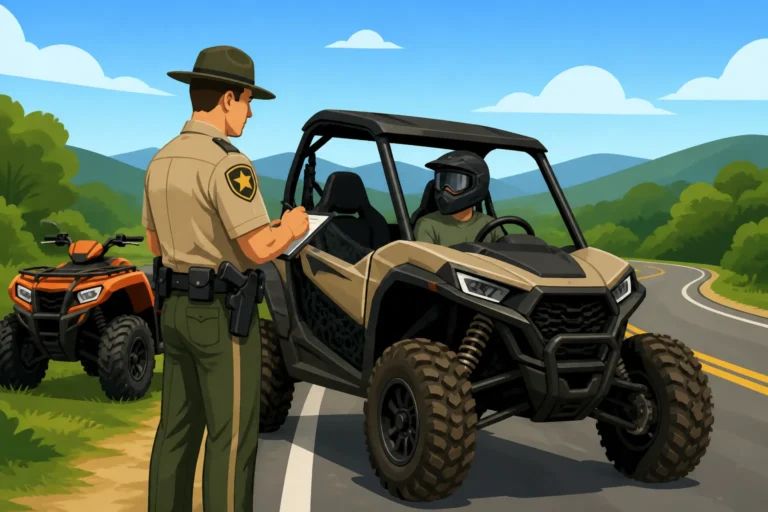
If your 17-year-old is hitting any public trail system or Wildlife Management Area (WMA) in Tennessee, such as the vast networks at Windrock, Brimstone, or the expansive North Cumberland WMA, the helmet rule is rigidly enforced. These areas are often overseen by state agencies or park management that have a vested interest in rider safety and adherence to state regulations. Riding without a helmet if you're under 18 in these locations can lead to a citation, a fine, or even being asked to leave the premises. It's not worth the risk, financially or physically.
Consider a scenario where a group of friends, including a 17-year-old, are enjoying a ride on [Riding a Windrock Ridge in Rain]. The terrain can be challenging, with unexpected drops, slick surfaces, and tight turns. A sudden slip or roll-over is always a possibility. A properly fitted helmet can be the difference between a minor scare and a severe head injury. Park rangers and other authorities patrolling these areas are well aware of the state laws and are vigilant about enforcing them, particularly when it comes to minors. You might see warnings posted at trailheads, reminding riders of the rules for [Tennessee Rules for Riding a WMA]. When gearing up for these challenging environments, quality matters. Investing in a durable, certified helmet from a reputable brand like SuperATV can provide peace of mind, knowing your rider has the best possible protection.
Riding on Private Property and Leased Land
Some riders might think that if they're on private land, away from official trails or public eyes, the rules don't apply. This is a dangerous misconception. While enforcement on private property might look different than in a public park, Tennessee's helmet law for minors still applies, regardless of whether the land is privately owned or leased.
Imagine your 17-year-old is riding their quad on a family farm in rural Tennessee, perhaps checking fences or helping with light chores. Even if it's their grandparents' property, the state's requirement for helmet use for those under 18 remains legally in effect. Beyond the law, landowners often have concerns about liability. If a minor is injured on their property while not wearing a helmet, it could open them up to legal issues, even if permission to ride was granted. Therefore, many private landowners, especially those who lease land for riding, will also enforce helmet use for minors for their own protection and to ensure the safety of everyone on their property. This principle extends to private club trails or leased tracts, like those used for [Riding a Haul Road in Anderson County]. Always remember that even if you have [Tennessee Rules for Riding Private Property], the state's age-based helmet rules are still in force. It’s also a good practice for anyone, regardless of age, to wear a helmet on private land – better safe than sorry, especially when you consider the kind of terrains you can encounter.
Exemptions and Exceptions to the Under-18 Helmet Rule
While Tennessee's helmet law for riders under 18 is quite firm, there are a couple of very specific situations where it doesn't apply. It's crucial to understand these limited exceptions so you don't mistakenly believe they cover recreational riding. These aren't loopholes for fun; they're designed for particular operational contexts.
The Agricultural Exception
One of the most notable exceptions to the under-18 helmet rule in Tennessee relates to agricultural use. If a 17-year-old is operating an OHV strictly for agricultural purposes on private land, they may be exempt from the helmet requirement. This is a practical exemption, recognizing that helmets might interfere with certain farm tasks, visibility, or hearing in a working environment.
However, this exception is quite narrow and specific. "Agricultural purposes" means genuinely working the farm – things like hauling feed, checking livestock, spraying fields, or performing maintenance around the property. It does not mean taking a joyride around the fields after chores are done, or simply riding from one part of the farm to another for recreational purposes. If the primary intent of the ride is recreation, even on a farm, the helmet rule for the 17-year-old still applies. It's a distinction worth remembering, as detailed in [Why Farm Work Exempts a Tennessee Helmet]. This exemption exists to support farming operations, not to provide a waiver for casual riding.
Emergency and Wildlife Vehicles
Another set of exemptions applies to individuals operating OHVs in official capacities. This includes emergency responders – think local fire departments, search and rescue teams, or law enforcement officers – who might use ATVs or UTVs in their duties. Similarly, wildlife officers and other state agency personnel often use OHVs for land management, patrol, or wildlife control within WMAs and other public lands.
These professionals, whether they are under 18 or not, are generally exempt from the helmet requirement when performing their official duties. They operate under different regulations and often have specialized training and equipment for their specific tasks. This exemption, however, has absolutely no bearing on recreational riders, including 17-year-olds. It's a provision for public servants carrying out essential functions, not for the general public enjoying the trails.
Importance of Helmet Use Beyond the Law
While the legal aspect of helmet use for 17-year-olds is clear, it's just as vital to emphasize the importance of wearing a helmet for reasons that go beyond compliance. Safety should always be the top priority, and a helmet is arguably the most critical piece of personal protective equipment for any off-road rider.
Safety First, Always
The statistics on off-road vehicle accidents can be sobering. Even at lower speeds, a sudden loss of control, an unexpected obstacle, or a rollover can lead to serious injuries. The head is particularly vulnerable, and a traumatic brain injury can have lifelong consequences. A quality, properly fitting helmet significantly reduces the risk of severe head injury in an accident. It acts as the first line of defense, absorbing impact forces and distributing them across a wider area, rather than concentrating them on a single point on the skull. This protective capability is why it's universally recommended for all riders, regardless of age or legal requirement.
Think about the varied terrain in Tennessee – from the rocky trails of Oliver Springs to the muddy hollers near Brimstone. Every ride carries a degree of risk. Choosing to wear a helmet, even when not legally required (for those 18 and over), is a smart, responsible decision. When you're looking for that crucial piece of safety gear like a helmet, brands like SuperATV are a great place to start, as they often offer a wide range of DOT-certified options designed for the rigors of off-road riding. They understand the demands of the sport and design their products to meet those challenges, ensuring riders have durable and effective protection.
Setting a Good Example and Peer Influence
At 17, riders are often looked up to by younger siblings, friends, or even newer riders on the trail. Their actions, whether consciously or not, set a precedent. When a 17-year-old conscientiously wears their helmet, they're not just complying with the law; they're demonstrating a mature approach to safety that can positively influence others. This is particularly important for younger children who might be riding youth machines or acting as passengers, where laws like [Tennessee Rules for Riders Under 16] are even stricter.
Parents and guardians also play a critical role here. By consistently enforcing helmet use for their 17-year-olds and perhaps even wearing helmets themselves (if they're 18+), they reinforce the message that safety is a non-negotiable part of the off-road experience. This fosters a culture of safety that extends beyond specific age requirements, making everyone on the trail safer. Remember, off-road riding is about having fun, and the safest fun is the best fun.
What to Look For in a Good Helmet
When selecting a helmet for a 17-year-old (or any rider), there are several key factors to consider to ensure maximum protection and comfort. A helmet that doesn't fit correctly or isn't adequately certified offers compromised safety.
First and foremost, look for certifications. A helmet should be at least DOT (Department of Transportation) certified, meaning it meets federal safety standards for impact protection. Many riders also look for Snell or ECE certifications, which often indicate even higher levels of testing and protection. While these certifications are important, the fit is equally critical. The helmet should be snug but comfortable, without any excessive movement when the head is shaken. It shouldn't obstruct vision, and the chin strap should be securely fastened, allowing only one or two fingers to fit underneath.
Ventilation is also a key feature, especially for strenuous riding or in warmer Tennessee weather. Good airflow can prevent overheating and fogging, which are crucial for maintaining focus on trails, whether you're navigating [Tennessee Trail Difficulty Ratings] or a simple gravel path. Finally, consider the type of helmet. Full-face helmets offer the most comprehensive protection for the face and jaw, which is often recommended for the unpredictable nature of off-road riding. Reputable brands like SuperATV understand the importance of these features and offer a range of helmets designed with these safety considerations in mind.
Here's a quick overview of what to consider:
| Feature | Description | Why It Matters for Off-Road |
|---|---|---|
| DOT/Snell/ECE Certification | Meets established safety standards for impact resistance and construction. | Guarantees the helmet has been tested and proven to offer a baseline level of protection. |
| Proper Fit & Sizing | Snug all around, no pressure points, no excessive movement when head is shaken; cheek pads contact cheeks. | Ensures the helmet stays in place during impacts and provides optimal protection without obstructing vision or causing discomfort. |
| Ventilation System | Multiple vents designed to draw air through the helmet, cooling the rider. | Crucial for comfort in warm weather, reducing fatigue, and preventing visor fogging on varied terrain. |
| Visor & Eye Protection | A sturdy, clear or tinted visor, or space for goggles. | Shields eyes from dust, mud, branches, sun glare, and thrown debris, maintaining clear visibility. |
| Shell Material | Typically made from polycarbonate, fiberglass, or carbon fiber composites. | Determines the helmet's strength, weight, and ability to absorb and disperse impact energy. |
| Comfort Liner | Removable, washable padding that wicks away moisture. | Enhances comfort during long rides, helps manage sweat, and allows for hygienic maintenance. |
Ultimately, for a 17-year-old riding an OHV in Tennessee, the law is unambiguous: a helmet is required. Adhering to this rule isn't just about avoiding a fine; it's about making a conscious choice to protect themselves while enjoying the thrill of off-road adventure. For more information on age-related rules, you might want to look into [Tennessee Minimum Age to Ride a Trail] and [Tennessee Helmet Law for Passengers].
Disclaimer
This article is for general informational purposes only and does not constitute professional advice. Laws, prices and regulations vary by location and change over time. Consult a qualified professional for guidance on your specific situation.