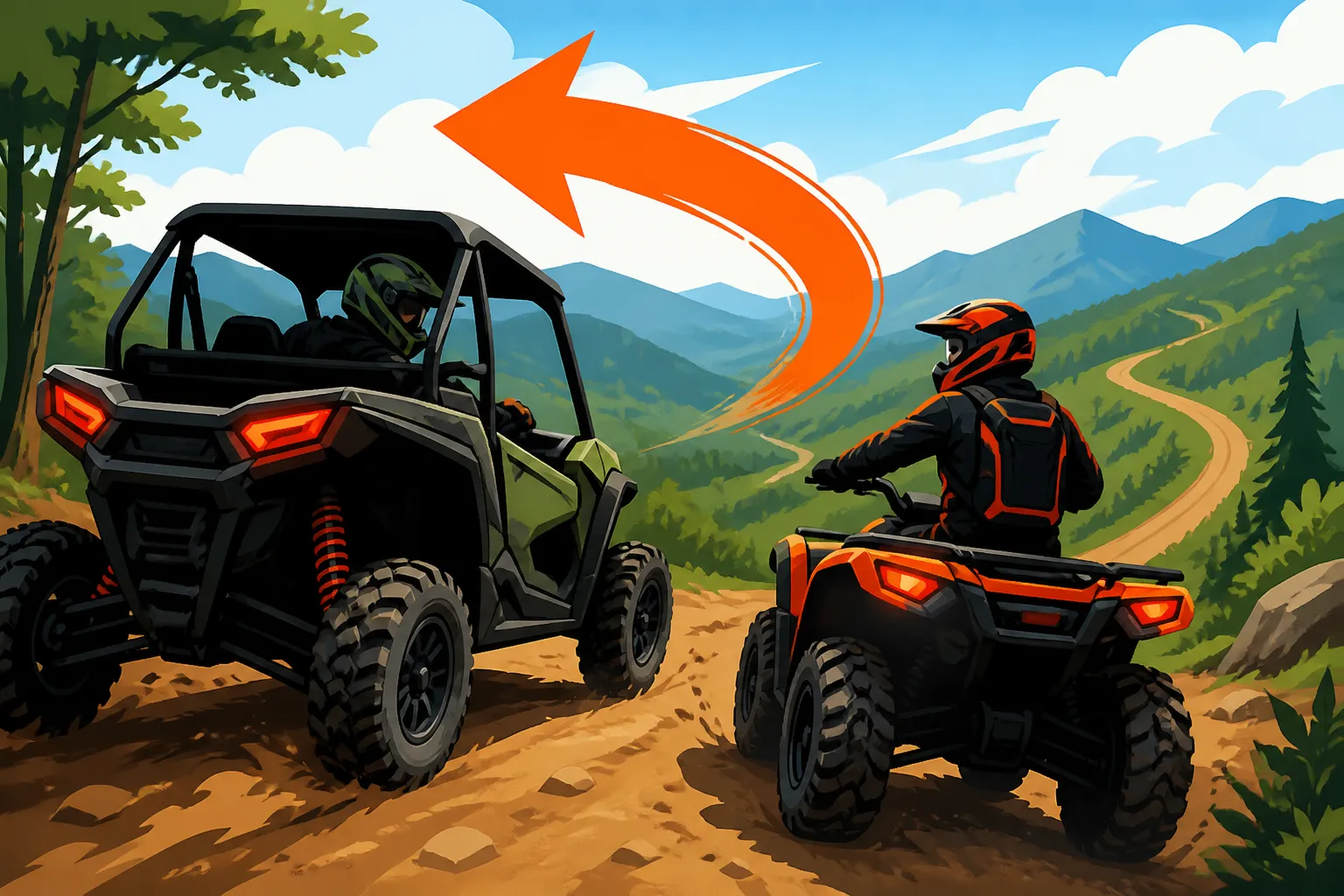
Turning Back at SR 63
There's nothing quite as frustrating as planning an epic off-road adventure, loading up your rig, hitting the road, and then suddenly finding yourself staring at a sign that tells you to turn back, particularly when you're near a well-known area like SR 63 in Tennessee. Many riders grapple with the confusing patchwork of rules that dictate where and when their ATVs and UTVs can legally traverse public roads. This guide aims to cut through that confusion, clarifying Tennessee's specific laws regarding off-highway vehicle (OHV) use on public roads, with a particular focus on navigating the intricacies of state routes like SR 63, so you can ride confidently and avoid unexpected detours or citations.
Understanding Tennessee's OHV Road Laws
Tennessee has been making strides to accommodate the booming popularity of ATVs and UTVs, especially in its scenic mountain regions, but this doesn't mean every road is open to every machine. The state's approach is a blend of statewide regulations and local autonomy, which can sometimes feel like a moving target for riders just trying to understand the rules. It's crucial to grasp this foundational framework before you even consider airing up your tires for a road ride.
The Statewide Framework for Road Use
At its core, Tennessee law generally restricts the operation of ATVs and UTVs on public roads. Historically, these machines were designed for off-road use, and their construction often doesn't meet the safety standards for street-legal vehicles like cars or motorcycles. However, recognizing the economic and recreational benefits of OHV tourism, the state has carved out specific exceptions. The most significant shift came with legislation that allowed certain counties to designate roads for OHV use. This wasn't a blanket "street legal" declaration for all machines statewide, but rather a conditional allowance. Think of it less as an open invitation to every paved road and more as a controlled experiment in specific regions. Understanding [What House Bill 810 Changed in 2025] is essential, as it significantly reshaped these regulations, giving more clarity and structure to what was previously a very ambiguous situation. The overarching principle is that if a road isn't explicitly designated for OHV use, or if your vehicle doesn't meet specific criteria (like being a low-speed or medium-speed vehicle), you should assume it's off-limits.
There are also general statewide rules that apply if you are on a designated road. This includes things like operating between sunrise and sunset, adhering to specific speed limits, and following helmet laws. These aren't suggestions; they are mandates that local law enforcement will enforce. For instance, if you're out past dark on a designated road without proper lighting, you're not just risking an accident, you're risking a ticket. It's about ensuring safety for everyone sharing the road, even if your machine is technically allowed there.
Why Adventure Tourism Districts Matter
The concept of "Adventure Tourism Districts" is a game-changer for OHV enthusiasts in Tennessee. These are specific geographic areas, primarily in East Tennessee, where the state has granted local governments greater flexibility to permit OHV use on certain public roads. The idea is to connect trail systems, local businesses, and lodging, creating a seamless experience for riders while boosting local economies. These districts aren't just lines on a map; they represent a legislative decision to embrace OHV tourism in a structured way. If you're planning a ride that involves any road use, knowing if you're within one of [Tennessee's Adventure Tourism Districts] is absolutely critical, as the rules can be vastly different from counties outside these designations.
Within these districts, county commissions have the power to pass resolutions that open specific roads, often gravel county roads or paved routes with lower speed limits, to OHV traffic. This local control means that the rules can vary significantly from one county to the next, even within the same district. It’s not enough to know you’re in an Adventure Tourism District; you need to know what that specific county has decided. This hyper-local approach means diligent research is required for every trip, as what's legal in Scott County might not be legal just across the border in Morgan County, even if both are part of an Adventure Tourism District.
The Specifics of Scott, Anderson, and Campbell Counties
When we talk about Adventure Tourism Districts, the counties of Scott, Anderson, and Campbell frequently come up, especially for riders headed to popular destinations like Windrock or Brimstone. These counties, among others, have been at the forefront of implementing OHV-friendly road ordinances. However, even within these counties, "OHV-friendly" doesn't mean "anything goes." For example, [Scott, Anderson and Campbell Counties] have generally adopted policies that allow OHVs on many of their unpaved county roads and certain paved roads, typically those with speed limits of 45 mph or less. This helps connect riders from campgrounds and trailheads to towns for fuel and food.
But here's the kicker: even in these progressive counties, state routes are generally off-limits unless specifically designated for limited use by the state or a very specific local ordinance. This is where state routes like SR 63 come into play, creating points where riders must often detour or cease road operations. It's a fine line between a county road and a state highway, and knowing the difference on the ground can save you a headache. Always look for signage, and don't assume that just because you've been riding on county roads freely, you can automatically jump onto a state route without issue.
Navigating SR 63: The Road Where You Might Turn Back
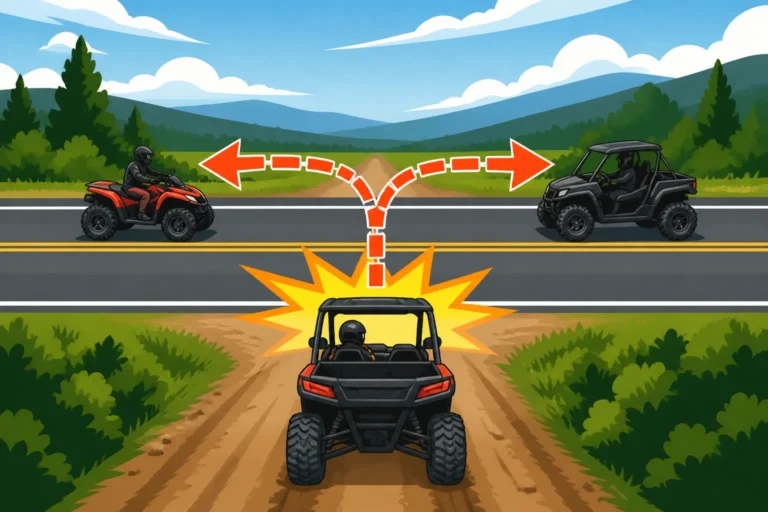
SR 63, a state route that cuts through parts of the prime riding country in East Tennessee, is a notorious example of where road legality for ATVs and UTVs becomes particularly nuanced. For many riders, approaching SR 63 can be like hitting a brick wall in their planned route, forcing an unexpected U-turn.
The General Restriction on SR 63
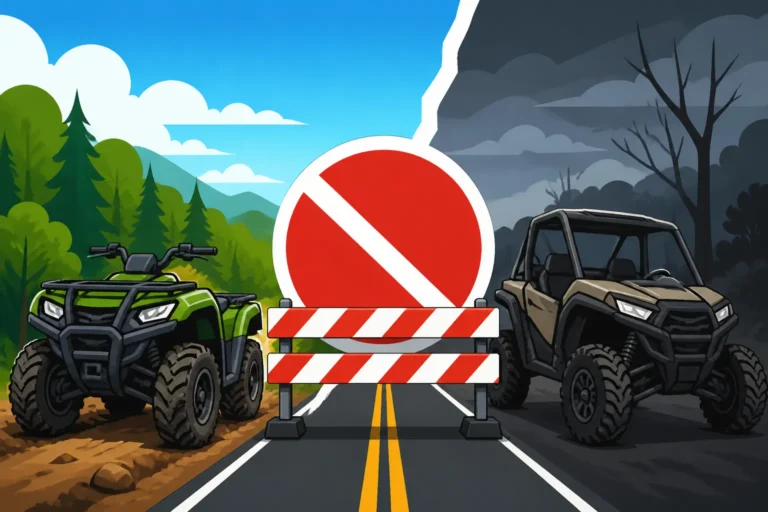
Generally speaking, State Route 63, like most Tennessee state highways, is not open for routine ATV or UTV travel. These machines simply do not meet the legal requirements to operate on a state highway for extended travel. This is a critical point that many riders, especially those new to the area or passing through, often misunderstand. The state has different classifications and requirements for vehicles allowed on its primary road network, and most standard ATVs and UTVs fall outside those parameters. You might see signs indicating that OHV use is prohibited, or simply no signs explicitly allowing it, which, under Tennessee law, defaults to a prohibition.
The rationale behind this restriction is multifaceted. State routes are often busier, have higher speed limits, and are designed for conventional vehicles. Introducing slower-moving or less road-worthy OHVs can create significant safety hazards for both the OHV operators and other motorists. Furthermore, OHVs typically lack certain features like advanced crumple zones, extensive lighting, or specific braking systems required for sustained highway use. Even a well-equipped UTV with aftermarket accessories from a brand like SuperATV, while making the machine more capable off-road, might not bridge the gap to full state highway legality. It’s a matter of legal classification and safety standards, not just how rugged your machine looks.
The Exceptions: Two Open Weekends a Year
Here's where the nuance really kicks in and why the title "Turning Back at SR 63" isn't always absolute. In a specific and highly localized exception, parts of SR 63 in Scott County are designated for OHV use for two specific weekends out of the year. These weekends are usually tied to major riding events or festivals in the region, drawing thousands of enthusiasts to the area. For these brief periods, the section of SR 63 becomes a lifeline, connecting various trailheads and allowing riders to access different areas without having to trailer their machines. Details on [SR 63's Two Open Weekends a Year] are usually announced well in advance by local authorities and event organizers.
However, it's absolutely vital to understand that these are exceptions, not the rule. Outside of these designated weekends, SR 63 reverts to its normal restricted status for OHVs. Showing up on a random Tuesday hoping to ride SR 63 because you heard it was "open sometimes" will lead to a conversation with a deputy and likely a citation. Riders need to diligently check the dates and specific sections of the road that are open. This isn't a "wink and a nod" situation; it's a strict legal designation for a limited time. Plan your trip around these dates if traversing SR 63 is essential to your riding plans.
What to Do When SR 63 is Closed to OHVs
So, you've arrived, and it's not one of the two magical weekends, or you're on a section of SR 63 that's never open. What's your next move? The immediate answer is: do not proceed on SR 63 with your OHV. This is the "Turning Back at SR 63" scenario. Attempting to circumvent the rules can result in significant fines and potentially having your machine impounded. Instead, you have a few options:
- Re-route: This is the most common solution. Many riding areas have alternative county roads or designated OHV routes that can bypass state highways. While it might add a few miles or require navigating some less-traveled paths, it's the legal and safe option. This often means consulting a detailed trail map or a GPS app that specifically shows OHV-legal roads.
- Trailer Up: If your destination is just across a restricted section of SR 63 and no reasonable alternative route exists, trailering your machine for that short distance is your safest bet. It's inconvenient, but it ensures compliance and avoids any legal trouble. Many staging areas and campgrounds are set up to accommodate trailers, so this is a viable option for a short hop.
- Consult Local Resources: Before you even hit the road, always check with local county clerks' offices, park offices, or reputable local riding groups. They often have the most up-to-date information on road designations and closures. This proactive approach can prevent you from needing to turn back in the first place. You can also refer to the local restricted road lists, which are often published by counties.
Equipment and Driver Requirements for Tennessee Road Use
Even on designated county roads, merely having an ATV or UTV isn't enough. Tennessee has specific requirements for both the vehicle and the operator to ensure safety and compliance. These aren't optional; they're critical components of legal road use.
Essential Safety Gear and Vehicle Modifications
For an OHV to be legally operated on any designated Tennessee road, it must be equipped with certain safety features. These typically include:
- Headlights and Taillights: Operational headlights are required, and taillights (at least one) must be visible from 500 feet to the rear. This is crucial for visibility, especially during dawn or dusk.
- Brake Lights: A working brake light is non-negotiable for signaling stops to other traffic.
- Rearview Mirror: At least one rearview mirror is usually required, allowing the operator to see traffic approaching from behind. Many riders add side mirrors for improved visibility.
- Horn: A functional horn is necessary for alerting pedestrians or other vehicles.
- Muffler and Spark Arrestor: Your machine must have an adequate muffler to limit noise and a U.S. Forest Service-approved spark arrester to prevent wildfires, particularly important in dry conditions.
- Brakes: Fully functional braking systems on all wheels are a given for any road operation.
- Tires: Tires must be in good condition, suitable for road use, and not excessively worn or damaged.
- Visibility: While not always a strict legal requirement for all road use, enhancing your vehicle's visibility with flags or bright colors is always a smart move, especially if you're riding a road [Riding a Road Posted 45 mph or Under] where you might be slower than other traffic. Many riders invest in aftermarket lights or even full street-legal kits, often from companies like SuperATV, to ensure their machines meet these various requirements and are more visible.
It's important to remember that these are minimums. Investing in additional safety features, like turn signals, hazard lights, or a safety cage, particularly for UTVs, can further enhance your safety and reduce the risk of incidents. Always consult [Tennessee Equipment Rules for Road Use] for the most current and detailed list.
Age, License, and Insurance Rules
Operating an OHV on a designated public road in Tennessee isn't like riding on private land where age and licensing might be less stringent. The state imposes clear requirements:
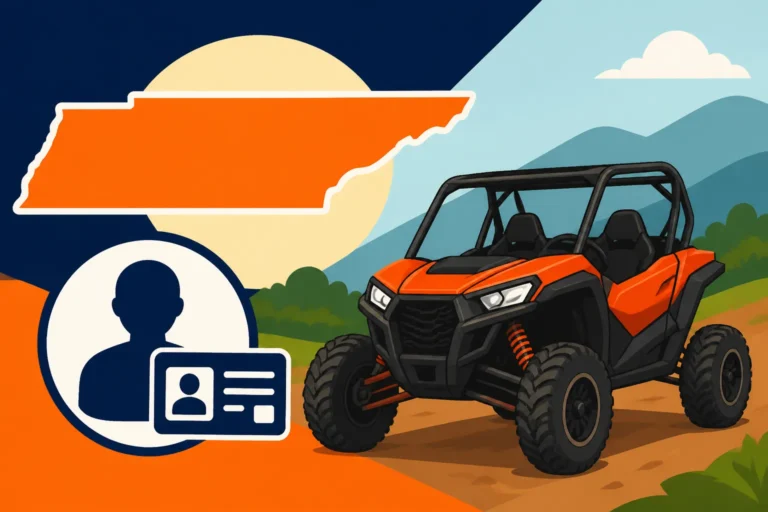
- Age: The operator must be at least 16 years old. This aligns with standard driver's license age requirements, recognizing the increased responsibility of sharing public roads with other vehicles.
- Driver's License: An operator must possess a valid driver's license. This means a standard Class D driver's license, not just an OHV safety certificate. This requirement ensures that the operator has passed the basic tests for safe vehicle operation.
- Insurance: This is a big one. Any OHV being operated on a public road must have liability insurance. This is the same insurance requirement that applies to cars and trucks. The specifics of [Tennessee UTV Insurance Requirement] vary, but generally, it needs to meet the state's minimum coverage levels. Always carry proof of insurance with you when riding on public roads, as law enforcement can and will ask for it.
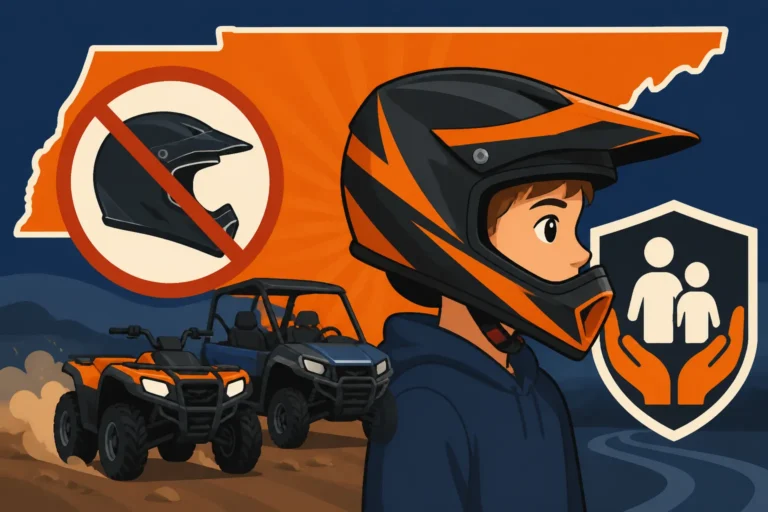
- Helmet Law: For operators and passengers under the age of 18, wearing an approved helmet is mandatory, both on and off-road. However, if you are riding on a designated public road, [Tennessee Helmet Rules for Operator and Passengers] mandate helmets for all operators and passengers, regardless of age. This mirrors motorcycle helmet laws, emphasizing the inherent risks of road-sharing.
Failing to meet any of these requirements can lead to fines, citations, and even impoundment of your vehicle. It's not worth the risk. Always ensure you and your passengers are properly licensed, insured, and geared up before heading onto any public road.
The Importance of a TDR Sticker
While the Tennessee Department of Safety typically handles driver licensing and enforcement, the Tennessee Department of Revenue (TDR) plays a crucial role in the legal existence of your OHV. Specifically, your OHV must have a title, and associated with that title is a special TDR sticker. This sticker is not a "registration" in the traditional sense, like a license plate for a car, but it serves as proof that your OHV has been properly titled in Tennessee. It essentially says, "this machine exists legally in the state's records." You can learn more about [Tennessee's TDR Sticker Explained] to understand its full implications.
While the TDR sticker doesn't itself make your machine street legal—that's determined by the road ordinances and vehicle equipment—it is a fundamental requirement for ownership and is often checked by law enforcement. It’s part of the overall legal framework. Think of it this way: your car needs a title and registration, but that doesn't mean it can legally drive anywhere, like on a pedestrian path. Similarly, your OHV needs a title and the accompanying [A Sticker That Proves a Tennessee Title Exists], and then it needs to meet the specific requirements for road use in designated areas. While [Does a Tennessee UTV Need a Plate for Roads?] is often asked, the TDR sticker is the closest thing to official state identification your OHV will typically have, aside from its VIN. Always ensure your TDR sticker is current and properly affixed to your machine.
Local Road Designations and Planning Your Ride
The decentralized nature of Tennessee's OHV road laws means that proactive planning is your best friend. Relying on assumptions or outdated information can quickly lead to trouble. Knowing how localities designate roads and where to find that information is key to a successful, legal ride.
How Localities Open or Restrict Roads
In Tennessee's Adventure Tourism Districts, county commissions have the authority to pass resolutions that open or restrict specific county roads to OHV use. This power is granted by the state but executed at the local level. Typically, this involves a public hearing process, where local residents and stakeholders can provide input. Roads often opened are unpaved county roads, connecting residences to small towns or existing trail systems. The criteria usually involve speed limits (often 45 mph or less), traffic volume, and road condition.
Once a resolution is passed, the county is responsible for clearly marking these roads with appropriate signage indicating that OHVs are permitted. Conversely, roads that remain closed to OHVs should also be clearly marked, or the absence of signage permitting OHVs should be taken as a 'no go'. This local control allows for flexibility to meet community needs, but it also necessitates that riders stay informed about the specific rules of the county they're in. This is why you might be able to ride legally on a gravel road in Scott County but not on a similar road just across the county line in a different jurisdiction that hasn't passed such an ordinance.
Checking Official Restricted Road Lists
Given the variability from county to county, the most reliable way to know which roads are open or closed is to consult official lists. Many counties that allow OHV road use publish these "restricted road lists" or "designated road lists" through their county clerk's office, sheriff's department, or sometimes on their county government websites. These lists are incredibly specific, often detailing road names and even segment boundaries where OHV use is allowed or forbidden. These lists are dynamic; they can be updated as local ordinances change, so what was open last year might be closed this year, or vice-versa.
For example, a county might specify that a certain road is open for OHV use only up to an intersection with a state route, at which point you must turn back. These lists are not always intuitively easy to find, but a quick call to the county clerk's office for the specific county you plan to ride in can usually point you in the right direction. Some of the major OHV parks and resorts in Tennessee also provide updated information on local road legality as a service to their customers, which can be a convenient resource when [Finding the Restricted Road List Your County Published].
Planning Your Route Around Known Restrictions
The best practice for any multi-day or multi-county OHV trip in Tennessee that involves road riding is thorough route planning. Don't just rely on GPS for cars, as it won't differentiate between OHV-legal and OHV-illegal roads. Use a combination of official county maps, designated trail maps from parks like Windrock or Brimstone, and the restricted road lists. Overlay these resources to identify your legal path.
Consider potential choke points, like SR 63, where you know you might need to turn back or find an alternative route. Plan these detours in advance. If you're riding with a group, ensure everyone understands the route and the specific rules for each section. Think about where you'll get fuel, food, and lodging, and verify that the roads leading to these points are accessible by OHV. A little preparation goes a long way in ensuring a smooth, legal, and enjoyable ride through the beautiful landscapes of Tennessee.
Disclaimer
This article is for general informational purposes only and does not constitute professional advice. Laws, prices and regulations vary by location and change over time. Consult a qualified professional for guidance on your specific situation.