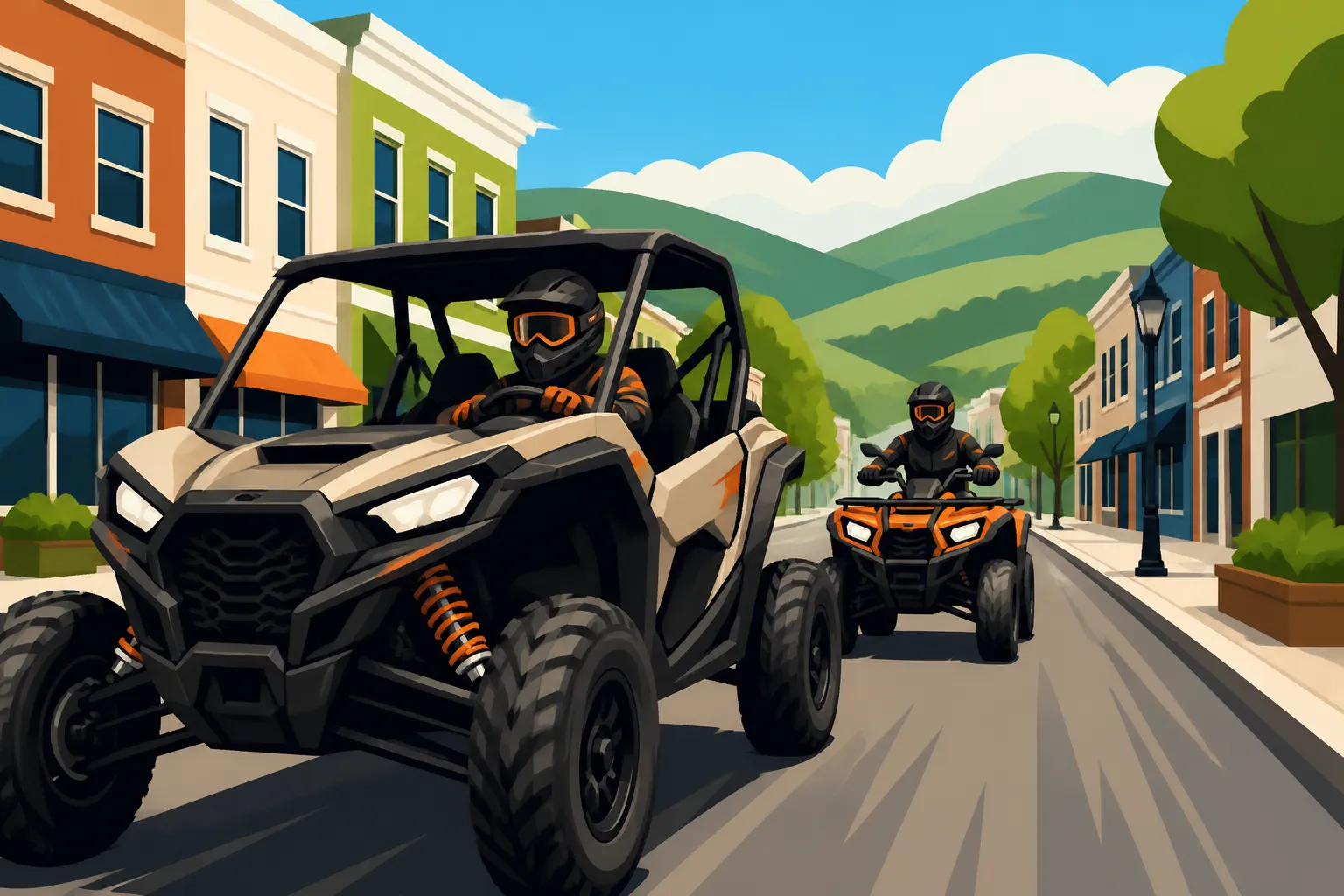
Riding Main Street in Huntsville
There's nothing quite like the dream of rolling your ATV or UTV right out of camp or your lodging, heading into town, and grabbing a bite or supplies, especially when you're in a prime riding area like Huntsville, Tennessee. But if you've ever tried to figure out the exact rules for riding your machine on Main Street in Huntsville, you've likely hit a wall of confusion, conflicting information, and a general sense of "can I, or can't I?" This guide is here to clear up that confusion, diving deep into Tennessee's specific laws for street-legal OHV use, focusing on what you need to know to safely and legally navigate the roads in places like Huntsville.
The Shifting Sands of Tennessee's OHV Road Laws
For years, figuring out where you could and couldn't ride your ATV or UTV on public roads in Tennessee was a bit of a patchwork quilt, with rules varying wildly from county to county, and even town to town. It was frustrating, to say the least, making it hard for riders to plan trips without fear of inadvertently breaking a law. Thankfully, Tennessee has made strides to create a more unified approach, especially in areas that thrive on adventure tourism. But even with these changes, it's not as simple as just throwing a license plate on your side-by-side and hitting the pavement everywhere.
Understanding the Adventure Tourism District Designation
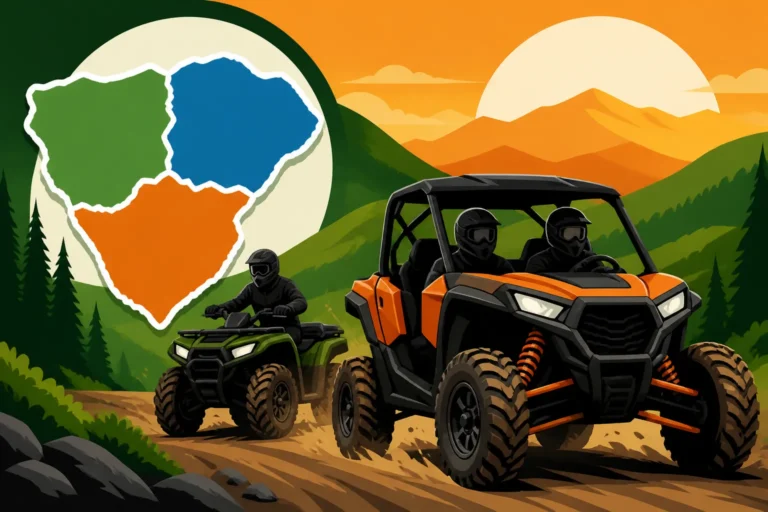
One of the biggest game-changers for OHV enthusiasts in Tennessee has been the designation of "Adventure Tourism Districts." These districts were specifically created to allow local communities, particularly those with popular off-road trail systems, more flexibility in permitting OHV use on certain public roads. The goal? To boost tourism and make it easier for riders to access trails, gas stations, restaurants, and lodging without having to trailer their machines every time they move.
Huntsville, located in Scott County, is right in the heart of one of these critical districts. This designation acknowledges that OHV riding is a huge draw for the area, bringing in visitors who contribute significantly to the local economy. It means that local authorities in [Tennessee's Adventure Tourism Districts], like those in Scott County, have the power to designate specific roads for OHV use. This is a crucial distinction, as it moves away from a blanket prohibition and toward a more tailored approach for these unique areas. However, this flexibility isn't a free pass for every street. It's a carefully balanced act to integrate OHVs into the local traffic flow while maintaining safety for everyone. The beauty of it is that it allows towns like Huntsville to thoughtfully consider which roads make sense for OHV access, rather than being stuck with a one-size-fits-all state rule that might not fit their specific needs.
Huntsville's Specific Rules: Navigating Open and Closed Streets
While the Adventure Tourism District designation opens doors, it's still up to individual towns within those districts to pinpoint exactly which roads are open to OHVs. In Huntsville, this has meant careful consideration of local traffic patterns, safety concerns, and the needs of both residents and visitors.
Huntsville has designated what are affectionately known as [Huntsville's Open Streets]. These are specific local roads where, under certain conditions, you can legally operate your ATV or UTV. Typically, these open streets are designed to help riders connect to major trailheads, access local businesses, and navigate the town core. It's important to remember that "open" doesn't necessarily mean "anything goes." These roads often come with specific stipulations regarding hours of operation (usually daylight hours only, which we'll delve into later) and the type of machine permitted.
However, not all roads are created equal, even within an Adventure Tourism District. State highways, for instance, generally fall under different jurisdiction and regulations. For example, in Huntsville, you'll find that routes like [Why SR 63 and US 27 Stay Closed in Huntsville] are typically off-limits for general OHV use, except for specific designated crossings. This is a common point of confusion for riders, as they might see other local roads open and assume all roads are fair game. The state highways carry higher speed limits and greater traffic volumes, making OHV integration a much more complex safety issue that often requires specific legislative action or agreements with the Tennessee Department of Transportation (TDOT). Always pay close attention to signage and local advisories, because riding on a closed state highway, even for a short distance, can lead to a hefty fine and ruin your day. Local ordinances can also specify particular times or conditions for road use, so a quick check with the Scott County Clerk's office or the Huntsville Town Hall is always a good idea to ensure you have the most current information.
Essential Gear and Requirements for Street Use in Huntsville
So, you've identified the open streets in Huntsville – that's a huge first step! But before you crank the engine and head out, you need to make absolutely sure your machine, and you as the rider, meet all the necessary requirements for street legal operation. This isn't just about avoiding a ticket; it's about safety for yourself and everyone else on the road. Tennessee has specific mandates that transform an off-road beast into a more road-friendly vehicle.
What Your Machine Needs to Be Road-Ready
Converting your ATV or UTV for street legal use in Tennessee involves equipping it with several key features that are standard on regular automobiles. Think of it as giving your off-road machine a "road manners" makeover.
Here's what your machine generally needs:
- Headlights: Must be fully functional and properly aimed, providing adequate illumination for safe driving.
- Taillights: Essential for visibility from the rear, especially when stopping.
- Brake Lights: These are non-negotiable for signaling when you're slowing down or stopping.
- Turn Signals: You need to be able to clearly indicate your intentions to other drivers, whether you're turning left or right. Many riders find complete kits invaluable for this. Companies like SuperATV offer comprehensive street-legal kits that bundle all these lighting components, making the conversion process much smoother than sourcing individual parts.
- Mirrors: At least one rearview mirror is typically required, allowing you to see traffic approaching from behind. Many riders opt for two, one on each side, for enhanced safety and field of vision. Again, SuperATV is known for offering robust and durable mirror options that can withstand both trail and road conditions.
- Horn: A working horn is crucial for alerting other drivers or pedestrians to your presence in a potentially dangerous situation.
- Windshield: While not always explicitly required for every OHV class, a windshield greatly enhances safety and comfort, especially at road speeds. It protects against debris, wind, and insects.
- Tires: Your tires must be DOT-approved, meaning they are rated for highway use. Aggressive off-road knobbies might be fantastic in the mud, but they can be unstable and wear quickly on pavement.
It's also vital to remember the speed limit. Tennessee law stipulates that your OHV must be capable of traveling at least 25 mph but cannot exceed 45 mph on designated roads. If your machine is designed for higher speeds, you need to ensure you operate it safely within the 45 mph limit. If it's too slow, meaning it can't maintain at least 25 mph, it might not be permitted for general road use. The [Tennessee Equipment Rules for Road Use] are quite explicit about what your machine needs to have to be considered safe and legal for shared roadways. Failing to meet even one of these requirements can lead to a roadside stop and potential citations, cutting your riding adventure short. Always double-check your machine's setup before you head out.
Rider and Passenger Requirements
Beyond the machine itself, the human element also comes with rules and responsibilities. Tennessee has clear guidelines for who can operate an OHV on public roads and what safety gear they need.
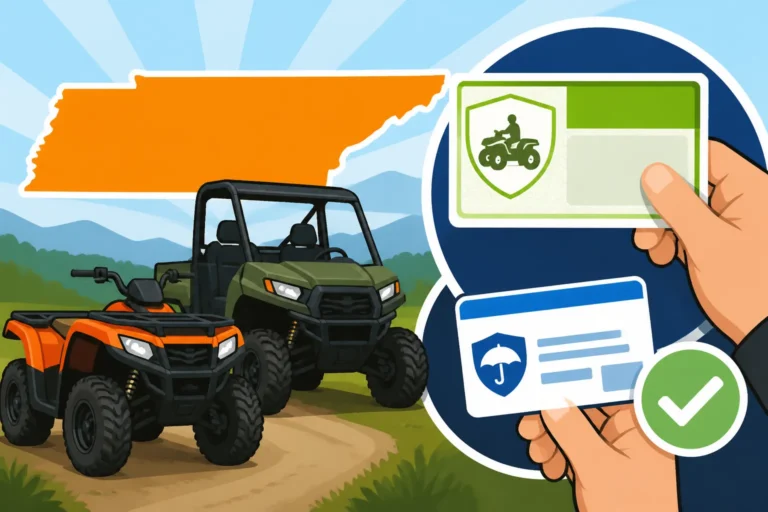
First and foremost, you must have a valid driver's license. This isn't an optional accessory; it's a fundamental requirement. Operating any motor vehicle on a public road, including a designated OHV route, requires a properly licensed driver. The state takes this seriously, and a quick stop by a deputy will confirm whether you're legal to drive. You'll want to review [Tennessee Driver's License Rules for UTVs] to make sure you're fully compliant.
When it comes to helmets, the rules can sometimes feel a bit layered. Generally, all operators and passengers under the age of 18 are required to wear a helmet while riding an OHV on a public road in Tennessee. This is a non-negotiable safety measure designed to protect younger riders. Even for those over 18, while not always mandated, wearing a helmet is highly recommended. The terrains you ride to get to or from Huntsville can be challenging, and accidents can happen anywhere. Investing in a good quality, DOT-approved helmet is always a wise decision. You can find more detailed information on specific age and helmet requirements by looking into [Tennessee Helmet Law for ATV Riders].
Another critical, though often overlooked, requirement is insurance. Just like with any other motor vehicle, if you're operating your OHV on public roads in Tennessee, you are typically required to have liability insurance. This protects you and others in the event of an accident. It's a small but significant cost that can save you a world of trouble if something goes wrong. Always carry proof of insurance with you, as it's one of the first things a law enforcement officer will ask for during a stop. Make sure your policy covers road use, as some off-road-only policies might not. For further clarity, refer to [Tennessee UTV Insurance Requirement].
Finally, always carry your vehicle's registration or title information, proof of insurance, and your driver's license. Having everything readily accessible will make any interaction with law enforcement smooth and quick, allowing you to get back to enjoying your ride.
| Requirement Category | Machine Requirement | Rider/Passenger Requirement |
|---|---|---|
| Visibility | Headlights, Taillights, Brake Lights | |
| Signaling | Turn Signals, Horn | |
| Awareness | Rearview Mirror(s) | |
| Protection | Windshield (recommended) | Helmet (under 18, recommended for all) |
| Legality | DOT-approved Tires, Proper Titling | Valid Driver's License, Insurance |
| Speed | Capable of 25 mph, max 45 mph | Adhere to Speed Limits |
Navigating Huntsville: Practical Tips and Important Restrictions
Once your machine is properly outfitted and you're good to go as a rider, the next step is to understand the nuances of how to ride in Huntsville. It's not just about knowing where you can ride, but also when and under what conditions. Respecting these guidelines ensures a safe and enjoyable experience for everyone and helps maintain the privilege of road access for OHV riders in Adventure Tourism Districts.
Permitted Riding Hours and No-Go Zones
One of the most common restrictions you'll encounter on designated OHV roads, including [Riding Main Street in Huntsville], is the limitation on operating hours. In most cases, OHV use on public roads in Tennessee's Adventure Tourism Districts is restricted to daylight hours only. This means from sunrise to sunset. While your machine might have excellent headlights (perhaps upgraded with some powerful LED lights from SuperATV for better visibility on the trails), the intent of this rule is about overall safety and visibility in mixed traffic conditions. Operating an OHV after dark on these roads can lead to a citation. It's not just about your visibility, but also about how well other motorists can see you, and how well you can navigate unfamiliar town streets in low light. For precise details on this, you'll want to check [Tennessee Rules for Riding After Dark].
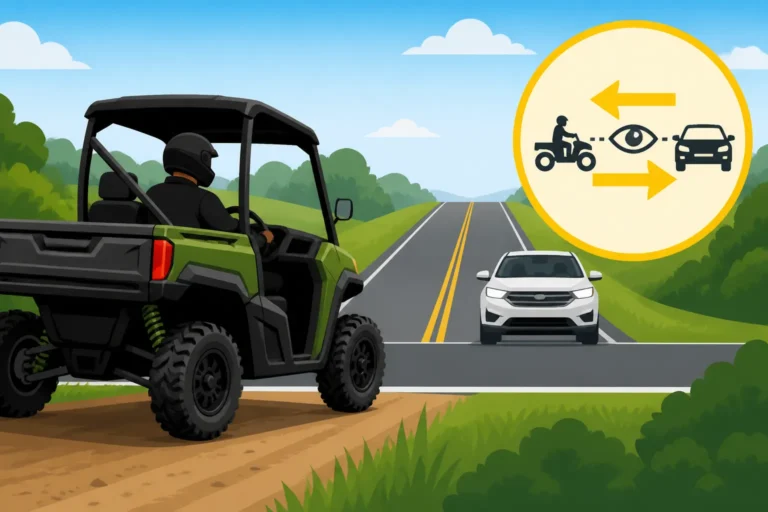
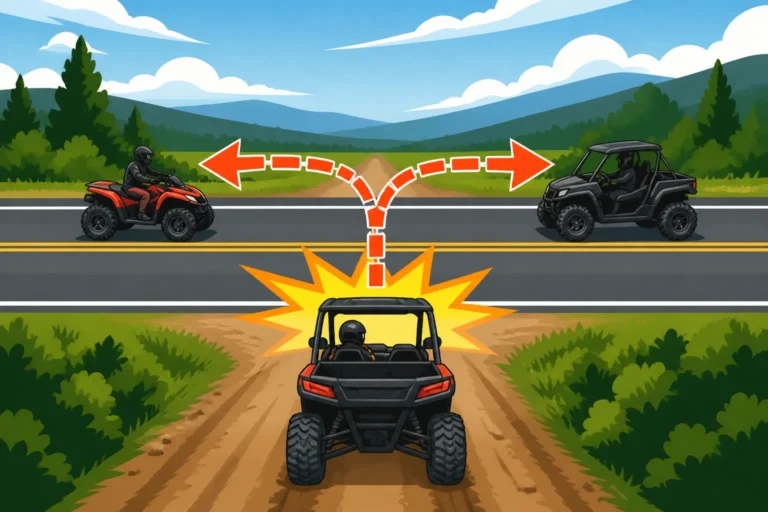
Beyond the hours, it's crucial to reinforce the concept of "no-go zones." As mentioned, state highways like SR 63 and US 27 are generally off-limits, with the exception of specifically designated crossings. You might be allowed to cross a state highway at a 90-degree angle at an intersection if permitted, but you cannot typically ride along it. Interstates are an absolute no-go for OHVs. Furthermore, even within Huntsville's designated open streets, there might be specific areas, such as school zones during pick-up/drop-off times, or certain residential areas, where local ordinances might impose additional restrictions or temporary closures for special events. Always be on the lookout for local signage, which is your best friend in navigating these nuances. Many towns publish lists of their designated roads, and consulting these, often available at the county clerk's office or town hall, is a smart move. [Restricted Road Lists Published in October 2025] are exactly the kind of resources you need to find.
Understanding Fines and Enforcement
Nobody wants their fun cut short by a law enforcement interaction, especially when it comes to fines. Ignorance of the law is generally not considered an excuse, so understanding the potential consequences of non-compliance is essential.
If you are caught operating an OHV on a public road in Tennessee in violation of the regulations, you could face a $50 fine. While $50 might not seem like a huge amount, it's a minor penalty compared to the potential for other charges or even more significant consequences. Furthermore, many violations are classified as a [A Class C Misdemeanor in Tennessee]. This means it's not just a simple traffic ticket; it goes on your record as a misdemeanor offense. A misdemeanor can have longer-term implications, depending on the severity and frequency, and is certainly something you want to avoid. You can explore [Tennessee Fines for Illegal UTV Road Use] for a more comprehensive understanding.
Local law enforcement, including deputies in Scott County and state troopers, are responsible for enforcing these laws. They are generally well-versed in the specifics of the Adventure Tourism District rules and will be on the lookout for non-compliant machines or riders. Their primary concern is public safety, and OHVs operating outside the established framework can pose risks to themselves and others. It's always best to be overly cautious and ensure you're in full compliance rather than risking a run-in with the law. This also includes respecting private property. Just because a road might be open doesn't give you the right to venture onto adjacent private land without explicit permission. Respecting the local community and property owners is paramount to maintaining good relations between riders and residents.
Planning Your Huntsville OHV Adventure
Alright, you've got your machine kitted out, you know the basic rules, and you're ready to explore. Planning your adventure in Huntsville, especially when it involves street use, requires a bit of foresight and local intel. The beauty of places like Huntsville is their direct connection to massive trail systems, but bridging that gap between the trails and town requires strategic thinking.
Why a Local Check-In is Crucial
The laws surrounding OHV road use, even within an Adventure Tourism District, can be dynamic. Local ordinances can change, new roads might be designated, or temporary restrictions could be put in place due to construction or special events. Relying solely on information you found online a year ago might leave you out of date.
Before you load up your rig and head to Huntsville, it's always a phenomenal idea to make a quick call or visit the local county clerk's office or the Huntsville Town Hall. They are the keepers of the most current, hyper-local information regarding specific road designations and any temporary rules. Often, they can direct you to official maps or lists that clearly outline the permitted streets. This small step can save you a lot of grief and ensure you have the most accurate information straight from the source. They might even have handy brochures or flyers specifically for OHV riders visiting the area. This is also where you'd typically find those [Finding the Restricted Road List Your County Published]. Remember, the goal is to be a responsible rider, and part of that is doing your due diligence.
Connecting to Trails from Town
One of the biggest advantages of Huntsville's designated open streets is the ability to directly connect to vast trail networks like the renowned [Brimstone Recreation at Huntsville, Tennessee]. Imagine riding your UTV, perhaps outfitted with a lift kit and heavy-duty axles from SuperATV for those tough trails, directly from your cabin into town for breakfast, and then seamlessly onto the trail system without ever needing to trailer up. This is the dream for many riders, and Huntsville makes it a reality on its designated streets.
When planning, look at maps that show both the town's designated roads and the trail system. Many riders will use these "open streets" as access corridors to get from their lodging or local businesses to a trailhead. For example, you might ride Main Street to grab some supplies, then turn onto a designated connector road that leads directly to a Brimstone staging area or an access point. This integrated approach enhances the overall riding experience, making your trip more convenient and immersive. Some riders even base their trip around specific businesses in Huntsville that are known to be OHV-friendly, offering parking for trailers and easy access to the designated roads. It's all about maximizing your saddle time and minimizing your time spent hauling. This seamless integration of town and trail is precisely what makes places like Huntsville so attractive to OHV enthusiasts.
Disclaimer
This article is for general informational purposes only and does not constitute professional advice. Laws, prices and regulations vary by location and change over time. Consult a qualified professional for guidance on your specific situation.