Crossing a Two-Lane Road in Scott County
Riders in Scott County often face a common dilemma: how do you get from one fantastic trail system to another, or simply grab a quick bite to eat, when a paved two-lane road stands in your way? It's a question that brings up a lot of anxiety and confusion, especially with the ever-evolving landscape of Tennessee's OHV laws. Trying to decipher what's permissible for a quick dash across a road versus what's outright illegal for continuous road use can feel like navigating a legal labyrinth. This comprehensive guide is here to untangle that confusion, providing you with clear, actionable information on how to legally and safely execute a two-lane road crossing in Scott County with your ATV or UTV. We’ll delve into the state regulations, Scott County's unique position, and the practical steps you need to take to keep your ride compliant and safe.
Understanding Tennessee's Rules for OHV Road Interactions
Tennessee's approach to off-highway vehicle (OHV) use on public roads has always been a bit complex, often leaving riders scratching their heads. For the most part, the state has traditionally kept ATVs and UTVs off paved public thoroughfares. However, the realities of connecting vast trail networks, especially in prime riding areas like Scott County, necessitate certain allowances. It's crucial to understand that these allowances are generally very specific, focusing on crossing rather than traveling on a road for any significant distance.
The General Prohibition and Its Specific Carve-Outs
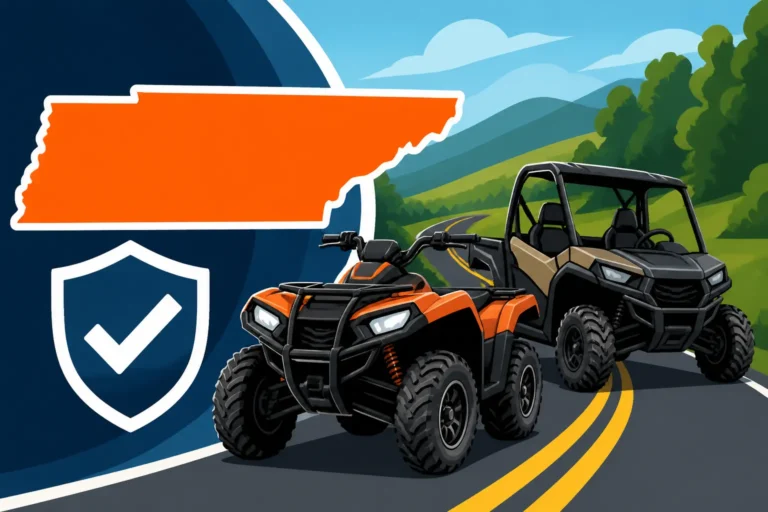
The baseline rule in Tennessee is that ATVs and UTVs are not considered street-legal vehicles in the same way a car or motorcycle is. This means you generally can't just hop on your machine and cruise down the highway to your destination. The state aims to keep these machines, designed for off-road environments, primarily off the blacktop. This isn't just about speed limits or vehicle registration; it's about the fundamental design and safety features that differentiate an OHV from a road-worthy vehicle. While specific regulations like [Tennessee's 45 mph Road Rule] do exist for certain categories of vehicles, your typical ATV or UTV doesn't fall into the "street legal" camp by default.
However, the law does recognize that riders might need to move between trails or access services. This is where the concept of a "crossing" comes into play. A crossing is explicitly defined as a quick, direct traverse from one side of a road to the other, usually at a ninety-degree angle, to minimize exposure to traffic. It’s not meant for you to ride a mile down the road before making your ninety-degree turn, nor is it intended for you to travel parallel to the road for any distance. The legislative intent behind these carve-outs is to facilitate access to designated riding areas without encouraging widespread OHV road use. It's a delicate balance designed to support the vibrant OHV recreation industry while maintaining public road safety.
Scott County's Place in Adventure Tourism Districts
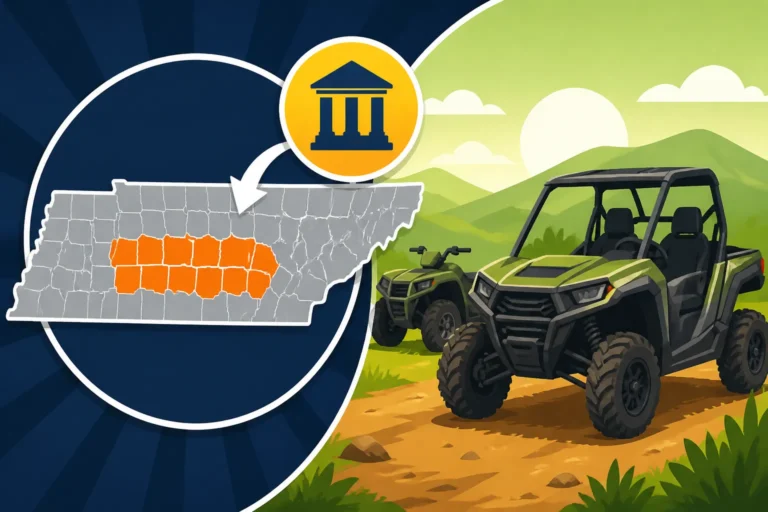
Scott County holds a special designation within Tennessee, being one of the counties included in an "Adventure Tourism District." This classification, brought about by legislative efforts like [What House Bill 810 Changed in 2025], aims to foster tourism and economic development in areas rich with outdoor recreational opportunities. For OHV riders, this can sometimes lead to additional confusion, as these districts can have unique local ordinances or designated road systems that allow for more extensive OHV use. However, it's vital to distinguish between a county potentially opening up specific roads for OHV travel and the general state law governing road crossings.
Even within an Adventure Tourism District like Scott County, the statewide rules for crossing a two-lane road still apply. While some counties in these districts, particularly those mentioned in the statute such as [Scott, Anderson and Campbell Counties], might have passed resolutions to open certain county roads, this usually pertains to designated roads or specific areas, not a blanket allowance for all public roads. For a simple two-lane crossing, you're primarily operating under the state's ninety-degree rule, not necessarily any broader local road-use ordinance. Always check with the local county clerk or sheriff's department for any specific Scott County resolutions that might impact your particular route, but assume the ninety-degree crossing rule is your primary guideline for a quick traverse. It’s about being informed and not making assumptions that could lead to a citation or, worse, an accident.
Executing a Legal Two-Lane Road Crossing
When you're out riding in Scott County and encounter a paved two-lane road you need to cross, understanding the precise legal requirements and safety protocols is paramount. It’s not just about getting to the other side; it’s about doing it correctly and without incident. Tennessee law is quite specific about how these crossings must be performed, emphasizing both speed and directness to minimize risk.
The Ninety-Degree Rule: What It Means in Practice
The cornerstone of legal OHV road crossings in Tennessee is the "ninety-degree rule." This isn't a suggestion; it's a legal mandate. It means your machine must approach the road at a perpendicular angle, cross directly to the other side, and then immediately return to an off-road surface. You cannot ride down the shoulder, turn and then cross, or travel parallel to the road for any distance before or after your crossing. The intent is clear: minimize the time your OHV spends on the paved surface and reduce its interaction with vehicular traffic. Think of it as drawing the shortest possible line across the road.
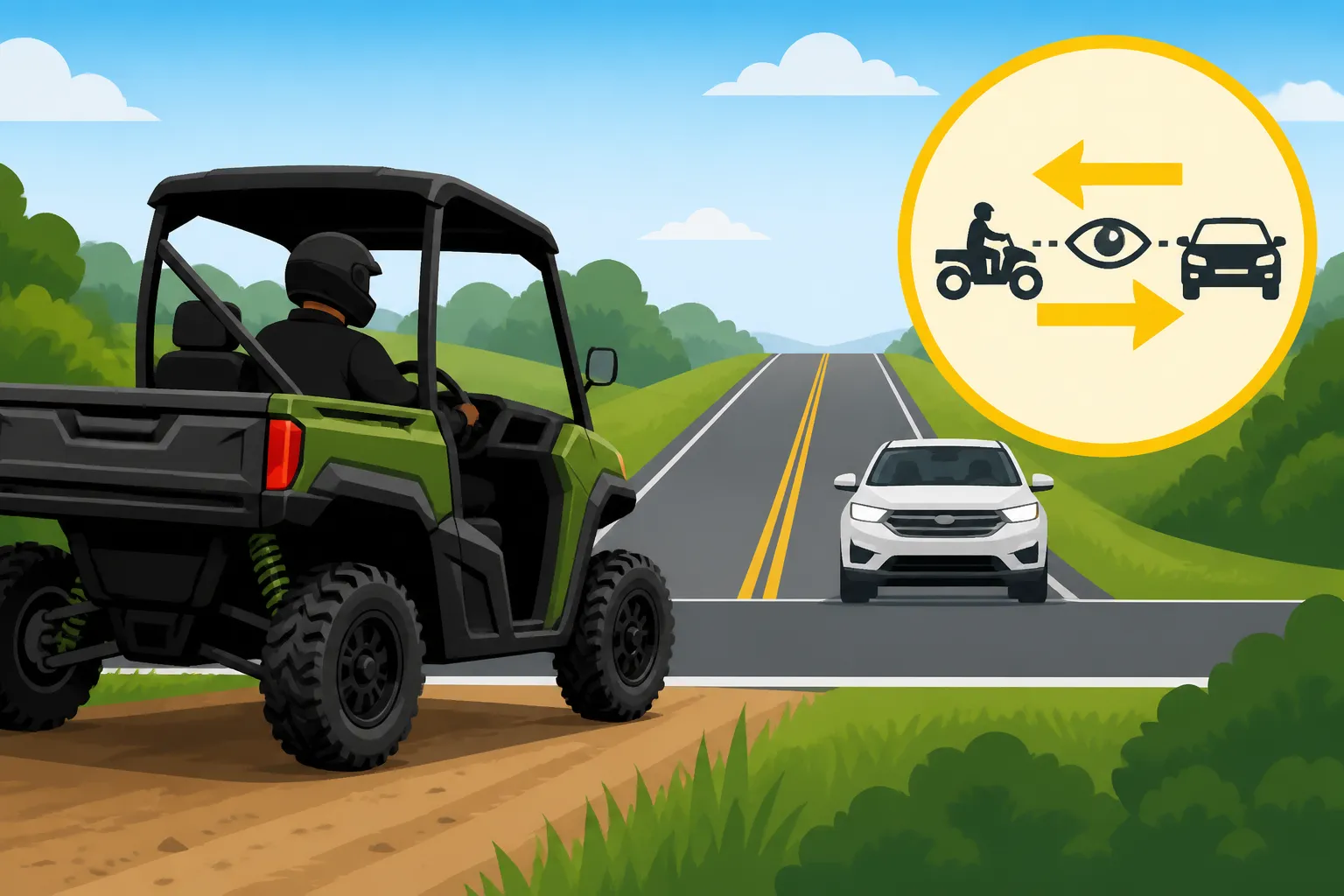
Let's imagine you're on a trail that abruptly ends at Buffalo Creek Road, a common two-lane stretch in Scott County, and another trail picks up directly across the asphalt. You would approach the edge of Buffalo Creek Road, stop, assess traffic in both directions, and then, when it's safe, proceed straight across, perpendicular to the flow of traffic, to the opposite trail entrance. This isn't the time for a leisurely crawl or a diagonal approach. It needs to be a swift, decisive movement. This rule is specifically designed to manage the unique handling characteristics of OHVs, which aren't built for prolonged road travel, and to enhance safety for everyone on the road. Remember, the road is simply a brief obstacle to be traversed, not a part of your recreational route.
Safety Protocols for Quick and Safe Crossings
Beyond the legal requirement, practical safety considerations are non-negotiable when [Crossing a Two-Lane at Ninety Degrees in Tennessee]. Your visibility, your machine's condition, and your awareness are critical factors in preventing accidents. Even a brief moment on a public road demands full attention and preparedness.
First and foremost, visibility is key. Before even thinking about crossing, ensure your headlights and taillights are functional and on, even during daylight hours. Consider adding additional lighting, especially if you have a larger UTV that might be less visible to oncoming traffic. Some riders opt for brighter LED light bars or auxiliary lights from brands like SuperATV to ensure they are seen clearly. Eye contact with any approaching drivers, if possible, can also be a life-saver, indicating that you see them and intend to cross.
Next, traffic assessment is crucial. Come to a complete stop at the edge of the road, look left, right, then left again. Pay attention to blind spots, curves in the road, and any driveways or side roads that might obscure other vehicles. Don't assume that because you see an opening, it will remain clear. Factors like vehicle speed, weather conditions, and even glare from the sun can drastically affect how quickly an approaching vehicle reaches your crossing point. If there’s any doubt, wait. It’s always better to be patient than to rush a crossing and put yourself or others at risk. Teach any passengers, especially younger ones, the importance of this careful observation as well.
Finally, machine readiness and rider awareness. Ensure your brakes are in perfect working order, and your tires are appropriately inflated for the terrain you're about to cross (though often, you're looking for a good all-around pressure for mixed riding). Be prepared to accelerate smoothly but quickly across the pavement. Avoid sudden jerky movements that could cause your machine to lose traction or become unstable on the harder surface. Your helmet should be securely fastened, and all safety gear worn correctly. This momentary interaction with a paved road, no matter how brief, demands the same, if not more, caution than navigating a technical trail.
Essential Equipment and Pre-Ride Checks for Road Interactions
Even for a momentary crossing, your ATV or UTV needs to be equipped to interact safely with public roads. This isn't about making your machine fully street-legal for continuous travel, but rather ensuring it has the basic functionalities to be visible and predictable to other drivers during that brief traverse. Ignoring these elements can lead to dangerous situations and potential legal trouble.
Mandatory and Recommended Equipment for Crossings
While Tennessee doesn't require a full suite of street-legal modifications for a simple ninety-degree crossing, certain items are absolutely essential for safety and compliance. Think of these as the minimum requirements to make your machine a polite and visible guest on the road, even if only for a few seconds.
At the very least, your machine must have functional headlights and taillights. These should be operational and turned on before you even approach the edge of the road, regardless of the time of day. Visibility is paramount, and bright, working lights dramatically increase your chances of being seen by oncoming traffic. Many modern ATVs and UTVs come with adequate lighting, but if your machine has older or dim lights, consider upgrading to brighter LED options. You might also want to ensure you have functioning brake lights, as these communicate your intentions to any traffic behind you, even if you're stopping at the edge of the road.
Beyond lights, a horn is highly recommended. It’s a simple, effective way to alert distracted drivers to your presence if they haven't seen you. While not always mandated for a brief crossing, a horn can be an invaluable safety device. Many aftermarket companies, including SuperATV, offer universal horn kits that are relatively easy to install on most OHVs. Additionally, rearview mirrors are critical. While some off-road machines don't come standard with them, having at least one, if not two, allows you to monitor traffic approaching from behind without having to turn your entire body. This helps you maintain focus on the road ahead and the immediate crossing path. While not always enforced for short crossings, these are crucial components for general awareness on any public surface. Carrying a small, brightly colored flag mounted on a whip can also significantly increase your visibility, particularly in hilly or curvy areas of Scott County where sight lines might be limited. For a deeper dive into what is expected, you can look into [Tennessee Equipment Rules for Road Use], which outlines general requirements for vehicles on public roads.
Pre-Ride Checks and Rider Readiness
Before you even leave your staging area or campsite in Scott County, a thorough pre-ride check, especially if you anticipate any road crossings, is crucial. This isn't just about your machine; it's also about your own mental and physical readiness. A well-maintained machine and an alert rider are the best defenses against accidents.
Start with your machine's basic mechanics:
- Tires: Check tire pressure and ensure there are no visible cuts or damage. Proper inflation is vital for stable handling on pavement.
- Brakes: Test both front and rear brakes to ensure they are responsive and effective. You'll need reliable braking to stop safely at the road edge.
- Fluids: Check engine oil, coolant, and brake fluid levels.
- Lights: As mentioned, verify all lights (headlights, taillights, brake lights) are clean and working.
- Steering: Wiggle the handlebars or steering wheel. Is there excessive play? Does it feel responsive?
Beyond the machine, rider readiness is equally important.
- Gear: Always wear appropriate personal protective equipment (PPE), including a DOT-approved helmet, eye protection, gloves, long pants, and sturdy footwear. Even for a short crossing, this gear provides crucial protection. [Tennessee Helmet Law for ATV Riders] applies broadly to road interactions.
- Awareness: Are you fatigued, distracted, or under the influence? Riding an OHV, especially on or near public roads, requires your full attention. Alcohol or drug impairment is not only illegal but extremely dangerous. [Tennessee DUI Rules for ATV Riders] are serious and apply to any motorized vehicle.
- Licensing: If you plan to operate any machine on a public road, even for a crossing, ensure you have a valid driver's license. [Tennessee Driver's License Rules for UTVs] specify minimum age and license requirements for road operation, which can extend to crossing scenarios.
Developing a routine for these checks before every ride, or at least before any ride that involves road crossings, will become second nature and significantly enhance your safety.
Navigating Local Regulations and Planning Your Route
Riding in an area as popular as Scott County, with its extensive trail systems and scattered communities, means you'll often encounter a blend of state laws and local ordinances. While the state's ninety-degree crossing rule is generally universal, knowing how Scott County specifically approaches OHV use on its roads can help you plan your routes more effectively and avoid unnecessary issues.
Local Law Enforcement Expectations and Interactions
Law enforcement in Scott County, whether it's the local sheriff's department or Tennessee Highway Patrol, is primarily concerned with public safety. This means they expect riders to adhere strictly to the rules, especially when interacting with paved roads. Officers are trained to spot violations and ensure that OHVs are not being used illegally on public thoroughfares. If you are stopped while making a crossing, the deputy will likely be checking for a few key things, much like what [A Deputy at a Tennessee Roadside Stop] would look for:
- Proper Crossing Technique: Were you crossing at a ninety-degree angle? Did you stop and yield to traffic? Or did you appear to be traveling on the road?
- Rider Age and Licensing: Do you have a valid driver's license? If you're a younger rider, are you of legal age to operate the machine for a road crossing?
- Basic Equipment: Are your lights working? Do you have mirrors or other safety equipment that makes your machine visible?
- Permits: While not directly related to road legality, officers in Scott County will likely expect you to have the necessary permits for the surrounding trail systems, such as those for Brimstone or Windrock. [Tennessee Trail Permits Explained] details the different permits required for various riding areas.
- Sober Operation: Any suspicion of impaired driving will lead to a full investigation under [Tennessee DUI Rules for ATV Riders].
Your interaction with law enforcement should always be respectful and cooperative. Have your license, any necessary permits, and proof of ownership readily available. Explain your intention for crossing directly, if asked, and demonstrate your understanding of the rules. By being prepared and compliant, you minimize the chance of a negative encounter.
Planning Your Route for Legal Crossings in Scott County
Effective route planning is your best tool for minimizing risk and staying legal while riding in Scott County. It's about more than just finding the most exciting trails; it's about strategically navigating the landscape, including those pesky two-lane roads.
Before you even load your machine, take the time to study maps of the area. Many trail systems, like Brimstone Recreation or Windrock Park, provide maps that clearly show road crossings and designated trail connectors. Look for routes that minimize road exposure and utilize established crossing points. The goal is to identify points where trails on either side of a road align, making a ninety-degree crossing natural and obvious.
Consider carrying a GPS device or using a reliable mapping app on your phone. Even in areas with limited cell service, many apps allow for offline map downloads. Mark potential crossing points on your map during your planning phase. This foresight prevents you from suddenly encountering a road and having to make an impulsive, potentially illegal, decision. You might find that some areas have specific signs or markers indicating a permitted crossing point, especially in or near communities that are more OHV-friendly. It’s always a good idea to consult the [Finding the Restricted Road List Your County Published] for Scott County if one exists, to understand any specific roads that might have unique allowances or restrictions.
Think about the flow of traffic on the roads you plan to cross. Are there peak times when traffic is heavier? Can you plan your ride to cross during quieter periods? For instance, crossing a main thoroughfare during rush hour is inherently more risky than crossing a less-trafficked county road on a weekday morning. Be aware of local events, like festivals or school dismissal times, that could temporarily increase traffic on certain roads. By being proactive in your planning, you can significantly enhance both your safety and your enjoyment of the incredible riding opportunities Scott County has to offer.
Summary of Road Crossing Guidelines for Scott County
Here’s a quick overview of the key considerations for legally and safely crossing a two-lane road in Scott County with your OHV:
| Guideline | Description | Importance |
|---|---|---|
| Ninety-Degree Rule | Always approach and cross the road at a perpendicular (90-degree) angle. Do not travel parallel to the road or ride on the shoulder. | Legal requirement, minimizes road exposure, enhances safety. |
| Stop and Yield | Come to a complete stop at the edge of the road, look both ways, and yield to all oncoming traffic. Only proceed when it is safe to do so. | Prevents collisions, ensures other vehicles have right-of-way. |
| Working Lights | Ensure your headlights and taillights are functional and turned on. Consider auxiliary lights for increased visibility. | Crucial for being seen by other drivers, especially in varying light conditions. |
| Mirrors & Horn | Recommended for monitoring traffic and alerting others. Many brands, like SuperATV, offer suitable aftermarket options. | Enhances situational awareness, provides a way to communicate with other vehicles. |
| Rider Readiness | Wear appropriate safety gear (helmet, eye protection, etc.). Ensure you have a valid driver's license for any road interaction. Remain alert and sober. | Protects the rider, complies with licensing laws, ensures responsible operation. |
| Route Planning | Study maps to identify clear, safe crossing points. Avoid unexpected road encounters by planning your ride beforehand. | Minimizes surprises, allows for strategic navigation, reduces risk of illegal maneuvers. |
| Local Awareness | Be aware of Scott County's specific road ordinances (if any) and local law enforcement expectations. While state law governs crossings, local context is always helpful. | Helps avoid citations, ensures smooth interactions with local authorities. |
By following these guidelines, you can responsibly enjoy the vast trail networks of Scott County, confidently navigating the necessary road crossings while prioritizing safety and legal compliance.
Disclaimer
This article is for general informational purposes only and does not constitute professional advice. Laws, prices and regulations vary by location and change over time. Consult a qualified professional for guidance on your specific situation.