Tennessee UTV Insurance Requirement
Navigating the world of UTV ownership in Tennessee can feel like a maze, especially when it comes to understanding what’s required for insurance. Many folks are simply confused about when and if their side-by-side needs coverage, particularly with the recent changes surrounding road use. This guide is here to untangle the complexities of Tennessee's UTV insurance requirements, helping you understand your obligations and protect your investment, whether you stick to the trails or venture onto designated public roads.
Understanding Tennessee's Approach to OHV Insurance (Or Lack Thereof)
When you first buy a UTV, or any off-highway vehicle (OHV), the initial thought about insurance might not even cross your mind, especially if you're planning to stick strictly to private land or dedicated off-road parks. And for good reason – traditionally, Tennessee's approach to OHVs has been quite hands-off when it comes to mandatory insurance, as long as these machines stay off public roads.
Why Off-Road Only Machines Often Skip Insurance
Let's be real: for years, if you owned an ATV or UTV in Tennessee and only rode it on your own property, leased hunting land, or within the confines of private parks like Windrock or Brimstone, the state didn't mandate you carry insurance. This isn't unique to Tennessee; many states operate under the premise that if a vehicle isn't on public roads, it doesn't need the same level of governmental oversight regarding financial responsibility. You bought your machine, maybe added some cool accessories from a place like SuperATV, and took it straight to the trails. The liability was mostly on you, the rider, or the landowner, to manage any incidents that occurred. For many, this has been the norm, and it's why there's so much confusion when the rules change. The state views these as recreational vehicles, much like a dirt bike, not a mode of transport requiring registration and a liability policy.
The Game Changer: Taking Your UTV on Tennessee Roads
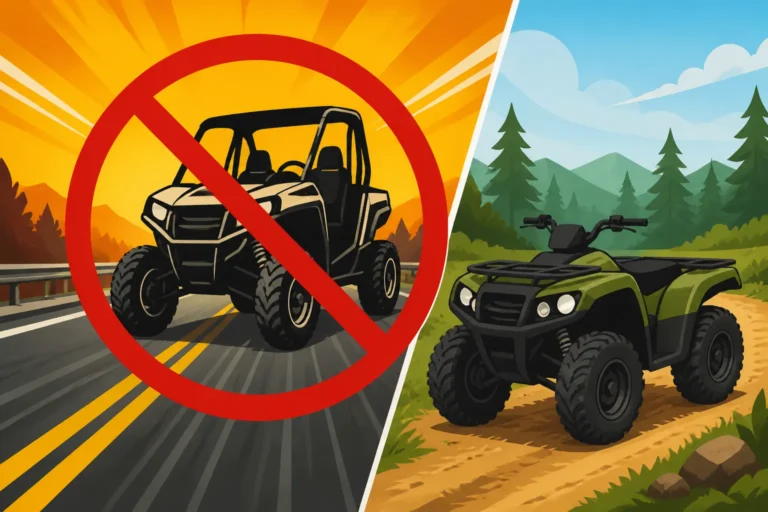
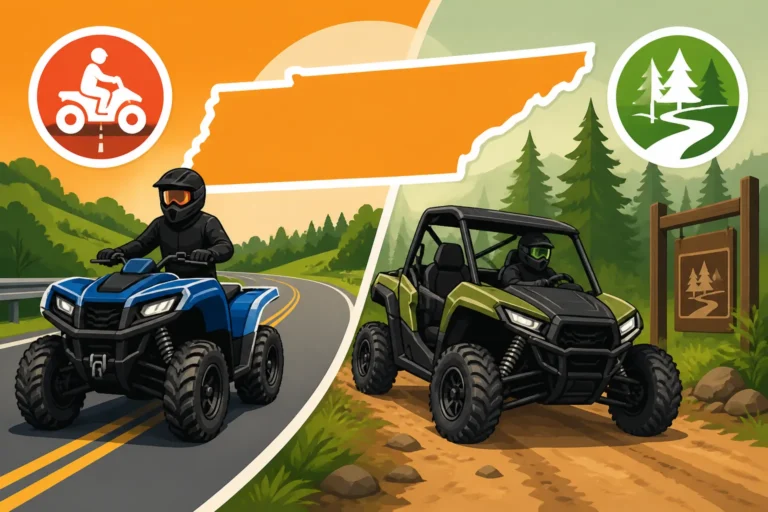
Here’s where things get interesting, and often, confusing for UTV owners. Tennessee has made significant strides in allowing UTVs to use certain public roads, especially in counties that embrace adventure tourism. This shift, while fantastic for expanding riding opportunities, fundamentally changes how your UTV is viewed by the state and, consequently, its insurance requirements. The moment your UTV touches a public road, even if it's just to get from one trail segment to another or to access a local gas station, it transitions from a purely recreational off-highway vehicle to something akin to a motor vehicle in the eyes of the law. This distinction is crucial, because motor vehicles on public roads absolutely come with mandatory insurance requirements in Tennessee. It's no longer just about enjoying the trails; it's about operating a vehicle in a public sphere.
What "Street Legal" Really Means for Insurance
The term "street legal" isn't just about having headlights, taillights, turn signals, and a horn. It's a comprehensive designation that brings with it a whole host of responsibilities, and insurance is a huge one. When your UTV meets the criteria to be considered "street legal" on designated Tennessee roads, it essentially means it must comply with many of the same regulations as a passenger car or truck. This includes, critically, having financial responsibility in the form of liability insurance. Without it, you're not just risking a fine; you're risking being personally liable for potentially massive damages if you're involved in an accident. You can have all the right [Tennessee Equipment Rules for Road Use] installed, but without that piece of paper, you're still not fully compliant.
When Tennessee Demands Insurance for Your UTV
If you're planning to ride your UTV on any public road in Tennessee, even just briefly, you absolutely need to understand when and how insurance becomes mandatory. This isn't a suggestion; it's a legal requirement designed to protect everyone on the road.
The Mandatory Liability for Road Use
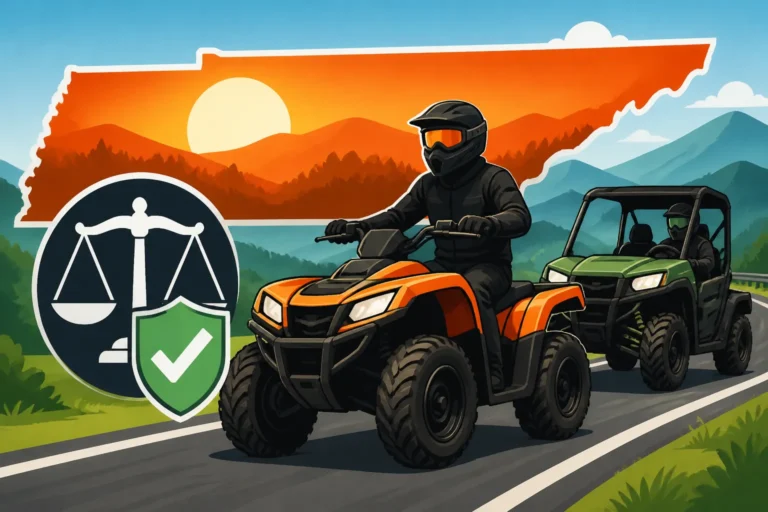
Once your UTV is on a public road, whether it's a county road, a state highway where permitted, or a designated city street, Tennessee law requires you to carry liability insurance. This is the bedrock of vehicle insurance and is designed to cover damages you might cause to other people or their property in an accident. Think about it: if you're pulling out of a gas station in your UTV and accidentally hit a parked car, your liability insurance would kick in to cover the repairs to that car. Without it, you'd be paying out of pocket, and that can quickly become a financially devastating situation. The state doesn't care how fast you're going or how far you're traveling; if you're on a public thoroughfare, you need to be covered. This requirement is consistent with [Tennessee UTV Insurance Requirement] for all motor vehicles.
Minimum Coverage Requirements: What You Need to Know
Tennessee law specifies minimum amounts of liability coverage that you must carry. These minimums are usually expressed as three numbers: bodily injury liability per person, bodily injury liability per accident, and property damage liability per accident. While these figures can change over time, they typically reflect a basic level of protection. It's important to check the current statutory minimums with your insurance provider or the Tennessee Department of Safety.
For example, a common way these minimums are presented is:
- Bodily Injury Liability Per Person: This is the maximum your insurance will pay for injuries to one person in an accident you cause.
- Bodily Injury Liability Per Accident: This is the maximum your insurance will pay for all injuries in an accident you cause, regardless of how many people are hurt.
- Property Damage Liability Per Accident: This is the maximum your insurance will pay for damage to property in an accident you cause.
Many insurance professionals will tell you that while these minimums meet legal requirements, they often fall short of truly protecting you financially in a serious accident. The cost of medical care or replacing a new vehicle can quickly exceed state minimums.
Proof of Insurance and What a Deputy Checks Roadside
Just like with your car or truck, you need to be able to prove you have valid insurance when operating your UTV on Tennessee roads. This means carrying an insurance card or other acceptable proof of financial responsibility with you whenever you're riding on public roads. If a deputy pulls you over for any reason – perhaps they're checking for compliance with [Tennessee Rules for Riding a County Road] or [Tennessee UTV Road Requirements] – they will ask for your driver's license, registration (if applicable for other classes), and proof of insurance.
Failure to provide proof of insurance can lead to citations, fines, and even suspension of your driving privileges. It’s a serious offense in Tennessee to operate any motor vehicle, including a UTV designated for road use, without the proper financial backing. So, make sure that little card is tucked safely in your glove box or wallet, perhaps right next to your permit for Windrock or Brimstone.
Beyond the Basics: Additional Insurance Considerations for UTV Owners
While liability insurance is the only thing mandated by Tennessee law for UTV road use, it's far from the only type of coverage you might want to consider. Your UTV is likely a significant investment, and protecting that investment goes beyond just meeting state minimums.
Comprehensive and Collision: Protecting Your Investment
Think about it: you’ve poured a lot of hard-earned cash into your UTV, maybe adding some performance parts or a lift kit from SuperATV. If you’re riding off-road, or even just on the road, what happens if your machine is damaged in an accident you cause? Or if it’s stolen? Or catches fire? That's where comprehensive and collision coverage come into play.
- Collision Coverage: This pays for damage to your UTV if it collides with another vehicle or object (like a tree or a ditch), regardless of who is at fault. If you accidentally roll your UTV on a tricky trail or have a fender bender on a county road, collision coverage helps pay for the repairs or replacement of your machine.
- Comprehensive Coverage: This covers damage to your UTV from events other than collisions. This includes things like theft, vandalism, fire, natural disasters (hail, floods), or even hitting an animal. Given the value of many modern UTVs and how often they're parked in remote locations or transported on open trailers, comprehensive coverage can be a real lifesaver.
These coverages are optional, but they’re invaluable for protecting your personal investment. If you have a loan on your UTV, your lender will almost certainly require you to carry both comprehensive and collision insurance until the loan is paid off.
Uninsured/Underinsured Motorist Coverage
It's an unfortunate truth that not everyone on the road follows the rules, and some drivers operate vehicles without any insurance, or with very low limits that won't cover serious damages. This is where uninsured/underinsured motorist (UM/UIM) coverage becomes incredibly important for your UTV.
- Uninsured Motorist (UM): If an uninsured driver hits your UTV and causes you injury or damage, UM coverage can step in to pay for your medical bills, lost wages, and damage to your UTV up to your policy limits.
- Underinsured Motorist (UIM): If a driver with insufficient insurance limits hits you, UIM coverage can cover the difference between their policy's payout and your actual damages, once their policy is exhausted.
While not mandatory, UM/UIM coverage offers a critical layer of protection for you and your passengers. Accidents are unpredictable, and having this coverage ensures you're not left footing the bill for someone else's irresponsibility. Given the potential for serious injuries in a UTV accident, this is often a wise addition to your policy.
Special Situations: Rental Fleets and Guided Tours
If you're thinking about starting a UTV rental business in Tennessee or operating guided tours, your insurance needs will be vastly different and significantly more complex. Standard personal UTV policies are not designed for commercial operations. Businesses engaged in renting out machines or leading tours will need specialized commercial liability policies, fleet insurance, and potentially waivers and additional protections. These policies cover not just the machines themselves, but also the liability risks associated with customers, guides, and business operations. If you're looking into [Tennessee Rentals That Allow Park Trails] or [Tennessee Guided UTV Tours], rest assured, these reputable businesses have dedicated insurance to cover their operations, which is far beyond what an individual owner needs.
Navigating the Insurance Market for Your Tennessee UTV
Finding the right insurance for your UTV can sometimes feel like a treasure hunt. It's not always as straightforward as insuring a car, especially with the nuances of road use versus off-road use. But with a bit of research and asking the right questions, you can find coverage that fits your needs and your budget.
Seeking Quotes from Different Providers
The UTV insurance market isn't a one-size-fits-all situation. Different insurance companies specialize in different types of vehicles and offer varying rates and coverage options. Don't just go with the first quote you get. It's wise to shop around and get quotes from several providers. Some companies might offer specific OHV policies, while others might be able to add your UTV to an existing auto or recreational vehicle policy.
When you're calling for quotes, be prepared to provide details about your UTV: make, model, year, VIN, how you plan to use it (off-road only, road use, combination), and any significant modifications you've made (like aftermarket parts from SuperATV). Be honest about your intended use, because misrepresenting how you use your UTV can lead to denied claims later on.
What Your Current Auto Policy Might (or Might Not) Cover
A common question UTV owners have is whether their existing auto insurance policy will cover their side-by-side. The short answer is: probably not for liability on public roads, and definitely not comprehensively. While some auto policies might offer very limited coverage for an OHV while it's being transported on a trailer or parked at your home, they are almost universally not designed to provide liability or physical damage coverage for an OHV being actively operated, especially on public roads.
Think of it this way: your car insurance is tailored for cars. A UTV, even if it's street legal, has different risk factors and usage patterns. Relying solely on your auto policy for UTV coverage on Tennessee roads is a risky gamble that is unlikely to pay off if an incident occurs. It's always best to get a dedicated policy or a specific endorsement that clearly covers your UTV for its intended use.
Customizing Your UTV and Its Impact on Insurance
Many UTV owners love to customize their machines, adding everything from bigger tires and lift kits to winches, sound systems, and upgraded suspensions. These modifications, whether for performance or aesthetics, add significant value to your UTV. It’s crucial to discuss any major modifications with your insurance provider when you set up your policy.
If you add a substantial amount of aftermarket accessories, like a new windshield or a winch system, and don't declare them, your standard policy might only cover the value of the stock machine. In the event of a total loss, you could find yourself out of pocket for the cost of all those awesome upgrades. Many insurers offer "accessories coverage" or "custom parts and equipment" endorsements that can be added to your policy to ensure these investments are protected. Always ask your agent how modifications affect your coverage and what steps you need to take to ensure your fully kitted-out UTV is properly valued and protected.
Summary of Tennessee UTV Insurance Scenarios
Here’s a quick overview of common UTV scenarios and their typical insurance implications in Tennessee:
| UTV Use Case | Mandatory Liability Insurance? | Recommended Additional Coverage | Notes |
|---|---|---|---|
| Purely Off-Road (Private Land/Parks) | No | Comprehensive, Collision | Not legally required, but wise for protecting your investment against theft, damage, etc. |
| Road Use (Designated TN Roads) | YES | Comp, Collision, UM/UIM | Legally required for all public road use, even short distances. Need proof of financial responsibility. |
| Rental Fleet/Commercial Use | YES (Commercial Policy) | Specialized Commercial Policies | Strict requirements, differs significantly from personal policies. Covers customers and operations. |
| Trailering/Transporting | No (Covered by Tow Vehicle) | Often covered by your auto policy for transport, but not for operation. |
Remember, while the trails offer endless adventure, venturing onto Tennessee's public roads with your UTV brings new responsibilities, and insurance is paramount among them. Make sure you're covered before you hit that pavement! Don't forget to check out articles like [Tennessee UTV Road Requirements] for more detailed information on road use.
Disclaimer
This article is for general informational purposes only and does not constitute professional advice. Laws, prices and regulations vary by location and change over time. Consult a qualified professional for guidance on your specific situation.