Riding a Holler Road in Campbell County
There’s nothing quite like the call of those backcountry roads, especially the winding, unpaved "holler roads" that crisscross places like Campbell County. It’s easy to romanticize jumping on your ATV or UTV and just exploring, but the truth is, the laws around riding these roads can feel like a tangled mess of regulations, leaving many riders confused and worried about fines. This guide is here to untangle that knot, offering clear, actionable insights into how you can responsibly and legally enjoy those scenic holler roads in Campbell County.
Understanding Tennessee's Road Use Laws for OHVs
For years, the rules for off-highway vehicles (OHVs) on public roads in Tennessee felt like a patchwork quilt, varying significantly from county to county, leaving many riders scratching their heads. The good news is that there have been efforts to bring more clarity, but it still requires a deep understanding of what's allowed and, more importantly, what isn't. The desire to simply get from point A to point B, or to access a trail without trailering, is strong, and those charming holler roads seem like the perfect solution. However, jumping on them without knowing the specifics can quickly turn a peaceful ride into a frustrating encounter with the law.
The Evolving Landscape of Tennessee OHV Road Laws
Tennessee's approach to OHV road use has seen significant changes, particularly with recent legislative updates designed to standardize things a bit more across the state. Previously, riders often had to navigate a maze of local ordinances, where what was permissible in one county might land you a ticket just across the county line. This was a major point of frustration for riders who just wanted consistent rules, especially when heading to popular riding areas that might span multiple jurisdictions. Now, the state has tried to provide a more unified framework, especially concerning things like speed limits, daylight riding, and specific equipment requirements for machines used on public ways. It's a huge step towards making things clearer for everyone, but it doesn't mean every road is automatically open. The intent was to give counties clearer guidelines, but local decisions still play a massive role, particularly on those unpaved backroads. Understanding [What House Bill 810 Changed in 2025] is essential to grasp the new lay of the land, as it impacted how many OHVs can now operate on certain public roads.
One of the biggest shifts has been the move towards defining specific conditions under which OHVs can use public roads, rather than a blanket prohibition. This often includes restrictions on road type (unpaved vs. paved), speed limits of the roads themselves, and whether the county or municipality has specifically designated them for OHV use. For example, you might find that while interstates are always off-limits, certain two-lane county roads, particularly those with lower speed limits, are now accessible under strict conditions. This evolving legal framework aims to balance the recreational desires of riders with public safety concerns, traffic flow, and the practicalities of maintaining road infrastructure. It’s not just about what your machine can do, but where the law says it can do it.
What Defines a "Holler Road" in Campbell County?
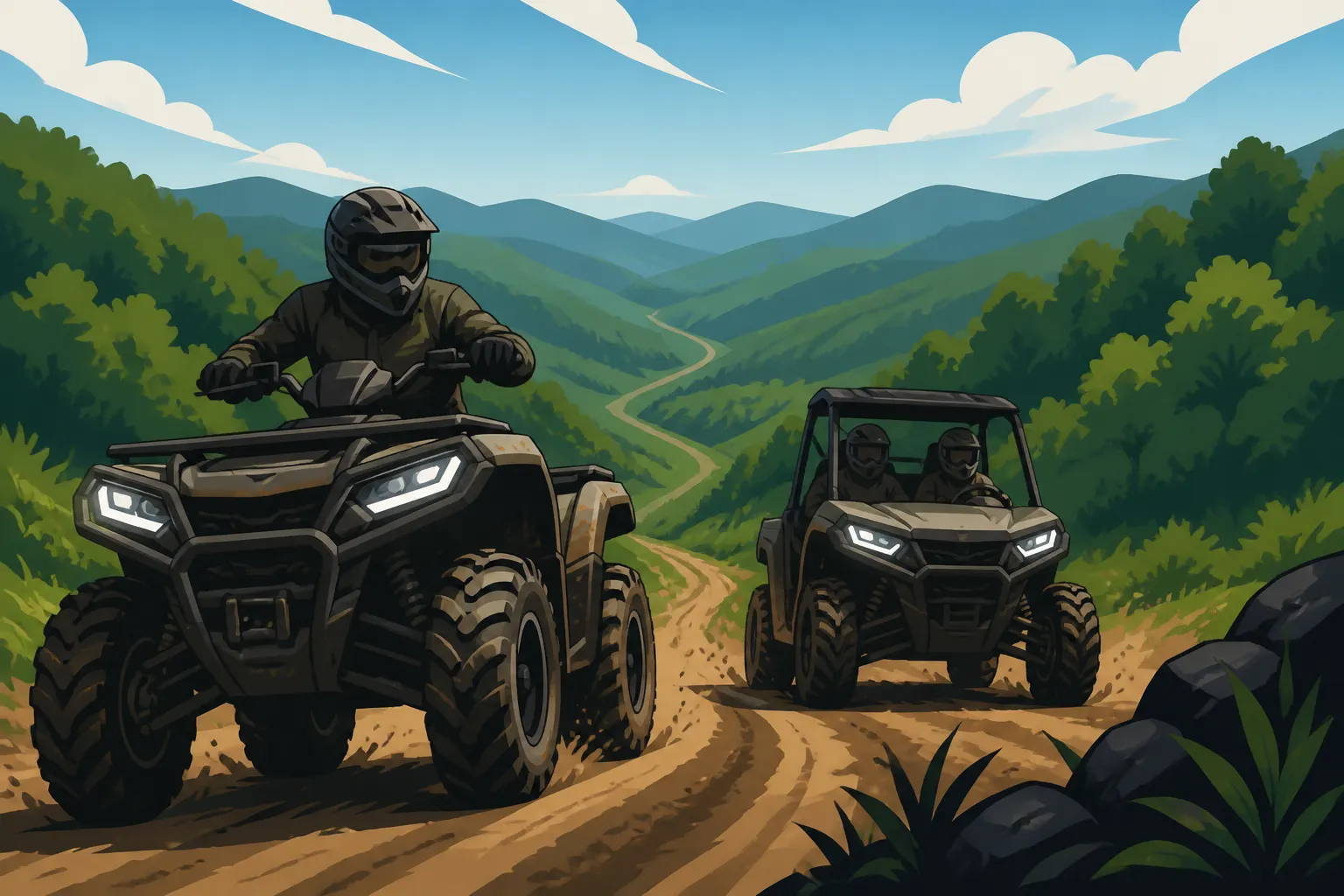
In Campbell County, a "holler road" typically refers to those unpaved, often gravel or dirt, roads that wind through the valleys and hillsides, connecting rural communities, homesteads, or leading to remote tracts of land. These aren't your main thoroughfares; they're the arteries of the backcountry, usually less trafficked and often without lane markings. They are usually maintained by the county, making them public roads, even if they feel like private driveways. The charm of these roads is undeniable – they offer a slower pace, scenic views, and often direct access to the natural beauty of the region.
However, the legal status of a "holler road" as an unpaved county road is crucial. While they might feel like trails, they are still public roads subject to traffic laws and OHV regulations. This means that even if a road is rarely used by conventional vehicles, your ATV or UTV still needs to meet specific criteria to be legally operated on it. The relaxed atmosphere of these roads can sometimes lead riders to believe the rules are also relaxed, but that's a dangerous assumption. Knowing that these are indeed roads and not just extensions of a trail system is the first step in ensuring a lawful ride.
General Restrictions on State and County Roads
Even with the updated state laws, there are fundamental restrictions that apply to OHVs on all public roads in Tennessee, including holler roads in Campbell County. The most common restrictions revolve around road type, speed limits, and time of day. Generally, OHVs are prohibited on state highways, interstates, and any road with a speed limit exceeding a certain threshold (often 45 mph). This means that even if a holler road eventually connects to a state route, you typically cannot ride your OHV onto that state route. [Tennessee Rules for Riding a County Road] are very specific, emphasizing the need for designated pathways.
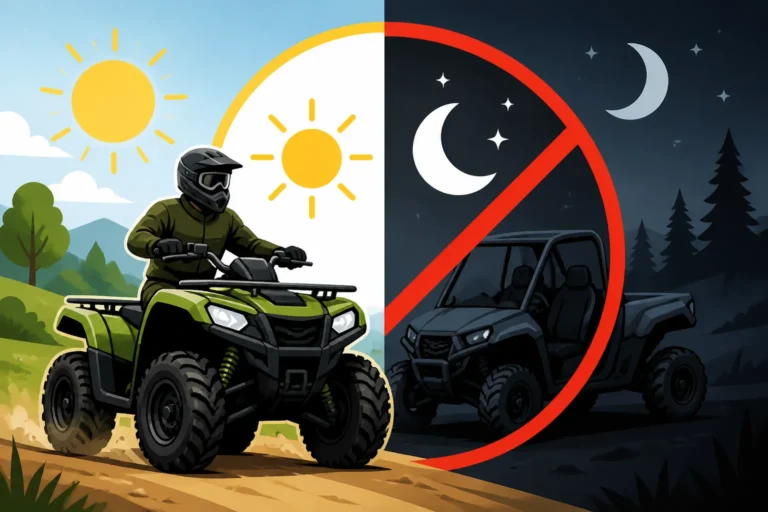
Beyond the "where," there's the "when." Most legal road use for OHVs is restricted to daylight hours only. This is a critical safety measure, as OHVs, even those equipped with lights, are generally less visible than cars and trucks, especially on unpaved roads where dust or uneven terrain can pose additional hazards. Furthermore, strict equipment requirements, such as headlights, taillights, brake lights, mirrors, and sometimes even turn signals, are usually mandated for any road use. Ignoring these basic requirements, even on a quiet holler road, can lead to serious legal consequences and compromise your safety. Ensuring your machine meets [Tennessee Equipment Rules for Road Use] is non-negotiable.
Specifics for Campbell County Riders
Campbell County is a haven for outdoor enthusiasts, known for its extensive trail systems and beautiful, rugged terrain. Naturally, riders often want to use the county roads, including those scenic holler roads, to connect trails, access fuel, or simply explore. However, simply being in a "riding friendly" area doesn't grant carte blanche on all roads. Local decisions by the Campbell County Commission or other municipal bodies still hold significant weight in determining which specific roads are open to OHVs. It's a blend of state mandates and local discretion that creates the rules for riding in this area.
Navigating Designated vs. Undesignated Roads
The biggest hurdle for riders in Campbell County, as in many parts of Tennessee, is understanding the difference between designated and undesignated roads. The state law provides a framework, but it often leaves the final decision about specific county roads to local authorities. This means that while some counties or municipalities might actively designate certain unpaved roads, including holler roads, for OHV use, others may not. This designation process is crucial; without it, even a quiet dirt road is technically off-limits, regardless of how many locals you see riding it. [Tennessee Counties That Allow UTVs on Roads] outlines how this designation process works.
So, how do you know? The best way is to check with the Campbell County Clerk's office, the Sheriff's Department, or the county's official website for any published lists of designated roads. In some cases, local communities or specific adventure tourism districts within the county may have their own designated routes. Relying on "everyone does it" or anecdotal evidence is a recipe for trouble. The responsibility falls squarely on the rider to verify the legal status of any road before putting tires on it. If a road isn't explicitly designated, assume it's not permitted for OHV use. For those looking for durable components to handle diverse terrains, whether designated or not, many riders often turn to aftermarket parts providers like SuperATV for heavy-duty axles or lift kits, ensuring their machines are ready for whatever approved path lies ahead.
Equipment Requirements for Road-Legal Use
Even if a holler road in Campbell County is designated for OHV use, your machine must still meet specific equipment requirements to be considered "road legal." This isn't just about having lights; it's about having the right kind of lights and other safety features that mirror those found on conventional vehicles. Think of it this way: if you're going to share the road, even a seldom-used dirt road, you need to be as visible and controllable as possible.
Here's a quick rundown of typical requirements, which you should always double-check with the latest state and local statutes:
| Requirement | Description |
|---|---|
| Headlights | Must emit a white light visible for a certain distance (e.g., 500 feet). |
| Taillights | Must emit a red light visible for a certain distance (e.g., 500 feet). |
| Brake Lights | Must illuminate when brakes are applied. |
| Turn Signals | Often required for both front and rear. |
| Mirrors | At least one rearview mirror, often two, providing a clear view to the rear. |
| Horn | An audible warning device. |
| Windshield | Not always explicitly required, but highly recommended for protection from debris on unpaved roads. |
| Spark Arrester | Required for all OHVs, especially important for preventing fires on dry trails and roadsides. |
| Insurance | Minimum liability insurance is often required for any road-legal vehicle. |
| License Plate/Sticker | While ATVs aren't typically registered like cars, a title sticker (TDR Sticker) often serves as proof of ownership and legal status, and some road-legal kits may require a specific plate. |
Always consult the Tennessee Department of Revenue and Campbell County regulations for the most current and comprehensive list.
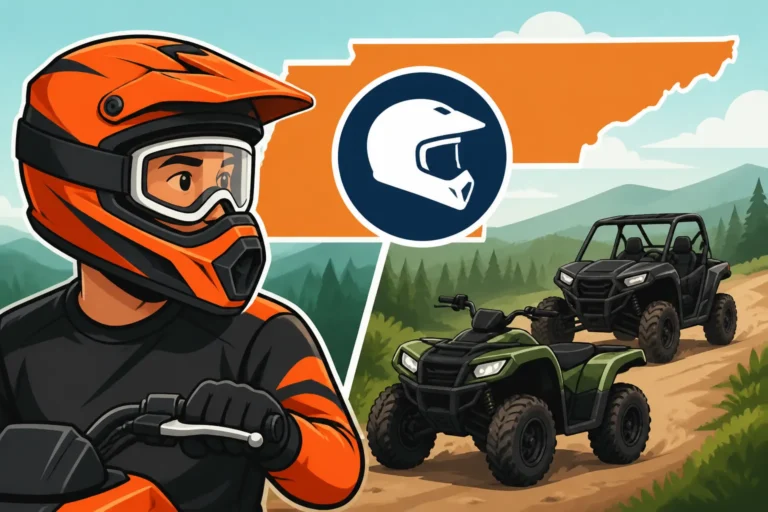
Beyond these, remember that the operator must also be properly licensed. [Tennessee Driver's License Rules for UTVs] state that you generally need a valid driver's license to operate an OHV on a public road. And let's not forget helmets! While some states have exceptions, in Tennessee, helmet laws can apply to OHV riders on public roads, especially for younger riders. Always wear appropriate safety gear, and ensure all passengers do too. Checking [Tennessee Helmet Law for ATV Riders] is a smart move before you hit any public road.
Many riders, especially those in areas like Campbell County that feature a mix of trail and road riding, will invest in aftermarket road-legal kits. Companies like SuperATV offer a range of products, from turn signal kits to mirrors and horn kits, designed to help your off-road machine meet these street-legal requirements. These kits can be a game-changer for extending your riding possibilities responsibly.
Safety and Courtesy on Campbell County Holler Roads
Riding a holler road isn't just about legality; it's also about safety and being a respectful member of the community. These roads are often used by local residents in cars, trucks, and farm equipment, and they might not always expect to encounter an OHV, especially around blind curves or dusty stretches. The dust you kick up can obscure visibility for others, and the noise can be a nuisance for residents whose homes are right by the roadside.
Here are some key considerations for safe and courteous riding:
- Slow Down: Even if the speed limit allows for more, slow down on unpaved roads, especially when approaching houses, livestock, or other vehicles. Dust control is a huge part of being a good neighbor.
- Yield to Others: Always yield to oncoming traffic, especially larger vehicles. Pull over safely to the side of the road if necessary. Farm equipment often moves slowly and can take up a lot of space.
- Stay Right: Treat holler roads like any other road; stay to the right side of the "lane," even if there are no painted lines.
- Be Visible: Even in daylight, wearing bright colors can help you stand out. Use your headlights and taillights.
- Minimize Noise: While an OHV is inherently loud, avoid unnecessary revving or modifications that excessively increase exhaust noise.
- Mind Your Passengers: Ensure all passengers are seated properly and wearing appropriate safety gear. [Tennessee Rules for a Passenger on a Road] are important to follow.
- No Trespassing: Holler roads often run adjacent to private property. Stick to the road and do not venture onto private land without explicit permission. [Tennessee Trespass Rules for Riders] are strictly enforced.
By practicing these simple courtesies, you not only make the roads safer for everyone but also help to foster a positive image of OHV riders in the community, potentially paving the way for more designated road access in the future.
Preparing for Your Campbell County Holler Road Adventure
So you've done your homework, checked the designated road lists, and your machine is equipped for legal road use in Campbell County. Fantastic! Now comes the exciting part: planning your adventure. But before you head out, there are still a few crucial steps to take to ensure your ride is not only legal but also enjoyable and safe. Preparation is key, especially when you're venturing onto less-traveled paths. These holler roads can be beautiful, but they can also be unpredictable, with varying surface conditions and limited services.
Essential Gear and Machine Maintenance
Hitting those holler roads means preparing your machine and yourself for varied conditions. Unlike a perfectly groomed trail, these roads can have washouts, loose gravel, potholes, and even farm machinery traffic. Before every ride, a thorough check of your OHV is essential.
Machine Maintenance Checklist:
- Tires: Check tire pressure and inspect for any damage or excessive wear. The right tires can make a huge difference in traction and comfort on gravel roads.
- Brakes: Test both front and rear brakes for proper function and adequate pad life. You need reliable stopping power, especially on downhill sections.
- Lights: Ensure all required lights (headlights, taillights, brake lights, turn signals) are working correctly. This is non-negotiable for road use.
- Fluids: Check oil, coolant, and brake fluid levels.
- Steering & Suspension: Look for any loose components, play in the steering, or worn suspension parts. Rough roads can quickly highlight any weaknesses. For those seeking to beef up their machine for the challenge, SuperATV offers robust upgrades like heavy-duty ball joints and A-arms that can provide peace of mind on rougher terrain.
- Fuel: Start with a full tank! Gas stations can be few and far between on many holler roads.
Rider Gear Checklist:
- Helmet: Always wear a DOT-approved helmet.
- Eye Protection: Goggles or a full-face helmet visor are crucial to protect against dust and debris.
- Gloves: Protect your hands and improve grip.
- Long Pants & Shirt: Offer protection from scratches, sun, and potential falls.
- Sturdy Boots: Protect your feet and ankles.
- Water & Snacks: Stay hydrated and energized, especially on longer rides.
- First-Aid Kit: A small kit for minor injuries.
- Tool Kit: Basic tools for on-the-spot repairs (tire plug kit, air pump, wrenches).
- Map/GPS: Even though they're "roads," cell service can be spotty. A paper map or downloaded GPS route is a lifesaver.
Taking the time for these checks and packing the right gear can prevent breakdowns, keep you safe, and ensure your holler road adventure is memorable for all the right reasons.
Respecting Private Property and Local Customs
One of the most sensitive aspects of riding holler roads, especially in rural areas like Campbell County, is the proximity to private property. These roads often serve as access points for homes, farms, and timberland. While the road itself might be public, the land immediately adjacent to it is almost certainly private. It's incredibly important to understand [Tennessee Rules for Riding Private Property] and ensure you have permission before ever leaving the designated road.
Key Points for Respecting Private Property:
- Stay on the Road: Do not deviate from the public road onto fields, lawns, or driveways unless you have explicit permission from the landowner.
- Closed Gates: If you encounter a closed gate on a road, it's a clear sign that the property beyond it is private. Do not open or bypass it unless specifically invited to do so.
- No Trespassing Signs: Heed them. Ignoring "No Trespassing" signs is a serious offense.
- Minimize Disturbance: Avoid lingering unnecessarily near homes, making excessive noise, or littering. Leave no trace of your visit.
- Be Friendly: A wave and a smile go a long way in fostering good relationships with local residents. Many landowners are happy to share their beautiful county, but only if riders are respectful.
Understanding and respecting local customs also plays a vital role. Rural communities often have their own rhythms and expectations. Be mindful of hunting seasons if you're riding near wildlife management areas, and always be aware that these roads are livelihoods for many, not just recreational routes. The goodwill you build by being a respectful rider can help ensure these unique riding opportunities remain available for years to come.
Finding Reliable Information and Local Resources
The best way to ensure a compliant and enjoyable ride on Campbell County's holler roads is to tap into reliable, local information. As mentioned earlier, state laws provide a foundation, but local ordinances and designations are critical. This means going beyond general internet searches and seeking out the most accurate, up-to-date information specific to Campbell County.
Where to Find Reliable Information:
- Campbell County Clerk's Office: This is often the first stop for official information regarding local ordinances, road designations, and any required local permits.
- Campbell County Sheriff's Department: They are the enforcers of the law and can provide clarity on what's allowed and common violations.
- Tennessee Wildlife Resources Agency (TWRA): If you plan to connect to or ride near any wildlife management areas (WMAs), the TWRA website is invaluable for specific rules, particularly concerning [Tennessee Rules for Riding a WMA Trail] and hunting season considerations.
- Local Riding Clubs or Forums: Connect with experienced local riders. They can often offer practical advice, share information about designated routes, and provide insights into local etiquette. However, always cross-reference their advice with official sources.
- Official Park or Trail System Websites: If your ride is intended to connect to a specific park or trail system in or around Campbell County (like the North Cumberland WMA or Windrock Park), their official websites will have the most current information regarding access and permits. Many riders utilize holler roads as part of a larger plan to get to a specific trailhead, so knowing [Tennessee Rules for Riding to a Trailhead] is also important.
By proactively gathering information from these sources, you can ride with confidence, knowing you're adhering to all applicable laws and respecting the local community. It helps keep the holler roads open and enjoyable for everyone.
Disclaimer
This article is for general informational purposes only and does not constitute professional advice. Laws, prices and regulations vary by location and change over time. Consult a qualified professional for guidance on your specific situation.