Carrying a Driver’s License at 16 on a Road
For any 16-year-old in Tennessee eyeing those open county roads from the seat of their ATV or UTV, one of the first questions that pops up, beyond "Where can I even ride this thing?", is often about paperwork. Specifically, what kind of driver's license do you need, and do you actually have to carry it with you? It's a common point of confusion, and frankly, a source of stress, because the rules aren't always crystal clear when you're just trying to enjoy a ride. This guide is here to untangle the specifics of Tennessee's requirements for young riders when it comes to licenses and road use, so you can hit the trails and designated roads confidently and legally.
The Core Question: What License Does a 16-Year-Old Need?
It's natural to assume that if you're old enough to drive a car, you're old enough to operate an ATV or UTV on the rare public roads where they're permitted. But the nuances of Tennessee law, especially for younger riders, can throw a wrench into those assumptions. Knowing exactly what's expected of you, license-wise, is key to avoiding unnecessary headaches down the line.
Understanding Tennessee's Minimum Age for Road Use
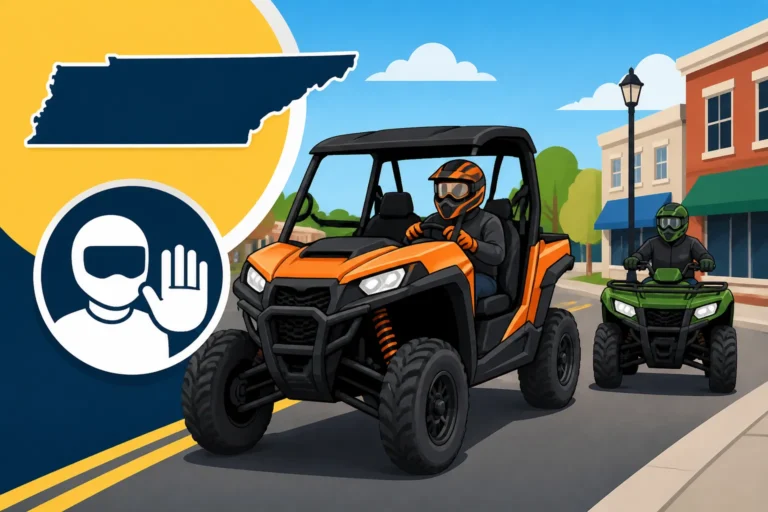
First things first, Tennessee law is pretty clear on the minimum age for operating an off-highway vehicle (OHV) on a public road. You must be at least 16 years old to operate an ATV or UTV on any public road where it's legally permitted. This isn't just a suggestion; it's a hard and fast rule designed for safety and to align with general driving privileges. This means that even if you've got the skills, if you're 15 and a half, those county roads are off-limits for your OHV. It's about ensuring a basic level of maturity and understanding of traffic laws before you introduce a different kind of vehicle into the mix. For more details on this, you might find [Tennessee Minimum Age to Ride a Road] helpful.
This age requirement is crucial because it sets the baseline for everything else. Without meeting the age minimum, no license in the world will make your road use legal. It’s a foundational piece of the puzzle, and often, it's the first hurdle many young riders encounter.
Driver's License vs. Permit: What's the Difference for OHVs?
Now, once you're 16, the next big question is: do I need a full-fledged driver's license, or is my learner's permit enough? This is where it gets a little specific for OHVs on Tennessee roads. When Tennessee law permits an OHV on a public road, it generally considers that operation akin to driving any other motor vehicle. Therefore, to legally operate an ATV or UTV on a public road, a 16-year-old generally needs a valid Tennessee Class D driver's license.
A learner's permit, while allowing you to drive a car under certain supervised conditions, typically isn't sufficient for operating an OHV independently on public roads. The rules around learner's permits often require a licensed driver over a certain age to be in the passenger seat (or otherwise supervising), which isn't always practical or even possible with an ATV, and certainly complicates things with a UTV. The intent of the law is that anyone operating a motor vehicle on a public roadway should be fully licensed to do so without direct, immediate supervision. So, if you've recently turned 16 and only have your permit, it's a good idea to focus on getting that full Class D license before you plan to take your SuperATV-equipped side-by-side out on an approved route. Understanding [Tennessee Driver's License Rules for UTVs] can provide more clarity on this.
It's a distinction that often catches young riders by surprise. They figure, "I can drive a car with my permit, why not my quad?" But the legal framework for OHVs on roads, even restricted ones, aligns more closely with the full privileges and responsibilities that come with a standard driver's license.
What the Law Says About Carrying Your License
Okay, so you're 16, and you've got your full Tennessee Class D driver's license. You're ready to hit those designated roads. But is it enough to just have the license at home? Absolutely not. Just like driving a car, operating an OHV on a public road comes with the expectation that you'll have proof of your driving privilege on your person.
The Expectation to Produce Identification
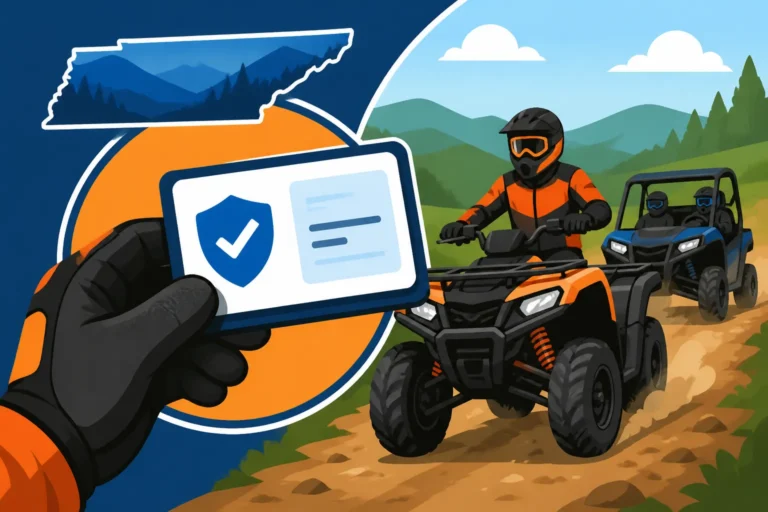
Tennessee law requires that any person operating a motor vehicle on a public highway or road must have their valid driver's license in their immediate possession and must display it upon demand of any law enforcement officer. This isn't unique to ATVs or UTVs; it's a standard rule for all licensed drivers. Imagine a scenario: you're cruising down a permitted county road in Scott County, enjoying the ride, when a sheriff's deputy pulls you over for a routine check or to confirm you're on an approved route. If you can't produce your license, it's immediately an issue.
It's not enough to say, "My mom has it," or "It's back in my truck." The expectation is that it's on you, just like it would be if you were driving a pickup. This is why many riders use waterproof pouches or secure compartments on their machines – to keep vital documents like their license and insurance card safe and accessible. Always assume that if you're on a public road, whether it's paved or gravel, a law enforcement officer has the right to ask for your identification and proof of your driving privileges.
Consequences of Not Having It
Failing to have your driver's license in your immediate possession while operating an OHV on a public road can lead to consequences. Generally, this might result in a citation for "failure to display driver's license" or a similar offense. While it might not seem like a major infraction, it can still carry a fine, and if you're under 18, it could potentially involve your parents or guardians. In some cases, if there are other issues at play – perhaps you're also riding on a non-designated road – the lack of a license in possession could exacerbate the situation.
It's a simple preventative measure to avoid an unnecessary ticket. Always double-check that your license is in your pocket, wallet, or a secure, easily accessible spot on your machine before you head out. It's a small habit that can save you from a lot of hassle. For information on potential legal repercussions, see [Tennessee Fines for Illegal UTV Road Use].
Beyond the License: Other Requirements for Young Riders
While having the correct driver's license and carrying it is paramount, it's only one piece of the puzzle for a 16-year-old operating an OHV on Tennessee's designated roads. There are several other critical requirements designed to ensure safety and compliance with the law.
Helmet Laws for Minors on Roads
This is a non-negotiable for young riders. Tennessee law mandates that all operators and passengers of ATVs or UTVs who are under 18 years of age must wear a helmet when operating on a public road. This is a crucial safety measure, acknowledging the inherent risks associated with these vehicles. It's not just a suggestion; it's a legal requirement. Even if you're just crossing a two-lane road at a ninety-degree angle as permitted by law, that helmet needs to be on your head and properly secured.
This rule applies regardless of the type of road or the purpose of the ride (unless an agricultural exemption applies, which is a different specific context). So, for a 16-year-old, a helmet is absolutely essential every time they put a wheel on a public thoroughfare. You can learn more about specific regulations in [Tennessee Helmet Law for ATV Riders] and [Tennessee Helmet Law for Passengers]. Getting cited for not wearing a helmet can result in fines and, more importantly, puts you at severe risk in case of an accident. Always prioritize safety first.
Insurance and Vehicle Requirements
Just like any other vehicle on a public road, your OHV needs to meet certain standards. While Tennessee does not have a statewide OHV registration requirement, if you're using an ATV or UTV on a public road, you are typically expected to have liability insurance. This is generally covered under [Tennessee UTV Insurance Requirement] or similar statutes for motor vehicles. An OHV being used on a public road, even if it's only a short distance to a trailhead or within an approved adventure tourism district, falls under these insurance expectations.
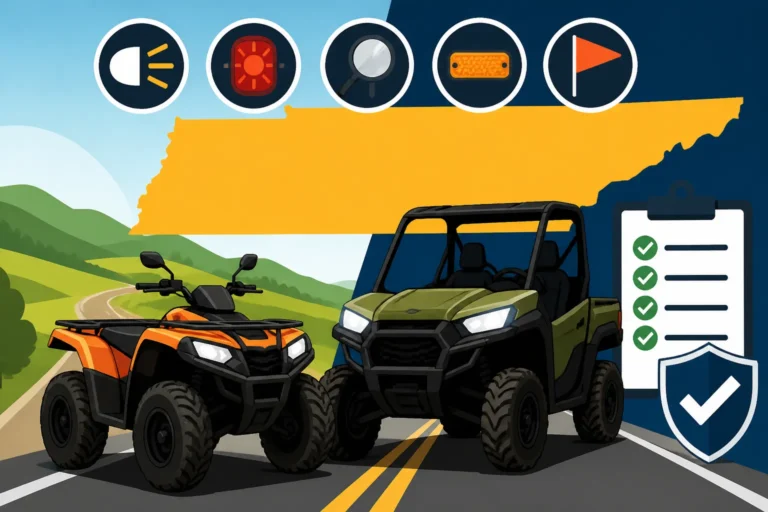
Furthermore, your machine itself must be properly equipped to be considered road-legal on designated roads. This usually means having functional headlights, taillights, brake lights, a horn, and rearview mirrors. Some areas might also require turn signals or other specific safety equipment. These aren't just recommendations; they're often legal necessities to operate on public roads. Many riders turn to aftermarket parts from companies like SuperATV to ensure their machines are properly equipped with these safety features, from lighting kits to durable mirrors.
Here’s a quick overview of key requirements for a 16-year-old riding an OHV on a Tennessee road:
| Requirement | Details for a 16-Year-Old Rider |
|---|---|
| Minimum Age | Must be 16 years old. |
| Driver's License | Must possess a valid Tennessee Class D driver's license. A learner's permit is generally not sufficient. |
| License in Possession | License must be carried on the rider's person at all times when operating on a public road. |
| Helmet | Mandatory for all operators and passengers under 18 years of age on public roads. |
| Insurance | Liability insurance is generally required for OHVs used on public roads. |
| Vehicle Equipment | Must have functional headlights, taillights, brake lights, horn, and rearview mirrors. Check local ordinances for additional requirements. |
| Road Type | Operation only permitted on designated county roads, within Adventure Tourism Districts, or specific crossings, generally during daylight hours. |
Always remember that even if your machine meets all these requirements and you're 16 with a license, you still can't just ride anywhere. Tennessee has specific rules about [Tennessee Road Use Rules for ATVs] and [Tennessee UTV Road Requirements]. You'll often find these permissible roads in specific areas like [Tennessee's Adventure Tourism Districts] or within specific county ordinances, and often only during daylight hours, as outlined in [Riding Only Between Sunrise and Sunset]. Always check local regulations and designated road lists before you head out. Understanding [Tennessee Equipment Rules for Road Use] is also vital to ensure your machine is up to snuff.
Riding an ATV or UTV in Tennessee can be an incredible experience, especially as a young rider gaining more independence. By understanding and adhering to the rules regarding driver's licenses, helmets, and vehicle equipment, 16-year-olds can enjoy the trails and designated roads safely and legally. Always carry your license, wear your helmet, and ensure your machine is properly equipped. It's about respecting the law and, most importantly, ensuring your own safety and the safety of those around you.
Disclaimer
This article is for general informational purposes only and does not constitute professional advice. Laws, prices and regulations vary by location and change over time. Consult a qualified professional for guidance on your specific situation.