Between Two Named Roads in Scott County
It’s incredibly frustrating when you just want to enjoy your ATV or UTV, but the rules for where you can ride on public roads feel like a constantly shifting puzzle, especially in places like Scott County, Tennessee. You hear whispers of "open roads" or "designated routes" and wonder if your machine is even allowed. This guide is here to untangle the specific regulations that allow riders to legally traverse certain segments of roads "between two named roads" in Scott County, helping you understand precisely where and how you can ride.
The Unique Landscape of Scott County's Road Rules
Scott County is a gem for off-road enthusiasts, drawing riders from all over with its vast trail systems and rugged beauty. But that beauty comes with a complex set of rules when you want to connect trails or access services via public roads. Unlike a blanket statewide policy, many road use allowances for ATVs and UTVs in Tennessee are hyper-local, driven by county-level decisions and specific designations. This is where the concept of riding "between two named roads" comes into play, a carve-out designed to enhance the riding experience within certain areas.
Why Specific Areas Have Unique ATV/UTV Access
The primary reason Scott County, and a handful of other counties across Tennessee, can create these specific road access rules boils down to a legislative framework that empowers local authorities. These are often counties that have been designated as part of [Tennessee's Adventure Tourism Districts]. Within these districts, counties have the authority to pass ordinances that can deviate from stricter statewide prohibitions on ATV/UTV road use. The idea is to foster tourism and economic activity around the immense popularity of off-road riding. It recognizes that in areas where off-roading is a major draw, allowing limited and controlled road access can significantly improve the rider experience by connecting trails, allowing access to fuel, food, and lodging, or simply enabling riders to get from one section of a park to another without having to trailer their machines. This local control means that the rules you find in Scott County might be quite different from those in a neighboring county that hasn't adopted similar ordinances or isn't part of an adventure tourism district.
It's a huge benefit for riders, but it also places the burden on us to know the exact rules for the exact location we're in. This isn't a free-for-all; it's a carefully considered exception designed to balance rider access with public safety and local resident concerns. These unique rules often stem from a deep understanding of the local geography and how off-road vehicles interact with the existing road infrastructure and community needs.
The "Between Two Named Roads" Clause Explained
When you hear about riding "between two named roads" in Scott County, it refers to very specific, designated segments of county roads, and sometimes even state routes, where ATVs and UTVs are permitted to operate. This isn't an arbitrary stretch of road chosen by individual riders; these are sections that have been officially identified and approved by the Scott County Commission. The "named roads" serve as clear start and end points for these designated segments, providing easily identifiable boundaries for riders and law enforcement alike. For example, a rule might state that ATVs and UTVs are permitted on "County Road A between State Route 63 and Norma Road." This means you can legally ride your machine on that specific stretch of County Road A, but not necessarily on other parts of County Road A or any other road outside those defined boundaries.
These designated segments are often crucial connectors. They might link a major trailhead to a gas station in town, bridge two separate sections of a larger trail system, or provide access from a campground to a popular riding area. The purpose is almost always utilitarian – to facilitate the movement of riders without requiring them to load their machines onto a trailer for short distances. Without these specific allowances, riders would face a much more fragmented and inconvenient experience, significantly diminishing the appeal of the area for multi-day rides or trail exploration. Understanding these precise boundaries is paramount, as riding even a little bit outside of the designated "between two named roads" segment can put you in violation of local ordinances and potentially subject you to fines. The specificity is both a blessing and a challenge, requiring riders to do their homework before hitting the pavement.
Navigating the Rules for Riding Between Named Roads
Once you understand why these specific road segments exist in Scott County, the next step is figuring out how to use them legally and responsibly. This isn't just about knowing where you can ride, but also about the conditions and requirements that come with that privilege. Navigating these rules successfully means you can enjoy your ride without worrying about an unexpected encounter with local law enforcement.
Identifying the Permitted Road Segments
The biggest challenge for many riders is simply knowing which roads, and which specific sections of those roads, are actually open for ATV and UTV use. It’s not always obvious, and you can’t assume that just because one stretch is open, the next one will be too. In Scott County, the county commission is responsible for designating these routes and, crucially, for making that information accessible to the public. You can usually find this information by checking the Scott County government’s official website, often under sections related to county ordinances, planning, or tourism. Local sheriff's departments or county clerk offices might also be able to point you to the most current lists.
It's also common for specific riding areas or resorts within Scott County, like Brimstone Recreation or Windrock Park, to publish maps or guides that highlight these connecting road segments. They often have the most up-to-date information, as they work closely with local authorities. Always look for official, published lists rather than relying solely on word-of-mouth. These lists can be detailed, sometimes even listing specific street addresses or GPS coordinates for the start and end points of the permitted sections. Remember that these lists can change, so it’s always a good idea to check for the most recent updates, perhaps even checking [Restricted Road Lists Published in October 2025] or any more recent equivalent the county might provide, before you head out. These maps often clarify that these are not through-routes for extended road trips, but rather designated connectors within the larger recreational framework.
Understanding the Conditions of Use
Just because a road segment is open to ATVs and UTVs doesn't mean you can ride it like you're still on the trail. There are very specific conditions of use that apply when you're on any public road, even a designated county road in Scott County. These rules are put in place for safety, both for off-road riders and for other motorists.
Here are some of the common conditions you'll encounter:
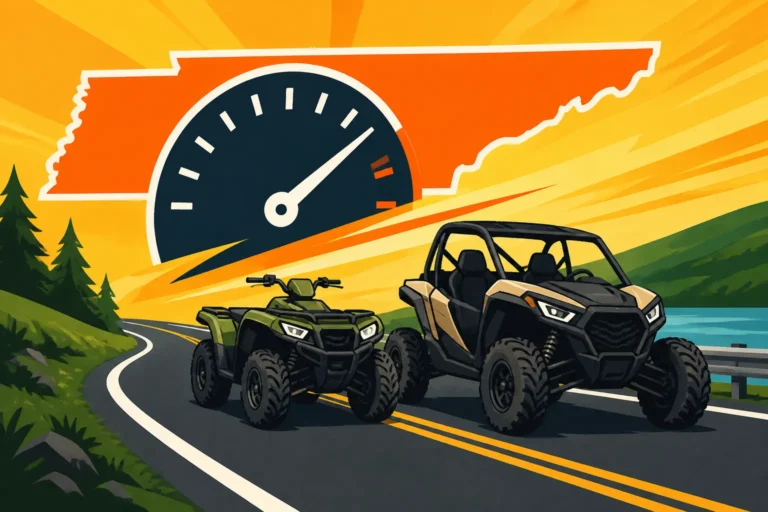
- Speed Limits: This is paramount. You are expected to adhere to the posted speed limits for the road you are on, or a lower maximum speed limit specifically set for OHVs. Often, these limits will be explicitly stated as [Riding a Road Posted 45 mph or Under], meaning any road posted higher than 45 mph is generally off-limits for OHVs.
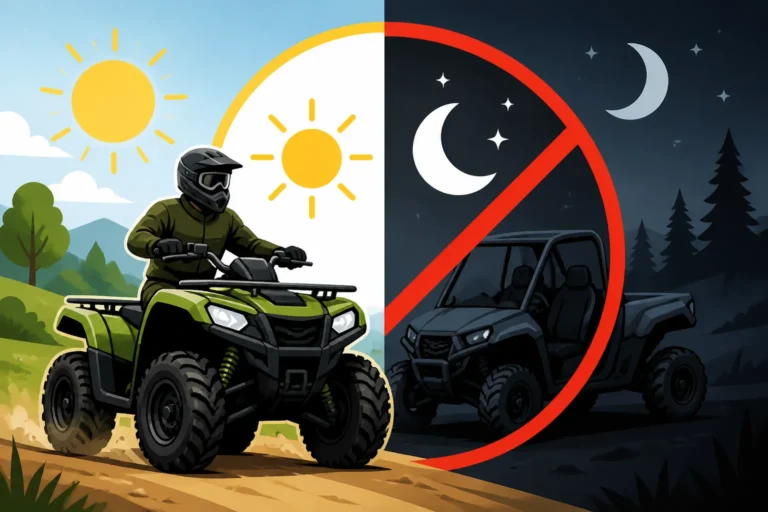
- Daylight Hours Only: In many areas, especially within the adventure tourism districts, ATV and UTV road use is restricted to [Daylight Hours Only Under Tennessee Law]. This means no riding before sunrise or after sunset on these public roads, regardless of whether your machine has working headlights and taillights.
- Helmet Requirements: Tennessee has clear helmet laws. While you might be able to ride without a helmet on private property or within some parks, when you hit a public road, even a designated one, the state's helmet laws usually kick in. This means the operator and often any passengers will need to wear an approved helmet. This is crucial, so always confirm [Tennessee Helmet Law for ATV Riders] and passengers before you venture onto any public road segment.
- Equipment Requirements: Your machine needs to be equipped for road use, even if it's just for a short stretch. This typically includes working headlights, taillights, brake lights, a horn, a rearview mirror, and sometimes turn signals. While some trail-oriented machines might not come with all these from the factory, aftermarket solutions from companies like SuperATV can help you meet these requirements.
- Driver's License and Insurance: The operator of the ATV or UTV on a public road must possess a valid driver's license. Your machine must also be insured, just like any other vehicle operating on public roads. Keep proof of insurance and your license with you at all times.
- No Reckless Operation: This should go without saying, but aggressive driving, weaving, speeding, or operating under the influence are strictly prohibited and will result in citations, just as with any other motor vehicle.
- Passenger Restrictions: Be aware of any restrictions on the number of passengers or their age. Generally, passengers must be able to reach the handholds and footrests.
Understanding and adhering to these conditions is not just about avoiding fines; it’s about ensuring the safety of everyone sharing the road. Local residents and other drivers are more likely to support continued ATV/UTV road access if riders demonstrate responsible and safe behavior.
Here’s a quick overview of typical conditions for riding on designated roads in Adventure Tourism Districts:
| Condition | General Tennessee Road Rule (for OHVs) | Adventure Tourism District (Scott County) Designated Road Rule |
|---|---|---|
| Speed Limit | Generally prohibited | Often 45 mph or less, adhere to posted limits |
| Operating Hours | Generally prohibited | Daylight hours only |
| Helmet Required | Yes, on public roads | Yes, for operator and passengers |
| Driver's License | N/A (generally prohibited) | Required for operator |
| Insurance Required | N/A (generally prohibited) | Yes, proof must be carried |
| Required Equipment | N/A (generally prohibited) | Headlights, taillights, brake lights, horn, mirror |
| Designated Routes | Limited exceptions | Explicitly designated by local ordinance |
| Interstate Access | Prohibited | Prohibited |
Practical Considerations for Riding in Scott County
Riding your ATV or UTV in Scott County, particularly when utilizing those specific road segments, is an incredible experience. However, to truly make the most of it and stay on the right side of the law, a few practical considerations are essential. It's about being prepared, informed, and respectful.
Essential Gear and Preparedness
Before you even load up your machine, think about what you’ll need for a day or weekend of riding, especially when you plan to use those connecting road segments.
First and foremost, safety gear is non-negotiable. That means a DOT-approved helmet for every rider and passenger, even if you’re just crossing a short section of road. Eye protection, gloves, sturdy boots, and long sleeves/pants are also highly recommended. The terrain in Scott County can be rugged, and while a designated road segment might be paved, the trails it connects to certainly won't be. Don't compromise on safety for the sake of convenience.
Next, documentation. Always carry your driver’s license, proof of insurance for your ATV/UTV, and any trail permits or passes required for the areas you’ll be riding (like those for Windrock Park or Brimstone Recreation). It’s also wise to have a copy of the Scott County ordinance or map that clearly outlines the designated road segments you plan to use. This can save a lot of confusion if you're ever stopped or questioned.
Vehicle preparedness is also key. Ensure your machine is in good working order. Check tires, brakes, lights, and fluid levels. If your machine is older or has seen a lot of hard miles, consider upgrading critical components. Parts from a reliable manufacturer like SuperATV can give you peace of mind, whether you're looking for heavy-duty axles to handle the rough trails or new suspension components for a smoother ride, which can make a difference even on graded gravel roads. While road segments are generally less demanding than the trails, a breakdown on a public road can be more complicated to deal with. Carry a basic toolkit, a tire repair kit, and possibly a small air compressor. A first-aid kit and communication device (fully charged phone or satellite messenger) are also smart additions, especially if you plan to venture onto remote trails beyond the road connectors.
Staying Informed and Respecting Local Regulations
The rules for ATV/UTV road use in Scott County, and throughout Tennessee's adventure tourism districts, are dynamic. What might have been allowed last year could have changed. Therefore, staying informed is crucial.
- Check Official Sources: Before every trip, visit the Scott County government website or contact the county clerk’s office for the most up-to-date ordinances and maps. Don't rely on outdated information or social media posts.
- Consult Local Businesses: Many local businesses, especially those catering to riders (gas stations, general stores, outfitters), are excellent resources. They often know the local rules inside and out and can offer practical advice.
- Respect Private Property: While the discussion is about public roads, many trails and access points in Scott County are on private land. Always assume land is private unless clearly marked as public access. Trespassing is a serious offense and can jeopardize future access for all riders.
- Adhere to all Traffic Laws: When on a designated road segment, you are sharing the road with cars, trucks, and potentially even logging vehicles. Obey all traffic signs, signals, and right-of-way rules. Drive defensively and be predictable. The perception of ATV/UTV riders among the general public and local residents greatly impacts future policy decisions.
- Understand the Consequences: Riding an ATV or UTV on a non-designated public road, or failing to adhere to the conditions of use on a designated segment, can lead to significant penalties. [Tennessee Fines for Illegal UTV Road Use] can include monetary fines, vehicle impoundment, and even misdemeanor charges, depending on the severity of the offense. It's simply not worth the risk.
By being prepared and informed, and by consistently demonstrating respect for the rules and the community, you contribute positively to the riding culture in Scott County. This helps ensure that the privilege of riding "between two named roads" remains available for years to come. Ultimately, it’s about responsible recreation that benefits everyone.
Disclaimer
This article is for general informational purposes only and does not constitute professional advice. Laws, prices and regulations vary by location and change over time. Consult a qualified professional for guidance on your specific situation.