Aiming a Headlight for a Narrow Ridge Lane
Riding your ATV or UTV in Tennessee is an absolute blast, but the moment the sun dips below those beautiful Cumberland ridges, things can get a little murky – literally and legally. Many riders find themselves wondering if they can even be out there after dark, especially when navigating those tricky, winding, and often narrow ridge lanes or gravel backroads. This guide is here to cut through the confusion, helping you understand Tennessee's rules for night riding on public roads and ensuring you're properly equipped for every adventure, day or night.
Understanding Tennessee's Night Riding Rules for OHVs on Public Roads
Let's face it, there's a unique kind of peace and thrill that comes with an evening ride, especially after a long day of work or when the summer heat finally breaks. But unlike cruising private property, taking your ATV or UTV onto a public road in Tennessee after sunset introduces a whole new layer of rules and potential pitfalls. It's not just about having good headlights; it's about adhering to specific statewide mandates that prioritize safety for everyone on the road.
The Statewide "Daylight Hours Only" Mandate
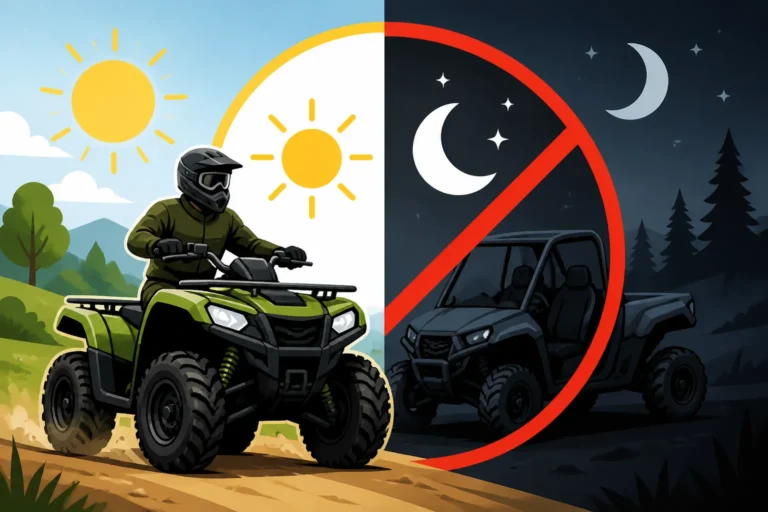
For most of Tennessee, the rule of thumb for operating your OHV on public roads is pretty straightforward: daylight hours only. This means from thirty minutes before sunrise to thirty minutes after sunset. It's a real bummer when you're out enjoying a sunset ride and suddenly realize you might be breaking the law just as the sky turns orange and purple. This statewide restriction is in place for a good reason – ATVs and UTVs, even street-legal ones, can be harder for other motorists to see in low light conditions, especially on unfamiliar rural roads.
This blanket rule covers the vast majority of county and state-maintained roads across Tennessee. If you're caught operating your machine on a public thoroughfare outside of these designated hours, you could be facing a citation. This isn't just a minor slap on the wrist; it can lead to fines and a potentially uncomfortable conversation with local law enforcement who are, rightly, concerned about safety. It's crucial to plan your rides accordingly, keeping a close eye on the clock and the position of the sun. Don't push your luck trying to squeeze in that last mile after dark if you're not in a designated area. You can learn more about this general limitation in our article [Riding Only Between Sunrise and Sunset].
Specifics for Adventure Tourism Districts and Local Ordinances
Now, here's where things get a little more nuanced, and where some of that frustration about statewide rules can find a tiny bit of relief. Tennessee has created what are called "Adventure Tourism Districts" in certain counties. These districts recognize the economic benefit of OHV tourism and grant local governments more flexibility in setting their own rules for road use, including extended hours for riding. Counties like Scott, Anderson, Campbell, Morgan, and others are part of these districts, and they may have specific ordinances that allow for later riding hours or even 24/7 access on designated roads.
However, this isn't a free-for-all. These allowances are typically for specific, identified roads within those districts, often unpaved county roads that connect to trail systems or provide access to businesses catering to riders. You cannot simply assume that because you're in an Adventure Tourism District, you can ride anywhere at any time. It's absolutely vital to check the specific county's ordinances and designated road lists. These lists can change, and what's permitted in one part of Scott County might not be allowed in another, or even in an adjacent county like Campbell. Always verify current local rules before you head out after dark in these areas.
Essential Lighting and Equipment for Safe Night Riding on Tennessee's Narrow Lanes
So, you've checked the local ordinances, and you're in an area that does permit some form of night riding. Fantastic! But this isn't the time to rely on your machine's bare-minimum factory lighting. Those narrow ridge lanes, with their blind curves and unexpected dips, demand superior visibility to keep you and your passengers safe. Getting your lighting right is paramount, not just to avoid a ticket, but to genuinely see and be seen.
Headlight Requirements and Best Practices
Legally speaking, any vehicle on a public road in Tennessee, including an OHV where permitted, must have at least one white headlight visible from a distance of 500 feet. While that's the minimum, anyone who has actually tried to navigate a pitch-black, winding gravel road with stock headlights knows that "minimum" often translates to "barely adequate for parking lot speeds." On a narrow ridge lane, where a deer could pop out at any moment or an unexpected washout might be hiding, you need significantly more illumination.
This is where investing in quality aftermarket lighting becomes a game-changer. Many experienced riders turn to robust light bars or powerful auxiliary pod lights from brands like SuperATV to get the kind of spread and throw that stock headlights just can't match. You want lights that illuminate not just directly in front of you, but also to the sides, helping you spot potential hazards in the ditch or around a sweeping bend. Proper aiming is crucial too: you want to light up the path ahead without blinding oncoming traffic, which means adjusting your beam patterns for maximum effectiveness on varying terrain. Remember, even if local rules allow night riding, safety should always be your top priority, and that starts with being able to see everything clearly.
Tail Lights, Brake Lights, and Reflectors
While headlights help you see, your tail lights, brake lights, and reflectors are all about ensuring other people see you. On Tennessee roads, your OHV must be equipped with at least one red tail light visible from 500 feet to the rear. Additionally, functional brake lights that illuminate when you apply the brakes are absolutely essential. Think about it: on a dusty gravel road at night, the dust kicked up by your machine can significantly reduce visibility for anyone following you. Bright, functioning tail and brake lights are your primary defense against a rear-end collision.
Beyond the legal minimums, consider adding extra reflective tape or supplemental LED marker lights, especially if your machine is wide or carries a lot of gear. Even a small piece of reflective material can catch a distant headlight and make your presence known. It's also a good idea to ensure all your lights are clean before every night ride; mud, dust, and grime can drastically dim their output. Always check them as part of your pre-ride routine. For a comprehensive overview of general equipment standards, check out our guide on [Tennessee Equipment Rules for Road Use].
Navigating Different Road Types: Ridge Lanes, Gravel, and Paved County Roads
Tennessee's landscape is incredibly diverse, offering everything from wide, smooth paved roads to technical, rocky trails, and everything in between. When you're allowed to ride your OHV on public roads, you're likely to encounter a mix of these. Each type of road presents its own unique set of challenges, especially after dark or when combined with the specific characteristics of an off-highway vehicle. Being prepared for these variations is key to a safe and enjoyable ride.
The Unique Challenges of Narrow Ridge Lanes
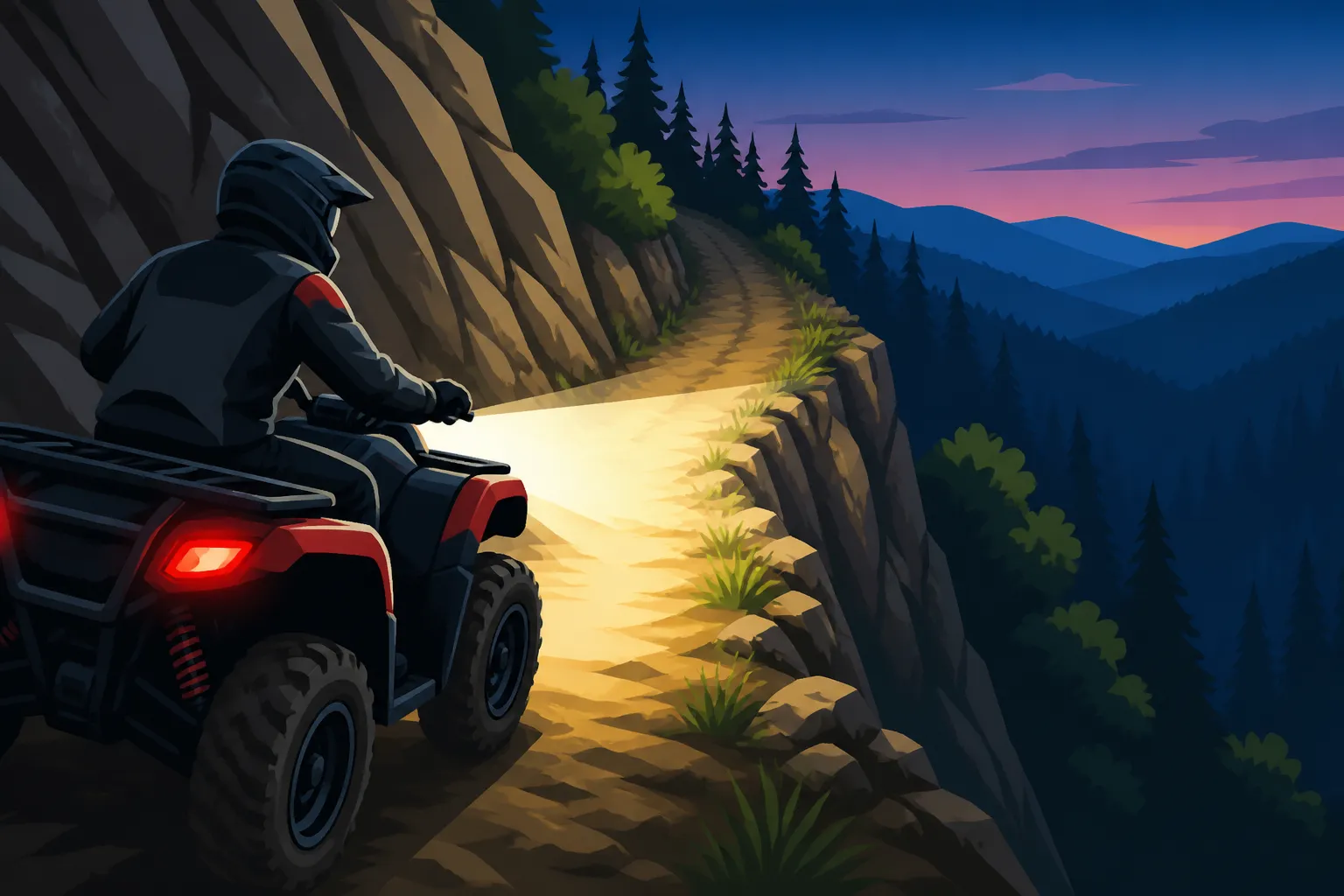
Picture this: a winding, unpaved road clinging to the side of a ridge, often just wide enough for one vehicle, with a steep drop-off on one side and an unforgiving rock face on the other. Now imagine navigating that in the dark. These narrow ridge lanes are some of the most beautiful, yet most treacherous, places you can ride. Blind curves are common, and the sudden appearance of oncoming traffic (even another OHV, or perhaps a local farmer's truck) can be startling.
When you're aiming a headlight for a narrow ridge lane, you need to anticipate these challenges. Slow speeds are not just recommended, they're mandatory. Using your horn around blind corners is a smart safety measure, letting any unseen vehicles know you're coming. Be prepared to stop or pull over quickly to allow others to pass. The uneven terrain, combined with limited visibility, means your machine's suspension and tire choices become even more critical for maintaining control. These are not roads where you want to be testing the limits of your machine or your skills, especially after sunset.
Gravel Roads and Dust Visibility
Gravel roads are a staple of rural Tennessee, connecting communities and providing access to countless trails. During the day, they're often dusty, but at night, that dust becomes a serious visibility killer. Your headlights, no matter how powerful, will reflect off airborne dust particles, creating a blinding "wall of light" right in front of your machine. This significantly reduces your effective range of vision, making it hard to spot potholes, washouts, or wildlife.
The key to riding gravel roads at night is reducing your speed dramatically and increasing your following distance if you're riding with a group. Sometimes, turning off your bright auxiliary lights and relying solely on your (properly aimed) headlights can actually improve visibility by reducing the amount of reflected glare. Be mindful of vehicles approaching from behind, as their headlights will also create a dust curtain. Your tail lights become critical in these conditions. Our guide on [Tennessee Rules for Riding a Gravel Road] offers more insights into navigating these surfaces.
Paved County Roads: Different Speeds, Different Risks
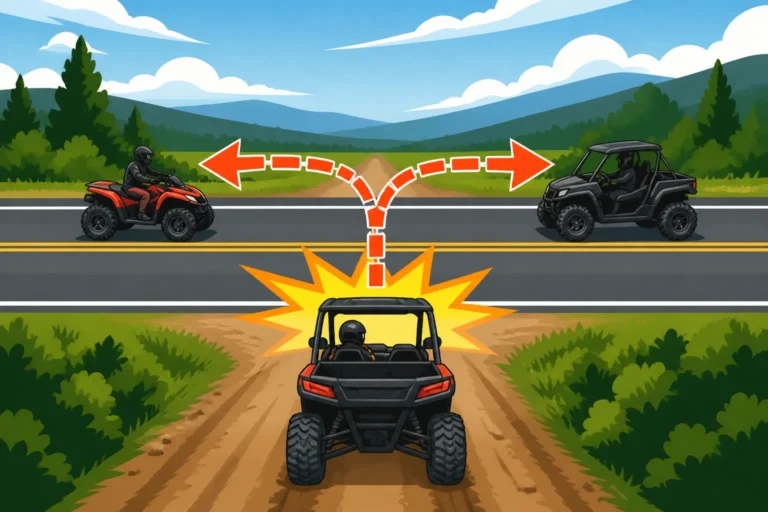
While not as common for OHV use as gravel or dirt, some paved county roads in Adventure Tourism Districts are designated for machines. These roads often have higher speed limits, and you're more likely to encounter traditional passenger vehicles and trucks traveling at faster speeds. The risks here shift from primarily terrain-related to traffic-related. Your headlights need to be aimed correctly to avoid blinding oncoming drivers, and your turn signals (if equipped) become essential for communicating your intentions.
Night riding on paved roads requires you to be acutely aware of your surroundings, constantly checking your mirrors, and adhering strictly to all traffic laws. The sudden transition from an unlit gravel road to a better-lit paved section can also play tricks on your eyes, so allow your vision to adjust. Always remember that on paved roads, you're sharing the space with vehicles that are much larger and faster, and whose drivers may not be expecting an OHV. Knowing [Tennessee UTV Speed Limit on Roads] and other applicable laws is crucial.
Staying Safe and Compliant: Beyond the Headlights
While proper lighting is absolutely non-negotiable for night riding, being safe and compliant on Tennessee's public roads involves much more. It's about a holistic approach to readiness, understanding the broader legal landscape, and preparing for the unexpected. Even with the best lights from SuperATV or any other reputable brand, if you're not legally permitted to be on a certain road, or if you're unprepared for an emergency, you're putting yourself at risk.
Driver's License, Insurance, and Vehicle Classification
Before you even think about hitting a public road – day or night – ensure you have the necessary credentials. In Tennessee, if you're operating an OHV on a public road, you generally need a valid driver's license. This isn't just a suggestion; it's a legal requirement. Similarly, while specific off-road insurance might not be mandated for private land use, if you're on public roads, liability insurance is often a critical requirement, just like any other motor vehicle. Always carry proof of your license and insurance.
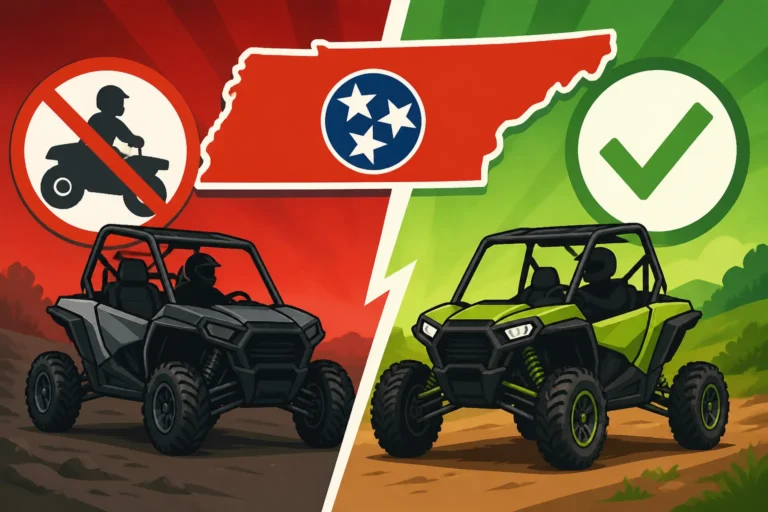
Furthermore, it's vital to understand your vehicle's classification. Tennessee has specific definitions for ATVs, UTVs (often falling under Class I or Class II OHVs), Low Speed Vehicles, and Medium Speed Vehicles. What kind of roads you can legally ride on, and under what conditions, often depends on how your machine is classified. An ATV might have different road use restrictions than a wider, more powerful side-by-side. Our articles [Tennessee Driver's License Rules for UTVs], [Tennessee UTV Insurance Requirement], and [Why Your Class Decides Your Road Rights] can provide crucial details here. Don't assume your buddy's setup is identical to yours in the eyes of the law.
Helmet Use and Passenger Rules
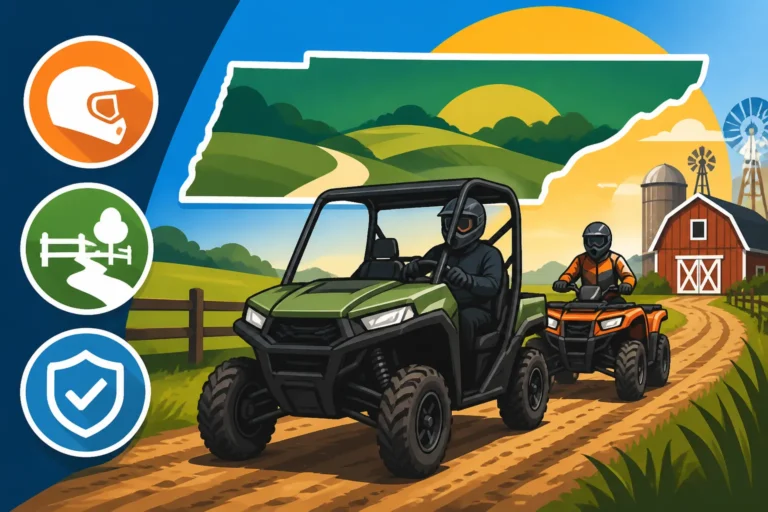
Tennessee has clear laws regarding helmet use, especially for minors, and these rules extend to public roads. If you or your passengers are under 18, a helmet is almost always required, whether you're on a trail or a public road. But even if you're over 18 and riding in an area where helmets aren't legally mandated, wearing one is a no-brainer for safety, especially at night on challenging roads. A sudden impact with a tree limb you didn't see or a collision with an unseen pothole can have severe consequences without proper head protection.
Passenger rules are also important. Many ATVs are designed for a single rider, and carrying an unauthorized passenger can be dangerous and illegal. UTVs, designed for multiple occupants, still have specific seating and restraint requirements. Ensure everyone in your party understands and adheres to these rules, especially when navigating the heightened risks of night riding on narrow roads. For more information, consult [Tennessee Helmet Law for ATV Riders] and [Tennessee Rules for a Passenger on a Road].
Pre-Ride Checks and Preparedness for Night Riding
The mantra for off-roading is "prepare for the worst, hope for the best," and this takes on even greater significance when riding at night. Before you even turn the key, conduct a thorough pre-ride check. This includes:
- Tires: Check pressure and tread condition. A flat tire at night in a remote area is a major headache.
- Fuel: Ensure you have enough, plus a little extra for emergencies.
- Battery: A weak battery can leave you stranded with no lights.
- Lights: As discussed, ensure all headlights, tail lights, and brake lights are functioning perfectly. Carry spare bulbs if possible.
- Communication: Have a fully charged cell phone. Consider a satellite communicator if you're in an area with no service.
- Emergency Kit: This should include a first-aid kit, tools, tire repair kit, zip ties, duct tape, and a flashlight.
- Recovery Gear: A winch is invaluable for getting unstuck, and heavy-duty tow straps are crucial. Many riders trust brands like SuperATV for durable winches and recovery gear that can handle the toughest Tennessee terrain. Don't forget gloves and a shovel!
Being prepared means not just having the gear, but knowing how to use it. A recovery in the dark is exponentially harder and more dangerous than in daylight, so proactive preparation is your best defense against a nightmarish breakdown.
Disclaimer
This article is for general informational purposes only and does not constitute professional advice. Laws, prices and regulations vary by location and change over time. Consult a qualified professional for guidance on your specific situation.