Riding East of US 27
Riding your ATV or UTV on public roads in Tennessee can feel like navigating a maze, especially when you hear whispers of certain highways being the invisible lines between what's allowed and what's not. The confusion around specific geographical markers, like US 27, often leaves riders scratching their heads, unsure if their machine is street legal for that particular stretch of pavement. This guide is here to untangle the complexities of Tennessee's OHV road use laws, focusing specifically on what you need to know when you're riding your machine east of US 27 in those famed adventure tourism districts.
Understanding Tennessee's Road Use Landscape for OHVs in East Tennessee
Tennessee isn't like some other states where a single, clear statewide rule dictates whether your ATV or UTV can touch asphalt. Instead, our state has adopted a more nuanced, and admittedly, more confusing, approach. For many riders, this means constant vigilance and research to avoid a hefty fine or, worse, a ruined trip.
The Patchwork of Local Regulations
The biggest hurdle for riders in Tennessee is understanding that there isn't one universal "street legal" standard across the board for off-highway vehicles (OHVs). While the state provides a framework, the actual ability to ride your ATV or UTV on a public road largely falls to local governments, particularly within designated "Adventure Tourism Districts." This means that what's perfectly fine in Scott County might land you a ticket just across the county line in a place that hasn't passed similar ordinances. It's a real frustration for folks who just want to enjoy their machines without becoming legal scholars, but it's the reality we live with here. You really have to dig into the local rules.
The Significance of Geographic Markers Like US 27
Highways like US 27 aren't just lines on a map; they often serve as crucial reference points for local ordinances. In many cases, these roads act as boundaries, defining the areas where certain OHV rules apply. It's not about the highway itself being "closed" or "open" to OHVs, but rather that the jurisdictions (counties or even specific towns) on either side might have entirely different regulations. When a statute or ordinance mentions a highway like US 27, it's usually because it's a prominent, easily identifiable landmark that helps define a specific zone of enforcement. This is particularly true in the East Tennessee counties known for their extensive trail systems and their efforts to accommodate riders.
The Adventure Tourism Districts and Named Counties
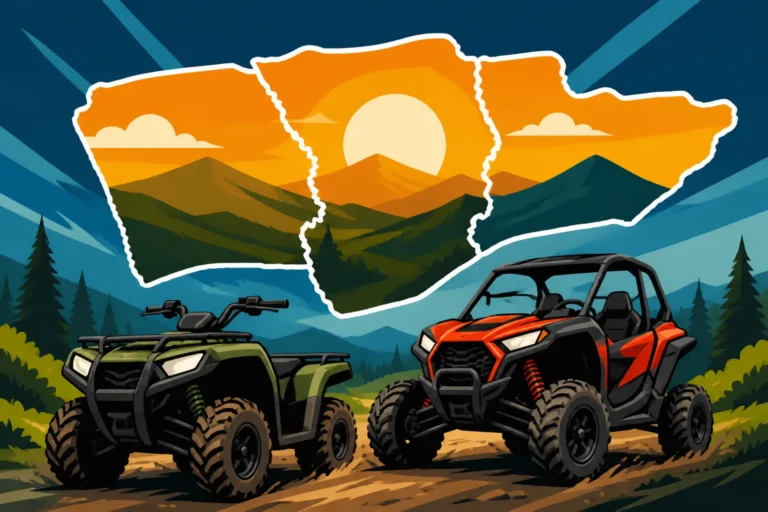
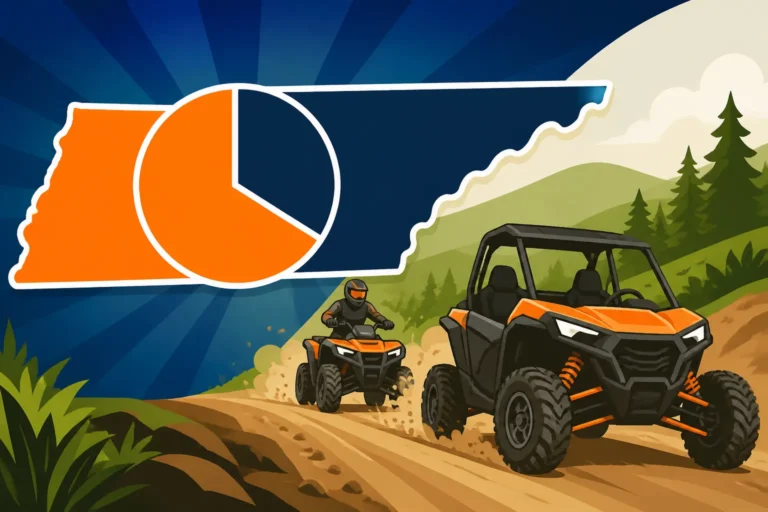
To truly grasp the rules east of US 27, you need to understand the concept of Tennessee's Adventure Tourism Districts. The state legislature, recognizing the economic boom brought by OHV recreation, empowered ten specific counties to designate certain roads for OHV use. This was a game-changer for many riders, opening up new possibilities for connecting trails and accessing services. These counties include Scott, Anderson, Campbell, Morgan, Jackson, Johnson, Perry, Unicoi, Fentress, and Hickman.
These districts exist precisely because our state government understood the unique needs of areas like East Tennessee, where trail riding is a major draw. For instance, [Why an Adventure Tourism District Matters] is crucial to understand here because it explains the legislative intent behind these designations. When you're looking at a map and seeing US 27 run through areas like Scott and Campbell Counties – both of which are listed among these ten – you know you're in a zone where specific local rules are highly likely to be in play. [Scott, Anderson and Campbell Counties] are often at the heart of these discussions, as they contain some of the most popular riding destinations in the Southeast.
Specifics of Riding East of US 27 in Relevant Counties
Let's zoom in on what riding east of US 27 actually entails, particularly in the counties most relevant to this discussion. This is where the rubber meets the road, quite literally, and where specific local ordinances dictate your adventure.
Scott County and Its Designated Roads
Scott County, nestled in the heart of Tennessee's adventure tourism region, has been a trailblazer in opening up roads for OHV use. If you're riding east of US 27 in Scott County, you're likely in an area where local regulations have created more opportunities for riders. Communities like Huntsville and Oneida have worked to designate streets, often unpaved county roads, for OHV access. This means you might be able to legally travel short distances on certain county roads to get from a campground to a trailhead, or from one trail system to another, without having to load your machine onto a trailer.
For example, areas like [Unincorporated Scott County's Open Roads] specifically refer to sections that have been deemed permissible. You might find yourself on a designated route that helps you bridge the gap [Between Brimstone Road and Norma Road], connecting to popular trailheads without issues. Even parts of [Riding Main Street in Huntsville] might be open under specific conditions, allowing you to grab a bite or refuel. This interconnectedness is a huge benefit, but it demands that riders pay close attention to the specific signage and published lists of designated roads. It's not a free-for-all; it's a carefully planned network.
Navigating Designated vs. Undesignated Roads
Just because you're in a county that permits OHV road use doesn't mean every road is open. This is a common and critical misunderstanding that can quickly lead to trouble. Each county or municipality within an Adventure Tourism District that chooses to allow OHV road access must publish a list of designated roads. These lists are non-negotiable. You can't just assume a road is open because it's unpaved or looks like a trail connector.
It's absolutely vital to do your homework before you head out. Your first stop should always be the county clerk's office website or the local sheriff's department for the specific county you'll be riding in. They are typically responsible for publishing these restricted or designated road lists. [Finding the Restricted Road List Your County Published] is your key to staying legal. Pay close attention to speed limits, too, as most designated roads will have a maximum posted speed, usually 45 mph or less. Riding on [Riding a Road Posted 45 mph or Under] is often a condition of legal use. If a road is posted higher, it's generally off-limits for OHVs.
Equipment and Rules for Road Use
Even on designated roads, your OHV isn't just an off-road machine anymore; it's a vehicle sharing the road with cars and trucks. This means it needs to meet certain safety and equipment requirements. While Tennessee doesn't have a statewide "street legal" kit requirement for all roads, counties allowing OHV use will typically mandate equipment similar to what you'd expect for any road-going vehicle. This generally includes:
- Headlights and Taillights: Operational and visible from a certain distance.
- Brake Lights: Clear and functional.
- Turn Signals: Essential for signaling intentions, especially on shared roads.
- Horn: A must-have for safety.
- Mirrors: Typically, at least one rear-view mirror.
- Seatbelts: If your machine has them, they must be worn.
- Fenders/Mud Flaps: To prevent debris from being thrown onto other vehicles.
Many riders turn to aftermarket solutions for these components. Companies like SuperATV offer a wide range of products, from turn signal kits to mirrors, that can help bring your machine up to snuff for road use. Beyond equipment, there are crucial rules of the road:
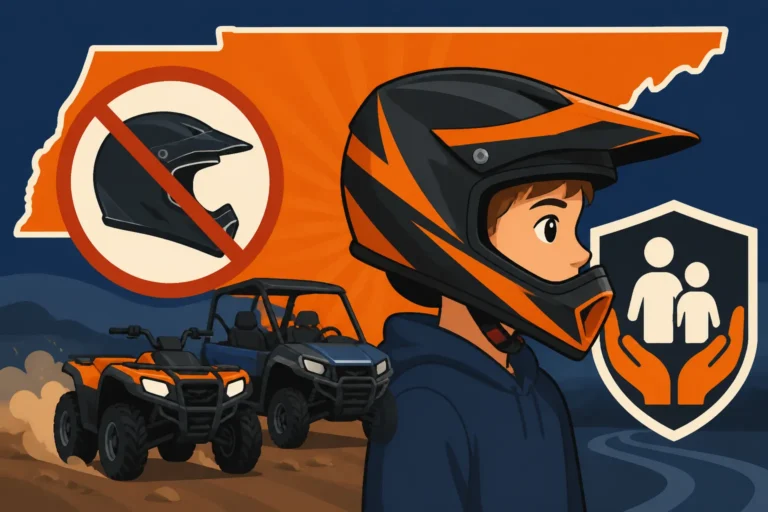
- Helmets: Generally, if you're under 18, a helmet is required on any public road, even designated ones. Some counties might have broader helmet requirements. Always check the local rules. For instance, [Tennessee Helmet Law for ATV Riders] outlines the state's baseline requirements.
- Driver's License: You must possess a valid driver's license to operate an OHV on a public road. [Tennessee Driver's License Rules for UTVs] clarifies this.
- Insurance: Proof of financial responsibility, typically liability insurance, is required for any vehicle operating on a public road. [Tennessee UTV Insurance Requirement] is a critical piece of paperwork to carry.
- Daylight Hours Only: Most designated road use is restricted to daylight hours, from sunrise to sunset. Night riding on public roads is generally prohibited for OHVs.
- No Passing Zones: Be mindful of no-passing zones and double yellow lines, just as you would in a car.
- Staying on the Edge: While driving on a designated road, operators are often required to stay as far to the right as practicable, allowing other vehicles to pass safely.
Equipping your machine with the right gear, perhaps a robust SuperATV windshield for better visibility or a set of their aftermarket tires designed for mixed terrain, will not only keep you compliant but also enhance your riding experience on these dual-purpose routes.
Practical Advice for Planning Your Ride East of US 27
Navigating the complexities of OHV road use in Tennessee, especially when you're looking at areas east of US 27, demands careful planning. A little preparation goes a long way in ensuring a fun, legal, and hassle-free trip.
Checking Local Ordinances and Maps
This cannot be stressed enough: always check the current local ordinances and published road lists for the specific county or municipality you intend to ride in. Laws and designations can change, and what was true last year might not be true today.
Here's how to go about it:
- County Clerk's Office: The county clerk's website is often the best starting point. Look for sections related to OHV or UTV ordinances, or road use.
- Sheriff's Department: Local law enforcement agencies often have information or links to the relevant ordinances.
- Adventure Tourism District Websites: Some of the designated counties might have their own tourism or OHV-specific websites that consolidate this information, sometimes even providing downloadable maps.
- Physical Signage: When you're on the ground, pay attention to road signage. Look for markers indicating OHV-designated routes or warnings about restricted areas.
Never rely solely on anecdotal information from other riders or outdated online forums. A quick call or email to the relevant county office can save you a lot of headache.
What to Carry and Expect
When you're riding on public roads, even designated ones, you should always be prepared for an encounter with law enforcement. They're there to ensure everyone's safety and compliance with the law. When [What a Tennessee Deputy Checks Roadside] happens, you'll want to have everything in order.
- Driver's License: Your valid driver's license is essential.
- Proof of Insurance: Carry your current insurance card or declaration page.
- OHV Title/Registration (if applicable): While Tennessee doesn't register ATVs or UTVs for road use in the traditional sense, having your title handy can prove ownership.
- Trail Permits: If you're using designated roads to connect to a state park or WMA trail system (like North Cumberland), ensure you have your appropriate trail permits, which might be required even for connecting roads within the trail system's vicinity.
- Map of Designated Roads: Carrying a physical or digital map clearly showing the designated OHV routes for that specific area is highly recommended. This demonstrates your due diligence.
- Safety Gear: Always wear a helmet, eye protection, and appropriate riding gear. While not always mandated for adults on roads, it's just smart practice.
- Well-Maintained Machine: Ensure your OHV is in good working order, with all required safety equipment functioning correctly. A breakdown on a public road is not only inconvenient but can also be dangerous.
Being polite, cooperative, and prepared will make any interaction with law enforcement much smoother. They appreciate riders who are doing their best to follow the rules.
Connecting to Trail Systems
One of the primary benefits of designated road use, particularly east of US 27, is the ability to seamlessly connect to Tennessee's world-class trail systems. Areas like Brimstone Recreation in Huntsville, Scott County, are prime examples. Many riders use these designated county roads to leave their cabins or campgrounds and ride directly to the main trailheads without needing to load up a trailer.
For instance, if you're planning on [Riding Brimstone for a Weekend], understanding the local road rules around Huntsville (which is east of US 27) can dramatically enhance your experience. Imagine being able to ride from your lodging straight onto the vast Brimstone trails, exploring hundreds of miles of diverse terrain. This eliminates the daily hassle of trailering your machine, saving you time and fuel. Just remember that once you enter the actual trail system, park permits and specific park rules will apply in addition to any road-use regulations you followed to get there.
Common Pitfalls and How to Avoid Them
Even with the best intentions, it's easy to fall into common traps when navigating Tennessee's complex OHV road laws. Understanding these pitfalls can help you avoid fines, frustration, and potential safety hazards.
Misinterpreting "Open Roads"
The biggest mistake riders make is assuming that "open roads" means all roads. This is rarely the case. A county might have designated some of its roads for OHV use, but left many others off-limits. For example, a main state highway like US 27 itself is almost universally off-limits to OHVs, even in counties that have designated side roads. When local ordinances refer to "open roads," they are almost exclusively talking about specific, usually unpaved or less-trafficked, county roads, and never federal interstates or major state routes unless explicitly stated in very rare and specific circumstances.
The key here is to stick to the officially published lists and maps. If a road isn't on the list of designated OHV routes, assume it's off-limits. Don't rely on GPS apps that might route you onto roads not intended for OHVs. Riding a non-designated road, even if it feels like a logical connector, can quickly lead to a citation.
Ignoring Equipment Requirements
Another frequent issue is riders overlooking the specific equipment required for road use. You might have a perfectly capable off-road machine, but without proper headlights, taillights, brake lights, turn signals, mirrors, and a horn, it's not ready for public roads, even the designated ones. Ignoring these requirements isn't just a technicality; it's a safety issue. Imagine trying to make a turn without turn signals on a road shared with cars – it's an accident waiting to happen.
Many riders invest in comprehensive "street legal kits" from aftermarket companies. SuperATV, for instance, offers various kits that bundle all the necessary lighting and signaling components, making it easier to ensure your UTV or ATV meets the typical requirements for designated road use. Installing these components is usually straightforward, but ensuring they're properly wired and functioning is crucial before you venture onto any paved surface. A quick pre-ride check of all your lights and signals is a simple habit that can prevent a lot of headaches.
The "I Didn't Know" Excuse
It's tempting to think that ignorance of the law is an excuse, especially when the laws are as nuanced as they are in Tennessee. However, the "I didn't know" defense rarely holds up with law enforcement. Ultimately, it's the operator's responsibility to understand and abide by the laws of the jurisdiction they are riding in. This is why thorough research and preparation are so vital.
While the complexities can be frustrating, especially for out-of-state visitors, taking the time to understand the specific rules for riding east of US 27 in a given county will protect you from potential legal issues. [Tennessee Fines for Illegal UTV Road Use] can be substantial, often accompanied by a Class C misdemeanor charge, which can put a serious damper on your riding adventure. Always assume that deputies and local police are knowledgeable about their specific county's OHV ordinances, and be prepared to demonstrate your compliance.
| Aspect | East of US 27 in Designated Counties (e.g., Scott) | Other Areas / Non-Designated Roads |
|---|---|---|
| Road Use | Permitted on specific, designated roads | Generally prohibited on public roads |
| Connecting Trails | Often allowed for access to trailheads | Requires trailering OHV to trailheads |
| Equipment | Specific street-legal equipment required (lights, horn, mirrors, etc.) | Not required for off-road use only |
| Driver's License | Required | Not required for off-road use only |
| Insurance | Required | Not required for off-road use only |
| Helmet (18 & Under) | Generally required on public roads | Required when operating off-road |
| Hours of Use | Typically daylight hours only (sunrise to sunset) | No specific time restrictions off-road |
| Local Knowledge | Absolutely critical to check current ordinances | Less critical for purely off-road riding |
Disclaimer
This article is for general informational purposes only and does not constitute professional advice. Laws, prices and regulations vary by location and change over time. Consult a qualified professional for guidance on your specific situation.