Tennessee Cities That Allow UTVs on Streets
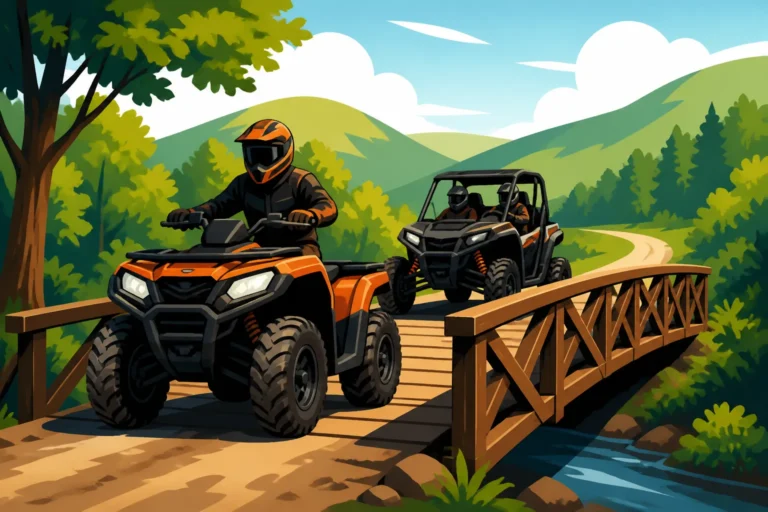
It's a common dilemma for UTV owners in Tennessee: you've got this incredible machine perfect for trails, but you also want the convenience of taking it down the street to grab supplies, hit a local diner, or even just get to the next trailhead without loading it onto a trailer. For a long time, the answer across most of Tennessee was a frustrating "no," leading to a lot of confusion and even tickets. This guide aims to clear up that confusion, diving deep into which Tennessee cities and counties are now opening their streets to UTVs, what conditions apply, and what your machine needs to meet the requirements.
Understanding Tennessee's Evolving Approach to UTV Road Use
For years, operating an off-highway vehicle (OHV) like an ATV or UTV on public roads in Tennessee was, with very few exceptions, strictly prohibited. This blanket ban was a source of constant frustration for riders, especially in the state's prime riding areas where trails often intersect or connect via short stretches of paved roads. Imagine being minutes from a fantastic trail system, but having to trailer your rig just to cross a single county road. It was inefficient, inconvenient, and frankly, a bit of a buzzkill. The state's general stance was that these machines weren't designed for road use and therefore posed a safety risk.
However, times change, and so do laws, especially as the popularity of UTVs has exploded. Lawmakers and local communities began to recognize the economic potential of allowing UTVs on certain roads, particularly in areas rich with outdoor recreation. This recognition led to significant legislative changes, culminating in recent updates that empower local governments to designate roads for UTV use under specific conditions. This shift has been a game-changer, moving Tennessee from a near-total prohibition to a more nuanced, locally-driven approach. It means the answer to "Can I ride my UTV on the street?" is no longer a simple yes or no, but rather, "It depends on where you are." You can read more about the broader changes in [What House Bill 810 Changed in 2025].
The Statewide Framework and Local Control
The crucial change in Tennessee's UTV road laws is the emphasis on local control. While the state still maintains a general prohibition on UTVs on state highways and interstates (with very limited exceptions for crossings), it has given counties and municipalities the authority to pass their own ordinances. This means that a county or city council can, by a majority vote, designate certain public roads under their jurisdiction for UTV use. This isn't a free-for-all; these designations come with specific rules, restrictions, and requirements that riders must adhere to. The legislation was designed to allow communities to tailor road access to their unique needs and recreational offerings, especially in areas looking to boost adventure tourism. This local-level decision-making is why you can't assume that if it's legal in one town, it's legal in the next one over. Each jurisdiction has the power to set its own rules, or to set none at all.
This framework is a direct response to the growth of off-road tourism. Communities like those surrounding Windrock Park, Brimstone Recreation, and Ride Royal Blue have seen a massive influx of visitors specifically for UTV riding. Allowing limited road use helps these local economies by making it easier for riders to access amenities like restaurants, gas stations, and lodging, creating a more integrated and enjoyable visitor experience. However, it also places the burden on riders to know and understand the specific local rules, as ignorance is definitely not an excuse if you get pulled over outside of a designated zone.
Adventure Tourism Districts and Their Impact
A key part of Tennessee's strategy to integrate UTVs into local road networks involves the creation of "Adventure Tourism Districts." These districts are specifically designed to promote outdoor recreation and, crucially, provide a framework for counties to allow UTVs on roads. The initial legislation named ten counties as part of this initiative: Scott, Anderson, Campbell, Morgan, Jackson, Johnson, Perry, Unicoi, Fentress, and Hickman. These counties are primarily located in areas with significant natural beauty and existing trail systems, making them prime candidates for UTV-friendly road access. The designation means these counties have a clearer path to implementing UTV road use ordinances, though they still must follow the proper procedures and set their own specific rules.
Within these districts, counties are empowered to designate specific county roads as open for UTV use. This has opened up new possibilities for riders, allowing them to legally connect trails, access businesses, and enjoy the scenery from their machines. However, it's important to remember that this designation doesn't automatically mean all roads in these counties are open. It's usually a specific, often mapped, network of roads. These districts acknowledge the substantial economic contribution of off-road enthusiasts and aim to create a more welcoming environment, both for residents and visitors. They represent a significant shift in how Tennessee views and regulates off-highway vehicle use, moving towards a more inclusive approach that balances safety with economic development.
Specific Cities and Counties Allowing UTVs on Streets
Navigating the landscape of UTV-friendly cities and counties in Tennessee can feel a bit like a treasure hunt, as the rules are hyper-local and constantly evolving. However, certain areas have been at the forefront of embracing UTV road use, largely driven by their proximity to major trail systems and the economic benefits that off-road tourism brings. These are the places where you're most likely to find designated streets and a welcoming attitude toward UTVs.
LaFollette and Campbell County
LaFollette, nestled in Campbell County, is a prime example of a Tennessee city that has actively opened its streets to UTVs. Given its close proximity to popular riding areas like Royal Blue and Windrock Park, the city recognized the immense potential of catering to the off-road community. Since 2017, LaFollette has designated specific city streets for UTV use, allowing riders to traverse parts of the town to access services, restaurants, and lodging. This has been a huge boon for local businesses and a welcome convenience for riders. The designated roads are typically well-marked, and the city maintains a map or list of accessible routes. It's not a free-for-all, though; riders must adhere to local speed limits, operate only during daylight hours, and ensure their machines meet specific equipment requirements. The rules often reflect state guidelines for low-speed vehicles, ensuring safety for both riders and other motorists. For more specifics, check out [LaFollette's Designated Roads Since 2017].
Campbell County itself, being one of the Adventure Tourism Districts, has also taken steps to open certain county roads. This means that beyond LaFollette's city limits, you might find stretches of county roads where UTVs are permitted, often connecting trails or linking to other communities. This interconnectedness is vital for multi-day rides, allowing enthusiasts to truly explore the region without constantly loading and unloading their machines. Riders frequently use aftermarket accessories from companies like SuperATV to ensure their machines are properly equipped with the necessary lights, mirrors, and other safety features required by these local ordinances. Always double-check the most current maps and ordinances published by both the city of LaFollette and Campbell County before planning your ride.
Scott County and Huntsville
Scott County, home to Brimstone Recreation and the North Cumberland WMA, is another stronghold for UTV enthusiasts, and its approach to road use reflects this. Huntsville, a key city within Scott County, has taken significant steps to allow UTVs on its streets, particularly those connecting to the vast trail networks. The emphasis here is often on creating "open streets" during specific times or for certain events, but generally, the county has worked to integrate UTVs into the local traffic flow on designated routes. The idea is to allow riders to seamlessly transition from the trails to the town, supporting local businesses and enhancing the overall visitor experience. This is especially true for those riding in the area around [Brimstone Recreation at Huntsville, Tennessee].
Like other UTV-friendly areas, Scott County and Huntsville typically have a clear list of designated roads and specific rules for operation. These often include requirements for safety equipment, speed limits (typically 35 mph or 45 mph on designated roads), and restrictions on interstate or high-speed state highway access. For instance, specific state routes like SR 63 and US 27 often remain closed to UTVs, with very limited exceptions for crossing, or designated open weekends on SR 63. These local regulations are critical to understand, as straying onto a prohibited road can result in a fine. Riders often install turn signal kits, horns, and proper lighting from reputable brands to comply with these local rules, making their machines more visible and safer for road use. The goal is to provide freedom while maintaining safety for everyone sharing the road.
Anderson County and Oliver Springs
Anderson County, which hosts a large portion of the massive Windrock Park, has also been proactive in developing UTV-friendly road policies. The town of Oliver Springs, in particular, serves as a gateway to Windrock and has explored various ways to accommodate riders. While the specifics can vary, the general trend in Anderson County is towards allowing UTVs on designated county roads, especially those leading to and from major trailheads and recreational areas. This allows riders to travel from their lodging to the park entrance, or venture into town for supplies, food, and fuel. You'll find many riders stocking up at the Windrock General Store before hitting the trails.
The ordinances in Anderson County often focus on connecting the dots between recreational zones and local commercial hubs, ensuring that the economic benefits of off-road tourism are fully realized. Riders should always be aware of the specific roads that are designated for UTV use, as not all roads in Anderson County will be open. Equipment requirements are paramount, mirroring those found in other UTV-friendly jurisdictions: proper lighting, mirrors, seatbelts, and a horn are typically non-negotiable. Many riders rely on high-quality aftermarket parts to meet these standards, ensuring their vehicle is both compliant and safe for occasional road excursions. Understanding the specific [Tennessee Rules for Riding a County Road] is essential before venturing out.
Here's a quick overview of UTV road access in these key areas:
| Jurisdiction (Example City) | Status on City Streets | Status on County Roads | Key Restrictions/Notes |
|---|---|---|---|
| Campbell County (LaFollette) | Designated: Specific streets within LaFollette are open. | Designated: Certain county roads connect trail systems and towns. | Daylight hours only. Speed limits 35-45 mph. Full safety equipment required (lights, mirrors, horn, etc.). Check current city/county maps. |
| Scott County (Huntsville) | Designated: Specific streets in Huntsville open, often connecting to trails. | Designated: Many county roads are open, especially near Brimstone. | Daylight hours only. Speed limits 35-45 mph. Strict equipment rules. SR 63 and US 27 typically restricted, or only open on specific weekends (e.g., [SR 63's Two Open Weekends a Year]). |
| Anderson County (Oliver Springs) | Designated: Routes in Oliver Springs often connect to Windrock Park. | Designated: County roads leading to trailheads and amenities. | Daylight hours only. Speed limits apply. Must have required safety gear. Focus on connection routes, not all roads are open. |
| Other Adventure Tourism Districts (e.g., Morgan, Johnson, Fentress Counties) | Varies: Check with specific city governments. | Potential: Counties may designate roads; requires local ordinance. | Local ordinances are key. Do not assume. Always verify with local authorities. |
Disclaimer: This table provides general information. Local ordinances can change rapidly. Always check with the specific city or county clerk's office for the most current and detailed regulations before operating your UTV on public roads.
What Your UTV Needs to Be "Street Legal" in These Areas
Even when a Tennessee city or county allows UTVs on its streets, it's not simply a matter of rolling off the trail and onto the pavement. Your UTV must meet specific equipment requirements to be considered "street legal" for these designated routes. These regulations are in place to ensure the safety of UTV operators, passengers, and other motorists on the road. Failing to comply can result in fines, and potentially, having your ride cut short. Understanding these requirements is the first step in preparing your machine for mixed-use adventures. Many riders turn to aftermarket accessory providers like SuperATV for their conversion kits and individual components to meet these standards.
Essential Lighting and Visibility
Visibility is paramount when operating any vehicle on a public road, and UTVs are no exception. To be considered street legal in Tennessee's designated areas, your machine will almost certainly need:
- Headlights: Functional headlights are a must, providing illumination for the operator and making the UTV visible to oncoming traffic. These typically need to be DOT-approved, meaning they meet specific brightness and beam pattern standards. While most UTVs come with headlights, ensuring they are road-compliant is key.
- Taillights: Red taillights are required at the rear of the vehicle to indicate its presence to following traffic. Like headlights, these need to be properly positioned and functional.
- Brake Lights: Integrated with your braking system, these lights must illuminate when the brakes are applied, signaling to drivers behind you that you are slowing down or stopping. This is a critical safety feature.
- Turn Signals: Often not standard on off-road UTVs, turn signals (amber in color, front and rear) are a common requirement for road use. They allow you to clearly signal your intentions to turn or change lanes, which is crucial for predictable road behavior. Many aftermarket kits, including those from SuperATV, offer complete turn signal solutions designed specifically for UTVs.
- Reflectors: Additional reflectors may be required on the sides and rear of the vehicle to enhance visibility, especially in low-light conditions.
Ensuring all these lighting components are properly installed, wired, and functioning correctly is not just about compliance; it's about your safety and the safety of others on the road. Don't skimp on these critical items, as poor visibility is a leading cause of accidents.
Mirrors, Horn, and Windshield
Beyond lighting, other fundamental safety and communication features are necessary for street legality:
- Mirrors: You'll need at least one rearview mirror, and often two (side mirrors), to provide the operator with a clear view of traffic approaching from behind and to the sides. Just like a car, situational awareness is key on public roads. Good quality mirrors that don't vibrate excessively are a worthwhile investment.
- Horn: A functional horn is essential for alerting other drivers or pedestrians to your presence. Whether it's to signal a warning or simply to acknowledge another driver, a horn is a standard safety device. While many UTVs come with a basic horn, ensuring it's loud enough for road use is important.
- Windshield: A windshield is often required to protect the operator and passengers from debris, wind, and insects. This improves visibility and comfort, and some ordinances specify that the windshield must be automotive-grade safety glass or a similar shatter-resistant material. Some UTVs come with half-windshields that may not meet the full height requirements, so verify local specifications.
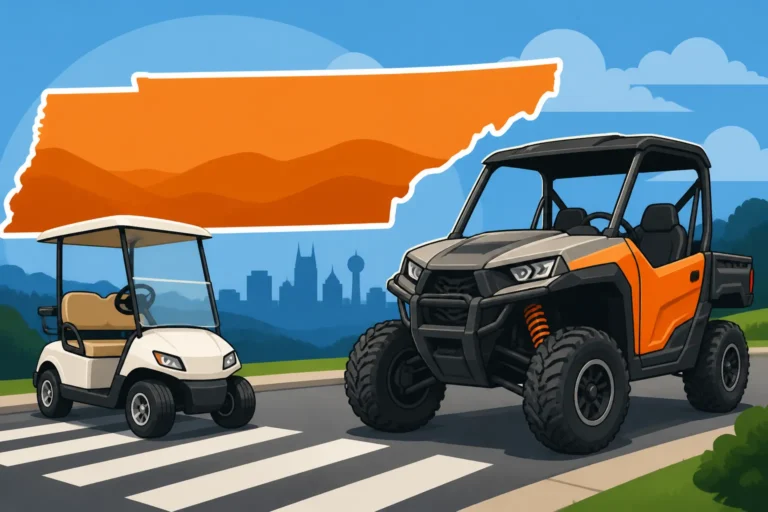
Many of these items, like mirrors and horns, are easy add-ons. For windshields, ensure they are clean and provide an unobstructed view. Think of your UTV as needing to mimic the basic safety features of a golf cart or a low-speed vehicle when it's on the street. For detailed requirements, refer to [Tennessee UTV Road Requirements].
Seatbelts, Operator License, and Insurance
These non-equipment requirements are just as critical as the physical modifications to your machine:
- Seatbelts: All occupants of the UTV must be secured by seatbelts. This is a universal safety standard and a basic requirement for any vehicle on a public road. Ensure your UTV has functional seatbelts for every seating position, and that all passengers use them.
- Operator License: The person operating the UTV on public roads must possess a valid driver's license. This means a standard automobile driver's license; a special OHV license is not typically required in Tennessee for road use, but a learner's permit or ATV safety course certificate alone is usually insufficient. This requirement generally sets a minimum age of 16 for operators on public roads. You can learn more about this in [Tennessee Driver's License Rules for UTVs].
- Insurance: Most UTV-friendly ordinances will require the UTV to be covered by liability insurance. This protects you and others in case of an accident. While specific coverage amounts can vary, having at least the state minimum for automobile liability insurance is usually a good starting point. Always carry proof of insurance with you when riding on public roads. This is a crucial aspect of responsible road use, and you can find more information at [Tennessee UTV Insurance Requirement].
- Registration/Titling: While Tennessee does not "register" OHVs in the traditional sense like cars, your UTV must be titled. The title process often involves receiving a Tennessee Department of Revenue (TDR) sticker, which is proof of your valid Tennessee title. This sticker doesn't grant road access but proves ownership and tax payment. For road use, the local ordinances typically focus on the equipment and driver requirements, not a separate road registration. You can learn more about this in [Does Tennessee Register ATVs?].
Meeting all these requirements can seem like a lot, but it's essential for safe and legal operation. Many UTV owners find it beneficial to create a checklist and address each item systematically, often using aftermarket parts from companies like SuperATV to ensure full compliance. This proactive approach prevents headaches and allows you to enjoy your ride without worrying about legal ramifications.
Navigating Designated Routes and Restrictions
So, you've got your UTV properly equipped and you're in a city or county that allows road use. Fantastic! But before you hit the pavement, it's absolutely vital to understand that "allowed" doesn't mean "unrestricted." These local ordinances come with very specific rules about where you can ride, when you can ride, and how you must operate your machine. Ignoring these restrictions can quickly turn a fun outing into a costly citation. The goal of these rules is to balance recreational access with public safety and minimize disruption to traditional traffic flow.
Road Types and Speed Limits
One of the most important aspects of navigating UTV-friendly areas is understanding which roads are designated and what their associated speed limits are.
- Designated County Roads and City Streets: In areas like Scott, Anderson, and Campbell counties, local ordinances will specifically list or map out the county roads and city streets that are open to UTVs. These are often lower-speed roads, connecting trails, campgrounds, and local businesses. You cannot simply ride on any county road. It's crucial to obtain the most current map or list from the county or city clerk's office or their official website. Riding outside of these designated areas is considered illegal.
- State Highways and Interstates: Generally, UTVs are not permitted on state highways (those marked with an "SR" or "US" number) or interstate highways (marked with an "I" number). There might be very limited exceptions for direct, perpendicular crossings of two-lane state highways where designated by the Tennessee Department of Transportation (TDOT). However, continuous travel on these higher-speed, higher-traffic roads is typically forbidden. For example, in Scott County, while many county roads are open, state routes like SR 63 and US 27 remain largely off-limits, save for specific weekends or designated crossing points. Understanding [Tennessee Rules for Crossing a Highway] is vital here.
- Speed Limits: Where UTVs are allowed on roads, they are almost always restricted to roads with a posted speed limit of 45 mph or less. Often, the UTV itself will have a maximum allowable speed on these roads, typically around 35-45 mph, regardless of the posted limit. You must always adhere to the posted speed limit of the road, or the maximum speed limit for UTVs as defined by the local ordinance, whichever is lower. This is critical for safety, as UTVs are not designed for high-speed road travel. You can find more information on this in [Tennessee's 45 mph Road Rule].
Time of Day and Other Operational Rules
Beyond where you ride, when and how you ride are equally regulated.
- Daylight Hours Only: A common restriction in almost all Tennessee UTV road use ordinances is that operation is limited to daylight hours. This means no riding from sunset to sunrise. While your UTV might have excellent aftermarket lighting, the law usually specifies this restriction due to visibility and safety concerns for these types of vehicles. For more details, see [Riding Only Between Sunrise and Sunset].
- No Reckless Operation: Just like any other vehicle, UTVs must be operated safely and responsibly on public roads. This means no reckless driving, no stunts, and adhering to all traffic laws, including stop signs, yield signs, and traffic signals. UTVs are not immune to DUI laws, and operating a UTV under the influence on a public road is illegal and carries severe penalties.
- Passengers: The number of passengers is limited to the number of available seatbelts. Passengers must also be properly secured with seatbelts, and there may be age restrictions for passengers, particularly for very young children.
- Helmets: While Tennessee has specific helmet laws for motorcycle riders, the requirements for UTVs on designated roads can vary by local ordinance. Some counties may mandate helmets for all riders, while others might only require them for operators and passengers under 18 years of age. Always check the specific local rules, as well as general statewide [Tennessee Helmet Law for ATV Riders]. When in doubt, wearing a helmet is always the safest option.
- Insurance and Driver's License: As mentioned before, you absolutely must have a valid driver's license and proof of insurance readily available when operating on public roads. A Tennessee deputy or local law enforcement officer will expect to see these, along with proof that your machine is legally allowed on that particular road.
Before embarking on any road ride, it's your responsibility to review the specific ordinances for the city and county you plan to operate in. Many of these areas will publish maps and detailed rule lists online or have them available at their county clerk's office. Making a quick call to the local sheriff's department or city police department can also clarify any lingering questions. Being informed ensures a safe, legal, and enjoyable experience for everyone.
Disclaimer
This article is for general informational purposes only and does not constitute professional advice. Laws, prices and regulations vary by location and change over time. Consult a qualified professional for guidance on your specific situation.