Tennessee Rules for Riding a Park Road
It can be incredibly confusing trying to figure out where you can and cannot ride your ATV or UTV in Tennessee, especially when you hear terms like "park road." Many riders assume a road is a road, but the truth is, the rules for driving your machine on a paved or unpaved path can drastically change depending on whether it's a county road, a state highway, or a road within a park. This guide is here to clear up that confusion, specifically focusing on what you need to know about riding your OHV on a park road in the Volunteer State.
Understanding "Park Roads" in Tennessee: It's Not as Simple as It Sounds
When we talk about a "park road" in Tennessee, it's easy to picture a scenic paved drive through a state park, or maybe a gravel lane winding through a national forest. However, for ATV and UTV riders, the term "park road" actually has several different meanings, and understanding these distinctions is absolutely crucial. Misinterpreting where you can ride can lead to fines, damage to sensitive ecosystems, or even legal trouble. The rules governing these roads are rarely uniform, and they depend heavily on who owns and manages the land.
State Parks vs. National Parks vs. Private OHV Parks
Let's break down the main types of "parks" and what their "roads" mean for your off-highway vehicle:
-
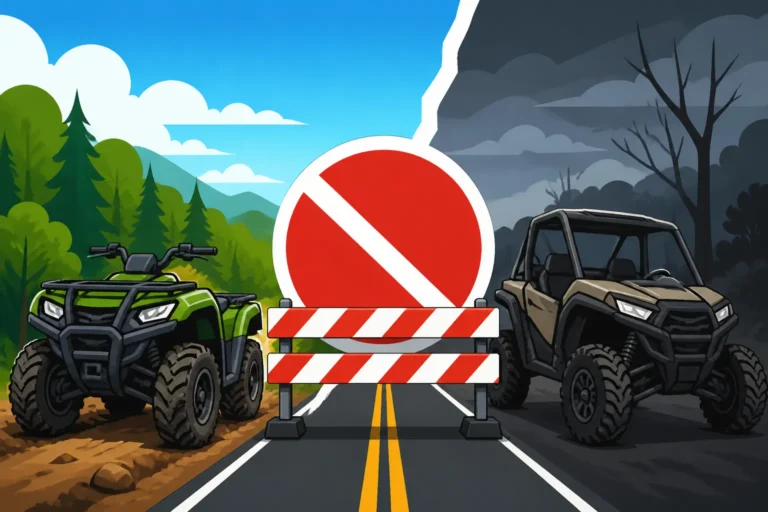
Tennessee State Parks: Generally speaking, Tennessee State Parks are not designed for ATV or UTV riding. These beautiful natural areas, managed by the state, focus on conservation, hiking, camping, fishing, and other low-impact recreational activities. The paved and unpaved roads within these parks are almost universally closed to OHV use. You won't find designated ATV trails here, and attempting to ride your machine on a state park road is usually prohibited. The intent is to preserve the park's tranquility and natural resources, and motorized vehicles like ATVs and UTVs simply don't fit that mission in most cases. So, if you're thinking of taking your side-by-side for a cruise through, say, Fall Creek Falls State Park, you'll need to leave it on the trailer.
-
National Parks (e.g., Great Smoky Mountains National Park, Big South Fork National River and Recreation Area): National parks and recreation areas in Tennessee fall under federal jurisdiction, and their rules for OHVs are extremely strict. For places like the Great Smoky Mountains National Park, OHVs are absolutely not permitted on any roads or trails within the park boundaries, period. These are treasured landscapes protected for their natural and historical significance, and motorized off-road use is incompatible with their mission. However, there are very specific exceptions, such as within the Big South Fork National River and Recreation Area. Here, the historic [Big South Fork's O and W Road for Riders] allows for some limited motorized access, but this is a specific, designated exception, not a typical "park road" for general OHV use. It's vital to research any national park or recreation area specifically to see if any motorized access is allowed on any designated route, as such instances are rare and heavily regulated.
-
Private OHV Parks (e.g., Windrock, Brimstone, Royal Blue): This is where the term "park road" is most relevant and permissible for ATV and UTV riders in Tennessee. Private OHV parks like [Windrock Park at Oliver Springs, Tennessee], [Brimstone Recreation at Huntsville, Tennessee], or Ride Royal Blue are purpose-built recreation areas that offer hundreds of miles of trails and access roads specifically for off-highway vehicles. These "park roads" within private OHV areas are essentially wider, often well-maintained gravel or dirt paths that connect different trail systems, provide access to staging areas, campgrounds, or scenic overlooks. While they might feel like roads, they are part of the private trail network and are governed by the park's specific rules, not necessarily general state road laws. These are your go-to destinations for dedicated OHV riding.
The Distinction: Road Use vs. Trail Use Within a Park
Within these private OHV parks, what many riders call a "park road" is really just a wider, sometimes smoother, part of the overall trail system. It's crucial to understand this distinction. When you're driving your side-by-side on a wide gravel path that leads from the general store to a trailhead at Windrock, you're not on a public road in the legal sense. You are still within the private property of the park, and subject to their specific rules, not Tennessee's statewide laws for public road use.
This means that street-legal modifications, while always a good idea for safety and visibility, are generally not required by the park itself for riding on these internal roads and trails. Things like turn signals, mirrors, or a horn might make your ride safer, especially if you get a kit from a company like SuperATV, but the park doesn't usually mandate them for internal use. The main requirements for these internal "park roads" are often tied to holding a valid park permit and adhering to the park's specific safety guidelines. You're riding on private land, even if it looks like a public road, and that's the key difference.
Rules Specific to Private OHV Park Roads
Since private OHV parks are the primary places where you can ride your ATV or UTV on designated "park roads" in Tennessee, let's dive into the common rules you'll encounter at places like Windrock, Brimstone, or Royal Blue. These rules are designed for safety, environmental protection, and to ensure a good experience for all riders. Skipping over them can lead to being asked to leave, or worse, an accident.
Permits, Age, and Supervision
Before you even think about putting tires to dirt on a private park road, you'll need to be squared away with the entry requirements.
-
Permits are paramount: Every single rider, or at least one adult per vehicle, will need a valid permit to access any part of the park, including the main "park roads." These aren't just for the hardcore trails; they cover all areas open to OHVs. You'll typically find options for daily permits, or if you're a frequent visitor, annual permits. It's wise to review the specific park's permit options and costs before you arrive. For example, [Windrock's Trail Permits] or [Brimstone's Land Use Permits] are distinct from each other and from any state-issued permits you might hold for WMAs. Make sure you understand [Tennessee Trail Permits Explained] before you head out.
-
Age and Supervision Matters: Private OHV parks often have very specific rules regarding the age of operators and passengers. While state law may have general guidelines, the park's rules for their private property can be more stringent. Younger riders, especially those operating youth machines, will almost certainly require direct adult supervision, even on the wider park roads. Always check the park's website for their precise age restrictions and supervision requirements before bringing children or young adults to ride. It's a matter of safety for everyone on the property.
-
Waivers are Non-Negotiable: Expect to sign a comprehensive liability waiver before you're allowed to enter a private OHV park. This is standard practice across the industry. These waivers acknowledge the inherent risks of off-road riding. Often, these are signed at the same time you purchase your permit. If you're bringing minors, a parent or legal guardian will need to sign on their behalf.
Safety Gear and Machine Requirements
While you might not need a license plate for an internal park road, safety equipment and proper machine setup are almost always mandated.
-
Helmets, Always Check Park Rules: While Tennessee state law has specific helmet requirements for public road use, private parks frequently have their own helmet rules for all riders, regardless of age, on all trails and internal roads. Don't assume. Many parks will mandate helmets for all operators and passengers. This is for your safety. Always check the park's specific regulations, but it's generally a smart idea to wear a helmet any time you're on an OHV. Review [Tennessee Helmet Law for ATV Riders] and [Tennessee Helmet Law for Passengers] as a baseline, but remember parks can be stricter.
-
Spark Arrestors are Fire Prevention: If you're riding in wooded areas, especially during dry seasons, a properly functioning spark arrestor is absolutely essential to prevent wildfires. Most private OHV parks will mandate that your machine is equipped with one, and they may even perform checks. Ensuring your machine is compliant is not just about avoiding a fine; it's about protecting the environment and the park you enjoy.
-
Sound Limits and Width Restrictions: Some parks, particularly those with neighbors or within certain environmental zones, might have decibel limits for machines. While main "park roads" are usually wide enough for most standard UTVs, certain trails branching off these roads might have width restrictions. It's worth a quick check, especially if you have an extra-wide machine.
-
Machine in Good Working Order: Parks expect your machine to be safe to operate. This means working brakes, no excessive fluid leaks, and generally good mechanical condition. A breakdown on a remote park road is no fun for anyone. A pre-ride check is always a good idea.
Operational Rules and Courtesy
Even on these internal "park roads," good riding etiquette and adherence to specific operational rules are key to a smooth and safe experience.
-
Mind Your Speed: While you might be excited to open it up, most private parks enforce specific speed limits on their main access roads, especially near trailheads, entrance gates, campgrounds, or other populated areas. These limits are usually lower than what you might ride on open trails and are there for the safety of pedestrians, other vehicles, and animals.
-
Right-of-Way and Passing Etiquette: On shared trails and wider park roads, uphill traffic often has the right-of-way. Always be prepared to give way to larger vehicles, especially park maintenance or emergency services. When passing slower riders, do so safely, give ample warning, and try to avoid kicking up excessive dust that might obscure their vision. A little courtesy goes a long way.
-
Stay on Designated Paths: This is one of the most critical rules. No matter how tempting a shortcut might look, always stay on marked trails and designated park roads. Riding off-trail damages vegetation, can lead to erosion, disturbs wildlife, and can put you in unsafe situations. Ignorance is rarely an excuse when it comes to riding where you shouldn't. And remember, [Tennessee Rules for Riding a Closed Trail] apply even within private parks, so obey all signage.
-
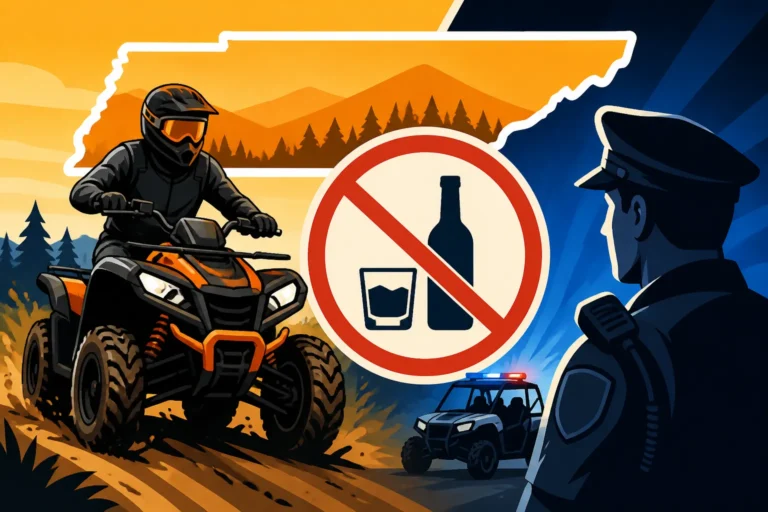
No Alcohol or Drugs: Operating an OHV under the influence of alcohol or drugs is strictly prohibited in private parks, just as it is on public roads. Parks will have a zero-tolerance policy for impaired riding. This is a safety issue for you, your passengers, and everyone else in the park. Review [Tennessee DUI Rules for ATV Riders] for the statewide perspective, but know parks will enforce this rigorously.
-
Designated Camping and Campfires: If you're camping, ensure you only set up in designated areas. Campfires are often restricted to established fire rings, and strict rules apply, especially during dry seasons. Never start a campfire on the side of a park road or in an undesignated spot, as this is a major fire hazard. Refer to [Tennessee Rules for Campfires at a Trail Park].
What About Officially "Street Legal" Machines on Park Roads?
This is a common point of confusion: "If my UTV is street-legal, does that change the rules for riding on a park road?" The short answer is usually "no" for private OHV park roads, but a resounding "yes" for any public roads you might encounter on the way to or between park sections.
Private Park Roads Don't Care About "Street Legal" Status
Let's clarify: if you've invested in making your UTV or ATV street-legal with items like turn signals, a horn, mirrors, and a windshield (perhaps a comprehensive kit from SuperATV), that's fantastic for safety and for riding on designated public roads. However, when you're inside a private OHV park, on their internal "park roads" or trails, your street-legal status doesn't typically grant you any special privileges or exempt you from the park's specific rules.
The park's permit requirements and safety regulations are paramount on their private property. Whether your machine has a license plate or not usually doesn't matter to the park itself. You still need their permit, you still need to follow their speed limits, and you still need to wear a helmet if they mandate it. While the added visibility and safety features of a street-legal machine are always beneficial, they aren't required by the private park for internal use, nor do they override the park's rules.
When Public Roads Intersect Park Access
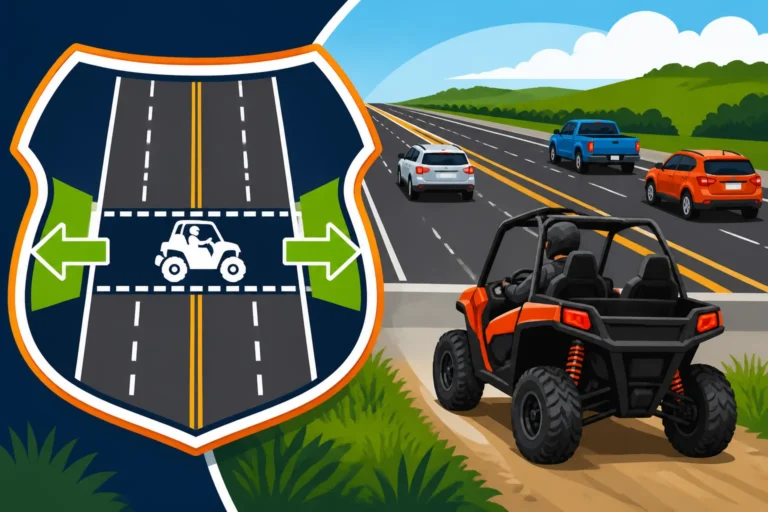
Here's where your machine's street-legal status becomes incredibly important. Many of Tennessee's fantastic OHV parks are located in rural areas and often require you to travel on public county roads or even state highways for short distances to reach the park entrance or to connect between different trailheads. In these instances, your machine must comply with Tennessee's street-legal requirements for OHVs.
This means that if you're riding your UTV from your cabin down a county road to get to the main Windrock gate, or if you're using a public road to connect from one unit of the North Cumberland WMA to another, your machine must be street-legal. This includes:
- Proper Titling and Registration: Your machine needs to be titled. While Tennessee does not register OHVs for general off-road use, it does have specific categories for vehicles like [Tennessee's Low Speed Vehicle Category] or [Tennessee's Medium Speed Vehicle Category] that can be operated on certain public roads.
- Insurance: Tennessee typically requires liability insurance for any motor vehicle operated on public roads. [Tennessee UTV Insurance Requirement] is a key point to check.
- Equipment: All the necessary equipment for public road use (headlights, tail lights, brake lights, turn signals, horn, mirrors, windshield, DOT-approved tires) must be present and functional. This is where those SuperATV kits really come in handy, ensuring your machine meets standards for [Tennessee UTV Road Requirements].
- Operator Requirements: The driver must meet age and licensing requirements for operating a motor vehicle on public roads. [Tennessee Minimum Age to Ride a Road] is 16 with a valid driver's license.
The rules for [Are UTVs Street Legal in Tennessee?] have also seen some changes, with [What Tennessee's 2025 UTV Law Changed] affecting how and where you can ride on public roads. It's a complex topic that varies by county and specific road designation. Always ensure you're compliant with public road laws when your tires touch any surface that isn't strictly private trail property.
Planning Your Ride: Ensuring Compliance and Safety
Riding an ATV or UTV on Tennessee's "park roads"—whether those are private trails or legally designated public routes—can be an incredible experience. But like any adventure, it requires careful planning and preparation. Don't let a lack of knowledge or preparation cut your ride short or, worse, put you in harm's way.
Researching Park-Specific Regulations
The single most important piece of advice we can give you is to do your homework before you leave home. Every private OHV park, and every managed public land area (like a WMA or the Big South Fork), will have its own unique set of rules and regulations.
- Check Websites and Call Ahead: Always visit the official website of the specific park or area you plan to ride. Look for sections on OHV rules, permits, age restrictions, and safety requirements. If you have any doubts, call their office directly. This proactive step can save you immense frustration. Imagine driving hours only to find out your machine isn't compliant or the park is closed!
- Look for Updates: Park rules can change, especially concerning trail closures due to weather ([Tennessee Trail Closures to Check]) or maintenance. Always check for the latest information. Many parks have social media pages or alert systems for real-time updates.
- Understand Permit Reciprocity: Don't assume a permit from one park (or even a state WMA permit) is valid at another. [Why a Tennessee Park Permit Does Not Travel] is a crucial concept. Each private park requires its own permit.
Essential Gear and Preparedness
Once you've got the rules down, turn your attention to what you and your machine need for a safe and enjoyable ride.
- Survival Essentials: Even on well-traveled park roads, it's wise to carry a basic first-aid kit, plenty of water, some snacks, and basic tools for minor repairs (tire plug kit, air pump, basic wrench set). Cell service can be spotty in many rural riding areas; check [Tennessee Trails With Cell Coverage] for an idea of where you might lose signal. A paper map of the trail system, or a GPS device with pre-loaded maps, is often far more reliable than your phone.
- Extra Fuel: Plan your fuel stops carefully. While some major parks have fuel available, smaller ones might not, or it might be far from the trails. Carrying a small, approved fuel can is never a bad idea on longer rides.
- Proper Attire: Dress in layers, as weather can change quickly in the mountains. Sturdy boots, gloves, and eye protection (even with a windshield, dust and debris can get in) are essential. Blaze orange is often required during specific hunting seasons in WMAs, even on trails; check [Tennessee Riding in Hunting Season] for details.
- Machine Inspection: Before every ride, do a quick safety check of your OHV. Check tire pressure, fluid levels, brakes, lights, and ensure all nuts and bolts are snug. A little preventative maintenance goes a long way in preventing a breakdown miles from the staging area.
| Park/Road Type | OHV Access on Roads | Permit Required (OHV) | Street Legal Req. (OHV) | Helmet Req. (Adult) | Typical Purpose |
|---|---|---|---|---|---|
| TN State Parks | Generally NO | No | N/A | N/A | Hiking, Camping, Nature |
| National Parks | Very Restricted/NO | No | N/A | N/A | Conservation, Scenery |
| Private OHV Parks | YES (internal roads) | YES | NO (for internal use) | Often YES | Dedicated OHV Riding |
| Public County Roads | YES (if street-legal) | No | YES | Varies by Law | Transportation, Access |
| Public State Highways | YES (if street-legal) | No | YES | Varies by Law | Transportation, Access |
Disclaimer
This article is for general informational purposes only and does not constitute professional advice. Laws, prices and regulations vary by location and change over time. Consult a qualified professional for guidance on your specific situation.