Tennessee Driver’s License Rules for UTVs
It can be incredibly confusing trying to figure out the rules for riding your UTV on Tennessee roads, especially when it comes to something as fundamental as your driver's license. Many folks assume that if they can drive it off-road, they can drive it anywhere, or that a UTV is just a beefed-up ATV with no special road requirements. But the truth is, Tennessee has specific laws that govern who can operate these machines on public roadways, and having the right license is absolutely non-negotiable. This guide will cut through the confusion and lay out exactly what kind of driver's license you need to legally operate your UTV on Tennessee's designated streets and highways.
The Starting Line: Why a Driver's License Matters for Your UTV in Tennessee
When you're out on the trails, tearing through mud and climbing rocky inclines, the question of a driver's license rarely crosses your mind. Off-road parks and private lands often have their own age and safety rules, but they usually don't require a state-issued driver's license for operation. This freedom is one of the joys of owning a UTV – the ability to explore without the same restrictions you'd face in a car or truck. However, as soon as those tires hit public asphalt, everything changes. The vehicle transforms, in the eyes of the law, from a recreational machine into something that operates within the regulated domain of public traffic.
Beyond the Trail: When Road Rules Kick In
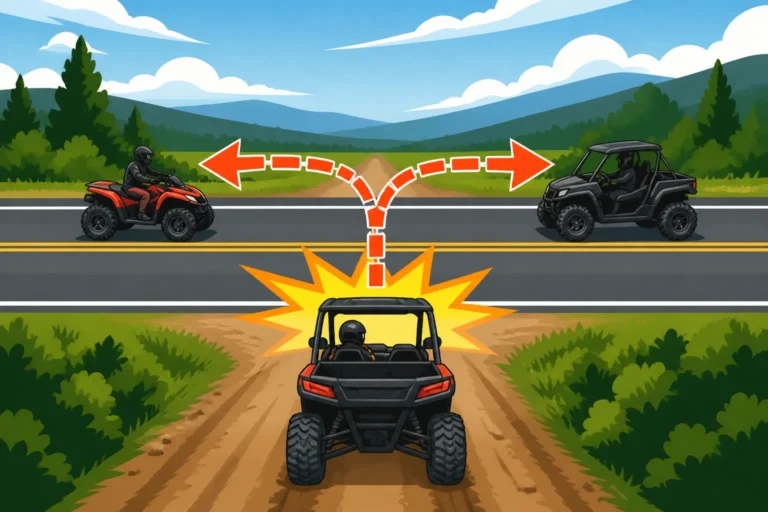
The moment your UTV leaves the gravel of a staging area or the dirt of a trail and enters a paved county road or state highway where UTVs are permitted, you're no longer just an off-road enthusiast; you're a driver in traffic. This distinction is crucial because Tennessee's Department of Safety and local law enforcement apply motor vehicle laws to UTVs on public roads. It's not about how fast your machine can go or how many people it can carry; it's about its presence in a shared transportation space. Just like you wouldn't expect to drive a car without a license, the same principle applies to UTVs when they are used on any public thoroughfare.
The transition from trail to road means your UTV falls under a different set of regulations that are designed for safety and order within public roadways. These rules aren't arbitrary; they exist to protect everyone on the road, including you, your passengers, and other motorists. Ignoring these rules can lead to significant legal trouble, not just a slap on the wrist. So, if you're planning a trip to a park where you might ride from a campsite onto a county road to reach another trail, or if your local community has designated streets for UTV use, understanding these license requirements is your first step to a hassle-free ride. It's about being a responsible member of the riding community and adhering to the laws that make shared road use possible. You might find it helpful to review [Tennessee Rules for Riding a County Road] to understand the full scope of permissible road use.
The Legal Framework: What Tennessee Says About UTVs on Pavement
Tennessee law, particularly in recent legislative changes, has made some strides in clarifying where and how UTVs can be operated on public roads. Crucially, these laws mandate that anyone operating a UTV on a public road must possess a valid driver's license. This isn't a suggestion; it's a requirement firmly rooted in the state's vehicle code. The rationale is straightforward: operating any motorized vehicle in a public space requires a demonstrated level of competence and responsibility, which a driver's license signifies.
While specific counties and municipalities have the authority to designate certain roads for UTV use, this local flexibility doesn't supersede the statewide requirement for a licensed operator. Whether you're riding in an Adventure Tourism District that explicitly allows UTVs on its roads, or simply crossing a two-lane highway where permissible, the driver behind the wheel must be licensed. The law makes no distinction based on the type of road—if it's a public road, a license is needed. This is part of the broader framework of [Tennessee UTV Road Requirements] that riders need to understand to stay legal and safe. You'll find that companies like SuperATV, which provide accessories to make UTVs road-ready, also emphasize the importance of understanding and complying with all local and state laws. They know that having the right gear is only half the battle; knowing the rules is the other, equally important, half.
Who Needs to Be Licensed to Drive a UTV on Tennessee Roads
It's a question that comes up a lot: "Does everyone need a license to ride a UTV on the road?" The short and emphatic answer for anyone operating the machine on public pavement in Tennessee is yes. This isn't just for seasoned riders; it applies universally to anyone who takes the controls of a UTV on a designated street or highway. The law is clear because the potential for accidents and unsafe situations increases significantly when an unlicensed or inexperienced individual is operating a vehicle in traffic.
Minimum Age and Operator Requirements
In Tennessee, to legally operate a UTV on any public road where its use is permitted, the operator must be at least 16 years old. This is consistent with the minimum age for obtaining a standard Class D driver's license in the state. So, if you're under 16, even if you're a whiz behind the wheel on private property or off-road trails, you absolutely cannot operate a UTV on a Tennessee public road. This age requirement is in place because driving on public roads involves navigating traffic, understanding road signs, reacting to other drivers, and adhering to all traffic laws—skills that are generally associated with licensed drivers.
It's not just about age, but also about the validity of the license. An expired, suspended, or revoked driver's license means you are not legally able to operate a UTV on public roads. Law enforcement officers check for valid credentials, and presenting an invalid license will lead to serious consequences. This minimum age rule is outlined clearly in [Tennessee Minimum Age to Ride a Road], emphasizing the state's commitment to road safety. Ensuring you meet this fundamental requirement is the first step to enjoying the freedom of legal UTV road use.
Understanding Passenger Rules and Youth Riders
While the operator of a UTV on a public road must be licensed and at least 16, the rules for passengers are a bit different. Generally, passengers do not need to hold a driver's license. However, if they are under a certain age, they might be subject to other safety requirements, such as helmet laws. Tennessee's helmet laws apply to all riders under 18 when operating or riding as a passenger on a UTV on public roads, and this extends to off-road scenarios for youth as well. It's not uncommon to see families enjoying UTVs together, and it's wonderful to share the experience, but safety must always come first.
For younger riders who might be learning to operate a UTV off-road under supervision, it's vital to remember that these learning experiences do not translate to public road privileges. A parent or guardian cannot simply supervise a child under 16 while they drive a UTV on a public road, even if the adult is also licensed and present. The law requires the operator to be licensed and of age. Always check the specific rules regarding [Tennessee Helmet Rules for Operator and Passengers] before hitting the road with any passengers, especially children. These comprehensive rules are designed to prevent injuries and ensure that all occupants of a UTV are as protected as possible when traveling on roadways.
Acceptable Driver's Licenses for UTV Road Use in Tennessee
Okay, so we've established that you need a license. But what kind of license? Does it have to be a specific type, or will any valid driver's license do? The good news is that for most recreational UTV riders, the standard license you already carry for your car or truck is perfectly acceptable. There aren't special UTV-specific endorsements or licenses needed, unlike some commercial vehicle operations.
Standard Tennessee Licenses: Class D and Beyond
For the vast majority of UTV enthusiasts in Tennessee, a standard Class D driver's license is precisely what you'll need to legally operate your UTV on public roads. This is the same license that allows you to drive your everyday passenger vehicle. If you hold a Class A, B, or C Commercial Driver's License (CDL), those are also perfectly fine, as they encompass the privileges of a Class D license. The key is that the license must be current, valid, and unencumbered by any suspensions or revocations.
It's important to remember that having a valid license means you are expected to follow all traffic laws, just as you would in any other vehicle. This includes obeying speed limits (which for UTVs on Tennessee roads can be capped at 35 or 45 mph depending on the road), stopping at stop signs, signaling turns, and generally operating the UTV safely and responsibly. Your UTV, when on the road, becomes subject to the same rules of the road as any car or truck, and your driver's license certifies your understanding of those rules. Companies like SuperATV provide great resources for upgrading your UTV for road use, but they'll always stress that you as the operator are responsible for understanding and following the rules of the road.
What About Out-of-State or International Licenses?
For visitors to Tennessee, perhaps coming to explore the fantastic trails around Windrock or Brimstone, the good news is that Tennessee generally recognizes valid driver's licenses issued by other U.S. states. As long as your out-of-state driver's license is current and in good standing in your home state, it will typically be accepted for operating a UTV on Tennessee's designated public roads. This reciprocal recognition helps facilitate tourism and allows riders from across the country to enjoy Tennessee's unique UTV opportunities without needing to obtain a separate Tennessee license.
For international visitors, the rules can be a bit more nuanced. Generally, a valid international driving permit (IDP) along with your foreign driver's license is required. It's always a good idea for international visitors to check with the Tennessee Department of Safety or a local county clerk's office for the most current requirements before planning to operate a UTV on public roads. The general principle remains: if you're authorized to drive a car in your home country and have the proper documentation, you're likely covered. However, it's always better to confirm rather than risk a citation far from home. Make sure you understand the nuances of [Nonresident Machines in Tennessee] if you're bringing your UTV from another state or country.
The Serious Side: Penalties for Driving an Unlicensed UTV Operator on Tennessee Roads
While the allure of hitting the open road on your UTV can be strong, skipping the driver's license requirement is a serious misstep that can lead to significant headaches. Law enforcement in Tennessee takes the driver's license rules seriously, especially with the increased presence of UTVs on public roads. What might seem like a minor oversight can quickly escalate into a costly and time-consuming legal issue.
Fines, Charges, and the Risk of a Misdemeanor
Operating any motor vehicle, including a UTV, on a public road in Tennessee without a valid driver's license is typically considered a Class C misdemeanor. While it's not the most severe charge, it's still a criminal offense that can carry penalties beyond just a simple traffic ticket. You're looking at potential fines, which can range significantly depending on whether it's a first offense or repeat offense, and can quickly add up. Beyond monetary penalties, a Class C misdemeanor can stay on your record, impacting future opportunities or even insurance rates.
Enforcement typically happens roadside, where a deputy checking your credentials will quickly identify if you're unlicensed. The machine itself can also be impounded, leaving you stranded and adding towing and storage fees to your growing list of expenses. Imagine being pulled over on your way to [Windrock Park at Oliver Springs, Tennessee] because you decided to take a short cut on a public road without your license. Not only would your day of riding be over, but you'd be facing a frustrating and expensive ordeal. Understanding the implications of [Tennessee Fines for Illegal UTV Road Use] is crucial for all riders.
How Insurance and Vehicle Impoundment Factor In
The legal repercussions extend beyond just fines and charges. Operating a UTV on a public road without a valid driver's license almost certainly voids any insurance coverage you might have for the machine. Most insurance policies have clauses stating that coverage is contingent upon legal operation of the vehicle. If you're involved in an accident while unlicensed, even if it's not your fault, your insurance company could deny any claims for damages to your UTV or, more critically, for liability if you injure someone else or damage their property. This could leave you personally responsible for potentially massive repair bills or medical expenses.
Furthermore, as mentioned, law enforcement has the authority to impound your UTV if you're found operating it illegally, including without a proper license. This means your machine is towed away, held at an impound lot, and you'll have to pay significant towing and daily storage fees to retrieve it. This can be a major financial burden, especially if the impound lot is far from home and the fees accumulate over several days. It's a sobering thought, but one that underscores the importance of adhering to the basic requirement of a valid driver's license whenever you plan to take your UTV onto Tennessee's public roads. Before you ever head out, make sure you understand [Tennessee UTV Insurance Requirement] to protect yourself and your investment.
Ensuring You're Road-Ready: More Than Just a License
Getting your driver's license in order is a fantastic first step, but being truly "road-ready" with your UTV in Tennessee involves more than just having the right credentials. It encompasses making sure your machine is equipped to handle public road conditions and that you're aware of the specific local ordinances that might affect your ride. It's about a holistic approach to safety and legality.
Essential UTV Equipment for Tennessee Roads
When a UTV transitions from trail to road, it must meet certain equipment standards to ensure it's safe and visible to other motorists. These requirements often mirror what you'd find on a standard vehicle. This typically includes, but isn't limited to:
- Headlights and Taillights: Fully functional headlights and taillights, essential for visibility, especially during dawn, dusk, or adverse weather conditions.
- Brake Lights: Operational brake lights to signal deceleration to following vehicles.
- Turn Signals: Working turn signals (front and rear) for indicating turns and lane changes.
- Rearview Mirrors: At least one, but preferably two, rearview mirrors to provide adequate visibility of traffic behind you.
- Horn: An audible horn to alert others to your presence.
- Windshield: While not always explicitly required for all UTVs, many choose to add one for safety and comfort on roads.
- Seatbelts: Functional seatbelts for all occupants.
- Tires: Tires appropriate for road use, which might differ from aggressive off-road tires.
Many riders turn to aftermarket suppliers like SuperATV to ensure their machine meets all the necessary safety and equipment standards for legal road use. They offer a wide range of accessories, from turn signal kits to DOT-approved windshields, that help bring a UTV up to code for public roads. It's not just about looking good; it's about being safe and compliant. You can learn more about these necessities in [Tennessee Equipment Rules for Road Use].
Staying Informed About Local Regulations
Even with a valid license and a fully equipped UTV, your journey isn't over. Tennessee allows counties and municipalities a degree of control over opening their roads to UTVs. This means that while some areas, especially within Adventure Tourism Districts like parts of Scott, Anderson, and Campbell counties, are generally UTV-friendly, others might have very strict prohibitions or only allow UTVs on specific, designated roads. What's legal in one county might get you a ticket in an adjacent one.
This patchwork of regulations requires riders to be diligent. Before heading out, especially if you're exploring a new area, always check the local county or city ordinances. Many counties that allow UTVs on roads publish maps or lists of approved streets. Relying on word-of-mouth or assumptions can lead to trouble. A quick call to the county clerk's office or checking the county's official website can save you a lot of hassle. Staying informed ensures your ride is enjoyable, safe, and, most importantly, legal. Knowing [Tennessee Counties That Allow UTVs on Roads] is key to planning your road-based adventures responsibly.
Here's a quick reference table for common vehicle types and their general license requirements for road use in Tennessee:
| Vehicle Type | General Driver's License Requirement for Road Use | Minimum Age (Operator) | Common Road Use Capability (with proper equipment) |
|---|---|---|---|
| UTV (Side-by-Side) | Yes, standard Class D or higher | 16 | Limited to designated local roads; up to 35/45 mph |
| ATV (Quad) | Generally No, except for agricultural exemption | Varies by private land | Restricted on public roads; primary off-road |
| Car/Truck | Yes, standard Class D or higher | 16 | All public roads |
| Low Speed Vehicle (LSV) | Yes, standard Class D or higher | 16 | Roads posted 35 mph or less |
| Medium Speed Vehicle (MSV) | Yes, standard Class D or higher | 16 | Roads posted 45 mph or less |
Disclaimer
This article is for general informational purposes only and does not constitute professional advice. Laws, prices and regulations vary by location and change over time. Consult a qualified professional for guidance on your specific situation.