Restricted Road Lists Published in October 2025
Trying to figure out exactly where you can legally ride your ATV or UTV on Tennessee roads can feel like navigating a maze blindfolded. One minute you're seeing people cruise down a county road, and the next you're hearing whispers of fines and confusion. It's a massive headache for riders who just want to enjoy their machines without constantly worrying about breaking the law. This comprehensive guide is here to clear the air, breaking down the specifics of Tennessee's restricted road lists and helping you understand where you can confidently and legally ride your off-highway vehicle on public roads.
Understanding Tennessee's Road Use Regulations for OHVs
For years, the rules around riding ATVs and UTVs on Tennessee roads were a patchwork, often decided county by county, sometimes even town by town. This led to immense frustration and uncertainty for riders who crossed county lines or simply couldn't get a clear answer from local authorities. The state recognized this problem, and recent legislative efforts have aimed to bring more clarity and a more unified approach to OHV road use.
The Legislative Shift and County Authority
The landscape for ATV and UTV road use in Tennessee has undergone significant changes thanks to legislative action. Rather than a blanket statewide ban or permission, the state has empowered individual counties to make specific decisions regarding which of their roads can be used by these vehicles. This isn't a free-for-all, however. There are strict guidelines and procedures that counties must follow to designate "open" roads or, more commonly, to publish "restricted" lists of roads where OHVs are expressly forbidden. This means that your riding experience can still vary dramatically from one county to the next, which is precisely why these lists are so crucial. It’s all about local control, but within a state-mandated framework. Riders absolutely need to understand [Tennessee Road Use Rules for ATVs] and how these local decisions impact them.
Before these legislative shifts, it was largely assumed that ATVs and UTVs were off-limits on most public roads unless explicitly allowed. The new framework flips this slightly, providing a mechanism for legal access under certain conditions, but also demanding clear communication from local governments about where that access ends. It's a step towards more defined rules, but it also places the onus on the rider to stay informed about local ordinances. This move acknowledges the growing popularity of these machines for recreation, utility, and even local transportation in rural areas, while still balancing public safety and road maintenance concerns.
Why Restricted Road Lists Became Necessary
The sheer volume of OHVs hitting the trails and, increasingly, attempting to access roads, made the old, vague system untenable. Lawmakers and county officials needed a concrete way to communicate permissible routes and, more importantly, to clarify where riding was not allowed. Imagine trying to enforce road rules when no one, not even law enforcement, has a clear, written guide. It creates chaos and inconsistency. These restricted road lists serve as that definitive guide, offering transparency for riders and a clear framework for enforcement. Without them, every interaction could be a debate, every ride an uncertainty.
Furthermore, these lists help counties manage traffic flow, protect sensitive road surfaces, and ensure the safety of all road users. An ATV or UTV, while fun and capable, has different operating characteristics than a traditional passenger vehicle. Speed limits, visibility, and handling all play a role in determining where they can safely share the road. By explicitly restricting certain roads, counties are making calculated decisions based on these factors, rather than leaving it to chance or individual interpretation. It's about proactive management of a growing trend, ensuring that the enjoyment of OHV riding doesn't come at the expense of public safety or infrastructure.
Deciphering the Restricted Road Lists
Once your county has published its restricted road list, it's not enough just to know it exists. You need to understand what it actually means for your riding. These aren't just generic warnings; they are specific directives that dictate where you can and cannot operate your OHV on public asphalt or gravel. Ignoring them can lead to significant fines and legal trouble.
What These Lists Contain
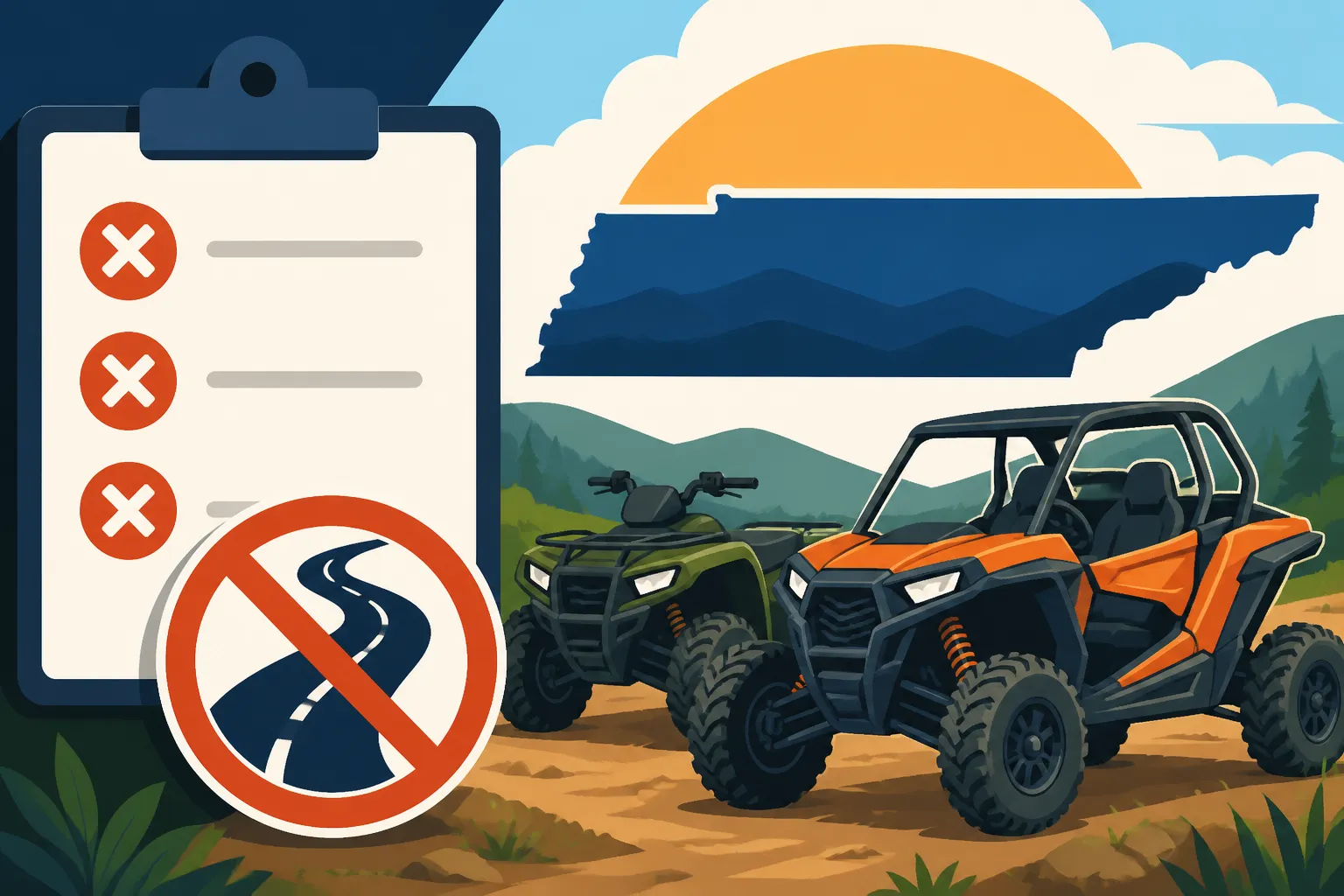
A typical restricted road list will itemize specific roads or sections of roads where OHVs are prohibited. This isn't always a negative list; sometimes, counties will frame it as a list of permitted roads, meaning everything else is restricted. Either way, the crucial takeaway is that you need to know which roads are off-limits. These lists often include:
- Road Names and Numbers: Clearly identified state routes (though state routes are generally more restricted), county roads, and sometimes even specific municipal streets.
- Geographic Markers: References to intersections, bridges, or landmarks that define the beginning and end of a restricted section. For example, "County Road 123 from Highway 45 to the Miller's Creek Bridge."
- Categories of Roads: General statements about types of roads, such as "all multi-lane highways" or "all roads within city limits unless otherwise specified."
- Special Conditions: In some rare cases, they might mention specific times or days when a restriction is lifted or imposed, though this is more common for designated "adventure tourism" areas.
Understanding [Checking a Restricted Road List] is crucial before heading out. Don't assume anything; always consult the most current version. These lists are dynamic documents, subject to review and amendment by county commissions, so what was open last year might be closed this year, and vice versa.
How to Access and Interpret Your County's List
Accessing these lists usually requires a bit of detective work, but it's becoming easier. The primary source for your county's official restricted road list will be your county clerk's office, or the county commission's website. Many counties are now posting these documents online to increase transparency and accessibility for residents and visitors alike. You might find them under sections related to county ordinances, resolutions, or public notices.
When you find the list, pay close attention to the effective date. Make sure you're looking at the most current version. Then, take the time to read it carefully. It's not a quick scan document. Pull out a map – a physical map or a digital one on your phone – and trace the roads. Highlight the restricted sections. If you're planning a trip through multiple counties, you'll need to do this for each one. Don't just look for your home county's list; if you're riding through Scott, Anderson, and Campbell counties, you need to consult the lists for all three. [Finding the Restricted Road List Your County Published] will require a proactive approach, but it’s an essential step for responsible riding.
For example, if the list states "County Road 502 from the intersection of SR 116 to its northern terminus is restricted," you'll know precisely which segment is off-limits. If you plan a route that includes any part of that road, you'll need to find an alternative. It’s also important to differentiate between designated OHV trails and public roads. The restricted road lists specifically pertain to public roads, not private trails or designated OHV parks.
Common Restrictions You'll Encounter
While each county's list will be unique, there are some common patterns you'll likely see in terms of restricted roads and areas. These often reflect universal concerns about safety, traffic volume, and road integrity.
- State Routes and Highways: Most state routes (those prefixed with "SR" or "US") are generally off-limits to OHVs, especially multi-lane ones or those with higher speed limits. While there are some exceptions for specific crossings or short segments in adventure tourism districts, it's a good rule of thumb to avoid state highways unless explicitly stated otherwise. [Why SR 63 and US 27 Stay Closed in Huntsville] for most of the year is a prime example of this.
- Busy Arterial Roads: County roads that serve as main thoroughfares, carrying heavy car and truck traffic, are frequently restricted. These roads often have higher speed limits and more complex intersections, making them less suitable for OHV traffic.
- Roads Within Incorporated City Limits: Many cities and towns in Tennessee have their own ordinances that restrict or prohibit OHV use on city streets. Even if a county road leading into a town is open, once you hit the city limits sign, the rules can change dramatically. Always check municipal regulations.
- Roads with Significant Grades or Poor Sightlines: For safety reasons, roads with steep hills, sharp blind curves, or other challenging topographical features might be restricted. The slower speed and different maneuverability of OHVs can create hazards on such roads.
- Specific Bridges or Overpasses: Certain bridges, especially those on busier routes or those deemed structurally sensitive, might be explicitly listed as restricted for OHV crossing. [A Bridge on a Designated Tennessee Road] might have different rules than a major state bridge.
It's also worth noting that even on "open" roads, there are still general rules for [Tennessee Road Use Rules for ATVs] that apply, such as speed limits, daylight hours, and equipment requirements. For instance, SuperATV offers a range of mirrors, turn signal kits, and horn kits that can help ensure your machine meets basic safety equipment standards for road use, even if your county allows it. While these accessories don't make a machine street legal on their own, they are often necessary components if you plan to ride where permitted.
Navigating Roads in Adventure Tourism Districts
Tennessee's approach to OHV road use isn't just about restrictions; it also includes provisions for areas that embrace adventure tourism. These "Adventure Tourism Districts" are unique because they allow for greater flexibility in OHV road access, recognizing the economic benefit that off-road riders bring to these communities.
The Special Case of Designated Districts
Tennessee law has specifically carved out "Adventure Tourism Districts" in certain counties, primarily in the eastern part of the state, known for their extensive trail systems and off-road riding opportunities. These districts, such as those found in Scott, Anderson, and Campbell counties, have the authority to designate county roads for OHV use. This is a crucial distinction: while most counties focus on restricting roads, these districts have a mechanism to open them. This helps connect trail systems, allow riders to access amenities like gas stations and restaurants, and generally foster a more rider-friendly environment. [Why an Adventure Tourism District Matters] is key for anyone planning an extensive ride in these regions.
Within these designated counties, local county commissions can, through a specific resolution and often a two-thirds vote, open unpaved or even certain paved county roads to OHVs. This often means that areas near popular riding parks like Windrock or Brimstone Recreation have a more interconnected network of roads accessible to ATVs and UTVs. It's a pragmatic approach to support the local economy while managing safety. However, even within these districts, state highways generally remain off-limits, and there are still rules about speed, daylight, and operator age. For instance, [Riding Main Street in Huntsville] might be allowed, but always check the specifics.
Roads with Specific Time or Event-Based Permissions
Some roads within these adventure tourism districts have even more specific rules, allowing OHV access only during certain times or for particular events. The most famous example of this is a section of State Route 63 (SR 63) in Tennessee. While most state routes are strictly off-limits, a specific segment of SR 63 is opened up to OHV traffic on a limited basis.
- SR 63's Two Open Weekends a Year: A designated section of SR 63 is typically opened to OHV traffic only for two specific weekends each year. These weekends are usually tied to major riding events or popular seasons, allowing riders to traverse a crucial link that would otherwise be off-limits. This is a perfect illustration of how specific and nuanced these road use rules can be. If you plan to ride SR 63, you absolutely must know [SR 63's Two Open Weekends a Year] and plan your trip accordingly. Outside of those specific dates, the restriction is firmly in place.
These time-specific allowances are fantastic for riders, but they demand diligence. You can't just assume an unpaved county road is always open; you need to verify its status against the county's official list and any special provisions. It’s not just about knowing which roads; it’s also about knowing when you can ride them. Local tourism boards or county clerk offices in these districts are often the best sources for this kind of specific, date-sensitive information.
Practical Considerations for Roadside Riding
Even when you've confirmed a road is open to OHV traffic, there's more to consider than just legality. Safe and responsible roadside riding requires adherence to equipment standards, awareness of local laws, and preparedness for interaction with law enforcement.
Essential Gear and Vehicle Requirements
If you're going to ride your OHV on any public road in Tennessee, even a designated county road, your machine needs to be properly equipped. This isn't just about legality; it's about your safety and the safety of others. While the specific requirements can vary slightly depending on the type of road and local ordinances, some items are universally critical:
- Headlights and Taillights: Your OHV must have functional headlights and taillights. If you're riding in conditions that require visibility (dawn, dusk, fog, rain), these are non-negotiable. Many riders enhance their machines with brighter aftermarket lights.
- Brake Lights: Essential for signaling your deceleration to vehicles behind you.
- Turn Signals: While not always explicitly required for all OHVs on all open roads, having functional turn signals is a smart safety measure, especially on paved surfaces with other traffic. SuperATV provides universal turn signal kits that can be adapted to many UTV models, making your intentions clearer to other drivers.
- Rearview Mirrors: At least one rearview mirror is typically required for road use, allowing you to monitor traffic behind you.
- Horn: A working horn is necessary to alert others to your presence or to signal in an emergency.
- Windshield: While not always mandated for all types of OHVs, a windshield can be a significant safety and comfort feature, protecting you from debris.
- Helmets: Tennessee has specific [Tennessee Helmet Rules for ATV Riders] and for passengers, especially those under 18, even off-road. On public roads, these rules often become even stricter, usually requiring all occupants to wear approved helmets. Always check [Tennessee Helmet Law for Operator and Passengers] before hitting the pavement.
- Seatbelts/Restraints: If your machine is equipped with seatbelts, they must be worn.
Beyond the machine itself, you'll need to carry essential documents. This includes proof of insurance (which Tennessee requires for road use), your driver's license (operators must be at least 16 years old with a valid license for road use), and potentially a copy of the county's open road ordinance or a map highlighting the permissible routes.
What to Do If You're Stopped by Law Enforcement
Encountering law enforcement while riding your OHV on a road, even an open one, is a possibility. Knowing how to handle the situation calmly and respectfully can make a big difference.
- Pull Over Safely: As soon as you realize a law enforcement officer wants you to stop, pull over to the side of the road safely and signal your intention. Choose a spot that is clear of traffic and allows the officer to approach securely.
- Stay Calm and Cooperative: Keep your hands visible, typically on the steering wheel or handlebars. Avoid sudden movements. Be polite and respectful. Answering questions directly and honestly goes a long way.
- Present Documents: The officer will likely ask for your driver's license, proof of insurance, and possibly vehicle registration or title information. Have these ready. If your machine has a [Tennessee TDR Sticker Explained], make sure it's visible.
- Explain Your Route: If you are on an open road, be prepared to explain that you are aware of the local ordinances and are riding on a designated route. Having a printed map or a digital map on your phone that shows the permissible roads can be helpful in these situations.
- Know the Law (But Don't Argue): While it's important to be informed, avoid arguing with the officer roadside. If you believe you are being unfairly cited, accept the citation and address it through the proper legal channels later. Your goal in the moment is to resolve the stop peacefully.
Law enforcement officers are tasked with enforcing all laws, and sometimes even they might be new to the specifics of OHV road regulations in their area. By being prepared, cooperative, and knowledgeable about the specific roads you are on, you can help ensure a smoother interaction. Understanding [A Deputy at a Tennessee Roadside Stop] and how to react is key.
Beyond the Lists: General Tennessee Road Rules
Even on roads where OHVs are permitted, simply being on the "open" list doesn't give you free rein. You are still sharing the road with other vehicles and must adhere to a set of fundamental Tennessee road laws that apply to all drivers.
Speed Limits and Daylight Riding Mandates
One of the most critical aspects of OHV road use in Tennessee is respecting speed limits and understanding when you can actually ride. These aren't suggestions; they are legal requirements designed to ensure safety for everyone on the road.
- Speed Limits: You must obey the posted speed limits. In Tennessee, even on designated roads, OHVs are generally restricted to roads with a posted speed limit of 45 mph or less. [Riding a Road Posted 45 mph or Under] is essential for compliance. This means roads posted 50 mph or higher are typically off-limits, even if they are county roads. It’s also important to remember that you can't exceed your machine's safe operating speed, which might be lower than the posted limit. For powerful UTVs, for example, the temptation to accelerate can be high, but safety and legality must come first.
- Daylight Hours Only: With very few, highly specific exceptions, OHV use on public roads in Tennessee is restricted to daylight hours only. This means [Riding Only Between Sunrise and Sunset]. There's no flexibility here; riding after dark on public roads can lead to a citation. While your machine might have powerful SuperATV LED light bars, they are primarily for off-road visibility and do not negate the daylight-only mandate for public road use. This rule is in place due to the reduced visibility of OHVs to other traffic at night.
These two rules alone can dramatically impact your ride planning. If you're on a long trail system that crosses public roads, ensure you factor in time to be off the road before sunset. A beautiful sunset ride on a trail might need to end with your machine trailered back to camp, rather than ridden on the road.
Interstates, Multi-Lane Highways, and Highway Crossings
There are some definitive "no-go" zones for OHVs on Tennessee roads, regardless of county ordinances or adventure tourism districts. These restrictions are in place for safety, given the high speeds and traffic volumes involved.
- Interstates are Strictly Forbidden: [Why Tennessee Bars Interstates] for OHVs is simple: they are designed for high-speed, controlled-access traffic, and OHVs do not meet the minimum safety or speed requirements to operate on them. There are absolutely no exceptions for OHVs on interstate highways in Tennessee.
- Multi-Lane Highways: Similar to interstates, most multi-lane state and federal highways are also off-limits to OHVs. The complexity of merging, lane changes, and higher speeds make them unsuitable.
- Highway Crossings: While continuous travel on certain state or multi-lane highways is prohibited, Tennessee law does allow for crossing some of these roads under specific conditions. You can usually cross a two-lane highway at a ninety-degree angle, making the crossing as direct and quick as possible. For multi-lane highways, crossings are only permitted where the Tennessee Department of Transportation (TDOT) designates specific crossing points. [Crossing a Two-Lane at Ninety Degrees in Tennessee] is a common allowance, but it's a brief, direct maneuver, not an excuse to ride on the highway. Always be extra cautious when crossing any highway, regardless of the number of lanes, and yield to all traffic.
Navigating Tennessee's OHV road laws demands constant vigilance and a commitment to staying informed. The convenience of riding from a trailhead to a gas station on a county road is a fantastic benefit, but it comes with the responsibility of knowing and following all the rules, from understanding restricted road lists to adhering to general traffic laws.
Disclaimer
This article is for general informational purposes only and does not constitute professional advice. Laws, prices and regulations vary by location and change over time. Consult a qualified professional for guidance on your specific situation.