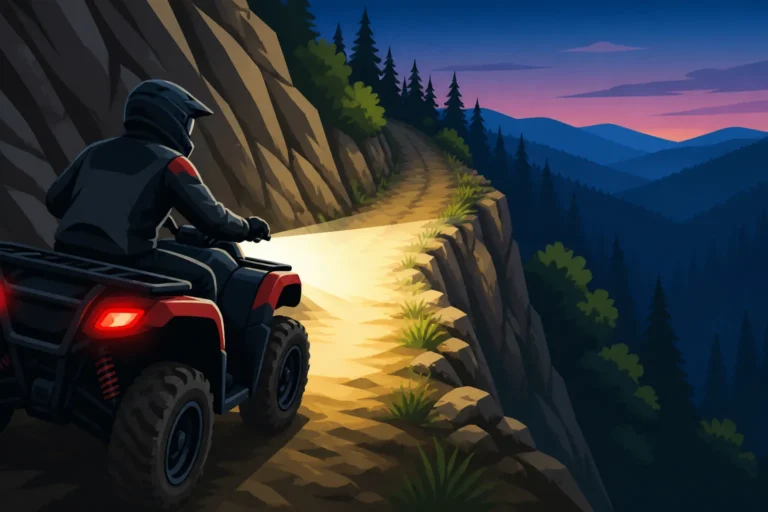
Huntsville’s Open Streets
For so long, the idea of legally riding your ATV or UTV on public roads in Tennessee felt like a distant dream for many of us. You'd load up your machine, trailer it to a park, ride, and then trailer it right back out. The thought of just hopping on and driving through town to grab lunch or connect to the next trail seemed impossible, especially with the patchwork of rules across the state. But for riders in and around Huntsville, Tennessee, that dream is now a reality thanks to some forward-thinking local decisions that have opened up certain streets, creating a whole new dimension for off-road enthusiasts. This guide will walk you through what "Huntsville's Open Streets" truly means for your riding adventures.
Understanding Tennessee's UTV Road Laws
Tennessee, like many states, has a complex relationship with off-highway vehicles (OHVs) and public roads. For years, riders faced a confusing and often restrictive landscape, leading to frustration and, sometimes, unintentional legal trouble. It wasn't always clear where you could ride, and the consequences for getting it wrong could put a real damper on your weekend.
The Statewide Landscape Before Huntsville
Before the more recent legislative changes, riding an ATV or UTV on most Tennessee public roads was largely prohibited. There were exceptions, of course, primarily for agricultural purposes or for directly crossing a two-lane highway at a ninety-degree angle, but these were narrow and didn't offer the kind of free-ranging access many riders yearned for. The default stance was that these machines belonged off-road, on private land, or within designated trail systems. This left many riders feeling disconnected, unable to use their expensive machines for simple tasks or to link up segments of a longer adventure without the hassle of a truck and trailer. It also created a barrier for local businesses that could have benefited from the increased traffic of riders coming through town.
The state's vehicle categories are quite specific, defining what an OHV is and isn't. You'd often hear debates about whether a specific UTV fit the definition of a "low speed vehicle" or "medium speed vehicle," trying to find a loophole, but most standard ATVs and UTVs simply didn't qualify for significant road use. This meant a constant state of vigilance for riders, always checking for "no OHV" signs or the looming possibility of a ticket from local law enforcement who were simply enforcing the laws as they stood. The desire for a more integrated riding experience was always there, simmering just beneath the surface, waiting for a legislative pathway to emerge.
What House Bill 810 Changed for Localities
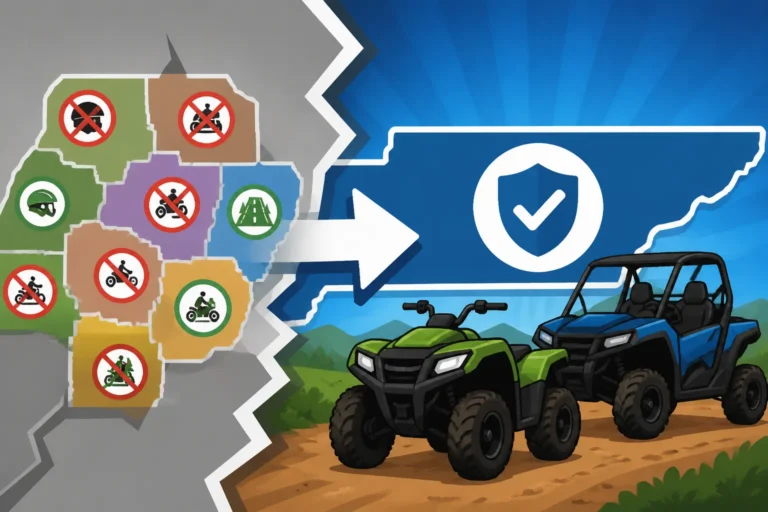
The game-changer arrived with [What Tennessee's 2025 UTV Law Changed], specifically House Bill 810. This legislation was pivotal because it granted more authority to local governments, particularly counties and municipalities, to designate certain roads for OHV use. This was a significant shift from a blanket statewide prohibition, empowering communities to assess their unique needs and opportunities. Instead of a one-size-fits-all approach, HB 810 recognized that what might work for a bustling urban center wouldn't make sense for a rural town bordering vast trail systems. It acknowledged the growing popularity of OHVs and their potential contribution to local economies.
This bill didn't just throw open the doors to every street; it provided a framework. It allowed counties to pass resolutions or ordinances by a two-thirds vote of their legislative body to open certain unpaved roads. For paved roads, the process often involved a similar local decision, sometimes with state Department of Transportation (TDOT) consultation for state routes. The key takeaway was decentralization – the power moved from Nashville to county seats like Huntsville. This legislative action was a direct response to the persistent advocacy from rider groups and local businesses in areas that saw OHVs as a vital part of their tourism and local identity, paving the way for innovations like [Huntsville's Open Streets].
The Concept of "Adventure Tourism Districts"
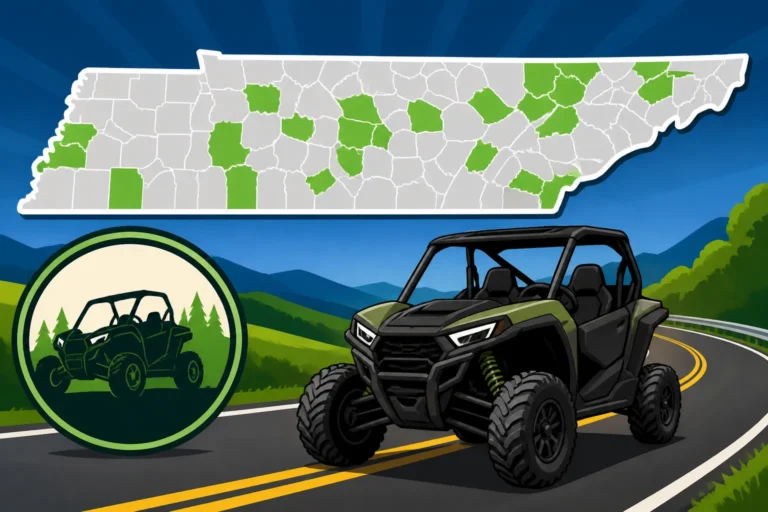
Integral to understanding Huntsville's progressive stance is the concept of [Tennessee's Adventure Tourism Districts]. These districts were established to foster economic development in specific regions by leveraging their natural beauty and recreational opportunities, particularly for outdoor activities like off-highway vehicle riding. Ten counties in Tennessee were initially named in the statute as having the option to create these districts, recognizing their unique potential for outdoor recreation.
Within these designated districts, local governments gained even more flexibility to enact ordinances allowing OHV use on specific public roads. This wasn't just about opening a few streets; it was about creating a cohesive network that connected towns, lodging, businesses, and most importantly, trailheads. The idea was to create a destination where riders could stay, spend money, and enjoy a seamless experience moving between trails and town. Huntsville, nestled in one such district, quickly seized this opportunity, understanding that welcoming OHV riders could significantly boost its local economy and cement its status as a premier riding destination. It transforms a simple town into an integral part of the adventure, rather than just a place to fuel up or pass through.
Diving Deep into Huntsville's Open Street Policy
Huntsville, Tennessee, has become a beacon for OHV enthusiasts looking for more freedom on two or four wheels. Their proactive approach to opening streets to ATVs and UTVs has created an exciting model for other communities. However, understanding the specifics of their policy is crucial for any rider planning a visit.
Which Streets Are Open
The beauty of Huntsville's policy is that it opens up many of the town's municipal streets, allowing riders to move freely from staging areas, through town, and often directly to trailheads or local businesses. Generally, these are the smaller, local streets, providing access to restaurants, gas stations, and shops. The goal is to integrate OHV traffic safely into the daily life of the town, making it convenient for riders to access amenities without loading their machines back onto a trailer. This direct access makes a huge difference in the overall riding experience, transforming a logistical challenge into a seamless part of the adventure. It means you can grab a burger, pick up some supplies, or get fuel without interrupting your ride.
Crucially, the open streets policy in Huntsville typically operates under the rule of [Huntsville's Sunrise to Sunset Streets]. This means that OHVs are generally permitted on these designated roads only during daylight hours. Night riding on public roads within Huntsville is usually not allowed, aligning with safety considerations and local community expectations. Always check local signage and current ordinances for any specific street designations, as these can change. But for the most part, if you're riding through Huntsville during the day, you'll find a welcoming environment for your machine, connecting you directly to the heart of the community.
The Exceptions: SR 63 and US 27
While Huntsville has embraced OHVs on many of its local streets, some major routes within or passing through the town remain restricted. The most notable exceptions are state routes like [Why SR 63 and US 27 Stay Closed in Huntsville]. These highways are typically under state jurisdiction (TDOT) and carry higher traffic volumes, making them unsuitable for regular OHV use due to safety and traffic flow concerns. These roads are designed for faster, conventional vehicle traffic, and integrating slower-moving OHVs could pose significant hazards.
However, recognizing the importance of these arteries for connecting to major trail systems, exceptions can sometimes be made. For instance, [SR 63's Two Open Weekends a Year] is a prime example of how local and state authorities can collaborate to provide limited access. These specific weekends are usually planned well in advance and announced by local tourism boards or the park systems they connect to, often coinciding with major riding events. During these designated times, SR 63 might be opened, or specific sections designated for OHV transit, allowing riders to bridge gaps between trail systems that would otherwise be inaccessible. It's a special occasion, not a regular privilege, so always confirm the dates and exact rules for these temporary openings before you plan your trip.
Local Ordinances and Their Impact
The ability for Huntsville to open its streets stems directly from local ordinances passed by its city council. These local laws are the bedrock of the open street policy, detailing exactly which streets are open, the hours of operation, and any specific requirements beyond state law. This hyper-local control is what makes places like Huntsville so unique and appealing to riders. The community itself, through its elected officials, decided that embracing OHV tourism was a beneficial path forward.
These ordinances often go hand-in-hand with clear signage indicating designated OHV routes and speed limits. It's not just a free-for-all; there are specific rules to follow, enforced by the local police department. The impact of these ordinances is profound: they transform the riding experience from a series of disconnected trail loops to a more integrated adventure. Riders can now confidently plan routes that include stops in town, knowing they are operating within the bounds of the law. This creates a positive feedback loop, where riders are more likely to visit, spend money, and adhere to the rules, benefiting both the local economy and the riding community. This also puts some responsibility on riders to ensure their machines are compliant, often leading them to consider aftermarket upgrades from companies like SuperATV to ensure they meet various street-legal requirements for lights, mirrors, and other accessories.
Essential Rules and Equipment for Huntsville's Roads
Riding your ATV or UTV on Huntsville's open streets is a fantastic opportunity, but it comes with a responsibility to understand and follow the rules. Just because a street is open doesn't mean it's a free-for-all. These regulations are in place to ensure the safety of OHV riders, pedestrians, and other motorists, and to maintain the privilege of road access for years to come.
Speed Limits and Road Types
One of the most critical aspects of riding on Huntsville's open streets is adhering to designated speed limits. While the state of Tennessee has general guidelines like [Tennessee's 45 mph Road Rule] for certain types of vehicles on specific roads, local ordinances in Huntsville will dictate the precise speed limits for OHVs. Typically, these limits will be significantly lower than those for conventional vehicles, often posted at 35 mph or even less on residential or main street sections. You'll need to keep a close eye on posted speed limit signs, just as you would in a car, and be prepared for frequent changes as you move through town.
It's also important to differentiate between the types of roads you're on. Huntsville's open streets are generally lower-speed municipal roads. State highways, even if you're only crossing them, will likely have much higher speed limits for cars and trucks, demanding extra caution from OHV riders. Understanding [Tennessee Rules for Riding a County Road] is key; usually, this means staying to the right, being aware of blind spots for larger vehicles, and riding defensively. The aim is to integrate OHVs safely, and that means respecting the flow of other traffic and never assuming others see you. Always ride at a speed that allows you to react to unexpected hazards, like a child stepping out or a car backing out of a driveway.
Required Safety Gear and Vehicle Modifications
Safety is paramount when operating an OHV on public roads, and Huntsville's rules will reflect this. [Tennessee Helmet Rules for Operator and Passengers] are particularly important, especially for younger riders. In many cases, if you're under 18, a DOT-approved helmet is mandatory for both operators and passengers on public roads. Beyond helmets, seatbelts are a must for UTVs, and ensuring they are in good working order is not just a legal requirement but a common-sense safety measure. Many riders find that upgrading their safety harnesses through brands like SuperATV can enhance both comfort and security for longer stretches of road riding.
Your machine itself will likely need to meet certain equipment standards to be street legal in Huntsville. This typically includes:
- Headlights: Functional headlights are required, especially if riding near dusk or dawn, even if the "sunrise to sunset" rule is in effect.
- Taillights and Brake Lights: Clearly visible taillights and functional brake lights are essential for indicating your presence and intentions to traffic behind you.
- Turn Signals: While not always a statewide requirement for all OHVs, many local ordinances for road use will mandate turn signals. This is a common modification that companies like SuperATV offer kits for, making your machine more visible and your intentions clearer to other drivers.
- Mirrors: A rearview mirror is usually required, and often side mirrors as well, to provide adequate visibility of traffic approaching from the rear.
- Horn: A working horn is a must for signaling other drivers or pedestrians.
- Windshield: While not universally required for all OHVs, some local rules or state interpretations may lean towards needing a windshield for street use.
- Spark Arrester: A properly functioning spark arrester is crucial for preventing wildfires, especially in dry conditions, and is a standard requirement for all OHVs.
Always consult the specific Huntsville city ordinances or contact the local sheriff's department or city clerk's office for the most up-to-date and precise list of required equipment. Don't assume; verify.
Insurance and Driver's License Requirements
Just like driving a car, operating an OHV on public roads in Huntsville requires proper documentation. First and foremost, you must have a valid driver's license. The minimum age for operating an OHV on a public road in Tennessee is generally 16, consistent with obtaining a regular driver's license. You can't just have a learner's permit; you need to be a fully licensed driver. This is a critical point that sometimes catches riders off guard, especially those used to riding off-road without such stringent requirements.
Secondly, [Tennessee UTV Insurance Requirement] is a non-negotiable. While some private land or trail parks might not enforce insurance, any time you're on a public road, you are required to carry liability insurance. This insurance protects you and others in case of an accident. Always carry proof of insurance with you, along with your driver's license and any permits required for trail systems you might be connecting to. A deputy stopping you roadside will expect to see these documents, and being unprepared can lead to [Tennessee's $50 Fine] or other penalties. Ensuring you meet these fundamental legal obligations is just as important as having the right gear on your machine.
Navigating Huntsville and Connecting to Trails
Huntsville's open streets aren't just about riding around town; they're a strategic gateway for riders looking to maximize their time on the trails. The convenience of connecting directly from town amenities to some of Tennessee's most renowned off-road parks is a major draw.
Staging Areas and Access Points
For many riders, the journey begins by trailering their OHV to Huntsville. Finding suitable staging areas is key to a smooth start to your ride. Local businesses, especially those catering to the OHV community, often provide ample parking for trucks and trailers, serving as excellent starting points. Some local gas stations or dedicated parking lots might offer space, often with the understanding that you'll patronize their business. The beauty of Huntsville's policy is that once your machine is off the trailer, you can often legally ride directly from these staging areas onto the designated open streets.
This eliminates the need to drive your truck and trailer between multiple locations just to access different parts of the trail system or to grab a meal. It streamlines the entire experience, allowing you to spend more time riding and less time with logistics. Always look for clearly marked public parking areas or inquire with local businesses about their specific policies for OHV trailer parking. Being able to unhook your trailer and immediately hit the road, or easily return to it after a long day of riding, is a significant advantage that Huntsville offers.
Crossing State Highways and Restricted Roads
While Huntsville's local streets are open, you will inevitably encounter situations where you need to interact with state highways or other restricted roads. Understanding how to legally and safely do this is critical. As mentioned, major state routes like SR 63 and US 27 are generally off-limits for continuous riding. However, in many areas, you are permitted to [Crossing a Two-Lane at Ninety Degrees in Tennessee] to get from one open road to another. This means approaching the highway, stopping safely, checking for traffic in both directions, and then crossing directly across to the opposite side, minimizing your time on the main thoroughfare.
The rules for crossing can be very specific, sometimes only allowing crossings at designated intersections or areas where [Crossing a Multi-Lane Where TDOT Designates] has installed appropriate signage. Never assume you can cross anywhere. Plan your route to utilize legal crossing points. When approaching any restricted road, slow down, be highly visible, and yield to all conventional vehicle traffic. Other drivers on these highways may not expect to see an OHV, so extra vigilance is required. The ability to legally cross these roads is what often connects the urban convenience of Huntsville to the vast wilderness trails that lie just beyond, truly making the town an integral part of the larger riding network.
The Link to Brimstone Recreation and Beyond
Perhaps one of the most compelling reasons for Huntsville's open street policy is its proximity and connection to world-class trail systems, most notably [Brimstone Recreation at Huntsville, Tennessee]. Brimstone offers hundreds of miles of diverse trails, attracting riders from across the country. Historically, getting to these trails often involved trailering right up to the park entrance. With Huntsville's open streets, riders can now essentially ride from their lodging or local businesses directly to the Brimstone trail system.
This direct link means you can roll out of a cabin rental, cruise through Huntsville, and be on the trails within minutes, all without touching your truck and trailer. It vastly expands the range of your day trips and reduces travel fatigue. Furthermore, this seamless connection strengthens the economic tie between the recreation area and the town, encouraging riders to spend more time and money in Huntsville. It means less time loading and unloading, and more time exploring. This integration is a huge win for riders, transforming a regional trail system into a fully immersive adventure destination. It's the kind of comprehensive experience that SuperATV's customers, who often seek to upgrade their machines for both trail and occasional road use, truly appreciate.
The Broader Impact of Open Streets on the Riding Community
The decision by Huntsville to open its streets to OHVs has reverberations far beyond just local riders. It represents a significant step forward for the entire off-highway vehicle community in Tennessee, showcasing a model of integration that benefits multiple stakeholders.
Economic Boost for Local Businesses
The economic impact of Huntsville's open streets cannot be overstated. When riders can legally operate their machines in town, they are far more likely to patronize local businesses. Imagine finishing a long day on the trails at Brimstone, then riding your UTV straight to a local restaurant for dinner, stopping at a gas station to refuel, or picking up groceries at a local market. This direct access translates into increased revenue for restaurants, retail shops, lodging establishments, and even service businesses like tire repair or washing facilities.
This influx of tourism dollars supports local jobs and helps keep the economy vibrant, especially in rural areas where opportunities might be limited. The ease of access encourages riders to extend their stays, knowing they can enjoy both the trails and the comforts of a town without constant logistical headaches. It creates a powerful incentive for other communities in adventure tourism districts to consider similar policies, seeing the tangible benefits Huntsville enjoys. This economic boost is a compelling argument for greater OHV road access across the state, highlighting how recreation can be a powerful engine for local prosperity.
Enhancing the Riding Experience
From a rider's perspective, Huntsville's open streets fundamentally enhance the entire off-road experience. Gone is the frustration of constantly loading and unloading your machine from a trailer just to cover short distances between trails or amenities. The ability to ride seamlessly from your campsite or hotel, through town, and onto the main trail system creates a sense of freedom and adventure that was previously elusive. It makes multi-day trips more enjoyable and less about logistical planning.
This policy also encourages longer, more complex rides, as riders can connect different trail sections that might otherwise be separated by restricted roads. It reduces the "friction" of riding, allowing for more spontaneous adventures and a greater feeling of immersion in the landscape. For families or groups, the convenience is even more pronounced, making it easier to manage equipment and schedules. It’s about creating an uninterrupted flow from one exciting moment to the next, turning necessary transitions into part of the fun. This expanded utility is why many riders invest in comprehensive accessory packages from companies like SuperATV, knowing their machines can tackle both rugged trails and paved roads with confidence.
Best Practices and Rider Responsibility
With the privilege of open streets comes a significant responsibility for OHV riders. To ensure these policies remain in place and perhaps even expand, it's crucial that riders demonstrate exemplary behavior. This means strictly adhering to all posted speed limits, yielding to pedestrians and other traffic, and being courteous to residents and other road users. Loud exhaust systems, reckless driving, or disregard for safety rules can quickly erode public support and jeopardize road access for everyone.
Riders should strive to be good ambassadors for the sport. This includes staying on designated open roads, not venturing into restricted areas, and minimizing any negative environmental impact. Picking up trash, being mindful of noise levels, and generally showing respect for the community are simple but powerful actions. Furthermore, ensuring your machine is properly equipped and maintained, with all required safety gear and modifications, demonstrates a commitment to responsible riding. The future of OHV road access in Tennessee largely depends on the collective actions of riders today, making every interaction on Huntsville's open streets an opportunity to reinforce a positive image.
Comparing Huntsville's Approach to Other Areas
Huntsville has taken a leading role in opening its streets to OHVs, but it's important to recognize that this is part of a broader, evolving landscape in Tennessee. While Huntsville serves as an excellent example, other areas are also exploring or implementing their own versions of OHV road access, each with unique characteristics.
Different Models for Road Access in Tennessee
Tennessee's approach to OHV road access is not uniform. While Huntsville, within its adventure tourism district, has enacted comprehensive town-wide access, other counties might take a more piecemeal approach. For example, some counties primarily focus on [Tennessee Rules for Riding an Unpaved Road], allowing OHVs on rural gravel roads but keeping paved roads strictly off-limits. The mechanism for this often involves a specific two-thirds vote by the county legislative body to designate these unpaved roads. This model serves areas where unpaved roads are plentiful and connect remote communities or trailheads.
Then there are areas where specific "crossing" rules are the primary form of road interaction, as discussed earlier. This allows riders to bridge gaps between private properties or trail systems without making a detour of many miles, but it doesn't grant continuous road use. Each county or municipality has the autonomy to decide how it interprets and implements the statewide legislation, leading to a mosaic of rules. This means that a rider cannot assume that the rules in Huntsville apply to the next town over; diligence in checking local ordinances is always necessary. This variability underscores the importance of local leadership and community support in crafting OHV-friendly policies.
What Makes Huntsville a Pioneer
Huntsville stands out as a pioneer due to its comprehensive and integrated approach to OHV road access within its municipal limits. Unlike areas that might only allow unpaved road use or limited crossings, Huntsville has opened many of its local, paved streets to OHVs from sunrise to sunset. This level of access, combined with its strategic location near major trail systems like Brimstone Recreation, creates a truly unique and appealing destination for riders. It's not just about a few roads; it's about a town that has fully embraced OHV culture as part of its identity and economic strategy.
This pioneering spirit involves active engagement from local government, businesses, and the riding community to create a welcoming environment. They've understood that by facilitating ease of access, they enhance the overall visitor experience, leading to increased tourism and economic benefits. Huntsville's model demonstrates that with careful planning, clear signage, and responsible riding, OHVs and conventional vehicles can coexist safely on public roads, transforming the community into a hub for outdoor adventure. This kind of vision sets a precedent and offers a blueprint for other towns considering similar initiatives.
Potential Future Developments
The success of Huntsville's open streets policy could very well serve as a catalyst for future developments across Tennessee. As more communities within [Tennessee's Adventure Tourism Districts] witness the positive economic and recreational impacts in places like Huntsville, they may be inspired to adopt similar, or even more expansive, policies. The legislative framework is already in place thanks to House Bill 810; it's now up to local communities to utilize that authority.
We might see more towns developing interconnected OHV-friendly routes, creating regional networks that allow riders to explore broader areas without the constant need for trailering. There could be further clarifications or adjustments to state laws to support these local efforts, perhaps simplifying the process for opening additional state routes under certain conditions. The growing popularity of OHVs, coupled with the proven economic benefits of adventure tourism, suggests a trend towards greater integration rather than restriction. As the OHV community continues to advocate for responsible access and demonstrate good stewardship, the future for street-legal riding in Tennessee looks increasingly promising, opening up new horizons for exploration and enjoyment for everyone, including those who rely on companies like SuperATV for their essential machine upgrades.
| Feature | Huntsville Open Streets (Designated) | Typical Tennessee Roads (General) |
|---|---|---|
| Roads Included | Most municipal/local paved streets | Generally prohibited |
| Hours of Use | Sunrise to Sunset Only | N/A (Prohibited) |
| Speed Limits | Typically 35 mph or less (posted) | N/A (Prohibited) |
| Helmet Under 18 | Yes, DOT-approved | Yes, DOT-approved (if allowed) |
| Driver's License | Required (valid, full) | Required (valid, full) |
| Insurance | Required | Required (if allowed) |
| Crossings | Integrated into routes | Generally 90-degree crossings only |
| Connects To | Major trail systems (e.g., Brimstone) | Limited/No direct connection |
Disclaimer
This article is for general informational purposes only and does not constitute professional advice. Laws, prices and regulations vary by location and change over time. Consult a qualified professional for guidance on your specific situation.