Tennessee Rules for Riding a Mine Haul Road
It's an undeniable allure, isn't it? You're out riding your ATV or UTV in the wild, rugged landscapes of Tennessee's coal country, and you come across one of those old, winding mine haul roads. They look like an open invitation, often wider, less overgrown than a tight single-track, promising a different kind of adventure. But before you point your machine down that seemingly open path, it's crucial to understand that these roads come with a unique set of rules, dangers, and legal implications that are far different from a designated public trail. This guide is here to help you understand the realities of riding mine haul roads in Tennessee, so you can make informed, safe, and legal decisions on your next adventure.
Understanding What a Mine Haul Road Really Is in Tennessee
Let's start by demystifying what these roads actually are, because their very nature dictates how (or if) you can legally and safely ride them. These aren't your typical county roads or even forest service roads. They're specialized infrastructure built for a very specific, industrial purpose.
The Nature of the Beast: Private Property and Commercial Operations
At their core, mine haul roads are private property. They were constructed and maintained by mining companies, timber operations, or other industrial entities to transport heavy machinery, raw materials, and workers. Think about it: massive dump trucks, excavators, and other specialized equipment move along these paths. They aren't built for recreational traffic, nor are they typically open to the public without explicit permission.
Even if a mine has been "abandoned" for decades, the land itself almost always remains privately owned. That old, crumbling gravel road you see winding into the distance still belongs to someone, whether it's a large corporation, a private landowner, or an investment group. This is a critical distinction, as it immediately brings into play [Tennessee Rules for Riding Private Land] and the associated legal ramifications. Without express permission, you're essentially on someone else's active or inactive worksite, not a public thoroughfare. This means you could be encountering anything from live commercial traffic to unexpected hazards left behind from past operations.
Why They're So Enticing for Riders
We get it. The appeal of a mine haul road is powerful, especially for those of us who love exploring. They often cut through stunning, remote landscapes that you might not otherwise access. Their graded, though often rough, surfaces can offer a different kind of riding experience compared to tight, technical trails. For many, there's a sense of adventure in venturing onto these less-traveled paths, a feeling of discovering something hidden.
Sometimes, these roads serve as connectors between different areas, or they lead to scenic overlooks that were once critical vantage points for mining operations. The sheer scale and ruggedness of the terrain they navigate can be incredibly inviting. You might see them on maps, perhaps unlabeled, or stumble upon them while exploring designated trail systems, and the temptation to see where they lead is strong. However, this allure often masks the very real dangers and legal issues that can quickly turn an exciting ride into a costly mistake.
The Legal Landscape: Why Riding Mine Haul Roads is Tricky
This is where the rubber meets the road, so to speak. The legal aspects of riding on mine haul roads in Tennessee are clear, and largely revolve around property rights and liability. Ignoring these can lead to significant headaches and financial penalties.
Trespassing Laws and Consequences
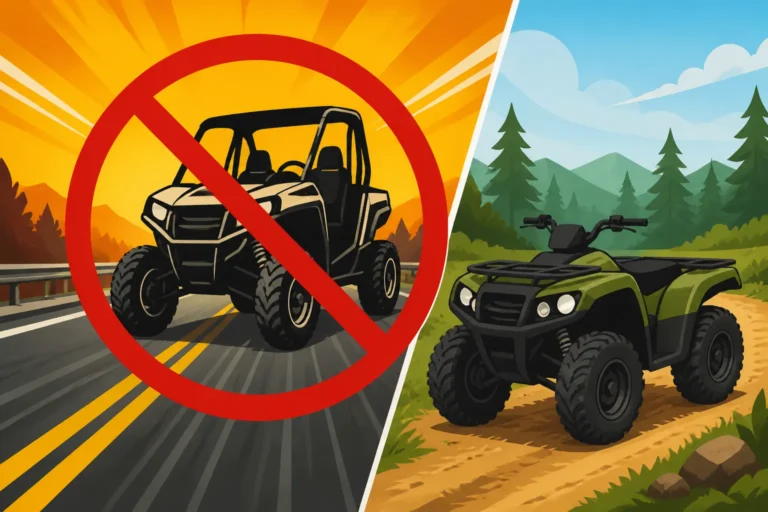
Let's not mince words: riding on a private mine haul road without permission is trespassing. Tennessee takes property rights seriously, and owners of these large tracts, especially those involved in active industrial operations, often have strict policies against unauthorized access due to safety and liability concerns. If you are caught, the consequences can range from a verbal warning to a citation, and potentially even the impoundment of your machine.
Imagine being deep in the woods, far from your truck and trailer, only to be stopped by a property manager or a local deputy. Not only could you face a fine, but retrieving your impounded OHV could incur significant towing and storage fees. Beyond that, you could face charges for a Class C Misdemeanor, which, while not a felony, is still a criminal offense that goes on your record. This isn't just a slap on the wrist; it can impact future employment, licenses, and more. It's a risk that most riders would agree simply isn't worth taking. Remember to always consult [Tennessee Trespass Rules for Riders] to understand the full scope of what unauthorized access entails.
The Question of Liability: Who's Responsible If Something Goes Wrong?
This is a huge one, and it's a major reason why landowners are so protective of their mine haul roads. If you're riding on private property without permission and you get injured, who is responsible? In most cases, it's you. Landowners generally have limited liability to trespassers, meaning they're not responsible for injuries sustained while you're on their property illegally. They certainly aren't going to send an ambulance or tow truck out to retrieve you from a remote location, as that could imply responsibility.
Consider a scenario: you're riding an old haul road, hit an unmarked wash-out, flip your side-by-side, and break an arm. If you were trespassing, the landowner is unlikely to be held accountable for your medical bills or machine damage. Furthermore, if you cause damage to their property – perhaps you hit a piece of equipment, knock down a gate, or even just compact the road in a way that interferes with their operations – you could be held liable for those damages. This legal exposure for both injury and property damage is a primary driver behind the strict enforcement of private property rules by landowners and [Tennessee Rules for Riding a Leased Coal Property].
The Grey Areas: Abandoned Mines and Old Haul Roads
A common misconception among riders is that if a mine is "abandoned" or the road looks old and unused, it's fair game. This couldn't be further from the truth. Just because a mine isn't actively operating doesn't mean the land isn't owned, leased, or managed by someone. In fact, many older mining sites are under environmental reclamation mandates, or they might be slated for future development or logging operations.
An "abandoned" mine haul road can be even more dangerous than an active one. Active sites, while hazardous due to equipment, are usually maintained to some degree and have clear traffic patterns. Abandoned roads, however, can harbor all sorts of hidden dangers: unstable ground, sinkholes, exposed rebar, unmapped pits, and decaying infrastructure. There's no one maintaining them, no one marking hazards, and certainly no one expecting recreational riders. Relying on the assumption that an old road is public access is a gamble that could literally cost you your life, or at the very least, a significant fine and a ruined machine.
Navigating the Rules: When You Can Ride a Mine Haul Road
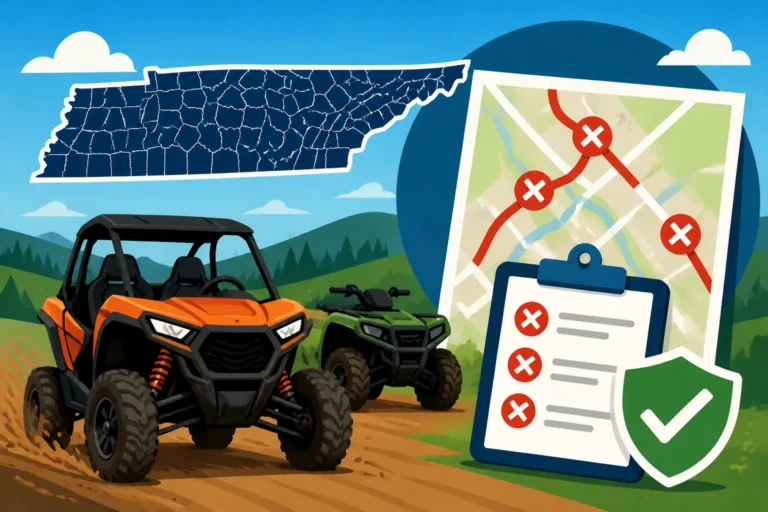
So, does this mean all mine haul roads are off-limits forever? Not necessarily! There are specific, legal ways to enjoy these unique terrains, but they all boil down to one fundamental principle: permission.
Gaining Explicit Permission from Landowners
The golden rule for riding any private land, including mine haul roads, is to obtain explicit, written permission from the landowner. This isn't always easy, as many large corporations or private entities are hesitant to grant access due to the aforementioned liability concerns. However, it's not impossible.
If you know who owns the land (which can sometimes be found through county property records or by contacting local land management offices), you can try to reach out. Be prepared to present a clear case: demonstrate that you have appropriate insurance, understand the risks, and will adhere to any specific rules they set forth. Some landowners might be open to granting access to responsible individuals or groups, especially if the land isn't actively being used for mining or timber. This often involves signing waivers, agreeing to specific routes, and perhaps even paying a fee. Without that signed document, you're rolling the dice.
Designated Trails and OHV Parks That Utilize Haul Roads
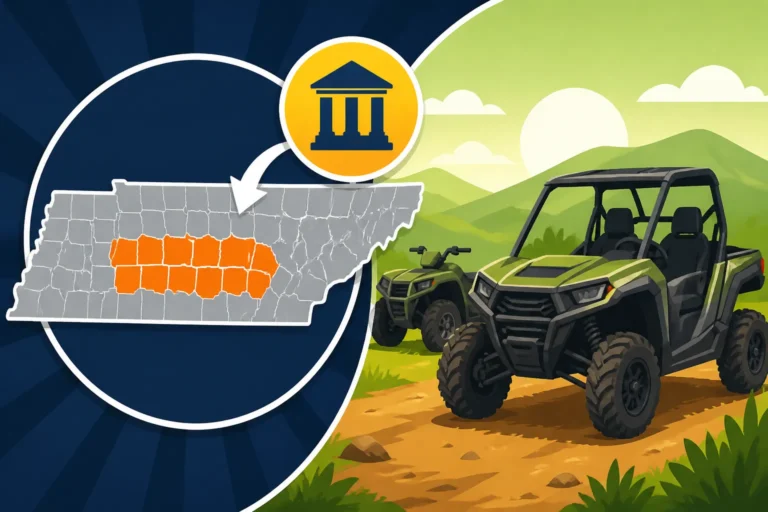
Thankfully, Tennessee is home to some fantastic OHV parks and trail systems that have legally incorporated old mine haul roads into their networks. These are your best and safest bet for experiencing the unique riding challenge these roads offer. Places like [Windrock Park at Oliver Springs, Tennessee] and [Brimstone Recreation at Huntsville, Tennessee] are prime examples. These parks have extensive trail systems that include former mining and logging roads, often repurposed and maintained for recreational use.
When you ride at these designated parks, you're riding with permission, under the umbrella of their land-use permits, and with some level of oversight and trail maintenance. They've dealt with the landowner agreements, the liability, and the mapping, so you don't have to. You'll still encounter challenging terrain, but it's within a managed environment where hazards are (ideally) marked, and help is available if needed. Many riders find the variety of terrain, from tight woods trails to wide, sweeping haul roads, to be one of the major draws of these East Tennessee destinations.
Special Circumstances: Agricultural or Commercial Use
There are niche situations where riding a mine haul road might be permissible due to its function. For instance, if a section of an old haul road now serves as an access path for a local farm, and you have explicit permission from that farmer to use it for agricultural purposes (e.g., to reach a specific field), then it falls under that agricultural exception. Similarly, if you're a contractor or employee working on the property and using the road as part of your job duties, that's commercial use and is, of course, authorized.
However, these are very specific, work-related exceptions. They do not extend to recreational riding. Don't assume that just because a farmer uses a portion of an old haul road, it's now open for you to joyride on. Always default to the rule of explicit permission for recreational use.
Safety First: Essential Considerations for Mine Haul Roads (Even with Permission)
Even when you do have permission to ride a mine haul road, or you're enjoying them within the confines of a park like Windrock, these unique environments present their own set of safety challenges that require extra vigilance and preparation.
Encountering Heavy Equipment and Commercial Traffic
This is perhaps the most significant danger. On active or semi-active mine haul roads, you are sharing the path with industrial-sized vehicles that are simply not expecting recreational riders. These trucks are massive, have huge blind spots, and operate with a very different set of priorities than you do on your ATV. They move slow but are incredibly powerful, and they cannot stop or maneuver quickly to avoid a smaller vehicle.
| Vehicle Type | Typical Speed | Maneuverability | Rider Visibility | Collision Impact |
|---|---|---|---|---|
| OHV (ATV/UTV) | Variable | High | Excellent | High risk of severe injury |
| Mine Haul Truck | Slow to Medium | Low | Poor (blind spots) | Catastrophic for OHV |
| Logging Truck | Medium | Medium | Fair to Poor | Catastrophic for OHV |
| Other Heavy Eq. | Very Slow | Very Low | Poor | Catastrophic for OHV |
If you find yourself on a haul road that might have commercial traffic, extreme caution is warranted. Expect the unexpected. Assume you are invisible. Wear bright colors, use your lights, and listen for the distinct sounds of heavy machinery. If you hear or see something, pull over immediately to a safe, wide spot and let the commercial traffic pass. This isn't about right-of-way; it's about survival. You might experience this when [Riding a Haul Road in Anderson County] where coal operations are still active.
Unpredictable Terrain and Environmental Hazards
Mine haul roads, by their very nature, traverse some of the most challenging terrain imaginable. They are often carved through mountainsides, across ridges, and over hollows, leading to steep inclines and declines. The surfaces can be a mix of compacted gravel, loose shale, exposed bedrock, and soft dirt, all of which can change rapidly with weather conditions. [Riding a Windrock Ridge in Rain] is a very different experience than riding on a dry day, and the same applies to haul roads.
Beyond the surface, there are unique hazards:
- Washouts and Ruts: Heavy rains can quickly erode sections of the road, creating deep washouts or ruts that can swallow a tire or high-center a machine.
- Rockfalls: Especially on roads cut into steep hillsides, rockfalls are a constant danger. Loose rocks can come down at any time, or large boulders can be hidden just around a blind corner.
- Unstable Edges: The shoulders of these roads can be unstable, particularly where they drop off into steep embankments or old mine pits. Stay away from the edge.
- Old Infrastructure: You might encounter old pipes, cables, rusted machinery, or discarded mining debris, all of which can be hazardous.
- Dust: On dry days, the dust kicked up by larger vehicles can reduce visibility to near zero, making riding extremely dangerous.
These roads require your full attention and a machine capable of handling rugged conditions. Always be prepared for your surroundings to change without warning.
Equipping Your Machine for the Challenge
Given the demanding nature of mine haul roads, ensuring your ATV or UTV is properly equipped is not just about performance, it's about safety and durability. A breakdown far from civilization on an old haul road can quickly become a serious situation.
Consider upgrading components that are likely to take a beating. For instance, strong skid plates and A-arm guards are crucial to protect your undercarriage from sharp rocks and unexpected debris. Heavy-duty suspension components can help absorb the shocks of uneven surfaces and prevent bottoming out. Robust tires designed for aggressive, rocky terrain will offer better traction and puncture resistance than standard trail tires. Even something as simple as ensuring your [Tennessee Equipment Rules for Road Use] are up to snuff, like having a properly functioning winch, can be a lifesaver if you get stuck or need to move an obstacle.
Many riders turn to companies like SuperATV for these kinds of upgrades. They offer a wide range of aftermarket parts designed to enhance the durability and capability of your machine, from heavy-duty axles to fortified bumpers. Investing in high-quality components from reputable brands can provide peace of mind and help your machine withstand the rigors of these unforgiving environments, whether you're climbing a steep gravel grade or navigating a rocky descent. Always carry essential tools, a spare tire or tire repair kit, and sufficient recovery gear.
Disclaimer
This article is for general informational purposes only and does not constitute professional advice. Laws, prices and regulations vary by location and change over time. Consult a qualified professional for guidance on your specific situation.