A Deputy at a Tennessee Roadside Stop
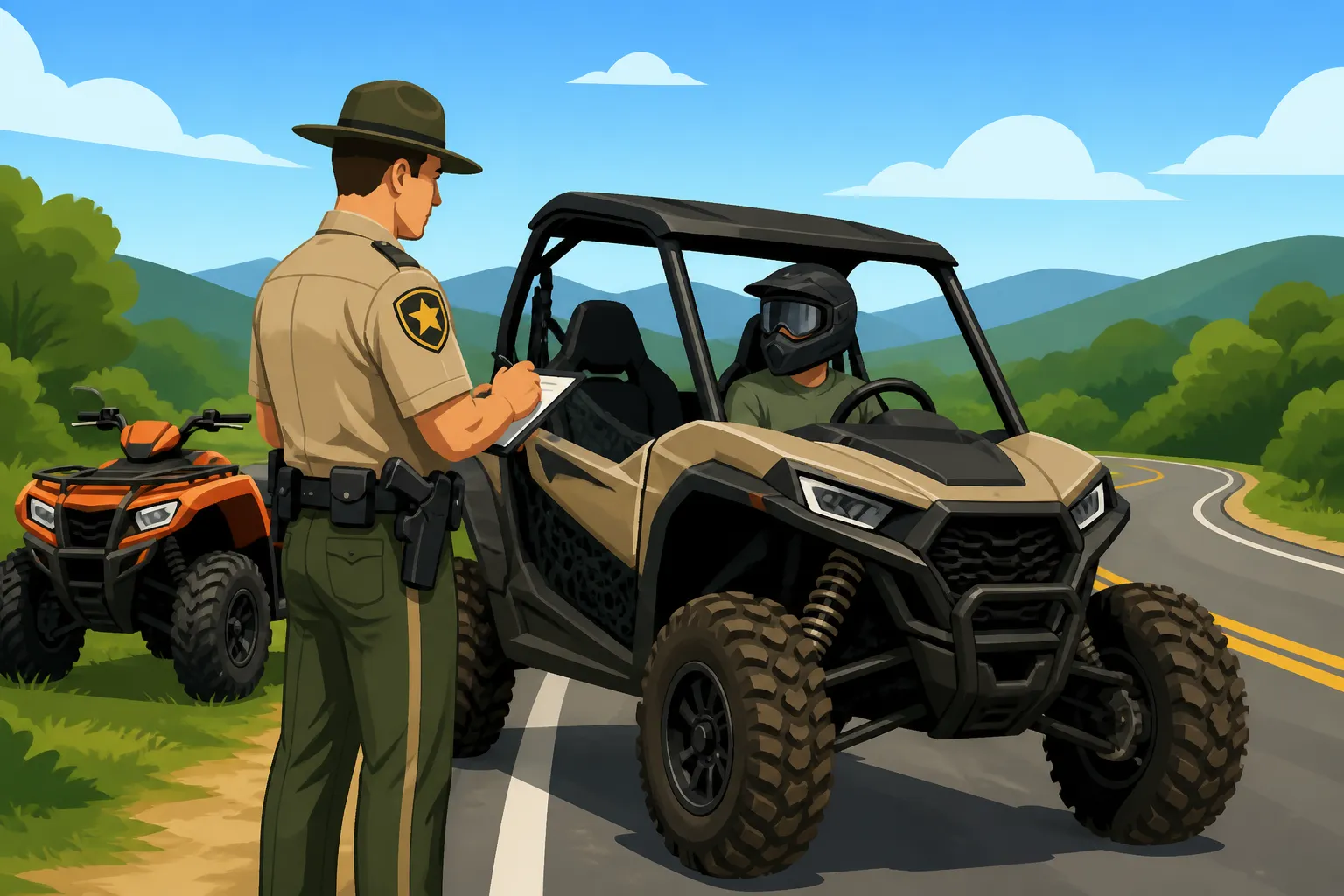
Riding your ATV or UTV on Tennessee's roads can be an incredible way to connect trails, access amenities, or simply enjoy the scenery, but it also comes with a unique set of challenges and potential interactions with law enforcement. It's easy to feel a jolt of anxiety when those blue lights flash behind you, especially with all the evolving rules for off-highway vehicles (OHVs) in the state. This guide is here to walk you through what to expect if a deputy pulls you over in Tennessee, what they'll be looking for, and how you can best prepare to make any roadside stop as smooth as possible.
What Prompts a Roadside Stop in Tennessee?
Getting pulled over isn't usually a random event; deputies often have a reason. When you're on an ATV or UTV, these reasons can be a little different than for a standard car or truck, mainly because the laws governing OHV road use are specific and, let's be honest, can be a bit confusing. Understanding what might catch a deputy's eye can help you ride more responsibly and potentially avoid a stop in the first place.
Visible Equipment Violations
One of the most common reasons for a stop involves visible issues with your machine's equipment. Unlike off-road, where a missing mirror or non-functional turn signal might just be an inconvenience, on public roads, these become legal requirements. Deputies are trained to spot these discrepancies quickly. They might notice if your headlights or taillights aren't working, if you lack appropriate mirrors, or if your turn signals aren't visible, especially if you're riding through a town like LaFollette on its designated streets. Missing or expired decals, like a [Tennessee TDR Sticker Explained] on your titled machine, can also be a dead giveaway that something might be amiss, even if you’re just trying to get from your campsite to the trailhead.
It's not just about what's missing, but also what's present. Aftermarket modifications, while awesome for the trail, need to be street-legal if you're venturing onto asphalt. For instance, some aftermarket exhaust systems might exceed noise limits, or certain tire setups could be deemed unsafe for road use. Even the overall size of your machine is under scrutiny; a deputy might pull you over if your UTV appears to be wider than the 80 inches specified for [Tennessee OHV Class I Requirements] on certain roads, leading to questions about whether it truly fits within the legal definition for road use. Many riders invest in high-quality accessories from companies like SuperATV, which are fantastic for performance, but always double-check local regulations to ensure they are street-legal where you plan to ride.
Riding on Restricted Roads or Outside Permitted Hours
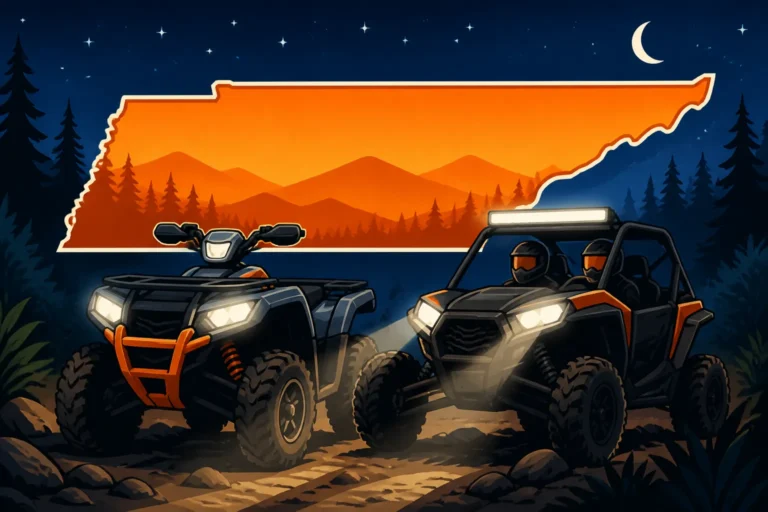
Tennessee's laws regarding OHV road use are quite specific about where and when you can ride. One of the primary reasons a deputy will initiate a stop is if you're riding on a road that isn't designated for OHV use, or if you're riding outside the permitted hours. This often happens in areas that haven't been opened to OHV traffic, or if you're caught riding after sunset, as [Tennessee Rules for Riding After Dark] are very clear about daylight-only operation on most public roads. Many counties and cities have distinct rules, and what's legal in one place, like Unincorporated Scott County's Open Roads, might not be across the county line.
Deputies are particularly vigilant on state highways, interstates, and roads with speed limits above 45 mph, as these are generally off-limits for OHVs. Even within designated areas, specific roads might have restrictions. For example, some adventure tourism districts have specific lists of open roads, and if you stray onto one that's not on the list, you could find yourself pulled over. The complexities surrounding [Tennessee UTV Road Requirements] can be a minefield for riders who haven't done their homework, and deputies are trained to enforce these local and state ordinances to ensure public safety.
Riding Behavior and Suspicion
Beyond equipment and location, a deputy might stop you based on your riding behavior. This is similar to what might get a car pulled over: reckless driving, excessive speed, or operating a vehicle in a way that suggests impairment. While the thrill of off-roading is all about pushing limits, road use demands a different kind of discipline. Weaving in and out of traffic, performing stunts, or generally not adhering to standard traffic laws will quickly attract attention.
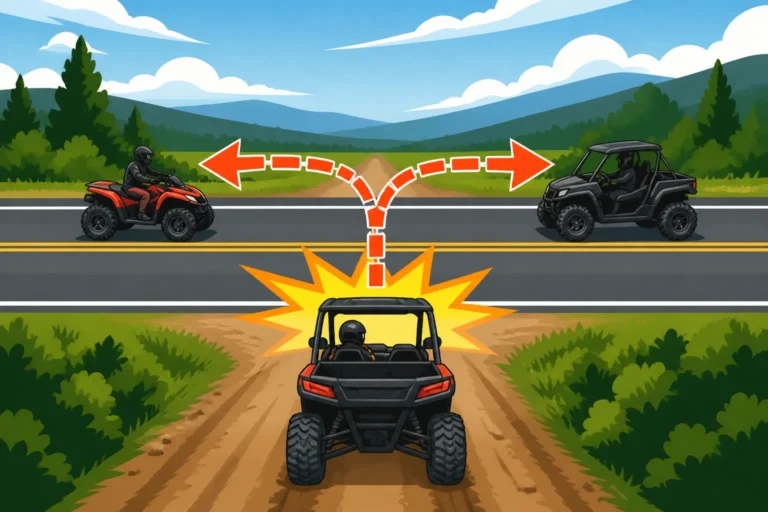
Furthermore, a deputy might initiate a stop if they suspect the operator is underage or does not possess the appropriate license. [Tennessee Minimum Age to Ride a Road] is generally 16, and possessing a valid driver's license is usually a prerequisite for road use. If you appear too young or are driving erratically, it raises red flags. This isn't just about safety; it's about verifying compliance with all aspects of OHV road statutes. Remember, even if you're just [Crossing a Two-Lane at Ninety Degrees in Tennessee], you need to do so safely and legally.
What a Deputy Checks Roadside in Tennessee
Once you're pulled over, the deputy will typically follow a procedure to verify your compliance with Tennessee's OHV laws. Knowing what they'll be looking for can help you stay calm and prepared, ensuring the interaction is as brief and uneventful as possible.
Operator's Credentials and Age
One of the first things a deputy will ask for is your driver's license and proof of insurance. Just like driving a car, operating an OHV on a public road in Tennessee usually requires a valid driver's license. [Tennessee Driver's License Rules for UTVs] specify who can legally operate these machines on roads. If you're 16 or 17, they'll want to see proof of age and a valid license.
Beyond your license, they will also verify that you meet the minimum age requirement for road operation. As mentioned, the general rule is 16. If you're under this age, even with a parent present, you're likely violating the law for public road use. This is a critical point that many riders, especially younger ones or those new to the state, often overlook. Additionally, they will inquire about your [Tennessee UTV Insurance Requirement], as proof of liability insurance is mandatory for any OHV operated on public roads.
Machine's Legal Status and Identification
The deputy will meticulously check your machine's legal status, starting with the Vehicle Identification Number (VIN). They'll compare this to your title or registration to ensure the machine isn't stolen and that it's properly documented. This is where having your [Tennessee OHV Title Paperwork] readily accessible is crucial. Remember, while Tennessee doesn't register ATVs or UTVs in the traditional sense like cars, they do require titling for most machines.
They'll also look for the distinctive [What the TDR Sticker on Your Title Means]. This sticker, issued by the county clerk, is essentially your proof that the OHV has been properly titled in Tennessee and sales tax paid. If your machine is titled but lacks this visible sticker, or if it appears tampered with, it will certainly lead to further questions. It's important to understand that [Why Tennessee Does Not Register Off-Road Machines] is a key part of the unique legal framework here, so don't expect a traditional license plate for your OHV.
Here’s a quick overview of what a deputy might check:
| Item | Why It's Checked | What to Have Ready |
|---|---|---|
| Driver's License | Verify legal age and driving privilege | Valid driver's license |
| Proof of Insurance | Mandated liability coverage for road use | Insurance card or digital proof |
| OHV Title/Documentation | Prove ownership, prevent theft, confirm titling | Original or clear copy of title (if no sticker) |
| TDR Sticker | Proof of Tennessee titling and sales tax paid | Clearly affixed on the machine |
| VIN | Machine identification, match documentation | Accessible and legible on the machine |
| Headlights/Taillights | Required for visibility and safety | Functioning lights, especially for dusk/dawn |
| Turn Signals | Required for signaling intentions on roads | Functioning signals, front and rear |
| Mirrors | Required for rear visibility | At least one functional rear-view mirror |
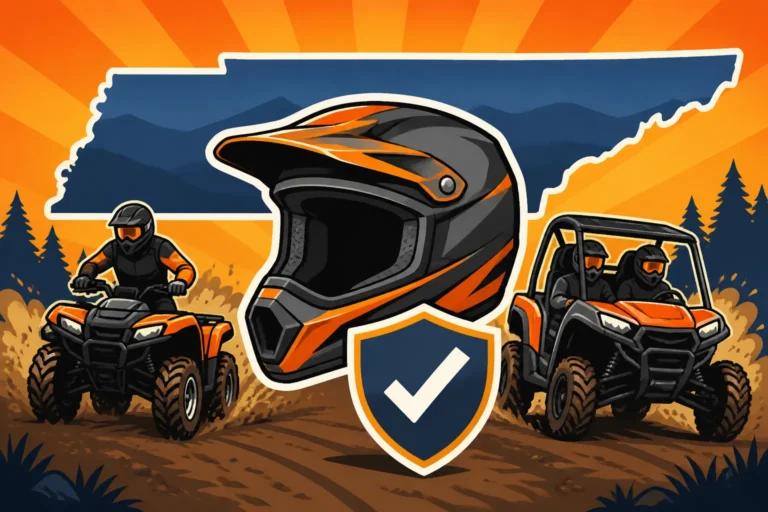
| Helmets (if applicable) | Mandated for certain ages/situations | Worn by operator/passenger if under 18 or specified |
| Spark Arrester | Environmental compliance, fire prevention | Check for presence and good condition |
Required Safety Equipment and Vehicle Condition
Finally, the deputy will inspect the machine itself for certain safety equipment that's required for road use in Tennessee. This often includes headlights, taillights, turn signals, brake lights, and at least one rearview mirror. [Tennessee Equipment Rules for Road Use] are in place to ensure your OHV is visible and controllable when sharing the road with other vehicles. If any of these are missing or not functioning, it’s a direct violation. Many enthusiasts upgrade their lighting and mirrors with robust options from SuperATV to ensure both trail performance and street legality.
The overall condition of your OHV also matters. Tires should be in good shape, not excessively worn or damaged. Brakes need to be fully functional. They might also check for a spark arrester, which is a key requirement for fire prevention on public lands and often implied for road use as well, aligning with [Tennessee Spark Arrester Rules]. While you might have taken off your windshield for a dusty trail ride, if you're on a public road, certain safety features, even if not explicitly mandated for OHVs, can become points of interest for a deputy concerned about general safety. This holistic check ensures that the machine is not just legally compliant, but also safe for its intended use on public roads.
Preparing for a Tennessee Roadside Stop
Nobody wants to get pulled over, but being prepared can significantly reduce stress and help you navigate the situation effectively. A little foresight goes a long way in ensuring your ride is legal and your interactions with law enforcement are positive.
Carrying Necessary Documents
The easiest way to make a roadside stop go smoothly is to have all your paperwork organized and easily accessible. This means carrying your valid driver's license, proof of insurance, and your OHV title or a copy if your TDR sticker is on the title itself and not physically on the machine yet. For [Titling an ATV in Tennessee], you’ll deal with the county clerk, and they'll ensure you have the necessary documentation. It's a good idea to keep these documents in a waterproof bag or container, secured on your machine, so they don't get lost or damaged on the trail.
Also, if you're riding in one of Tennessee's Adventure Tourism Districts, like parts of Scott, Anderson, or Campbell Counties, it's wise to be familiar with the specific ordinances and carry any relevant permits or documentation that might be required. While there isn't a statewide trail permit that covers all road use, some local rules might apply, and a deputy could ask about them. Knowing [Why Your Class Decides Your Road Rights] is also vital, as different OHV classifications might have slightly varied documentation requirements.
Ensuring Your Machine is Compliant
Before you even hit the pavement, do a thorough check of your OHV to ensure it meets all the requirements for road use in Tennessee. This means checking your headlights, taillights, turn signals, and brake lights for proper function. Make sure your rearview mirrors are present and correctly adjusted. If you’ve added any aftermarket parts from SuperATV or another supplier, double-check that they comply with road use regulations, particularly regarding width, height, and noise.
Pay attention to your tires, too. While knobby tires are fantastic for mud and rock, extremely aggressive tread patterns or oversized tires can sometimes raise concerns on paved roads. Ensure your TDR sticker is securely affixed and clearly visible. If you're unsure about specific requirements, review the most current [Tennessee UTV Road Requirements] or local county ordinances, as these can be updated. Taking a few minutes to inspect your machine before each ride can prevent a lot of headaches down the road.
Understanding Your Rights and Responsibilities
When a deputy stops you, it's natural to feel a bit flustered. The most important thing is to remain calm and cooperative. Pull over safely to the side of the road, turn off your engine, and keep your hands visible. Wait for the deputy to approach and follow their instructions. You have the right to remain silent, but you must provide your driver's license, proof of insurance, and vehicle documentation when requested.
Remember that [Tennessee Fines for Illegal UTV Road Use] can range from monetary penalties to more serious consequences, depending on the severity of the violation. If you believe you've been unfairly cited, you have the right to contest the ticket, but always do so through the proper legal channels, not at the roadside. A calm, respectful demeanor goes a long way. Understanding what to do when [A Deputy at a Tennessee Roadside Stop] occurs can make a world of difference in the outcome, ensuring your love for OHV riding stays fun and legal.
Disclaimer
This article is for general informational purposes only and does not constitute professional advice. Laws, prices and regulations vary by location and change over time. Consult a qualified professional for guidance on your specific situation.