Riding New River in Low Water
There's a special kind of thrill that comes with off-road riding, especially when your adventure takes you through landscapes shaped by water. If you've ever heard whispers or seen social media posts about "riding New River in low water" in Tennessee, you're not alone in being intrigued. Many riders imagine epic journeys along shallow riverbeds, but the reality for responsible and legal ATV and UTV enthusiasts in Tennessee is a bit different. This guide will dive deep into what riding near the New River in low water conditions truly entails, focusing on safety, legality, and how to enjoy this beautiful area without damaging the environment or getting into trouble.
Understanding the New River Area for ATV/UTV Riders
The New River isn't just a picturesque waterway; it's a vital part of the broader landscape for off-road enthusiasts in Tennessee, particularly as it winds through areas like the North Cumberland Wildlife Management Area (WMA). When people talk about "riding New River," they're generally not envisioning driving their machines down the actual riverbed. Instead, they're referring to the vast network of trails, old logging roads, and scenic routes that crisscross the terrain around and over the New River and its tributaries. It’s an area renowned for its natural beauty and challenging trails, offering everything from gentle forest paths to steep, rocky climbs and, yes, numerous water crossings.
New River as a Trail System Component
The New River is a prominent feature within the expansive [North Cumberland WMA], which offers hundreds of miles of designated trails for ATVs and UTVs. Think of the river not as a trail itself, but as a geographical landmark around which many trails are built. You'll find trails that parallel the river, offering stunning views, and others that climb away from its banks into the higher elevations. Many of these trails utilize old access roads, mining paths, and logging routes, often maintained or managed by state agencies or private entities that operate within the WMA.
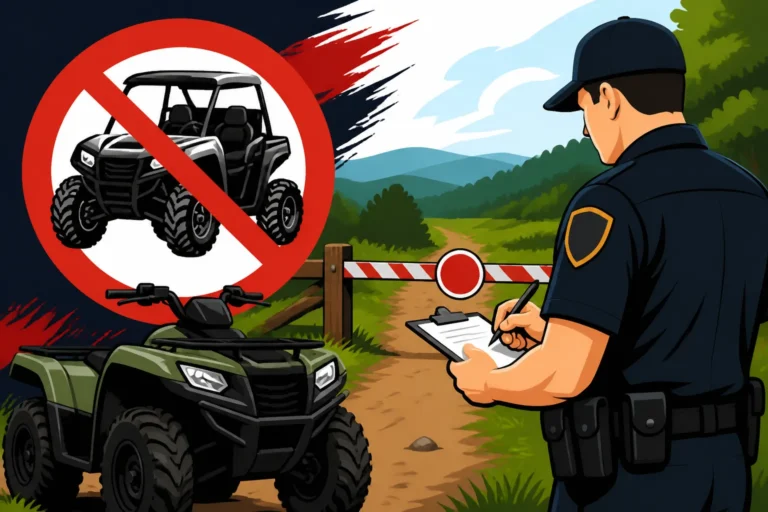
It's crucial to understand that WMA rules and state laws prohibit riding directly in natural waterways. The intent is to protect aquatic ecosystems, prevent erosion, and maintain water quality. So, while the idea of a leisurely ride down a riverbed during a dry spell might sound appealing, it's generally not permitted. Instead, riders encounter the New River through designated bridges, culverts, and specific, established water crossings that are part of the marked trail system. These crossings are designed to minimize environmental impact and provide a safe passage for riders, even when water levels are low.
Water Crossings and Their Challenges
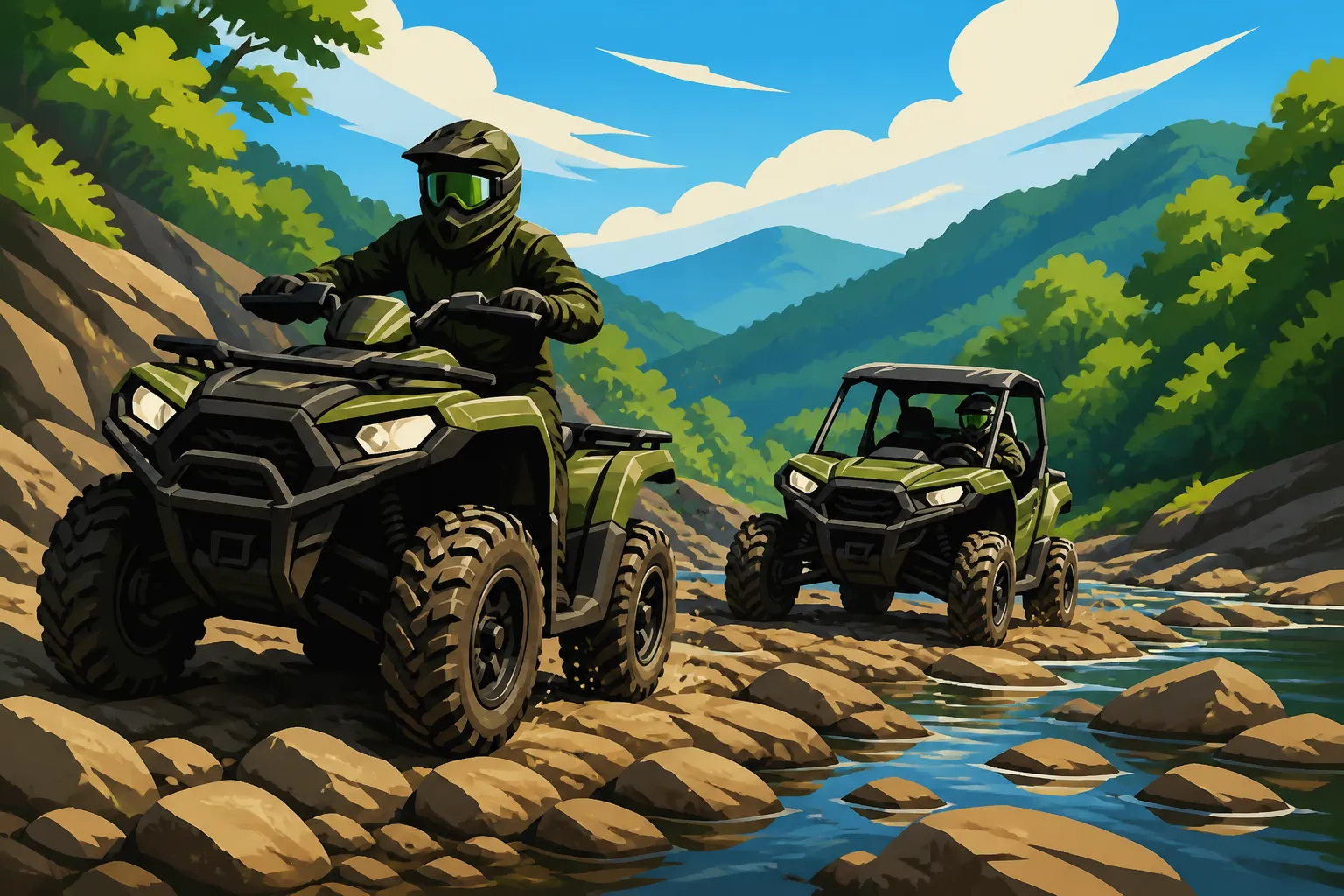
Even when water levels are low in the New River area, water crossings on designated trails still present unique challenges that riders need to be prepared for. "Low water" doesn't necessarily mean "no water," and even a shallow crossing can hide unseen obstacles or present slippery surfaces. A "low water" scenario might mean the water is only a few inches deep, making it seem less intimidating, but vigilance is always key.
The bottom of these crossings can be anything from solid rock to shifting gravel, loose stones, or even soft mud. What looks like a clear, shallow path could conceal deep ruts or sudden drops that can high-center your machine or worse. Currents, even in low water, can be stronger than they appear, especially after recent rainfall upstream. The banks leading into and out of these crossings can also be steep, eroded, or slick, demanding careful throttle control and precise steering. So, while low water conditions might reduce the risk of engine hydrolock or getting completely submerged, they don't eliminate the need for caution and proper technique. Every water crossing, regardless of apparent depth, should be approached with respect and a healthy dose of preparedness.
Safety Considerations for Low Water Riding
Riding through water crossings, even in low water, demands a specific set of safety considerations to ensure both rider and machine remain intact. The phrase "low water" can sometimes lull riders into a false sense of security, leading them to overlook potential hazards. Whether you're splashing through a shallow creek or navigating a designated crossing on a trail, being prepared and practicing safe techniques is paramount.
Assessing Water Crossing Conditions
Before you commit to any water crossing, regardless of how shallow it appears, take a moment to assess the conditions. This isn't just about looking at the surface; it's about understanding what lies beneath and around it. If possible, walk the crossing first, especially if you're unfamiliar with it. Use a stick or pole to probe the depth and feel for hidden obstacles like submerged rocks, logs, or deep holes. Pay attention to the texture of the bottom – is it firm, sandy, rocky, or muddy? Soft, silty bottoms can quickly bog down a machine, even in minimal water.
Observe the current. Even a gentle flow can become a problem if the bottom is uneven or slippery. If the water looks murky, making it impossible to see the bottom, extreme caution is warranted. After heavy rains, even if the main river is low, feeder creeks and side streams can still be swollen and fast-moving. Always err on the side of caution. If a crossing feels too risky, it's always better to find an alternative route or turn back. No ride is worth risking your safety or damaging your machine. You can often get a sense of current conditions by checking [Tennessee Trail Conditions Before You Ride] through various online forums or park websites.
Gear and Machine Prep for Water
Being properly equipped, both personally and mechanically, is non-negotiable for water crossings. For yourself, always wear appropriate riding gear, including a helmet, eye protection, gloves, long pants, and sturdy boots that offer ankle support. Waterproof boots can make a huge difference in comfort and can help prevent slips on wet terrain.
For your machine, several preparations can enhance its performance and safety in wet conditions. Check your tire pressure and ensure your tires have good tread for traction on slippery surfaces. Consider aftermarket accessories designed to improve water capability. Brands like SuperATV offer a range of products, from snorkel kits that raise your air intake and exhaust (crucial for deeper water, but still beneficial for peace of mind in any crossing) to heavy-duty skid plates that protect the underside of your machine from submerged rocks and debris. Ensure all electrical connections are clean and sealed, and that your brakes are in excellent working order, as they will be less effective immediately after exiting water. A working winch is also a valuable recovery tool, even if you only anticipate shallow crossings. Lastly, carry essential tools and a recovery strap. If you ride with others, make sure at least one person has a tow rope or winch to help in case someone gets stuck. Always make sure your machine has a properly functioning [Tennessee Spark Arrester Rules] compliant spark arrester.
Legality and Environmental Stewardship
When it comes to riding ATVs and UTVs in Tennessee, especially near natural waterways like the New River, understanding the legal framework and your environmental responsibilities is just as crucial as knowing how to handle your machine. State regulations are in place to protect these valuable natural resources and ensure sustainable recreational use for everyone. Ignoring these rules can lead to fines, environmental damage, and even trail closures.
Tennessee's Approach to Water Body Access
Tennessee, like many states, has specific regulations regarding where and how off-highway vehicles (OHVs) can interact with natural water bodies. Generally, riding directly in the beds of rivers, creeks, or streams is prohibited outside of designated, engineered crossings. The primary reason for this is environmental protection. OHVs can churn up sediment, introduce pollutants like oil and gas, and damage aquatic habitats, harming fish and other wildlife. They can also exacerbate erosion, especially on sensitive banks.
Within areas like the North Cumberland WMA, trails are clearly marked, and water crossings are established at points specifically designed to minimize environmental impact. These might involve hardened surfaces, culverts, or bridges. It’s imperative to stick to these designated paths. Venturing off-trail into unauthorized areas or using natural stream beds as shortcuts is illegal and actively undermines conservation efforts. Even in "low water" conditions, the impact is still significant. You should always consult [Tennessee Rules for Riding a WMA] to understand the specific regulations for the area you are riding in. These rules are put in place to protect the fragile ecosystems that make Tennessee's wild spaces so special.
Environmental Impact and Responsible Riding
As responsible riders, we all have a role to play in preserving the beautiful landscapes we enjoy. The environmental impact of riding off-trail, particularly in and around water, can be severe and long-lasting. Sediment runoff from damaged stream banks can cloud water, blocking sunlight for aquatic plants and disrupting the food chain. Chemical spills, even small ones, can contaminate water sources.
Responsible riding means adhering strictly to designated trails and crossings. This includes respecting any signage indicating closed areas or sensitive habitats. Pack out everything you pack in, and if you see litter, consider taking it out with you. Avoid spinning tires unnecessarily in water or on fragile banks, which contributes to erosion. If your machine springs a leak (oil, coolant, fuel), stop immediately, contain the spill as best you can, and make efforts to remove your machine without further contamination. By practicing good stewardship, we help ensure that these trails and waterways remain open and healthy for future generations of riders and for the ecosystem itself. It's about balancing our passion for adventure with a deep respect for nature.
Maximizing Your Ride Around New River
A great off-road adventure near the New River in low water conditions isn't just about having the right machine; it's about preparation, knowledge, and smart riding practices. By planning ahead and understanding the nuances of the terrain, you can ensure a safe, enjoyable, and memorable experience for everyone in your riding party.
Planning Your Route and Staying Informed
Before you even load your machine, thorough route planning is essential. Since the New River area is often part of the larger North Cumberland WMA, you'll want to consult official maps. These maps clearly mark designated trails, points of interest, and, crucially, legal water crossings. Don't rely solely on old memories or informal advice; trail systems can change, and closures can occur. Websites and visitor centers associated with the WMA often provide up-to-date [Tennessee Trail Maps Worth Carrying] and information on [Tennessee Trail Closures to Check].
Beyond maps, try to gather intel on current trail conditions. Recent weather, especially heavy rains upstream, can drastically alter water crossing depths and trail stability, even if the main river itself appears "low." Online forums, social media groups for local riders, and even a quick call to a nearby outfitter or park office can provide invaluable real-time insights. Look for discussions on specific water crossings along the New River – are they deeper than usual? Is the bottom washed out? Knowing this beforehand can help you adjust your route or decide if a particular crossing is safe to attempt. Remember to also carry enough fuel for your planned route, as getting stranded in remote areas can be serious; refer to [Tennessee Rules for Carrying Fuel].
Essential Riding Practices for Riverine Environments
When you're actually out on the trail and approaching a water crossing near the New River, specific riding techniques will help you navigate safely. If you’ve assessed the crossing and deemed it safe, approach slowly and deliberately. If riding in a group, cross one machine at a time, allowing the first rider to confirm the depth and bottom conditions for those behind.
Maintain a steady, moderate speed – fast enough to create a small bow wave in front of your machine, which helps push water away from your engine and electrical components, but not so fast that you lose control or create a large splash that could get water into air intakes. Avoid abrupt turns or sudden changes in speed while in the water, as this can cause you to lose traction or destabilize your machine. Keep your feet up and out of the water, especially if you have sensitive electrical components or open footwells. As you exit the water, be prepared for slippery banks and adjust your throttle accordingly. Once clear of the water, gently pump your brakes a few times to help dry them out and restore full braking effectiveness. Always ride within your skill level and never push past your comfort zone, especially when dealing with the unpredictable nature of water crossings.
Disclaimer
This article is for general informational purposes only and does not constitute professional advice. Laws, prices and regulations vary by location and change over time. Consult a qualified professional for guidance on your specific situation.