Blaze Orange on a Tennessee November Ride
November in Tennessee is a truly magical time. The air is crisp, the leaves are putting on their final, breathtaking show of color, and the trails are calling. But for off-road enthusiasts, this beautiful season also ushers in a crucial safety consideration: hunting season. You’re ready to hit your favorite winding gravel roads or challenging single track, but you’re probably wondering, "Do I really need to wear blaze orange, even if I'm just riding my ATV or UTV?" It's a valid question, and one that every responsible rider should ask, especially when sharing the vast expanse of Tennessee's wild lands with hunters. This guide will walk you through why blaze orange isn't just for hunters anymore, what Tennessee's rules and recommendations are, and how you can ensure a safe and enjoyable ride during this vibrant time of year.
Why Blaze Orange Matters in Tennessee's Autumn Woods
Riding an ATV or UTV in Tennessee during November brings a unique set of circumstances. The landscapes are stunning, but they're also active hunting grounds. Understanding why blaze orange is so important during this time is the first step in ensuring your safety and the safety of everyone else enjoying the outdoors.
The Overlap of Riding and Hunting Seasons
Tennessee's hunting seasons, particularly for deer, ramp up significantly in the fall and continue well into winter, with November often being a peak month for gun hunting. This means that the very trails, forest roads, and public lands that you love to explore on your side-by-side or quad are simultaneously being utilized by hunters. From the vast expanses of the North Cumberland Wildlife Management Area (WMA) to smaller tracts of state forest and even private lands with accessible roads, the potential for encountering hunters is high.
It's easy to think, "I'm on my machine, I'm loud, they'll hear me coming," but that's not always the case. Hunters are often camouflaged and stationary, blending into the environment, and focused on their quarry. Your machine's noise might carry, but it can also be muffled by terrain or wind. Furthermore, hunters are often moving through dense brush or sitting in blinds, making them less likely to immediately perceive an approaching rider as distinct from a game animal, especially at dawn or dusk when visibility is naturally reduced. Shared outdoor spaces demand shared responsibility, and recognizing this overlap is critical for everyone's well-being. Thinking ahead and preparing for these encounters is a sign of a truly experienced and considerate rider. This is especially true if you plan on [Riding Home After a Tennessee Sunset].
The Science Behind Visibility
Blaze orange, sometimes called hunter orange, isn't just a traditional color; it's scientifically chosen for maximum visibility in natural environments. While many animals, including deer, are dichromatic (meaning they see a limited color spectrum, essentially perceiving orange and red as shades of yellow or gray), humans are trichromatic and perceive blaze orange as a vivid, unmistakable color. In the greens, browns, and grays of a fall forest, blaze orange simply screams "human!" to the human eye.
The goal isn't to be seen by the deer; it's to be seen by other hunters who might mistake movement for game. Tennessee even has specific guidelines for hunters regarding visible orange, often referred to as [Tennessee's 500 Square Inch Orange Rule], requiring a certain amount of orange on the head and torso. While this rule primarily applies to hunters, it serves as an excellent benchmark for riders. By wearing blaze orange, you create a stark contrast against the natural backdrop, drastically reducing the chance of being mistaken for wildlife. It helps you stand out, even at a distance or in less than ideal lighting conditions, ensuring that anyone with a line of sight immediately recognizes you as a person and not an animal. Investing in good, bright blaze orange gear from a reputable brand like SuperATV can make all the difference in murky conditions.
Tennessee's Rules for Riders During Hunting Season
Navigating the trails during hunting season can feel a bit like reading between the lines sometimes. You want to be safe, but you also want to understand what's actually required of you versus what's simply a good idea. Let's dig into the specifics for Tennessee OHV riders.
Are There Specific Laws for OHV Riders and Blaze Orange?
It's a common misconception that blaze orange is legally mandated for all outdoor users during hunting season. In Tennessee, the primary blaze orange requirements typically apply to hunters themselves, particularly those hunting deer with firearms on public lands like Wildlife Management Areas (WMAs). As of my knowledge, there isn't a statewide law mandating that ATV or UTV riders wear blaze orange simply because they are riding a trail or road during hunting season. However, this doesn't mean you're off the hook.
Many WMAs, such as those within the North Cumberland WMA system (including Royal Blue, Sundquist, and New River units), have specific rules for all users during certain hunting seasons. These rules might explicitly state that anyone traversing the WMA during specific gun hunting seasons must wear a certain amount of blaze orange. This isn't just a suggestion; it's often a condition of entry. If you're caught riding without it on a WMA during a mandatory orange period, you could face fines or be asked to leave. It's vital to check the specific regulations for the WMA or public land you plan to visit before you load up your machine. These rules are usually posted online by the Tennessee Wildlife Resources Agency (TWRA) or at kiosk points at trailheads. Think of it this way: even if you're not hunting, you're sharing the same "office" as those who are, and you need to follow the office safety rules. You can find more comprehensive details on [Tennessee Rules for Riding a WMA].
Beyond Blaze Orange: Other Safety Considerations
While blaze orange is a critical component of fall riding safety, it's just one piece of the puzzle. A truly safe and responsible ride during hunting season involves a broader awareness of your surroundings and respectful conduct. First and foremost, always stay on marked trails. Veering off into dense brush not only increases your risk of getting lost or injured but also puts you directly into areas where hunters may be concealed, potentially creating a dangerous situation. Be mindful of [Tennessee Trail Seasons and Closures] – some areas might be temporarily closed to OHV traffic during specific hunts to minimize conflicts and ensure hunter safety.
Consider the noise your machine makes. While a loud exhaust might seem like it provides a safety buffer, excessive noise can disturb wildlife and disrupt a hunter's experience. Ride courteously, especially when you see vehicles parked along forest roads that might belong to hunters. If you're a hunter yourself or simply choose to carry a firearm for personal protection, be absolutely clear on [Tennessee Rules for Carrying a Firearm on an ATV] to ensure compliance with the law. And don't forget the weather! November in Tennessee can bring anything from mild, sunny days to freezing rain or even unexpected snow. Planning for [Tennessee Riding in Winter] conditions and being aware of hazards like [Ice and Snow on a Cumberland Bench Road] is crucial, as is always carrying appropriate cold-weather gear and emergency supplies. A well-prepared rider is a safe rider, regardless of the season.
Practical Tips for a Safe November Ride in Tennessee
Making sure your fall ATV or UTV adventure is safe and enjoyable, especially with hunting season underway, requires a bit of forethought and the right gear. It's about being proactive, not reactive, to the unique challenges of this time of year.
Gearing Up for Visibility
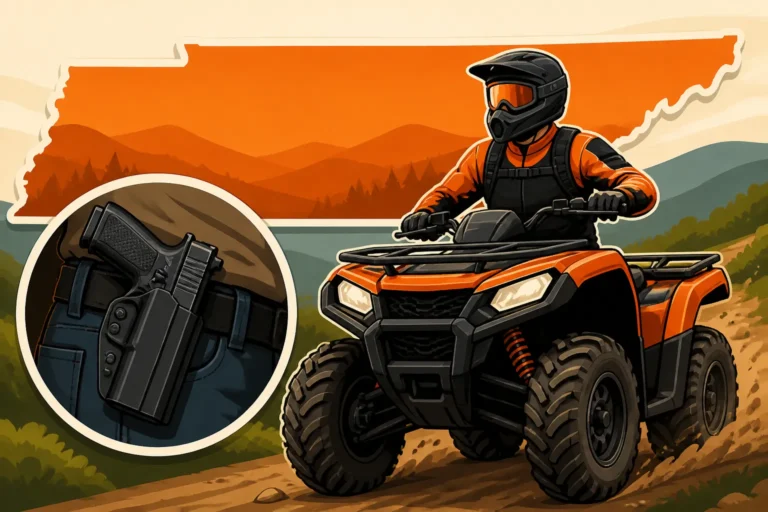
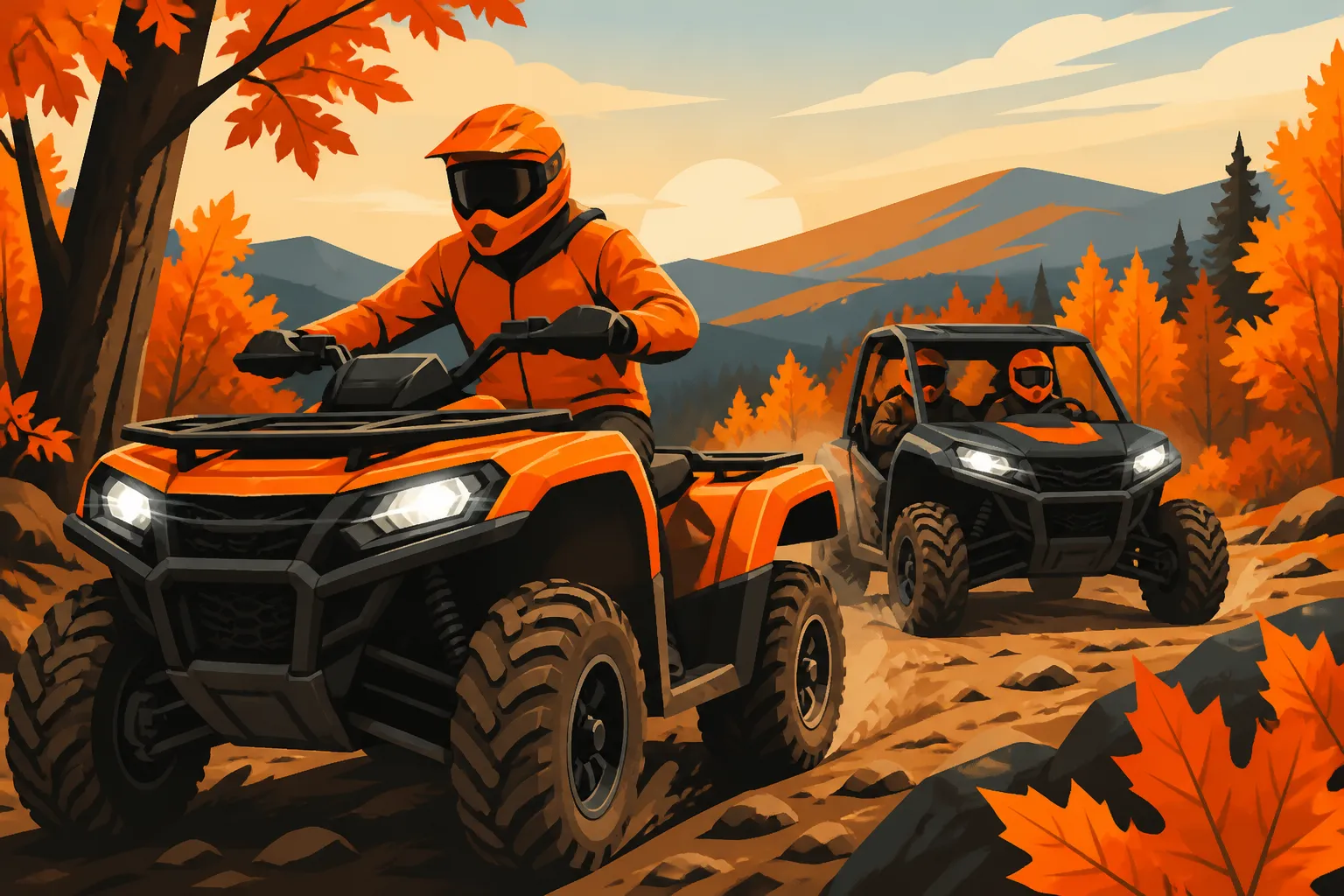
When it comes to blaze orange, think "more is better" for visibility. A simple blaze orange vest thrown over your riding jacket is a good start, but consider a full blaze orange jacket or a helmet with significant orange markings. The goal is to maximize the surface area that is clearly visible from all angles—front, back, and sides. A bright orange flag mounted to your machine, especially if it extends above your machine's roofline (for UTVs), can also significantly improve your visibility, particularly in rolling terrain. Many aftermarket suppliers like SuperATV offer robust flag mounts and high-quality flags designed for off-road use. Don't forget an orange hat or helmet cover. Remember, hunters are often looking through optics, and the more distinct you appear as a human, the better. While other bright colors like neon yellow are visible, blaze orange has a specific psychological association with hunting season safety that helps alert others quickly. Make sure your gear is clean and bright; faded orange loses some of its effectiveness.
Planning Your Ride
The most crucial step you can take for a safe November ride is thorough planning. Before you even think about loading your machine, check the Tennessee Wildlife Resources Agency (TWRA) website for specific hunting seasons and regulations in the area you plan to ride. Pay close attention to WMA-specific rules, as these are often where riders and hunters overlap the most. Knowing if it's a gun or archery season, and if blaze orange is mandatory for non-hunters, can change your entire ride plan. Always carry up-to-date [Tennessee Trail Maps Worth Carrying] and be aware of your location. If you’re heading to a popular destination like [Windrock Park at Oliver Springs, Tennessee] or [Brimstone Recreation at Huntsville, Tennessee], check their websites for any park-specific advisories or closures related to hunting.
It's also a smart practice to let someone know your planned route and estimated return time, especially if you're riding solo. Riding with a buddy or in a group enhances safety year-round, but it's particularly beneficial during hunting season, as multiple machines and riders in blaze orange create a more noticeable presence. Consider sticking to main trails rather than venturing onto rarely used logging roads or unmarked paths, which might be where hunters prefer to set up.
Respecting Shared Spaces
Good etiquette goes a long way in ensuring a positive experience for everyone sharing Tennessee's beautiful outdoors. When you encounter hunters, whether on the trail or parked alongside a road, offer a friendly wave and maintain a respectful distance. If you stop to talk, ensure your machine isn't running loudly, and consider turning it off if you're going to be there for a few minutes. Avoid intentionally making excessive noise, especially in areas where you know hunting is active, as it can disrupt their efforts and create unnecessary tension.
Remember that hunters are often looking for quiet and solitude, so minimize your impact as much as possible while still prioritizing your safety through visibility. If you see signs of hunting activity, such as tree stands, blinds, or parked hunting vehicles, proceed with extra caution. It’s also wise to research [Tennessee Rules for Riding in Deer Season] and be aware of any specific restrictions or recommendations for OHV use during those times. By understanding and respecting the different activities happening in these shared natural spaces, we can all coexist peacefully and enjoy the splendor of a Tennessee November, whether we're on two wheels or four, or waiting patiently in a blind. You might even find yourself on a [Tennessee Rules for Riding a Logging Road], which are often shared by hunters and riders alike, emphasizing the need for mutual respect and visibility.
Disclaimer
This article is for general informational purposes only and does not constitute professional advice. Laws, prices and regulations vary by location and change over time. Consult a qualified professional for guidance on your specific situation.