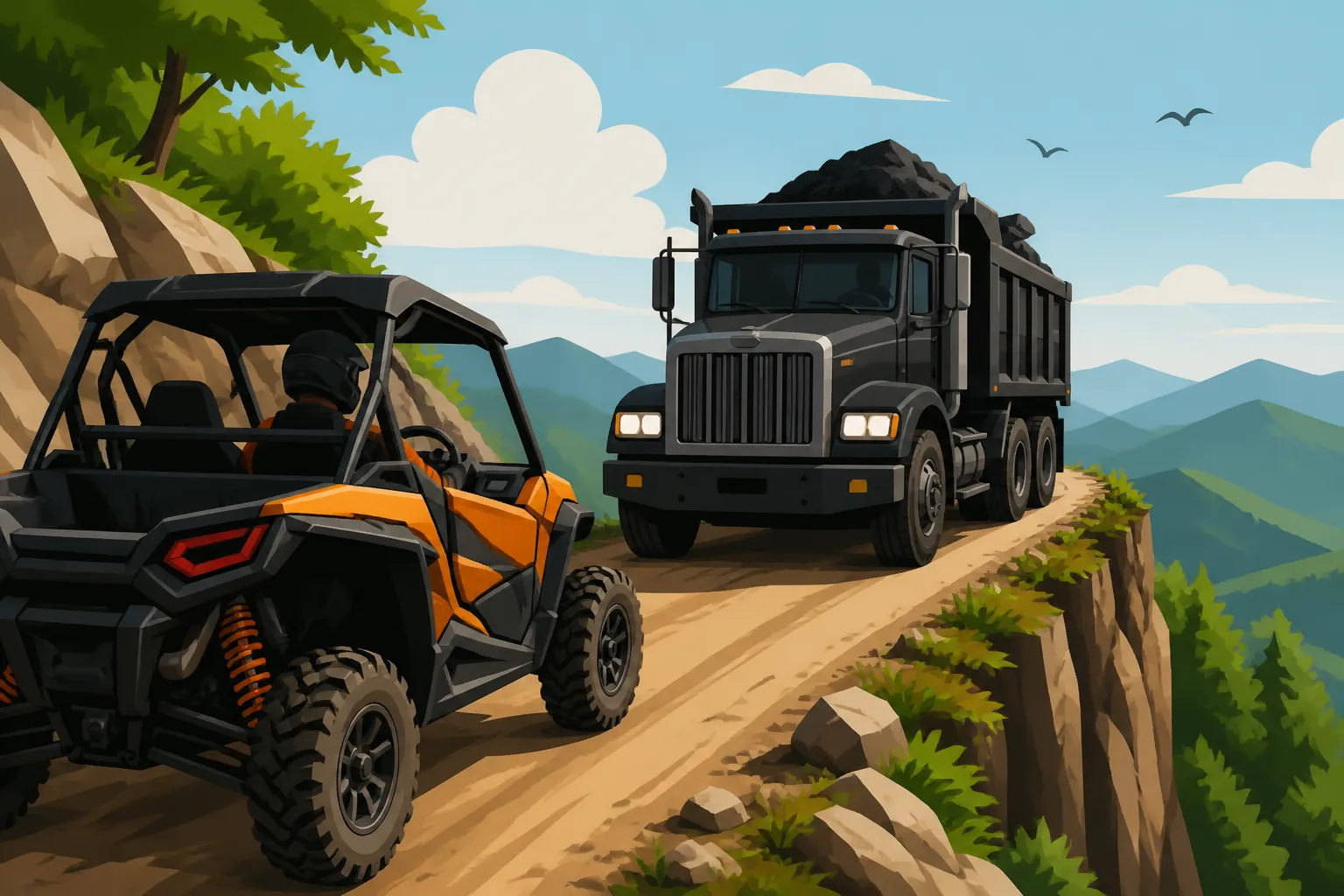
Meeting a Coal Truck on a Ridge Road
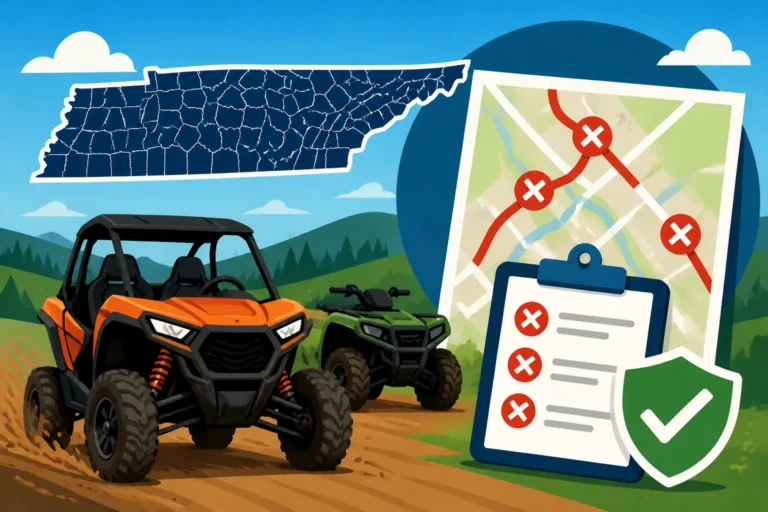
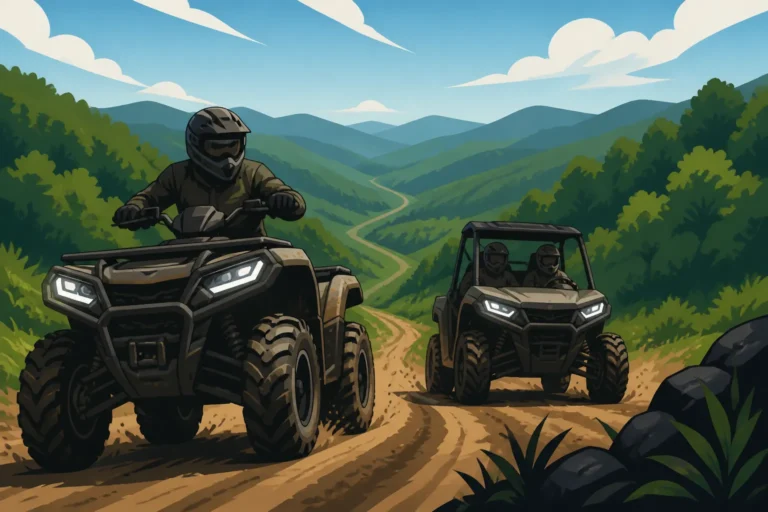
Trying to figure out where you can legally ride your ATV or UTV on Tennessee's public roads, especially in those stunning but sometimes industrial rural areas, can feel like navigating a maze. It’s frustrating to have a capable machine and not know if you’re breaking the law just by driving it from your cabin to a trailhead, especially when you might encounter large vehicles like coal trucks on a narrow ridge road. This guide is here to untangle the complexities of Tennessee's UTV and ATV road laws, helping you understand where and how you can ride safely and legally, even when sharing the pavement with heavy machinery.
Navigating Tennessee's UTV Road Laws: A Recent Shift
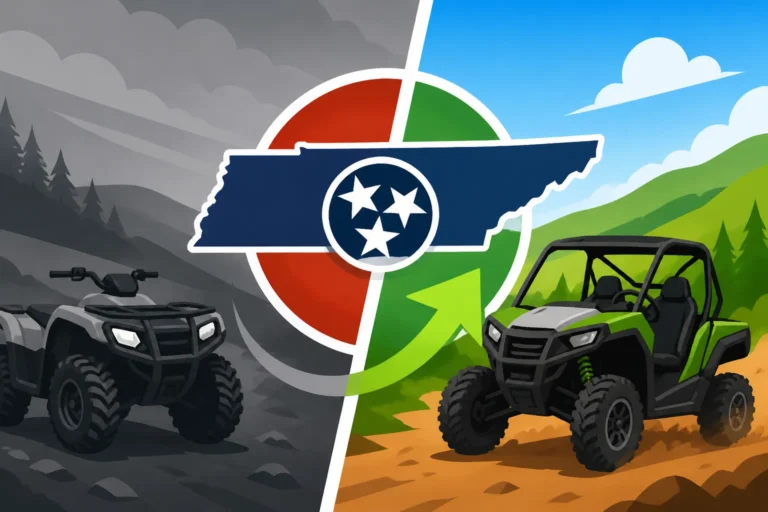
For a long time, the idea of legally riding your UTV or ATV on Tennessee's public roads was, for most people, a pipe dream. It felt like every county had its own nuanced rules, making it nearly impossible for riders, especially visitors, to know what was permissible. This patchwork approach led to a lot of confusion and, unfortunately, many citations for riders simply trying to connect trails or access local businesses. However, the landscape has significantly changed, bringing some much-needed clarity and opportunity for enthusiasts.
Understanding House Bill 810 and Adventure Tourism Districts
The biggest game-changer for Tennessee riders in recent years was the passage of House Bill 810. This legislation was a monumental step forward, recognizing the growing popularity of off-road vehicles and their potential to boost local economies, particularly in areas rich with natural beauty and trail systems. The bill essentially created a framework for counties to designate specific roads for UTV and ATV use, shifting away from a blanket prohibition. It specifically carved out "Adventure Tourism Districts" in a handful of counties, acknowledging their unique appeal to outdoor enthusiasts.
These designated counties — Scott, Anderson, Campbell, Morgan, Jackson, Johnson, Perry, Unicoi, Fentress, and Hickman — are now empowered to make decisions about their local roads. What this means on the ground is that county commissions and city councils within these areas can, through a formal process, open up certain roads to off-highway vehicles. It's not an automatic free-for-all; rather, it’s a deliberate process where local officials consider safety, traffic patterns, and community input. For instance, in places like Scott County, you'll find more and more roads being opened up, creating networks that allow riders to travel between trailheads, lodging, and local eateries. It’s a huge relief for many who previously had to trailer their machines for even short distances. [One Statewide Standard Replacing County-by-County Rules]
Speed Limits and Road Types for UTVs
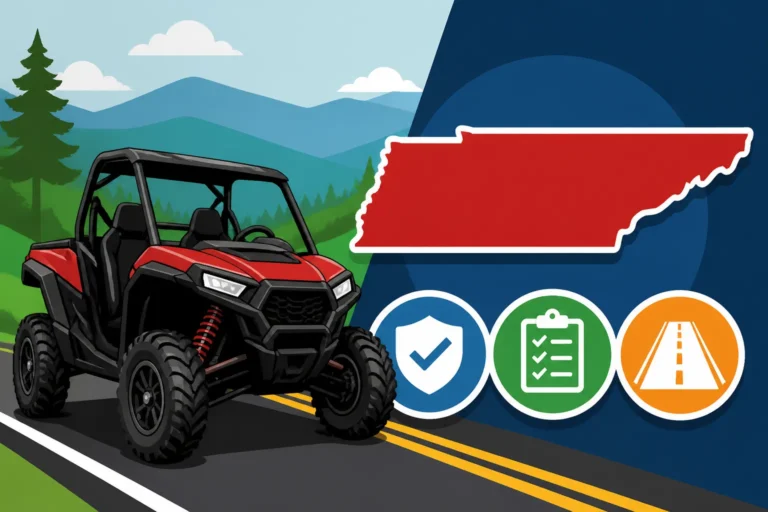
While House Bill 810 opened many doors, it also set some very clear boundaries for road use. One of the most crucial stipulations is the speed limit: UTVs and ATVs are generally restricted to roads with a posted speed limit of 45 mph or less. This rule is designed to ensure that these vehicles can safely integrate with regular traffic without creating significant speed differentials that could lead to accidents. You won't be cruising down a major state highway or interstate on your UTV, no matter how much you might wish you could. [Tennessee's 45 mph Road Rule]
The types of roads typically allowed are county roads and, in many cases, unpaved or gravel roads that crisscross the rural landscape. These are often the very roads that connect small communities, provide access to hunting grounds, or lead to popular trail systems. The law is also very clear about the hours of operation: UTVs and ATVs are generally only permitted on these designated roads during daylight hours only. This restriction is primarily for safety, as the lighting systems on many off-road vehicles, even those equipped with aftermarket upgrades from companies like SuperATV, aren't designed for high-speed night driving on public roads where visibility can be compromised. Crossing a highway is also strictly regulated, often requiring a ninety-degree crossing at a designated intersection, rather than riding along the highway itself. [Tennessee Road Use Rules for ATVs]
Essential Gear and Safety for Tennessee Road Riding
Even with the new freedoms to ride on certain Tennessee roads, safety should always be your number one priority. Riding an open-air vehicle, especially when sharing the road with larger cars and heavy trucks, requires a heightened sense of awareness and the right equipment. You can't just hop on and go; there are specific requirements and best practices that can literally save your life.
Helmet and Protective Gear Requirements
Tennessee has specific helmet laws that apply to ATV and UTV riders when operating on public roads. Generally, all operators and passengers under the age of 18 are required to wear a helmet. While the law mandates helmets for minors, it’s an absolute best practice for everyone, regardless of age, to wear a DOT-approved helmet when riding on public roads. The risks are simply too high to take a chance. [Tennessee Helmet Rules for Operator and Passengers]
Beyond helmets, consider full protective gear. This means sturdy riding boots, long pants, long-sleeved shirts or jackets, and gloves. These items offer crucial protection against road rash, abrasions, and impacts in the event of a fall or collision. Even a low-speed incident can result in serious injuries if you're not properly geared up. Think of it as your personal safety bubble, especially when you're on roads where you might encounter everything from passenger cars to massive coal trucks.
Lighting, Mirrors, and Other Equipment
To be considered road-legal on designated Tennessee roads, your UTV or ATV needs to meet certain equipment standards that go beyond what’s typically required for trail riding. These requirements are put in place to ensure your machine is visible to other motorists and that you can safely operate it in traffic.
Here’s a breakdown of what you’ll typically need:
- Headlights and Taillights: These aren't just for seeing the trail; they’re vital for being seen by others. They must be operational and properly aimed.
- Brake Lights: Essential for signaling your intentions to traffic behind you.
- Turn Signals: You need to clearly indicate turns, just like any other vehicle on the road. Many aftermarket kits, including those from SuperATV, offer comprehensive turn signal setups for various UTV models.
- Rearview Mirrors: At least one rearview mirror is usually required, giving you a clear view of traffic approaching from behind. Many riders opt for a full set – a center mirror and side mirrors – for maximum visibility.
- Horn: A working horn is critical for alerting other drivers to your presence, especially on winding roads or in unexpected situations.
- Windshield: While not always explicitly mandated for all OHVs, a windshield offers significant protection from debris, insects, and wind, making road riding much more comfortable and safer.
- Seatbelts: Most UTVs come standard with seatbelts, and it’s imperative that all occupants wear them when the vehicle is in motion on public roads.
Beyond the legal minimums, consider adding extra visibility aids. Brightly colored flags mounted on your machine, reflective tape on your helmet or clothing, and even additional LED light bars (used responsibly and aimed away from oncoming traffic) can significantly increase your presence on the road. Remember, the goal is to be seen and understood by other drivers, especially those operating much larger vehicles. [Tennessee Equipment Rules for Road Use]
Insurance, Driver's License, and Age Restrictions
Just like operating any motor vehicle on public roads, there are specific legal prerequisites you must meet to ride your UTV or ATV on designated Tennessee roads. Ignoring these can lead to fines, impoundment, and even more serious legal trouble.
First and foremost, you must have a valid driver's license. Tennessee sets a minimum age of 16 to operate an OHV on public roads. This isn't just a suggestion; it's the law. This ensures that operators have demonstrated a basic level of driving competence and understanding of road rules. [Tennessee Minimum Age to Ride a Road]
Secondly, insurance is required. You'll need to carry proof of liability insurance, just as you would for a car or truck. This coverage protects you financially in the event you're involved in an accident that causes damage or injury to others. Don't assume your homeowner's policy or existing auto insurance covers your UTV for road use; it's crucial to verify or obtain specific OHV insurance. Carry your insurance card and driver's license with you at all times when riding on roads, as law enforcement can and will ask for them. [Tennessee UTV Insurance Requirement]
Finally, always be aware of any local ordinances. While the state law provides a framework, individual counties and cities can have additional rules or specific designated routes. Always check with the local county clerk's office or sheriff's department in the area you plan to ride to ensure you're fully compliant.
Sharing the Road: Strategies for Encountering Heavy Traffic, Like Coal Trucks
One of the unique aspects of riding a UTV or ATV on roads in Tennessee's coal country and rural areas is the potential for encountering heavy industrial traffic, especially coal trucks. These vehicles are massive, often slow-moving, and can pose a significant hazard if not approached with caution and respect. Sharing the road safely requires a specific mindset and proactive strategies.
Anticipating and Responding to Industrial Vehicles
Riding on a narrow ridge road and suddenly coming face-to-face with a fully loaded coal truck can be an intimidating experience. These trucks are often incredibly long, wide, and have significant blind spots. Their braking distances are much longer than a UTV's, and they require a lot of room to maneuver, especially on tight turns.
Visibility is paramount. Your UTV, even a larger side-by-side, is tiny compared to a coal truck. Make yourself as visible as possible. This means wearing bright, contrasting colors (think blaze orange, hi-vis yellow), and ensuring all your lights are on and working, even during the day. Consider adding a tall safety flag to your machine, which can be particularly helpful on hills and curves where line of sight is limited. Many aftermarket providers, including SuperATV, offer various lighting and flag mounts to enhance visibility. [Blaze Orange on a Tennessee November Ride]
Listen and Look. On rural roads, especially gravel or unpaved ones, you can often hear a heavy truck long before you see it. Listen for the distinct rumble of their engines, the whine of their transmissions, or the hiss of air brakes. Keep an eye out for dust clouds in the distance, which can signal an approaching vehicle. Assume that around every blind curve, there could be a truck.
Be Prepared to Yield. If you see or hear a large truck approaching, especially on a narrow section of road, be prepared to pull over safely. The truck driver might not be able to easily move over for you, and it's always better to give them ample space. Slow down, move to the far right side of the road, and if necessary, pull completely off the travel lane if there's a safe shoulder. A simple hand wave or nod to the truck driver can also help communicate your awareness and intentions.
Navigating Narrow Roads and Blind Curves
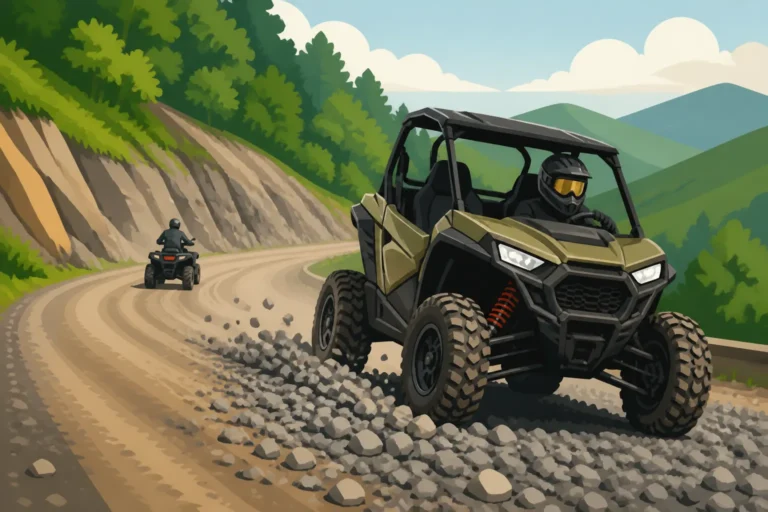
Tennessee's rural roads, particularly those in mountainous or heavily forested areas, are notorious for being narrow, winding, and full of blind curves. These conditions, combined with the presence of heavy trucks, demand an extra level of defensive riding.
Here are some strategies for safely navigating these challenging sections:
- Slow Down Significantly: Reduce your speed before entering a blind curve. This gives you more time to react if you encounter an obstacle or an oncoming vehicle.
- Stay to the Right: Always keep as far right as safely possible on narrow roads, especially through curves. Do not cut corners or drift into the opposing lane. Large trucks often need to swing wide to navigate tight turns.
- Use Your Horn: On particularly blind curves, a quick, audible honk of your horn can alert oncoming traffic, especially those large trucks, to your presence.
- Maintain Distance: If you're following a large truck, maintain a significant following distance. Trucks can kick up a lot of dust and debris, and you need ample space to react to sudden stops. If you're being followed by a truck, look for the first safe opportunity to pull over and let them pass.
- Communicate Clearly: Use your turn signals well in advance of any turns, especially if a truck is behind you. This helps the driver anticipate your movements.
| Situation | Do's | Don'ts |
|---|---|---|
| Encountering Heavy Trucks | ✅ Pull over safely, yield to the truck. | ❌ Challenge the truck for space. |
| ✅ Make eye contact with the driver if possible. | ❌ Assume they see you. | |
| Blind Curves | ✅ Slow down, stay far right, use your horn. | ❌ Speed into blind curves or cut corners. |
| Visibility | ✅ Wear bright colors, use flags, ensure all lights are on. | ❌ Ride in dark clothing or with faulty lights. |
| Equipment | ✅ Ensure all required lights, mirrors, and horn are working. | ❌ Ride without proper equipment, especially aftermarket turn signals. |
| Legal Compliance | ✅ Carry driver's license and proof of insurance. | ❌ Operate without a valid license or insurance. |
| Road Rules | ✅ Adhere to 45 mph speed limit, ride only on designated roads. | ❌ Ride on interstates or state highways unless crossing at an intersection. |
| ✅ Ride only during daylight hours. | ❌ Ride after sunset or before sunrise. |
Common Misconceptions and What to Avoid
Despite the progress Tennessee has made in allowing UTVs and ATVs on certain roads, there are still many misconceptions and illegal practices that riders fall into. Understanding these pitfalls is just as important as knowing what you can do, as the consequences for non-compliance can be frustrating and costly.
Fines and Penalties for Non-Compliance
Operating an OHV on a public road where it's not permitted, or without meeting the necessary equipment and licensing requirements, carries real penalties in Tennessee. It's not just a slap on the wrist. Violations can range from a simple fine to more severe consequences, depending on the nature of the offense and whether it's a repeat violation. For instance, many of these infractions are classified as a Class C Misdemeanor, which can carry a fine of $50, plus court costs. This might not sound like a fortune, but it can quickly add up, especially if your machine is towed or impounded. [A Class C Misdemeanor in Tennessee]
Beyond the financial hit, a citation can also put a damper on your riding plans. Getting stopped by a deputy, having to deal with paperwork, and potentially losing riding time are all scenarios you want to avoid. The best way to prevent these headaches is to be thoroughly informed and always ride within the bounds of the law. Don't rely on hearsay or what "everyone else does." Take the time to confirm the rules for the specific area you plan to ride. [Tennessee Fines for Illegal UTV Road Use]
Restricted Areas and Crossing Rules
One of the biggest areas of confusion for riders is understanding exactly where they can and cannot ride, even within the designated Adventure Tourism Districts. It's crucial to remember that "Adventure Tourism District" doesn't mean "all roads are open." Local authorities are required to publish lists of restricted roads, which are updated periodically. [Finding the Restricted Road List Your County Published]
Here are some key points to remember about restricted areas and specific crossing rules:
- Speed Limit Restriction: As mentioned, you cannot ride on roads with a posted speed limit exceeding 45 mph. This immediately rules out many state highways and all interstates. [Why a Road Posted 50 mph Is Off Limits]
- Interstate and State Highway Prohibition: You cannot ride along interstates or most state highways. The law specifically allows for crossing certain state highways, but this must be done at a ninety-degree angle at an intersection and only if that specific crossing has been designated by the Tennessee Department of Transportation (TDOT). You can't just cross anywhere you please. [Crossing a Two-Lane at Ninety Degrees in Tennessee]
- Local Ordinances: Always double-check local ordinances in specific towns or cities. While a county might open certain roads, an incorporated town within that county might have stricter rules for its municipal streets. For example, some areas might have specific times of day or days of the week when OHV road use is prohibited, or they might limit it to certain stretches of road. [Tennessee Cities That Allow UTVs on Streets]
- Private Property: While not directly related to public road use, it's worth a reminder that riding on private property without explicit permission from the landowner is trespassing, which is illegal and can lead to severe penalties. Always ensure you have the necessary permissions if you plan to venture off public rights-of-way onto private land.
Understanding these restrictions and diligently checking local regulations will ensure your riding adventures in Tennessee remain enjoyable and free from legal troubles. Always err on the side of caution and if in doubt, choose a designated trail system instead of a public road.
Disclaimer
This article is for general informational purposes only and does not constitute professional advice. Laws, prices and regulations vary by location and change over time. Consult a qualified professional for guidance on your specific situation.