How a Two-Thirds Council Vote Opens Unpaved Roads
Navigating the patchwork of rules for riding your ATV or UTV on Tennessee roads can feel like trying to solve a puzzle blindfolded. Many riders dream of connecting trails or accessing amenities directly from their machine, only to hit a wall of uncertainty, especially when it comes to riding on county-maintained unpaved roads. This guide is here to shed light on a specific, powerful tool that can open up these rural routes: the two-thirds council vote by local governing bodies. We’ll break down exactly what this means for you, how it works, and what to expect when a local community decides to embrace OHV road access.
The Evolving Landscape of Tennessee Road Access for OHVs
For years, the general rule in Tennessee has been quite restrictive regarding the use of Off-Highway Vehicles (OHVs) on public roads. It's a source of constant frustration for riders who see vast networks of county roads, especially those unpaved, as natural extensions of the trail system. You want to get from one trail section to another, or maybe just ride to the local store for a cold drink, but the laws can be a confusing maze. This isn't just a minor inconvenience; it impacts how you plan your rides, how much you have to trailer your machine, and ultimately, how you experience the incredible outdoor opportunities Tennessee has to offer. The state recognizes the economic and recreational potential of OHVs, and slowly but surely, legislative efforts have been made to give local communities more say in how their roads are used.
The General Prohibition and Its Exceptions
Generally speaking, [Are UTVs Street Legal in Tennessee?] and ATVs are not considered "street legal" in the same way cars or trucks are. They typically lack some of the standard safety features required for highway use, and they're designed primarily for off-road terrain. This foundational prohibition means you can't just hop on your quad and cruise down a state highway. However, Tennessee law has carved out specific exceptions, often allowing for limited use under certain conditions, such as for agricultural purposes or crossing a road at a ninety-degree angle. These exceptions are critical, but they don't solve the core problem of wanting to ride a section of county road to truly expand your riding experience. Riders constantly ask about [Tennessee Road Use Rules for ATVs] because the desire for more access is so strong.
The Role of Local Government
While the state provides the overarching framework, a significant amount of control over road access for OHVs in Tennessee is delegated to local governments—specifically county commissions and city councils. This local control is a double-edged sword. On one hand, it allows communities to tailor regulations to their unique needs, whether they're bustling urban centers or rural areas heavily reliant on outdoor tourism. On the other hand, it means what's permissible in Scott County might be strictly forbidden in a neighboring county, creating that confusing patchwork we mentioned earlier. Understanding the power of your local council or commission is key to advocating for or understanding OHV road access in your specific area. They are the ones who can make the crucial decisions that directly impact where you can ride.
Understanding the Two-Thirds Council Vote for Unpaved Roads
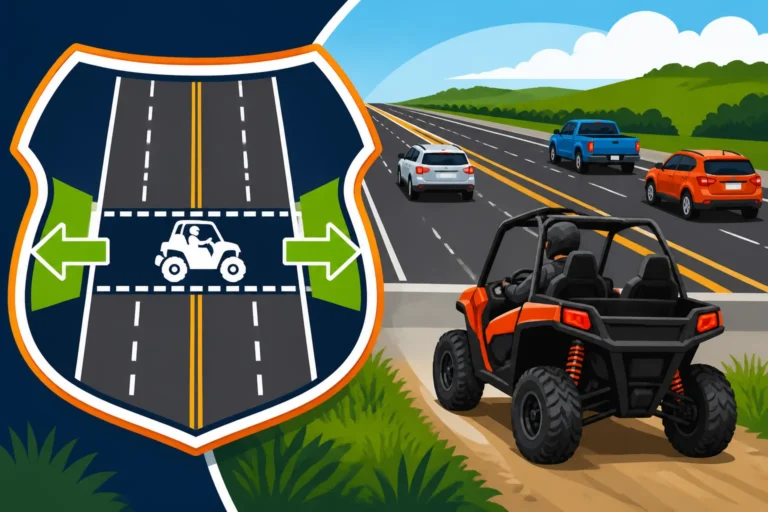
Here's where it gets really interesting for riders. Tennessee law includes a specific provision that allows county legislative bodies (like a county commission) or municipal legislative bodies (like a city council) to designate certain unpaved county roads or unpaved municipal streets for OHV use. But it's not a simple majority vote; it requires a two-thirds vote of the entire membership of that body. This higher threshold reflects the significance of the decision and ensures broad community consensus before opening roads to OHV traffic. It’s a mechanism designed to balance the interests of riders, residents, and road safety, and it's a direct pathway to legitimately expanding your riding territory. This process is how a local body can effectively say, "Yes, we want to allow ATVs and UTVs on these specific unpaved roads."
The Legislative Intent Behind the Vote
Why did the state legislature specifically include this two-thirds vote for unpaved roads? The intention is multifaceted. First, unpaved roads often lead to or are part of existing trail systems, making them logical connectors for riders. They are also typically less trafficked than paved roads, which can mitigate some safety concerns. Second, many rural counties in Tennessee are recognized as [Adventure Tourism Districts], where outdoor recreation, including OHV riding, is a significant part of the local economy. Lawmakers understood that giving these communities the power to open up roads could directly boost tourism, support local businesses, and provide economic vitality. It's about empowering local communities to leverage their natural assets for economic gain, while still maintaining control over which specific roads are opened and under what conditions.
How the Vote Process Works in Practice
So, how does this actually happen? It typically begins with local advocacy. Riders, trail clubs, or even local business owners who see the benefit of increased OHV tourism might approach their county commission or city council. They would present their case, highlighting the economic advantages and the desire for more cohesive riding experiences. The local body would then likely hold public meetings, gather input from residents, and perhaps even conduct studies on road safety and potential impacts. This isn't a swift process; it involves a lot of discussion and consideration. If the proposal gains enough traction and support, a resolution or ordinance would be drafted. Then, the critical vote takes place. To pass, it needs that two-thirds majority of all members, not just those present at the meeting. If it passes, the county or city then has the authority to designate specific unpaved roads. They will often publish these lists, and some communities might even install signage. This is often described as [How a Tennessee Town Opens Its Roads]. Once a road is designated, riders can then access it, but always remember to follow the [Tennessee Rules for Riding a County Road], which include requirements like helmets, insurance, and proper lighting, often found in parts from companies like SuperATV.
What This Means for Riders and Local Communities
When a county or city successfully passes a resolution to open unpaved roads to OHV traffic, it represents a significant win for the riding community. It means more miles to explore, fewer times you need to load and unload your machine, and a more seamless connection between trails and local services. For the communities, it can mean a welcome influx of tourism dollars, as riders are more likely to visit and spend money when they know they can legally connect their rides. However, this increased access also comes with responsibilities for both riders and local governments.
Increased Riding Opportunities and Responsibilities
Imagine being able to ride directly from your cabin to a trailhead, or linking two separate trail systems together without having to trailer your machine for a short hop. This is the promise of these expanded road access rules. Suddenly, you're not just limited to dedicated parks; the whole landscape opens up. This is particularly exciting in areas like Scott, Anderson, or Campbell counties, where vast trail systems are a major draw. However, with privilege comes responsibility. When riding on these newly opened unpaved roads, you're now interacting with other forms of traffic, residential areas, and different legal requirements than you'd face on a dedicated trail. You'll need to ensure your machine meets specific equipment standards for road use, such as proper headlights, taillights, brake lights, and sometimes turn signals and mirrors. [Tennessee Equipment Rules for Road Use] become paramount. Furthermore, age restrictions, licensing requirements, and helmet laws, like the [Tennessee Helmet Law for ATV Riders], are typically enforced on public roads, even unpaved ones. Many riders choose to upgrade their machines with components from aftermarket suppliers like SuperATV to ensure they comply with these new requirements.
Navigating Newly Opened Roads and Local Ordinances
Once a vote passes and roads are designated, how do you, as a rider, know which specific roads are open? Local governments are usually required to make this information public. This could be through their official website, public announcements, or even physical signage along the designated routes. It's crucial to check with the specific county or city's clerk or planning department to get the most up-to-date information. Don't assume anything. Just because a road looks like it should be open doesn't mean it is. These designations are precise. The goal is to provide clear guidance, but the onus is on the rider to stay informed. Always be aware that even on designated unpaved roads, other traffic, including cars, trucks, and farm equipment, will be present. Adhering to speed limits, traffic laws, and general courtesy is not just good practice, it's a legal requirement. A deputy on patrol will certainly be checking for compliance, and it's always best to be prepared for [What a Tennessee Deputy Checks Roadside].
Challenges and Considerations for Road Access
While the two-thirds vote offers exciting opportunities, it's not without its complexities. Opening up roads to OHV use is a balancing act, and communities must weigh various factors, from public opinion to infrastructure maintenance. For riders, it means staying informed and being a responsible ambassador for the sport.
Public Acceptance and Road Maintenance
One of the biggest hurdles for any community considering opening roads to OHVs is public perception. Not all residents are enthusiastic about ATVs and UTVs on their local roads. Concerns often include noise, dust, potential for speeding, and safety for other road users. Local councils must address these concerns to secure that two-thirds majority vote. Beyond public opinion, there's the practical matter of road maintenance. While OHVs are designed for rough terrain, increased traffic from these machines, especially on unpaved roads, can contribute to wear and tear, washboarding, and potholes. Local governments must consider the financial implications of maintaining these roads and ensure they have the resources to keep them safe for all users. This might involve additional funding or specialized maintenance plans.
Consistency Across Jurisdictions
The current system, where individual counties or cities make their own decisions, inevitably leads to a lack of uniformity. You might have open unpaved roads in one county, but cross a county line, and suddenly those rules no longer apply. This can be incredibly confusing for riders, especially those traveling from out of state. It forces riders to constantly verify local ordinances, which can change. While there have been discussions about [One Statewide Standard Replacing County-by-County Rules], for now, the local decision-making power remains. This means that if you're planning a trip that crosses multiple jurisdictions, you must meticulously research the specific rules for [Tennessee Rules for Riding an Unpaved Road] in each area. Companies like SuperATV, which specialize in aftermarket parts, often cater to a wide range of state-specific regulations, highlighting the diverse legal landscapes riders navigate.
Understanding Penalties for Non-Compliance
It's vital for riders to understand that utilizing designated unpaved roads comes with the responsibility of compliance. If you're caught riding on a road that hasn't been officially opened by a two-thirds vote, or if you're on an open road but fail to meet the state's requirements for road-legal operation (e.g., no helmet, no driver's license, missing required equipment), you could face fines or other legal repercussions. These penalties can range from minor citations to more serious charges, depending on the infraction and local statutes. Always carry your driver's license, proof of insurance, and ensure your machine is equipped correctly. [Tennessee Driver's License Rules for UTVs] are often a common point of contention, so be sure you meet the age and licensing requirements before hitting the pavement, even if it's just a gravel county road. Ignorance of the law is rarely an excuse, so staying informed about the specifics of [Tennessee Counties That Allow UTVs on Roads] is your best defense against an unexpected ticket.
| Category | General Rule (Unpaved Roads) | After Two-Thirds Vote by Local Council |
|---|---|---|
| Legality | Generally prohibited for OHVs. | Permitted for OHVs on specifically designated unpaved roads/streets. |
| Decision-Maker | State law sets baseline prohibitions. | County legislative body or municipal legislative body. |
| Vote Required | N/A | Two-thirds vote of the entire membership. |
| Road Type | Applies to all public roads. | Specifically for unpaved county roads or municipal streets. |
| Rider Impact | Limited access, often requiring trailering. | Increased legal access, potential for connecting trails and services. |
| Community Impact | Less OHV traffic on roads. | Potential for increased adventure tourism and local economic benefits. |
| Rider Responsibility | Stay off roads unless specific exemptions apply. | Comply with all state and local road-use regulations (helmets, lights, etc.). |
Disclaimer
This article is for general informational purposes only and does not constitute professional advice. Laws, prices and regulations vary by location and change over time. Consult a qualified professional for guidance on your specific situation.