Tennessee Rules for Riding With a Dog
There's nothing quite like hitting the trails on your ATV or UTV, soaking in the incredible Tennessee scenery, feeling the rumble beneath you – and wishing your best furry friend could be right there beside you. Many of us consider our dogs family members, and the thought of leaving them behind while we head out for an adventure can be a real bummer. But bringing your dog along for an off-road excursion in Tennessee isn't as simple as just scooping them up and going. There are crucial safety considerations, common sense practices, and a few state-specific rules you'll definitely want to understand to keep both you and your canine companion safe and happy. This guide will walk you through everything you need to know about responsibly riding with your dog on Tennessee's trails and roads.
Prioritizing Your Dog's Safety: More Than Just a Ride
Before you even think about the legalities, the absolute first thing on your mind should be your dog's safety and well-being. An ATV or UTV ride is a far cry from a leisurely walk in the park. These machines are loud, fast, and often traverse challenging terrain, which can be overwhelming or even dangerous for an unprepared dog.
Assessing Your Dog's Temperament and Suitability
Not every dog is cut out for an off-road adventure, and that's okay. Consider your dog's personality. Is your dog generally calm and unfazed by loud noises and new environments, or are they easily stressed, anxious, or prone to barking at every squirrel? A dog that panics or tries to jump out of a moving vehicle can create a dangerous situation for everyone. Start with short, controlled exposures to the machine, perhaps even just letting it idle while they're nearby, to gauge their reaction. For some dogs, the vibration and noise alone might be too much. It's an act of love to recognize when an activity isn't suited for them, no matter how much you wish they could join. Think about their breed too; some dogs, like brachycephalic breeds (pugs, bulldogs), are much more susceptible to heatstroke and breathing difficulties, making high-exertion or hot-weather rides risky.
Essential Safety Gear and Restraints
Once you've determined your dog is a good candidate, securing them properly is paramount. Never, ever allow your dog to ride unrestrained in an ATV or UTV. A sudden bump, turn, or stop could send them flying, leading to serious injury or worse. For smaller dogs, a securely fastened travel crate or a specialized pet carrier designed for vehicles is often the safest bet. These should be strapped down firmly to prevent movement. For larger dogs, a heavy-duty harness designed for car travel, combined with a seatbelt attachment, can work if they are riding in a UTV passenger seat. However, even with a harness, a sudden jolt can be rough on their joints and spine.
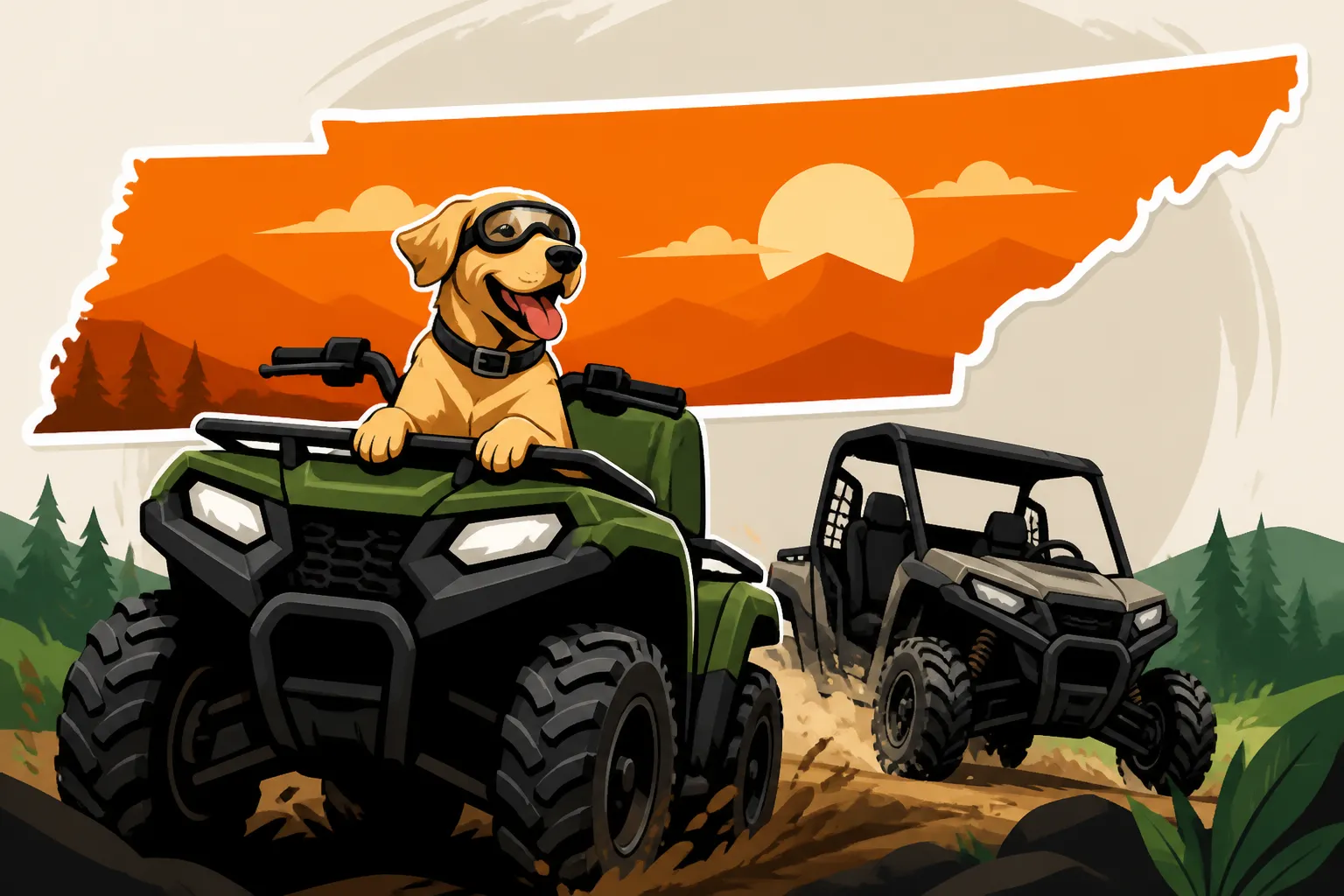
Many riders find success with specialized cargo solutions. You might look into durable, ventilated dog boxes or kennels that can be securely mounted in the bed of a UTV. Companies like SuperATV offer a range of cargo boxes and storage solutions that, while not always designed specifically for pets, can often be adapted with proper ventilation and securing mechanisms for a pet carrier. The key is immobility within the vehicle. You want them contained, comfortable, and protected from flying debris, branches, and the elements. Eye protection (dog goggles) can also be a wise investment to protect against dust, wind, and debris, especially if your dog's head is exposed.
Hydration, Heat, and Breaks
Tennessee's trails, especially in summer, can get hot and dusty. Dogs can overheat much faster than humans, and they can't tell you they're thirsty. Always carry ample fresh water for both you and your dog, along with a portable bowl. Offer water frequently, even if your dog doesn't seem to ask for it. Plan for regular breaks where your dog can get out, stretch their legs, and relieve themselves. This also gives them a chance to cool down in the shade. Overheating signs include excessive panting, drooling, lethargy, and a dark red tongue. If you see these, stop immediately, cool your dog down with water, and seek veterinary attention if they don't improve quickly. Remember, the metal floor of an ATV or UTV bed can also get extremely hot, so ensure your dog has a cool, insulated surface to rest on if they're in a cargo area.
Understanding Tennessee's Rules for Dogs on Trails and Roads
While Tennessee's laws are very specific about things like [Tennessee Helmet Rules for Operator and Passengers] or [Tennessee Driver's License Rules for UTVs], they are notably less prescriptive when it comes to riding with your dog on an ATV or UTV. This lack of specific regulation can be a double-edged sword: it offers flexibility, but it also means the onus is heavily on you, the owner, to exercise good judgment and adhere to general animal control laws and park-specific rules.
General Leash Laws and Public Access
Tennessee, like most states, has general animal control laws, including leash laws, that apply to public areas. While an ATV or UTV trail isn't typically a city sidewalk, the spirit of these laws often extends to any public land where loose animals could become a nuisance, a danger to themselves, or a threat to wildlife or other visitors.
- Public Lands (WMAs, State Parks, etc.): When riding on public lands, such as the North Cumberland Wildlife Management Area (WMA) or areas like Windrock Park, always check their specific rules regarding pets. Most WMAs will have strict leash requirements, and some might even restrict pets from certain areas or during specific seasons. For example, during hunting seasons, a loose dog could easily interfere with hunters or even be mistaken for game. [Tennessee Rules for Riding a WMA] will outline the general expectations for responsible use, and this usually includes pet control. Many designated OHV parks like Windrock and Brimstone Recreation are generally dog-friendly, but they almost universally require dogs to be leashed when outside your vehicle or campsite. Always call ahead or check the park's website before you visit.
- Road Use: When considering [Tennessee Road Use Rules for ATVs] or UTVs on designated county roads, the rules around pets are usually tied to general traffic laws. A dog unrestrained in a vehicle on a public road could be considered a distraction to the driver or a hazard if they were to jump out or obstruct the driver's view. While not always explicitly stated for OHVs, the safest and most responsible approach is to keep your dog securely contained within the vehicle, just as you would in a regular car.
Private Land and Permission
If you're riding on private land with the owner's permission, the rules regarding your dog are generally at the discretion of the landowner. However, even on private land, you still have a responsibility to keep your dog under control to prevent them from chasing livestock, wildlife, or disturbing neighbors. It's always best to have a clear conversation with the landowner about bringing your dog along. Remember, even with permission, you are still accountable for your dog's actions. If your dog causes damage or injury, you could be held liable. [Tennessee Rules for Riding Private Property] emphasize the importance of explicit permission and respecting the land.
Wildlife Encounters and Environmental Responsibility
Bringing a dog into natural environments also means being aware of potential wildlife encounters. A curious dog can easily chase or disturb wildlife, which is not only stressful for the animals but can also put your dog at risk (e.g., encountering snakes, coyotes, or bears). Always keep your dog within sight and under control, especially in areas known for wildlife. Picking up after your dog, even on trails, is also a crucial part of being a responsible rider and preserving the natural beauty of Tennessee's outdoors.
Preparing for Your Adventure: Gear and Training
So, you've assessed your dog, understood the general rules, and decided to hit the trails together. Now it's time to get down to the practicalities of preparation. A well-prepared rider makes for a happy, safe dog.
Essential Gear Checklist for Your Canine Companion
Having the right gear makes all the difference for your dog's comfort and safety. Here's a rundown of what you should consider packing:
- Secure Carrier/Crate: This is non-negotiable. Whether it's a soft-sided travel kennel secured with straps, a hard-shell crate, or a dedicated dog box, it needs to be robust and firmly attached to your OHV. Ensure it's well-ventilated to prevent overheating. Consider something from SuperATV's line of cargo boxes or bed enclosures; while often used for tools and gear, many can be adapted with proper ventilation and padding for pet transport.
- Harness and Leash: Even if your dog is in a carrier, a comfortable, secure harness (not just a collar) and a sturdy leash are essential for breaks, walks at the trailhead, or any time your dog is outside the vehicle.
- Water and Bowl: Portable, collapsible bowls are perfect for trail rides. Ensure you have more water than you think you'll need.
- Dog Food and Treats: Pack enough food for the duration of your trip, plus a little extra for emergencies. Treats are great for positive reinforcement during training or for rewarding good behavior on the trail.
- First-Aid Kit for Dogs: Just like you have one for yourself, a separate kit for your dog is vital. Include items like antiseptic wipes, paw balm, bandages, tick removers, and any specific medications your dog might need.
- Paw Protection: Depending on the terrain, dog booties can protect paws from sharp rocks, hot surfaces, or abrasive gravel.
- Eye Protection (Dog Goggles): Essential for keeping dust, debris, and wind out of their eyes, especially if they ride with their head exposed.
- Waste Bags: Always pack out what you pack in, and that includes dog waste.
- Identification: Ensure your dog has up-to-date ID tags on their collar with your contact information, and consider microchipping if you haven't already.
Acclimation and Training for the Trails
Successfully riding with your dog isn't just about having the right gear; it's about preparation and training. Don't just throw your dog in the UTV and head out on a multi-hour ride.
- Start Small and Slow: Begin by introducing your dog to the parked ATV/UTV. Let them explore it, sniff around, and get comfortable with its presence. Reward calm behavior.
- Engine Noise Acclimation: Next, turn the engine on while your dog is nearby (but safely leashed) and observe their reaction. Gradually increase exposure time. Again, reward calm behavior with treats and praise.
- Short, Controlled Rides: Start with very short rides around your property or a quiet, safe area. Drive slowly on smooth terrain. See how your dog handles the motion, sounds, and vibrations. Pay close attention to any signs of stress or motion sickness.
- Gradually Increase Duration and Difficulty: As your dog becomes more comfortable, you can slowly increase the length of your rides and introduce slightly rougher terrain. Always prioritize their comfort over your desire for a thrill.
- Practice Commands: Ensure your dog has solid "stay," "come," and "leave it" commands, which are crucial for safety during breaks or in unexpected situations on the trail.
- Hydration Training: Encourage your dog to drink water during breaks, even if they don't seem thirsty.
| Aspect of Ride | Dog Safety Consideration | Recommended Action |
|---|---|---|
| Temperament | Anxiety, fear, motion sickness | Start with short, calm exposures; observe reactions. Some dogs are better left home. |
| Containment | Ejection from vehicle, injury from sudden stops | Use a secure, ventilated crate or heavy-duty harness with seatbelt. |
| Environment | Heatstroke, dehydration, dust, debris, rough terrain | Ample water, frequent breaks, eye protection, paw protection, shaded rests. |
| Legal/Park Rules | Leash laws, restrictions on public lands | Check specific park/WMA rules; keep dog leashed outside vehicle. |
| Wildlife | Disturbing animals, encounters with predators/snakes | Keep dog under control, especially in known wildlife areas; pack out waste. |
| Gear | Lack of essentials for comfort and safety | Pack water, bowl, first-aid, food, waste bags, ID, harness, leash. |
| Vehicle Adaptations | Exposure to elements, securing space | Consider UTV cargo boxes, secure strapping points, cooling pads. SuperATV has cargo options. |
Respecting Fellow Riders and the Environment
When you bring your dog along, you're not just representing yourself; you're representing all dog-owning riders. Being a responsible pet owner on the trails helps ensure that parks and riding areas remain dog-friendly for everyone.
Trail Etiquette and Shared Spaces
Always be mindful of other trail users. Not everyone is comfortable with dogs, and some people may even have allergies or fears. Keep your dog contained in your vehicle when moving, and on a leash and close to you during breaks. If you encounter other riders, hikers, or equestrians, pull over and ensure your dog is secure and calm until they pass. This prevents potential conflicts and ensures a positive experience for everyone enjoying Tennessee's beautiful outdoors. [Tennessee Rules for Riding to a Trailhead] often cover general conduct, and this extends to how you manage your pets.
Leaving No Trace, Dog Edition
The principles of "Leave No Trace" apply just as much to your dog's presence as they do to your own. This means:
- Pack out all waste: Yes, even deep in the woods. Dog waste can introduce non-native bacteria into the ecosystem and is simply unpleasant for others.
- Stay on marked trails: Allowing your dog to wander off-trail can disturb delicate ecosystems, harass wildlife, and potentially lead them into dangerous situations.
- Protect water sources: Prevent your dog from contaminating streams or rivers, which are vital for wildlife and other visitors.
- Minimize noise: While your OHV makes noise, try to keep your dog from excessive barking, especially in quieter areas or near campgrounds.
By being diligent about these practices, you help preserve the trails for future use and maintain good relationships with land managers and other outdoor enthusiasts. Your efforts ensure that riding with dogs remains a welcome activity in Tennessee's fantastic off-road landscape.
Disclaimer
This article is for general informational purposes only and does not constitute professional advice. Laws, prices and regulations vary by location and change over time. Consult a qualified professional for guidance on your specific situation.