Tennessee Rules for Riding Private Land
There's a special kind of freedom that comes with owning an ATV or UTV, and often, the first place our minds go is to the wide-open spaces of private land. Maybe it's your own sprawling acreage, a friend's farm, or a leased parcel of timberland. The thought is often, "If it's private, I can do whatever I want!" But hold your horses, because while private land offers incredible opportunities for riding, Tennessee still has rules and considerations you absolutely need to understand. This guide is all about helping you navigate the sometimes-murky waters of enjoying your machine on private property, ensuring you stay safe, legal, and avoid any unwanted headaches.
The Foundation: Permission is Paramount, and Recorded!
It might seem obvious, but permission is the absolute bedrock of riding an OHV on private land in Tennessee. It's not just about politeness; it's about protecting yourself, the landowner, and everyone involved. This goes far beyond a casual "Yeah, sure, go ahead."
Why "My Land, My Rules" Isn't Always Enough
When you're riding on land that isn't publicly designated for OHVs, it's easy to assume that you're in a free-for-all zone. If it's your own land, you might feel like you've got carte blanche. If it's a buddy's property, a quick verbal okay might feel sufficient. But here's where reality often steps in and complicates things. What happens if someone gets hurt? What if a piece of equipment is damaged? Or worse, what if a neighbor complains about noise or dust, and suddenly the sheriff is knocking on your door, asking questions about your presence?
Even if it's your own land, you're responsible for the safety of anyone you allow to ride there. And if you're riding on someone else's land, even with their blessing, you can find yourself in a sticky situation without clear, explicit permission. Many folks get frustrated, thinking, "Why do I need all this formality? We're just having fun!" But that formality is a layer of protection. It sets clear boundaries and expectations, making sure everyone is on the same page. You might own the machine, but the land itself has its own set of responsibilities and potential pitfalls, especially when it comes to liability.
The Power of Written Permission: Beyond a Handshake
A handshake and a verbal "go ahead" might feel friendly and informal, but in the eyes of the law, it can be flimsy at best. Imagine you're riding on a remote part of a friend's property, far from the house. A game warden or a county deputy, responding to a complaint, sees you. Your word against theirs that you have permission isn't always enough to prevent a citation for [Tennessee Trespass Rules for Riders]. This is where the power of written permission really shines.
What should this written permission include? It doesn't need to be a fancy legal document, but it should cover a few key points:
- Who is authorized to ride: Name specific individuals or a group (e.g., "John Doe and his immediate family").
- What machines are allowed: Specify ATVs, UTVs, dirt bikes, etc.
- Where they are allowed to ride: Describe the specific areas of the property (e.g., "the back pasture and wooded trails behind the barn," or "the entire property except for areas within 100 feet of the main residence").
- When they are allowed to ride: Include specific dates or a timeframe (e.g., "from January 1st to December 31st of the current year," or "during daylight hours only").
- Any specific rules: Are there speed limits? Helmet requirements? Restrictions on alcohol? This is a great place to put those.
- Landowner's signature and date: This is crucial for proving consent.
Having this simple document can save you immense hassle and potential legal trouble. It acts as a shield, proving your legitimate presence and intention. It's not about distrust; it's about clarity and protection for everyone involved. While it doesn't directly relate to permission, don't forget that if you're acquiring a machine, having a solid [A Tennessee Bill of Sale for an OHV] is just as vital for proving ownership.
Beyond Permission: State and Local Laws Still Apply
Even when you're on private land with express permission, it's not a complete free-for-all. State and local laws, particularly those concerning environmental protection, noise, and general public safety, often extend beyond property lines. It's a common misconception that private land means absolute freedom from all regulations.
Environmental and Nuisance Regulations
Tennessee is a beautiful state, and protecting its natural resources is a priority, even on private property. For example, tearing up sensitive creek beds or causing severe erosion can lead to fines, regardless of who owns the land. While you might be enjoying a thrilling ride through a natural stream, [Tennessee Rules for Riding a Creek Bed] are there for a reason, aiming to prevent damage to aquatic ecosystems and water quality.
Beyond environmental concerns, there's the issue of nuisance. Your neighbors, even if they're a mile down a gravel road, still have rights to peace and quiet. Excessive noise from loud exhaust systems (something SuperATV's quieter options aim to mitigate) or persistent dust clouds kicked up by frequent riding can quickly lead to complaints to local law enforcement or county zoning officials. These complaints can escalate, and suddenly, what you thought was a private activity becomes a public problem. It's essential to be a good neighbor, even in rural areas. Consider your riding hours, the sound of your machine, and the potential impact on surrounding properties. Ignoring these can turn a fun day into a costly dispute, even if you technically own the land.
Safety Gear and Age Restrictions (Even in Your Own Backyard)
When you're deep in the woods on your own private trails, it's easy to feel like safety regulations, particularly helmet laws, can be relaxed. For adults, while [Tennessee Helmet Law Off-Road] might not be strictly enforced on private property in the same way it would be on public lands, it's always the smart choice. However, when it comes to younger riders, the rules can be much stricter, regardless of where they're riding.
Tennessee has specific regulations concerning the age of operators for ATVs and UTVs, and while enforcement on private land might be less overt, liability becomes a huge factor. If a minor is injured on your property while riding an OHV without a helmet, or if they are underage for operating the machine, the consequences for the landowner could be severe. It's not just about avoiding a ticket; it's about protecting lives and preventing devastating legal repercussions. Many parents get frustrated by these rules, feeling like they should have full control over their children's activities on their own property. However, these laws are often designed to safeguard children from serious injury. Therefore, adhering to age limits and insisting on appropriate safety gear, like helmets, eye protection, and sturdy boots, is paramount for anyone riding on private land, especially for those under 18. Setting up a safe riding environment, free of unexpected hazards, also reduces risks significantly.
Navigating Liability: Protecting Yourself and Your Land
This is perhaps one of the most overlooked aspects of riding OHVs on private land, and it's absolutely crucial. The freedom of private property comes with significant responsibilities, particularly concerning the safety of others.
Understanding Landowner Liability in Tennessee
In Tennessee, landowners have a duty of care to people on their property, and the extent of that duty depends on the visitor's status. Generally, there are three categories:
- Invitees: These are people who are invited onto your land for your mutual benefit (e.g., a customer, a contractor). You owe them the highest duty of care, meaning you must inspect the property for hazards and warn them of any you find.
- Licensees: These are people you allow onto your property for their own benefit, with your permission (e.g., a friend coming over to ride their ATV, a social guest). You generally have a duty to warn them of known, non-obvious dangers.
- Trespassers: These are people on your land without permission. You generally owe them the lowest duty of care, primarily to avoid intentionally harming them. However, there are exceptions, especially for child trespassers ("attractive nuisance" doctrine).
The challenge with OHV riding is that injuries can be severe, and the costs associated with medical care and potential lawsuits can be astronomical. Imagine a friend comes to ride on your property, hits a hidden stump you didn't know about, and suffers a serious back injury. Even though they had permission, they might argue you didn't adequately warn them of the danger, leading to a lawsuit. Many landowners validate this fear, thinking, "I was just trying to be nice and let them have fun, and now I could lose everything!" This is a very real concern, and understanding your exposure is the first step in mitigating it. That's why [Tennessee Landowner Permission Requirements] often suggest going beyond a simple verbal "yes."
Waivers, Insurance, and Risk Mitigation Strategies
Given the potential for serious injury and liability, it's wise for landowners to implement strategies to protect themselves.
- Clear Signage: Post signs clearly stating "Ride at Your Own Risk," "Private Property," and any specific rules (e.g., "Helmets Required"). This helps inform visitors of potential hazards and your expectations.
- Maintain Safe Trails: While you can't eliminate all risks, try to remove obvious hazards like large fallen trees, hidden holes, or dangerous debris from frequently used trails.
- Waivers of Liability: For non-family members, consider requiring them to sign a waiver. This document acknowledges the inherent risks of OHV riding and releases the landowner from liability for injuries. While not foolproof (especially if gross negligence is involved), a well-drafted waiver can provide a significant layer of protection.
- Insurance: Your homeowner's insurance policy might offer some liability coverage, but it's crucial to check if OHV activities are covered, especially when guests are involved. Some policies specifically exclude such activities or limit coverage. You might need to consider a specialized recreational vehicle insurance policy or an umbrella policy for additional protection. Riders themselves should also ensure their machines are covered by their own OHV insurance. This dual layer of protection ensures that if an accident does occur, there are resources to cover the damages.
| Risk Mitigation Strategy | Applies to Landowner | Applies to Rider | Description |
|---|---|---|---|
| Written Permission | Yes | Yes | Formal agreement detailing who, what, where, and when riding is allowed, signed by landowner. Protects rider from trespass claims and landowner by setting boundaries. |
| Clear Signage | Yes | No | "Ride at Your Own Risk" or "Private Property" signs. Informs riders of risks and intent. |
| Maintain Safe Trails | Yes | No | Removing obvious hazards like large debris. Reduces chance of accidents. |
| Waivers of Liability | Yes | Yes | Document signed by rider acknowledging risks and releasing landowner from liability. Adds legal protection for landowner. |
| Liability Insurance | Yes | Yes | Homeowner's or specialized OHV insurance for landowner; OHV insurance for rider. Covers medical bills and legal costs in case of an accident. |
| Safety Gear Use | Indirectly (recommend) | Yes | Helmets, eye protection, sturdy clothing. Reduces severity of injuries. |
| Adhere to Age Limits | Yes (enforce) | Yes | Ensuring riders meet Tennessee's minimum age requirements for OHV operation. Reduces risk and liability for minors. |
When Private Land Meets Public Use: Lease Agreements and Organized Rides
Not all private land is owned by individuals or families. A significant portion of Tennessee's landscape is owned by timber companies, mining operations, or large investment firms. These lands are often made available for recreation through lease agreements, offering a different set of rules and considerations for OHV enthusiasts.
Riding on Leased Coal Tracts or Timber Land
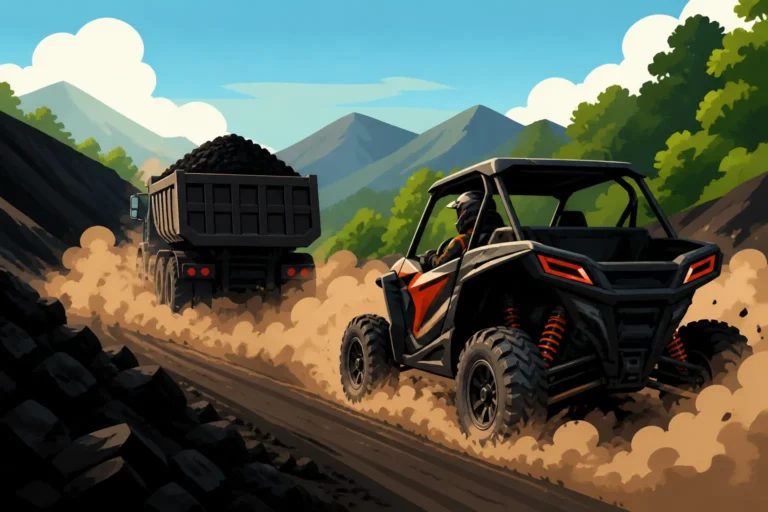
Many parts of East Tennessee's "Coal Country" are vast tracts of privately held land, often owned by large corporations. These companies frequently lease out access rights for hunting, fishing, and, yes, OHV riding. When you're riding on these lands, you're still on private property, but your permission comes from a specific lease agreement rather than a direct landowner.
These agreements come with their own stringent rules. For example, [Tennessee Rules for Riding a Leased Coal Property] will typically include:
- Permit Requirements: You'll almost certainly need a specific permit or membership for that particular lease area. This isn't the same as a state-issued trail permit; it's specific to the private land manager.
- Designated Trails: You might be restricted to marked trails only, with severe penalties for venturing off into unauthorized areas.
- Operational Hours: There might be specific times you're allowed on the property, often tied to daylight hours or when active logging/mining isn't occurring.
- Environmental Stewardship: Strict rules against littering, damaging trees, or impacting water sources are standard.
- Firearm Restrictions: During certain seasons or in specific zones, firearms might be prohibited.
The beauty of these leased lands is the sheer scale of riding opportunities they often present. Many popular riding areas in Tennessee, like parts of Windrock Park or Brimstone Recreation, operate on a mix of private leases and owned land, offering hundreds of miles of trails. They bridge the gap between purely private "backyard" riding and official state parks. However, ignoring the specific terms of your lease or permit can result in hefty fines, loss of access, or even legal action for trespass or property damage.
Organized Group Rides on Private Property
Sometimes, private land becomes the venue for a larger gathering. This could be a club ride, a charity event, or even a sponsored ride promoted by companies like SuperATV, showcasing their aftermarket parts in action. Even with explicit landowner permission for a large group, additional layers of responsibility and regulation come into play.
If you're organizing such an event, you need to consider:
- Temporary Event Permits: Depending on the size of the gathering and the local ordinances, you might need special permits from the county or city, even if the event is on private land. These permits often cover things like parking, sanitation, and emergency access.
- Commercial Insurance: A standard homeowner's policy is unlikely to cover an organized event with numerous participants. Event organizers often need specific commercial liability insurance to protect against claims arising from accidents or injuries during the event.
- First Aid and Emergency Access: Planning for emergencies is critical. How will emergency services access remote parts of the property? Do you have designated first aid stations?
- Participant Waivers: For every rider, a comprehensive waiver of liability is even more crucial for an organized event than for a casual private ride.
- Compliance with all rules: Ensuring all participants adhere to safety gear requirements, age limits, and any specific land-use rules is the organizer's responsibility. [Tennessee Rules for an Organized Ride] often delve into these complexities, emphasizing the need for robust planning and risk management.
Whether you're hitting your own back 40, a friend's farm, or a leased tract, understanding the rules, securing proper permission, and mitigating risks are paramount. That way, you can truly enjoy the unparalleled freedom and adventure that Tennessee's private lands offer for ATV and UTV enthusiasts.
Disclaimer
This article is for general informational purposes only and does not constitute professional advice. Laws, prices and regulations vary by location and change over time. Consult a qualified professional for guidance on your specific situation.