How a Tennessee Town Opens Its Roads
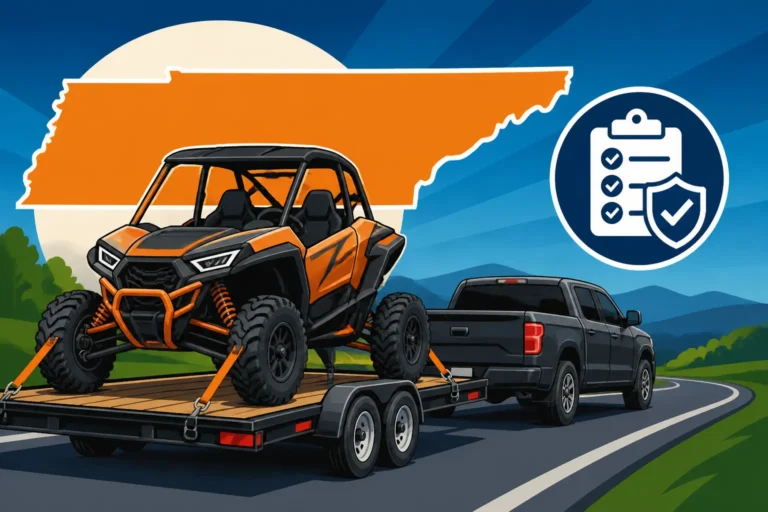
It's incredibly frustrating when you see your friends in other states cruising their ATVs and UTVs on local roads, enjoying the convenience and freedom, while you're stuck trailering yours everywhere in Tennessee. For a long time, the rules here felt restrictive, leaving many of us scratching our heads about how we could ever legally get our machines from the trailhead to a gas station, or even just down the street to a neighbor's house. This guide is going to walk you through exactly how a Tennessee town can open its roads to off-highway vehicles (OHVs), what that process looks like for local communities, and what it means for riders once those roads are finally open.
The State Law Paving the Way for Local Access
For many years, the general rule in Tennessee was pretty straightforward, if a bit disheartening for OHV enthusiasts: ATVs and UTVs, for the most part, simply weren't allowed on public roads. This wasn't because anyone necessarily disliked these machines; it was largely due to how they were classified, or rather, not classified, under state vehicle laws. They weren't cars, trucks, or motorcycles, and they certainly weren't designed with traditional street-legal requirements in mind. This often meant a lot of confusion and a feeling that our machines were second-class citizens when it came to road access.
Why OHVs Were Once Barred on Most Roads
Historically, the thinking was that OHVs like ATVs, side-by-sides, and dirt bikes were built for off-road environments – trails, fields, and private land. They lacked many of the safety features common to traditional vehicles, such as turn signals, brake lights, proper rearview mirrors, and often, the stability needed for higher speeds on paved surfaces. Because of these perceived safety concerns and the lack of a clear legal framework, the default stance across much of Tennessee was to prohibit their use on public roads. This blanket ban was tough for riders, especially those in rural communities who often used their machines for practical purposes, like farm work, or simply wanted to connect to nearby trail systems without loading up a trailer every single time. It forced a lot of creative, and sometimes legally questionable, detours just to get where you needed to go.
The Legislation That Changed Things
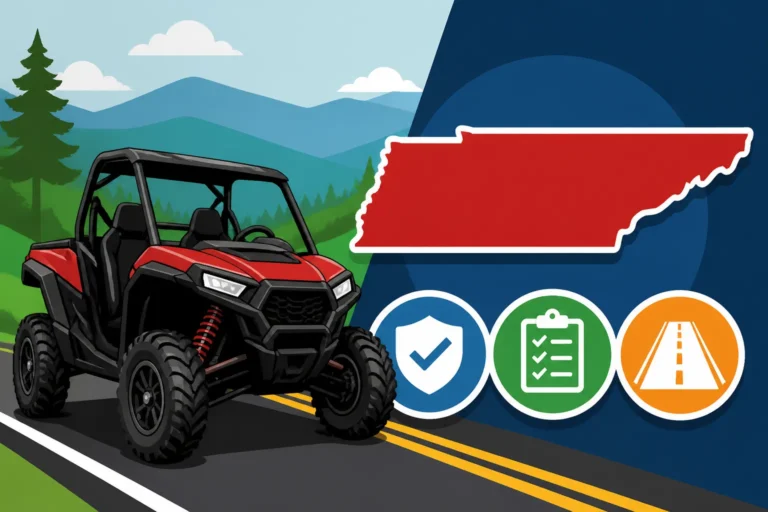
Thankfully, the landscape began to shift. Recognizing the growing popularity of OHVs and their economic impact, particularly in areas geared towards adventure tourism, Tennessee enacted new legislation to address this very issue. The key change wasn't to make every OHV automatically street legal across the entire state – that would have been too drastic and likely met with too much resistance. Instead, the state empowered local governments, specifically city and county legislative bodies, to make decisions about their own roads within certain parameters. This was a crucial turning point, moving away from a one-size-fits-all prohibition to a more nuanced, community-specific approach. It acknowledged that what makes sense for a bustling metropolitan area might not make sense for a small town nestled next to a major trail system. The goal was to provide a legal path for communities to embrace OHV tourism and local use, while still ensuring safety and local control.
What the "Adventure Tourism District" Means
A big part of this legislative change revolved around the concept of [Tennessee's Adventure Tourism Districts]. These districts, established by the state, are essentially geographic areas identified for their potential to attract visitors who engage in outdoor recreational activities, including OHV riding. The law specifically named ten counties that would benefit from this designation: Scott, Anderson, Campbell, Morgan, Jackson, Johnson, Perry, Unicoi, Fentress, and Hickman Counties. This doesn't mean only these counties can open their roads, but it certainly gave them a head start and a clear legislative framework to work within. The idea is that by allowing OHVs on certain roads in these districts, towns can better connect trail systems, facilitate access to lodging, restaurants, and gas stations, and ultimately boost their local economy. It's a way for communities to say, "We understand the appeal of these machines, and we want to safely integrate them into our local infrastructure to support our residents and welcome visitors."
How a Local Government Actually Makes it Happen
So, if you live in a town that isn't currently allowing OHVs on its streets, how does it actually change? It's not as simple as someone just deciding it's a good idea. There's a formal, legal process that local governments must follow to ensure the changes are implemented correctly and with community input. It's a structured approach designed to balance the desires of riders with the concerns of other residents and general public safety.
The Steps for a City or Town Council
The process typically begins with a local legislative body, like a city council or town commission, initiating discussions. This might be prompted by citizen petitions, local business owners advocating for the change, or council members themselves recognizing the economic or recreational benefits. Once the conversation starts, there are several key steps:
- Introduction of an Ordinance: A council member will introduce a proposed ordinance. This document is the legal framework that outlines which roads will be open, what kind of machines are allowed, when they can be ridden, and what safety equipment is required. It's the blueprint for the new rules.
- First Reading: The proposed ordinance will have a "first reading" at a public council meeting. This is often just an announcement that the ordinance is being considered, giving the public initial notice.
- Public Hearing: This is a crucial step. Before a final vote, the council must hold a public hearing to gather input from residents, business owners, and other stakeholders. This is where people can voice their support, express concerns, or suggest modifications. It's a chance for the community to shape the proposed changes.
- Second Reading and Vote: After the public hearing, the ordinance will have a "second reading," often with revisions based on public feedback. At this point, the council will vote on whether to adopt the ordinance. For unpaved roads, state law often requires a two-thirds majority vote, emphasizing the importance of broad consensus. This significant requirement ensures that the decision reflects a substantial portion of the community's will, not just a simple majority. You can see how this differs from [How a Two-Thirds Council Vote Opens Unpaved Roads].
- Publication: Once passed, the ordinance must be properly published, usually in a local newspaper or through official town channels, to inform the public of the new rules.
This whole process can take several weeks or even months, depending on the complexity of the ordinance and the level of community discussion. It’s a thorough procedure, but it ensures that decisions are made transparently and with due consideration for everyone involved.
Public Hearings and Community Engagement
Public hearings are more than just a formality; they are a vital part of democratic governance. For a town considering opening its roads to OHVs, these hearings provide a platform for a wide range of perspectives. You might hear from:
- Riders and Business Owners: They will often highlight the economic benefits, such as increased tourism, sales for local shops, and easier access to trails. They might talk about how convenient it would be to ride their SuperATV UTV directly to the gas station or a restaurant, rather than having to load it onto a trailer.
- Concerned Residents: Others might raise issues about noise, dust, increased traffic, or potential safety hazards for pedestrians and traditional vehicles. They might worry about young riders or those without proper training.
- Law Enforcement: Local police or sheriff's deputies might offer insights into enforceability, needed equipment, and potential challenges.
The council’s role is to listen to all these viewpoints and try to craft an ordinance that addresses as many concerns as possible while still achieving the desired outcome of opening roads. Sometimes, this means making compromises, like restricting certain roads or limiting hours of operation. It's a balancing act that aims to serve the community broadly.
Key Elements of a Local OHV Ordinance
When a Tennessee town drafts an ordinance to open its roads, it usually includes several key components to ensure safety and clarity. These aren't just suggestions; they become enforceable laws within that town's jurisdiction.
- Designated Roads: The ordinance will explicitly list which roads are open to OHVs. It's rarely every single road in town. Often, it's specific routes that lead to trailheads, connect to businesses, or link different parts of the community. For example, some towns might open all county roads but keep state highways closed, or only allow access to specific town streets. This specificity helps riders know exactly where they can and cannot go, helping to prevent issues that could lead to [Tennessee Fines for Illegal UTV Road Use].
- Hours of Operation: Many ordinances include restrictions on when OHVs can be operated on public roads. A common stipulation is [Riding Only Between Sunrise and Sunset]. This is often a measure to address noise concerns in residential areas and to enhance safety, as OHVs may have less robust lighting systems than traditional vehicles for [Tennessee Rules for Riding After Dark].
- Speed Limits: While general road speed limits apply, some ordinances might set specific, lower speed limits for OHVs on certain roads, especially those in residential areas or near schools. Generally, the state law allows use on roads posted [Riding a Road Posted 45 mph or Under], so towns will usually adhere to or be more restrictive than that.
- Vehicle Equipment Requirements: This is a big one. To be road-legal in a town that allows OHVs, your machine will need specific equipment, much like a traditional vehicle. This often includes:
- Headlights and taillights (functioning, of course!)
- Brake lights
- Turn signals (often an aftermarket addition, but crucial for safety on roads)
- A horn
- Rearview mirrors (at least one, sometimes two)
- A windshield (not always required for ATVs, but often for UTVs)
- A working speedometer
- A spark arrester on the exhaust
Many riders turn to companies like SuperATV for these kinds of accessories, whether it’s a full SuperATV street legal kit or individual components like mirrors and signal lights. It's not just about compliance; it's about being seen and communicating your intentions to other drivers.
- Rider Requirements: The ordinance will also outline who can legally operate an OHV on these roads. This generally aligns with state law, which means:
- A valid driver's license (often meaning [Tennessee Driver's License Rules for UTVs])
- Minimum age requirements ([Tennessee Minimum Age to Ride a Road] is 16 for public roads)
- Wearing a helmet (especially for operators and passengers under 18, as per [Tennessee Helmet Rules for Operator and Passengers])
- Insurance Requirements: Just like with cars, many ordinances will require OHV operators to carry liability insurance when riding on public roads. This provides crucial protection in case of an accident and aligns with [Tennessee UTV Insurance Requirement].
- Penalties for Violations: The ordinance will specify the consequences for not following the rules, which can range from fines (like [Tennessee's $50 Fine]) to classification as a [A Class C Misdemeanor in Tennessee] for serious infractions.
These elements are designed to create a safe, organized environment for OHV use on public roads, integrating them thoughtfully into the existing traffic flow.
Riding Legally on Newly Opened Town Roads
Once your local town has gone through the process and successfully passed an ordinance to open its roads, it’s not just a free-for-all. As a rider, you have a responsibility to understand and adhere to the new rules. This isn't just about avoiding a ticket; it's about ensuring the safety of everyone on the road and maintaining the good standing of the OHV community within the town. Adherence to these rules is what helps prevent local governments from rescinding the privilege.
Essential Gear and Licensing
So, your town opened its roads – awesome! But before you just fire up your rig and head out, you'll need to make sure both you and your machine meet all the requirements laid out in the local ordinance and state law.
First, let's talk about you, the operator. You absolutely need a valid driver's license. The state law is pretty clear that anyone operating an OHV on a public road needs to be at least 16 years old and possess a valid driver's license. No temporary learner's permits here for road use. Beyond that, many local ordinances will reiterate the [Tennessee Helmet Law for Operator and Passengers], particularly for those under 18. Even if you're over 18, it's always a smart idea to wear one – you never know what the road (or another driver) might throw at you.
Now for your machine. This is where a lot of riders need to make some upgrades. Your OHV must be equipped with [Tennessee Equipment Rules for Road Use] to safely share the road with cars and trucks. This typically includes:
- Headlights and Taillights: These need to be fully functional.
- Brake Lights: Absolutely essential so drivers behind you know when you're slowing down.
- Turn Signals: While some OHVs come with these, many do not. You'll likely need an aftermarket kit, and many riders turn to brands like SuperATV for reliable and easy-to-install options. Signaling your turns is a basic courtesy and a critical safety measure.
- Rearview Mirror(s): At least one, mounted to give you a clear view of traffic behind you.
- Horn: A working horn is required for alerting others.
- Windshield: Often required for UTVs, offering protection from road debris.
- Spark Arrester: This is typically standard on most OHVs but ensures your exhaust system is safe.
- Muffler: Your machine needs to have an adequate muffler to keep sound levels in check, respecting residential areas.
It's a good practice to carry proof of insurance with you, as [Tennessee UTV Insurance Requirement] is a common stipulation for road use. Make sure your policy covers your OHV for on-road incidents. These aren't just minor suggestions; they're legal mandates designed to ensure your safety and the safety of everyone else on the road.
Understanding Road Designations and Limits
Once a town or county opens its roads, it's vital to know precisely which roads are open. You can't just assume every street is fair game. Local ordinances will specifically designate routes. These might be roads that connect you to [Windrock Park at Oliver Springs, Tennessee], lead to a specific gas station, or allow passage through a small town center. You’ll need to seek out and consult the official maps or lists published by the local government. Some towns might even put up specific signage indicating OHV-friendly routes.
Remember, even on open roads, you're expected to follow all traffic laws that apply to traditional vehicles. This means observing speed limits – which, on designated roads, are generally [Riding a Road Posted 45 mph or Under] – yielding, stopping at stop signs, and using your signals. The purpose of opening these roads isn't to create a separate set of rules for OHVs; it's to integrate them safely into the existing traffic flow. Additionally, many ordinances will restrict riding to daylight hours, so expect [Riding Only Between Sunrise and Sunset] to be a common rule. Don't be surprised if interstates and state highways remain off-limits, even in towns that have opened their local streets. Respecting these boundaries helps ensure continued access and positive relationships with the community. You can find more general information about what applies statewide in [Are UTVs Street Legal in Tennessee?] and [Tennessee Rules for Riding a County Road].
The Role of Enforcement
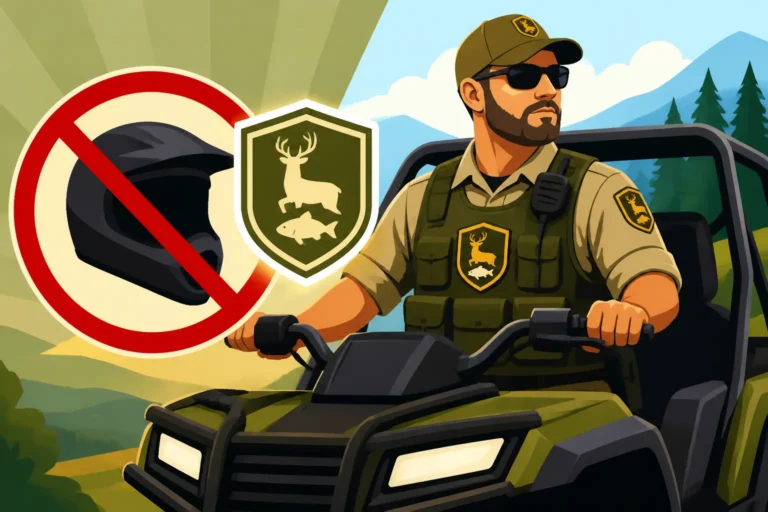
With new rules comes new enforcement. Local law enforcement, whether it's the city police or the county sheriff's department, will be responsible for ensuring that riders adhere to the ordinance. This isn't about targeting OHV riders, but rather about maintaining public safety and ensuring everyone follows the law. A deputy at a roadside stop will likely check for a valid driver's license, proof of insurance, and that your machine has the required safety equipment, like mirrors, headlights, and working brake lights. They might also be looking for excessive speed or reckless operation.
Violations can lead to fines, and for serious offenses, even more significant penalties. For example, some minor infractions might result in a basic citation and a fine, perhaps [Tennessee's $50 Fine]. However, operating without proper licensure, insurance, or in a reckless manner could lead to more severe consequences, potentially classified as a [A Class C Misdemeanor in Tennessee]. It's crucial for riders to understand that the privilege of riding on these roads comes with the responsibility of compliance. The community's acceptance of OHV road use often hinges on how responsibly riders behave. By following the rules, you contribute to a positive perception of OHV riding and help ensure these access opportunities continue for everyone.
Here's a quick overview of common elements you'd find in a local OHV ordinance:
| Feature | Common Stipulations | Rider Action Required |
|---|---|---|
| Designated Roads | Only specific local roads, not state highways. | Check local maps/ordinances carefully. |
| Hours of Operation | Typically sunrise to sunset. | Plan rides during daylight hours. |
| Speed Limits | Standard road limits, or lower for OHVs (e.g., 25 mph). | Observe all posted speed limits. |
| Operator Age/License | 16+ years old with valid driver's license. | Carry license, ensure operator meets age. |
| Helmet Requirements | Mandatory for under 18; recommended for all. | Wear an approved helmet. |
| Required Equipment | Headlights, taillights, brake lights, turn signals, horn, mirrors, spark arrester. | Install aftermarket parts as needed (e.g., SuperATV kits). |
| Insurance | Proof of liability insurance. | Carry current insurance card. |
| Penalties | Fines for violations, potential misdemeanor for serious offenses. | Ride responsibly to avoid citations. |
Disclaimer
This article is for general informational purposes only and does not constitute professional advice. Laws, prices and regulations vary by location and change over time. Consult a qualified professional for guidance on your specific situation.