Tennessee Helmets for Operator and Passengers
Navigating the ins and outs of Tennessee's ATV and UTV laws can feel like trying to ride a trail blindfolded – especially when it comes to helmet requirements. Many riders, and their passengers, often find themselves scratching their heads, wondering if a helmet is always necessary, or if it depends on where you're riding, who's on board, or even the type of machine you're on. It's a common source of confusion, and frankly, it can be frustrating to try and keep up with all the nuances. This comprehensive guide is here to untangle the web, providing clear, realistic advice on when, where, and for whom helmets are a must in the Volunteer State.
Unpacking Tennessee's Core Helmet Laws for OHVs
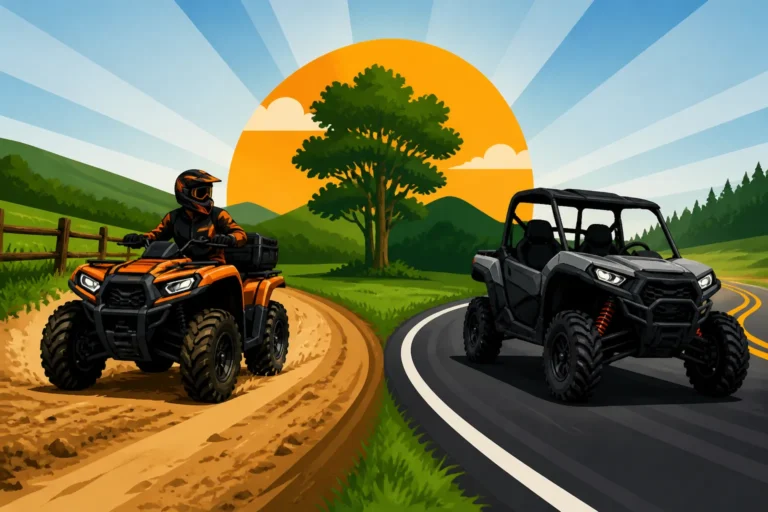
Let's cut through the noise and establish a solid foundation for understanding Tennessee's approach to helmet use for off-highway vehicles (OHVs). It’s not a simple "yes" or "no" answer, which is why so many folks get tripped up. The state often draws a distinct line between riding on private land or dedicated off-road parks versus venturing onto public roadways, and this distinction is absolutely crucial when considering helmet mandates.
The General Rule: Off-Road vs. On-Road Riding
For many years, the assumption for adult riders in Tennessee was that if you were off the pavement, helmets were largely optional. And for the most part, on private property with the landowner's permission, that still holds true for adults aged 18 and over. However, this casual approach shifts dramatically the moment your tires touch a public road or even within many state-managed areas. The state recognizes the heightened risks associated with mixing OHVs with conventional traffic or riding in organized, public-access recreation zones. This means that while you might feel free-spirited cruising your own land, that freedom comes with increased responsibility and specific legal requirements the second you leave it. For example, designated riding areas like Windrock or Brimstone often have their own specific rules that might be stricter than general state law regarding helmets, especially for minors.
The Age Factor: Why Younger Riders Have Stricter Rules
When it comes to helmet laws, age isn't just a number in Tennessee – it's a critical factor that can change everything. The state is particularly protective of its younger riders, and for good reason. Riders and passengers under the age of 18 are generally subject to more stringent helmet laws, regardless of whether they are on a public road or even within many designated off-road riding areas. This isn't unique to Tennessee; it's a common thread in OHV safety legislation across the country, aiming to reduce the severity of injuries in accidents involving less experienced or physically vulnerable individuals. So, if you're planning a family ride, always assume the kids need helmets, even if you're just exploring the back forty of your own property, especially if you plan to visit a park or WMA. Many rental companies, recognizing these safety standards, will include helmets for all riders in their [Tennessee UTV Rental License Requirements] and packages.
Navigating Public Roads: Mandatory Helmet Requirements
The landscape of OHV road use in Tennessee has evolved, with more counties and adventure tourism districts opening up their roadways to ATVs and UTVs. This increased access is fantastic for riders, but it comes with a strict set of safety protocols, and helmets are at the top of that list. There's no getting around it: if you're on a public road, your head needs to be covered.
Tennessee Helmet Law for ATV Riders: Public Road Use
With recent legislative changes opening up more of Tennessee's scenic roads to OHVs, the mandate for helmets on public roads has become crystal clear. When you're operating an ATV or UTV on a designated county road or state highway where these machines are permitted, both the operator and any passengers must wear a helmet. This isn't a recommendation; it's a legal requirement designed to enhance safety when OHVs share the road with cars, trucks, and other vehicles. Whether you're just crossing a short stretch of pavement to get to another trail section or enjoying a longer ride on a designated route, the helmet rule applies. Law enforcement, from local deputies to state troopers, will be looking for compliance, and this includes checking for appropriate [Tennessee UTV Insurance Requirement] alongside helmet use. Companies like SuperATV, while known for their parts and accessories that enhance off-road capability, always emphasize safe riding practices, and proper helmet use is fundamental to that.
Helmet Rules for Tennessee Riders: Minimum Age and Road Restrictions
Beyond the general requirement, Tennessee also has rules about the minimum age for operating an OHV on public roads, which directly ties into helmet use. Generally, you need to be at least 16 years old and possess a valid driver's license to operate an OHV on a public road. Regardless of your age, once you're on that public pavement, the helmet becomes mandatory. This applies whether you're cruising through an [Adventure Tourism District] or on a local county road that has been opened for OHV use via a [How a Tennessee Town Opens Its Roads]. Even brief forays onto roads, such as crossing a two-lane road at ninety degrees in Tennessee, require adherence to these safety rules. These regulations underscore the state's commitment to minimizing risks where OHVs intersect with traditional road traffic, making your helmet your most important piece of gear in these scenarios.
Exceptions and Exemptions: When a Helmet Isn't Required
While the general trend points toward increased helmet use, Tennessee law does carve out specific, limited scenarios where a helmet isn't strictly mandated. It’s crucial to understand these exemptions precisely, as misinterpreting them could lead to unnecessary fines or, more importantly, put your safety at risk. These exceptions are for very specific circumstances, not a general loophole for recreational riders.
Tennessee's Agricultural Exception for Helmet Use
One of the most widely recognized exemptions in Tennessee's helmet laws pertains to agricultural use. If you're operating an ATV or UTV solely for legitimate farming, ranching, or other agricultural purposes, you might be exempt from the helmet requirement. This applies primarily when you're on private agricultural land or briefly crossing public roads strictly to access different parts of your farm. This isn't a blanket pass for casual riding under the guise of "farm work." The intent must be genuinely agricultural. For instance, moving feed, checking fences, or transporting tools from one field to another might fall under this exception. However, taking your machine out for a joyride on a Sunday afternoon, even if it's on your farm, wouldn't typically qualify. It's a specific exemption for specific tasks, and understanding [Tennessee Rules for Agricultural Road Use] is key to staying compliant.
Emergency and Wildlife Vehicles in Tennessee
Another important exemption is granted to official personnel operating OHVs in the line of duty. This includes emergency responders, law enforcement officers, and wildlife and conservation officers. These individuals may operate their ATVs or UTVs without a helmet when performing official duties, as their specific operational needs and training often require different considerations. For example, a wildlife officer might need an unobstructed field of vision or quick dismount capabilities that a helmet could impede in certain situations. It's vital for recreational riders to understand that this exemption is reserved exclusively for these authorized professionals and does not extend to the general public. Seeing a game warden without a helmet doesn't mean you can ride without one; it simply means they are operating under a different set of rules tied to their official responsibilities.
Protecting Your Passengers: Helmet Laws for the Whole Crew
When you're out riding, it's not just the operator's safety that matters; protecting any passengers is equally, if not more, important. Tennessee's laws reflect this, with specific mandates for passengers, particularly younger ones, both on and off public roads. Ensuring everyone in your machine is properly geared up is a fundamental part of responsible riding.
Tennessee Helmet Law for Passengers: Age and Location Rules
The rules for passengers largely mirror those for operators, especially when it comes to riding on public roads. If the operator is legally required to wear a helmet on a public road, then every passenger on that machine, regardless of their age, must also wear a helmet. There's no age-based waiver for adults riding as passengers on public roads. Off-road, the situation can be a bit more nuanced but often stricter, particularly in state-managed Wildlife Management Areas (WMAs) or private parks. Many of these areas have specific regulations, often mandating helmets for all passengers under a certain age, such as 18. This is a common rule you'll encounter at popular spots like Windrock Park at Oliver Springs or Brimstone Recreation at Huntsville. It's always best to check the specific rules of the park or WMA you plan to visit, as they might have stricter requirements than general state law.
Specific Requirements for Youth Passengers on Trails and Roads
Youth passengers are often afforded the highest level of protection under Tennessee law and park regulations. For instance, when riding an OHV, helmets are often legally required for passengers under 18 years of age, both on and off public roads, within many recreational contexts. This steadfast rule acknowledges the increased vulnerability of younger riders to serious injury in the event of an accident. When visiting a park, you might find specific details like [Tennessee Helmet Law Off-Road at 17?] which clearly states the age limit for mandatory helmet use. Rental companies are particularly diligent about this, often making helmet provision a part of their standard [Tennessee UTV Rental Prices] package, ensuring that families and groups can easily comply. It’s not just about avoiding a ticket; it’s about providing the best possible protection for the younger generation of riders, instilling good safety habits from an early age.
Gear Up: Choosing the Right Helmet and Staying Safe
Beyond simply complying with the law, choosing the right helmet and ensuring it fits correctly is a personal safety decision that could quite literally save your life. Not all helmets are created equal, and understanding what to look for can make a significant difference in your protection and comfort.
Helmet Types, Certifications, and Proper Fit
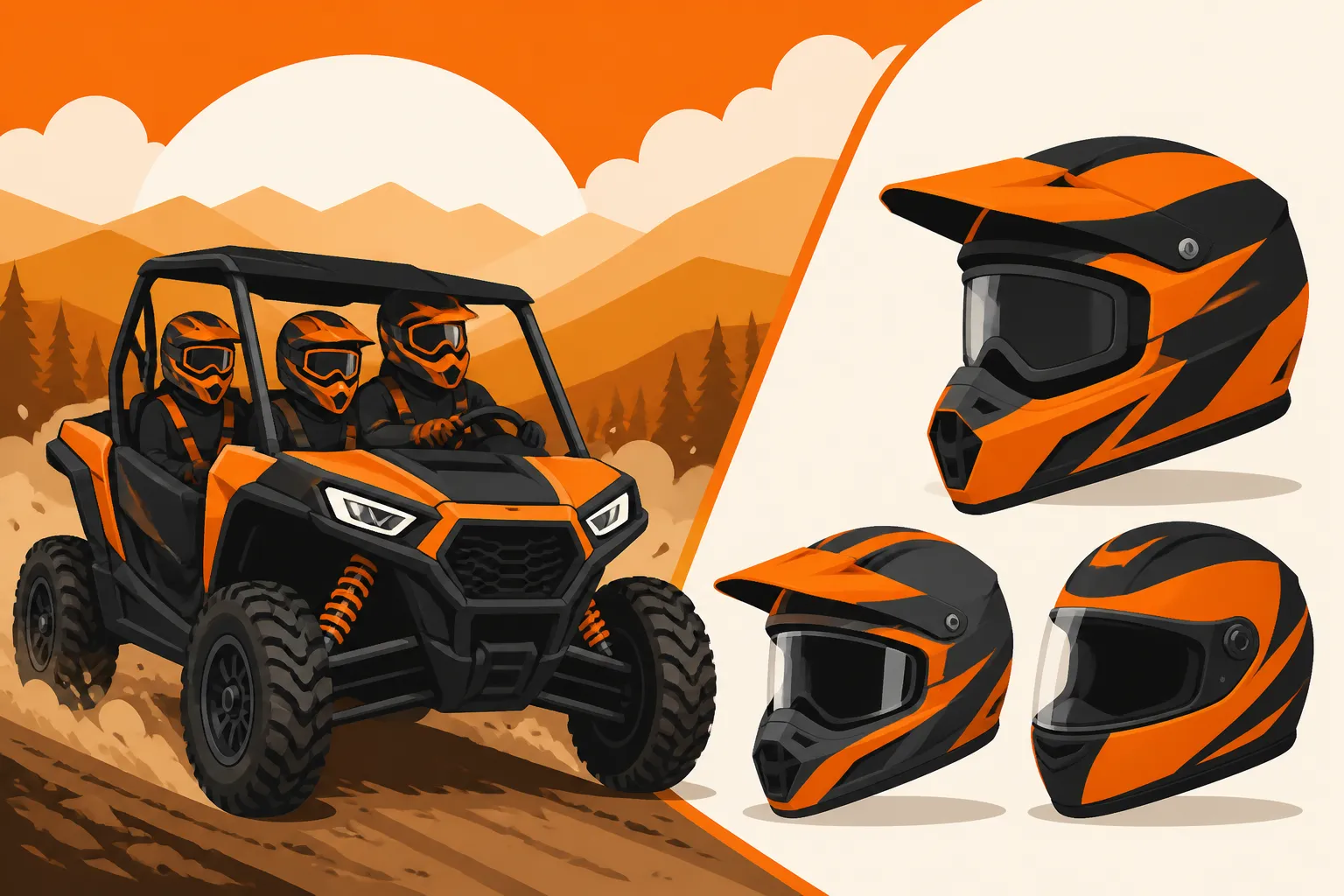
When you're looking for an OHV helmet, you'll encounter several types: full-face, modular, and open-face. Full-face helmets offer the most comprehensive protection, covering your entire head and face, often with a clear visor. Modular helmets provide the option to flip up the chin bar, offering versatility, while open-face helmets offer less protection but are favored by some for increased airflow, typically requiring separate goggles for eye protection. Regardless of the type, always look for helmets that meet safety certifications like DOT (Department of Transportation), Snell, or ECE. These certifications mean the helmet has passed rigorous testing standards.
A helmet is only effective if it fits properly. To check for fit, measure your head circumference just above your eyebrows. The helmet should feel snug all around your head, without any pressure points. It shouldn't move side to side or up and down when you shake your head, but it also shouldn't feel uncomfortably tight or restrict your vision. Your cheeks should feel a slight squeeze. If the helmet is too loose, it won't protect you in a crash; if it's too tight, it will be uncomfortable and distracting. Taking the time to try on several helmets and ensure a perfect fit is an investment in your safety. Companies like SuperATV, which supply many other essential OHV accessories, often feature or promote reputable helmet brands and gear that prioritize rider protection, understanding that the best adventures are safe ones.
Beyond the Helmet: Other Essential Safety Gear
While your helmet is undoubtedly the single most crucial piece of safety equipment, it's part of a larger system that significantly enhances your protection on the trails and roads. Don't stop at just the helmet. Eye protection is paramount, even if your helmet has a visor. Goggles offer superior protection against dust, debris, bugs, and impacts. Sturdy gloves protect your hands from abrasions and improve grip. Long-sleeved shirts and long pants, preferably made of durable materials, shield your skin from scrapes, branches, and sun exposure. Finally, ankle-high boots are critical for protecting your feet and ankles, preventing injuries from impacts or falls. Equipping your machine with items like a full windshield (which can be sourced from companies like SuperATV) can help reduce debris, but it never replaces the direct eye protection of goggles. Always remember that [Tennessee Equipment Rules for Road Use] also covers other necessities like lights, mirrors, and turn signals if you plan to hit public roads. Combining a great helmet with these other essentials creates a comprehensive safety strategy, allowing you to focus on the ride ahead with confidence.
Understanding the Consequences of Non-Compliance
Ignoring Tennessee's helmet laws isn't just about cutting corners on safety; it carries tangible legal and personal repercussions. Many riders focus only on the immediate thrill, overlooking the potential for fines, legal trouble, or, most importantly, severe injury. Being aware of these consequences can be a powerful motivator for consistently gearing up.
Fines and Penalties for Helmet Violations
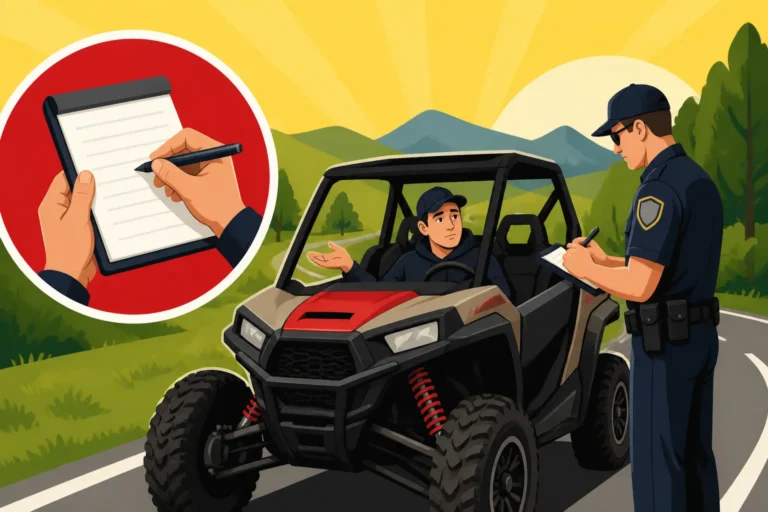
If you're caught operating or riding as a passenger on an OHV without a required helmet on a public road or in a designated area with helmet mandates, you can expect more than just a stern warning. Law enforcement officers, whether it's [A Tennessee Deputy Checks Roadside] or a park ranger, are authorized to issue citations for helmet violations. These citations typically come with fines, which can quickly add up, especially if there are multiple unhelmeted individuals in your riding group. Think about it: a seemingly minor oversight could turn your fun day into an expensive lesson, impacting your wallet and possibly even your driving record. It’s a preventable cost, both in terms of money and hassle.
The Real Cost: Injury, Insurance, and Legal Liability
Beyond the monetary fines, the most significant consequence of not wearing a helmet is the greatly increased risk of severe head injury or fatality. Helmets are designed to absorb impact energy, distributing the force over a larger area and protecting your brain. Without one, even a seemingly minor fall can have devastating, life-altering consequences. This isn't just about you; it's about the emotional and financial toll on your loved ones. Furthermore, if you're involved in an accident and weren't wearing a required helmet, it could significantly impact your insurance claims. Your insurance provider might deny coverage for certain injuries, or your claim payout could be reduced, as you failed to mitigate risk. In a worst-case scenario, if you're deemed at fault for an accident and weren't wearing a mandatory helmet, you could face increased legal liability. While SuperATV and other industry leaders prioritize robust parts and performance, they also champion rider safety because they know that enjoying the trails responsibly means being protected from head to toe.
| Rider Age Group | Riding Location (General) | Helmet Required? (General) | Notes |
|---|---|---|---|
| Under 18 | Off-Road (Private Land) | No (Legally, but highly recommended for safety) | While not explicitly state-mandated on private land, many private parks and WMAs do require helmets for minors. Always check specific location rules. |
| Under 18 | Off-Road (WMA/Park) | Yes (Often required by specific park/WMA rules) | Regulations at state-managed lands (like North Cumberland WMA) and private parks (like Windrock, Brimstone) usually mandate helmets for all riders under 18, and sometimes for all ages. |
| Under 18 | Public Road | Yes | Mandatory for all operators and passengers under 18 when riding on any public road where OHV use is permitted. Also applies to the minimum age for operating an OHV on a public road (usually 16 with a license). |
| 18 and Over | Off-Road (Private Land) | No (Legally, but highly recommended) | On your own private property, it's legally optional, but safety dictates a helmet should always be worn. |
| 18 and Over | Off-Road (WMA/Park) | Yes (Often required by specific park/WMA rules) | While state law doesn't universally mandate helmets for adults off-road, many parks and WMAs have their own rules requiring helmets for all ages as a condition of entry. Check their websites. |
| 18 and Over | Public Road | Yes | Mandatory for all operators and passengers 18 and over when riding on any public road where OHV use is permitted, regardless of the road type (county, state, or adventure tourism district). |
| Any Age | Agricultural Use | No (Under specific conditions) | Exemption applies only for legitimate agricultural work (e.g., farming, ranching) on private land or for brief road crossings to access fields. Not for recreational riding. This is [Tennessee's Agricultural Exception] and is strictly interpreted. |
Disclaimer
This article is for general informational purposes only and does not constitute professional advice. Laws, prices and regulations vary by location and change over time. Consult a qualified professional for guidance on your specific situation.