Where the O and W Road Leaves Oneida
Navigating the winding roads and extensive trail systems of Tennessee on your ATV or UTV is an exhilarating experience, but the boundaries between legal trail riding and legal road use can often feel like a tangled mess of contradictory information. It's a common frustration for riders, especially when you're exploring areas like Oneida, where world-class trails meet local communities. This guide is dedicated to demystifying exactly where the O and W Road interacts with public thoroughfares, helping you understand the rules and ride legally, safely, and with confidence.
The O and W Road's Unique Status in Tennessee
The O and W Road isn't just any trail; it's a significant artery within the larger network of off-road riding in Tennessee's coal country. For many, it's a gateway, a connector, and an experience all its own. But because it runs through various types of land and crosses public roads, its status can be a source of confusion for riders simply trying to enjoy their machines without breaking any rules.
A Glimpse into the O and W Road's History and Purpose
The O and W, or Oneida & Western, Road holds a rich history as an old railroad bed, now transformed into a beloved multi-use trail. This historical context is vital because it explains why the path often runs parallel to or even directly intersects with modern paved roads. It wasn't designed as a recreational trail in the way a purpose-built park trail might be; rather, it's an adaptation of existing infrastructure. For decades, locals and adventurers have used this corridor, first for rail, then for various forms of travel, including ATVs and UTVs. Its purpose today is largely recreational, providing access to vast tracts of land for riding, hunting, and exploring. However, its origin as a functional transport route means it frequently touches down in populated areas, requiring riders to be acutely aware of [Riding the O and W From Oneida] and how this impacts their journey.
The O and W serves as a critical connector for many riders, linking different trail systems and even offering routes between small communities. Imagine you're on a multi-day trip, and the O and W is your logical path from one trailhead to the next, or from your lodging to a scenic overlook. This unique role means riders often transition between designated off-road sections and brief stretches of public road. This fluidity is part of its charm but also its challenge. The continuous flow of its route, cutting through landscapes and occasionally crossing county roads, demands a clear understanding of what’s permissible at each junction. You can't just assume that because you're "on the O and W," every inch of pavement you encounter is fair game for your machine.
Navigating the Intersection of Trail and Pavement Near Oneida
The specific point where the O and W Road "leaves Oneida" refers to its transition from the immediate vicinity of the town into the more extensive wilderness and trail systems beyond. This transition isn't always a clearly marked gate; it often involves crossing, or briefly riding upon, public roads. For example, as you venture out of Oneida, you'll find the O and W intersects with various county roads and perhaps even state routes. These intersections are critical junctures where the rules for [Tennessee Road Use Rules for ATVs] suddenly become paramount. Riders must understand when they are on a designated trail and when they are entering a public road right-of-way, even if it's just to cross to another section of the trail.
This ambiguity is where many riders get into trouble, and it's a frustration we've all faced. You're enjoying a fantastic ride, perhaps on a machine kitted out with aftermarket parts from a place like SuperATV for rugged trail performance, and suddenly you're faced with a paved road and no clear signs. The key here is proactive awareness. Before you hit the trails, especially around Oneida, consult local maps that clearly delineate the O and W's path and mark all intersecting public roads. Understand that merely crossing a paved road is generally more accepted than riding a significant distance on it. However, even for crossings, specific equipment requirements often apply. It's not enough to be just "trail ready"; you also need to be "road ready" for those short, necessary transitions.
Understanding Tennessee's Broader Road Use Laws for OHVs
Tennessee has made significant strides in clarifying OHV road use laws, but it's still a complex topic with many nuances. What's legal in one county or town might not be in another, and the O and W Road, being a connector, often highlights these differences. Getting a firm grasp on the overarching regulations is your first line of defense against citations.
The Statewide Standard Versus Local Ordinances
For a long time, ATV and UTV road access in Tennessee was a patchwork quilt of county-by-county and city-by-city regulations. It was maddening, truly. You could be perfectly legal riding a county road in Scott County, cross into a neighboring county, and suddenly be breaking the law. Thankfully, Tennessee has worked towards [One Statewide Standard Replacing County-by-County Rules], aiming to bring more clarity and consistency. This legislative effort has introduced a framework that allows for more uniform road access for OHVs under specific conditions. However, it's crucial to understand that even with a statewide standard, local jurisdictions still retain some authority to designate certain roads or areas as restricted.
This means that while the state sets the baseline, a county or city council can still have the final say on which local roads within their jurisdiction are open or closed to OHVs. The process typically involves local governing bodies passing resolutions and, importantly, publishing lists of these designated roads. This is why it's absolutely vital to know [Finding the Restricted Road List Your County Published] for the area you plan to ride. For areas like Oneida and its surrounding Scott County, this means checking local government websites or even calling the county clerk's office before your ride. Don't assume; verify. A quick check can save you a hefty fine and a ruined weekend. The general rule of thumb remains: if a road isn't specifically designated as open, it's likely closed to OHVs.
Specific Road Categories and Their Implications for OHVs
Tennessee categorizes its roads primarily into state highways, county roads, and municipal streets. Each category generally comes with its own set of rules regarding OHV access, even under the new statewide framework.
- State Highways: Generally, OHVs are prohibited from state highways, with very limited exceptions for crossing at designated points. These are the main arteries of the state, often higher speed and volume, making them inherently more dangerous for slower-moving OHVs. Attempting to ride extended stretches on state highways is almost always illegal and extremely risky.
- County Roads: This is where the bulk of OHV road-use opportunities lie. Many counties, especially those with significant trail systems and tourism, have opted to open specific county roads to OHVs. These are often gravel roads, rural routes, or those that directly connect trailheads. However, this is not a blanket permission. As discussed, these roads must be explicitly designated and published by the county. Even then, there are usually speed limits, daylight-only restrictions, and specific equipment requirements.
- Municipal Streets: Riding municipal streets (city or town roads) is typically the most restrictive, though some towns, particularly those that embrace OHV tourism, have designated specific streets as open. Oneida, being a hub for off-road enthusiasts, may have certain allowances, but these would be very specific and localized. It's imperative to understand [Tennessee Rules for Riding a Town Street] and not simply assume that because a town is "OHV friendly," all its streets are open.
This complex web of road categories and local discretion means that informed preparation is non-negotiable. Before you embark on your journey that involves any form of road travel, even a simple crossing, verify the specific road status for that exact location. Ignoring these distinctions can lead to citations, or worse, dangerous encounters with other vehicles. Always prioritize safety and legality, and remember that even if you see others riding a particular road, it doesn't automatically mean it's legal.
What It Means to Ride the O and W Legally
Riding the O and W Road, especially where it interacts with public roads around Oneida, requires more than just knowing which paths are open. It demands adherence to specific rules regarding permits, equipment, and safe operating practices. Without these, even if you're on a designated road, you could still face legal repercussions.
Permit and Equipment Requirements for O and W Access
First and foremost, to ride any portion of the O and W that is part of a managed trail system (like those within the North Cumberland Wildlife Management Area), you will need the appropriate [Tennessee Trail Permits Explained]. This is separate from any road-use requirements. While Tennessee doesn't have a statewide OHV registration for general road use in the same way it registers cars, accessing managed trails almost always requires a permit. Do not confuse a trail permit with a vehicle registration; they serve different purposes. You can't just slap a sticker on your machine and assume you're good for both trail and road.
When it comes to equipment for legal road use, Tennessee has clear mandates for OHVs that are permitted on designated roads. Your machine must be equipped with:
- Headlights and Taillights: Operational and visible from required distances, especially if riding during permitted daylight hours or for crossings.
- Brake Lights: Essential for signaling stops to other vehicles.
- Turn Signals: Required for indicating turns, just like a regular car. Many riders find aftermarket kits from companies like SuperATV invaluable for adding these necessary components.
- Horn: A working horn is crucial for safety.
- Rearview Mirrors: At least one, but often two, are required to provide adequate visibility of traffic behind you.
- Windshield: While not always explicitly required for all OHVs, a windshield (or at least protective eyewear) is highly recommended for safety and comfort on roads.
- Seatbelts/Restraints: If your machine came equipped with them from the factory, they must be worn.
- Tires: Must be suitable for road use and not excessively aggressive if they are to maintain good traction on pavement and avoid damage to the road surface.
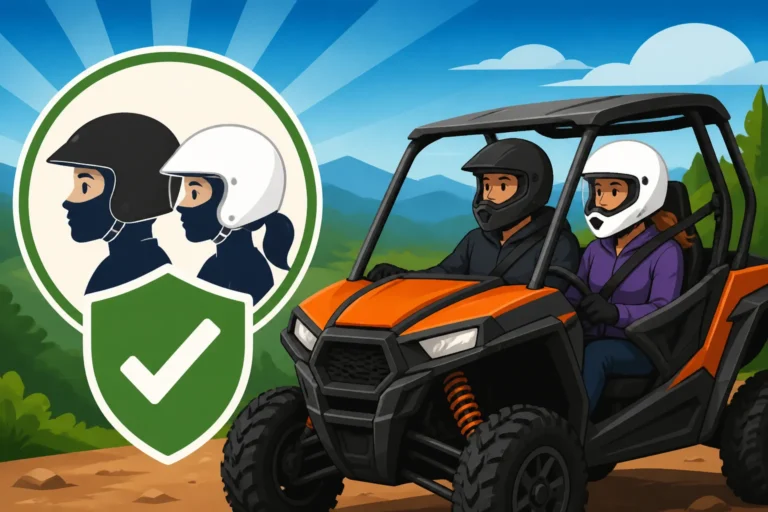
Beyond the machine itself, the operator and any passengers also have requirements. A valid driver's license is required for anyone operating an OHV on a public road, and for those under a certain age, [Tennessee Minimum Age to Ride a Road] applies. [Tennessee Helmet Law for ATV Riders] is also critical to understand, as helmets are typically required on public roads. It's a comprehensive list, and overlooking even one item can land you in trouble, regardless of whether the road is open.
Crossing Public Roads and Intersections Safely
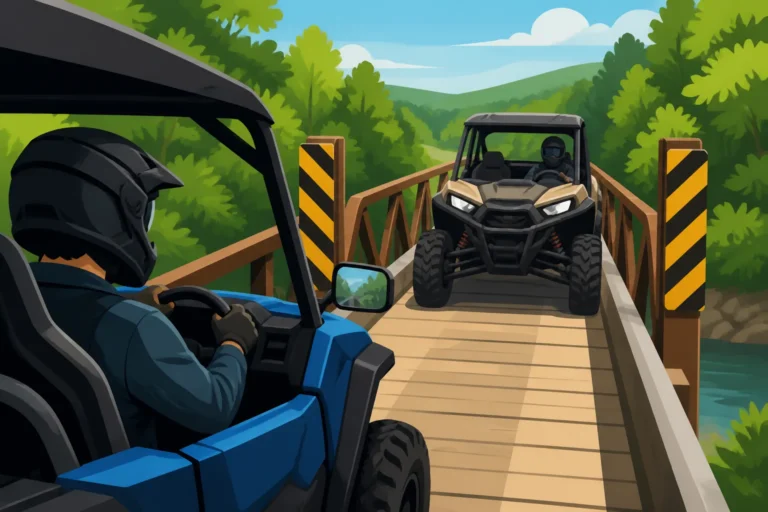
Even when you're primarily trail riding on the O and W, there will inevitably be points where you need to cross public roads. This isn't just a legal maneuver; it's a critical safety issue. Imagine you're exiting a muddy section of the O and W, and suddenly you're at a blind intersection with a paved county road. This scenario highlights the absolute necessity of extreme caution and adherence to crossing rules.
Here's what you need to consider for safe and legal road crossings:
- Stop and Look: Always come to a complete stop before entering any public road. Look both ways, multiple times, for oncoming traffic. Don't assume a vehicle will see you or slow down.
- Yield to Traffic: Public road traffic always has the right of way. Wait for a clear, safe opening before proceeding.
- Straight Crossing: When crossing a two-lane road, you must do so at a right angle (90 degrees) to the roadway. This minimizes the time you spend exposed to traffic and makes your intentions clear. [Crossing a Two-Lane at Ninety Degrees in Tennessee] is a specific rule you absolutely must follow.
- Signaling: Use your turn signals (if equipped) to indicate your intention to cross, even if it's just a short distance. Hand signals can also be used if your machine lacks turn signals or if you want to reinforce your signal.
- Speed: Cross efficiently but safely. Do not try to sprint across; maintain control of your machine.
- Visibility: Ensure your machine is visible. Bright colors, flags, and proper lighting are crucial, especially if visibility is poor due to weather or time of day.
Many riders, myself included, have felt that little knot of anxiety in their stomach when hitting a blind crossing after a fun stretch of trail. But being prepared with the right equipment – perhaps a sturdy light bar from SuperATV to illuminate your crossing, or better mirrors – and a clear understanding of the law transforms that anxiety into confidence. The goal is to make these necessary transitions as seamless and safe as possible, allowing you to get back to the trails you love without incident.
Gear, Safety, and Respect on Oneida's Outskirts
Riding responsibly extends beyond just legal compliance; it encompasses how you prepare, what gear you carry, and how you interact with the environment and local community. Especially when riding in areas like the O and W Road that weave through both wilderness and populated zones, cultivating a mindset of safety and respect is paramount.
Essential Equipment for Mixed-Use Riding
When your ride includes both dedicated trails and public road sections, even for short crossings, your equipment needs to be up to the task. This isn't just about legality; it's about practical safety and reliability. Here's a breakdown of essential gear for mixed-use riding:
| Category | Essential Items | Purpose |
|---|---|---|
| Personal Safety | DOT-approved Helmet | Protects against head injury (required on roads) |
| Goggles/Eye Protection | Shields eyes from dust, debris, and glare | |
| Gloves | Improves grip, protects hands from abrasions and weather | |
| Over-the-ankle Boots | Provides ankle support and protection | |
| Long Pants/Sleeves | Guards against scratches, sun, and minor impacts | |
| Vehicle Safety | Headlights, Taillights, Brake Lights | Required for road visibility, signaling |
| Turn Signals (front & rear) | Essential for indicating turns on roads | |
| Horn | Alerting other vehicles/pedestrians | |
| Rearview Mirrors | Crucial for monitoring traffic behind (often two required) | |
| Fire Extinguisher | Quick response to engine fires or other emergencies | |
| First-Aid Kit | Treating minor injuries on the trail or road | |
| Navigation/Repair | GPS Unit/Smartphone with Maps (offline too) | Essential for staying on track, identifying open roads |
| Basic Tool Kit | On-the-fly repairs (tire plug kit, wrenches, zip ties) | |
| Spare Tire/Tire Repair Kit | Addressing punctures, especially on rough trails and roads | |
| Winch (with recovery gear) | Self-recovery from stuck situations (trail or roadside) | |
| Extra Fuel/Water | Ensuring you don't run out far from services |
Beyond the table, think about [Tennessee Equipment Rules for Road Use] holistically. Your machine needs to be street-legal in its basic functions for any road interaction, even just a crossing. That means working brakes, proper tires, and no excessively loud exhaust that could bother residents or attract negative attention. Investing in robust, reliable components, perhaps from a trusted brand like SuperATV, ensures your machine is ready for whatever the O and W and its connecting roads throw at you. Don't skimp on safety gear; it's the one thing you hope you never need, but are incredibly grateful for when you do.
Responsible Riding and Community Relations
As OHV enthusiasts, we are ambassadors for our sport. This is especially true in areas like Oneida, where local residents and businesses live and operate alongside some of the best riding in the state. Positive community relations are vital for the continued access we enjoy.
Here’s how to foster responsible riding:
- Respect Private Property: Never trespass. The O and W Road has defined boundaries, and venturing onto private land without explicit permission is illegal and damages the reputation of all riders. Understanding [Tennessee Landowner Permission Requirements] is non-negotiable.
- Stay on Marked Trails/Roads: Don't create new trails or cut corners. This causes environmental damage and can lead to trail closures.
- Control Noise: While a powerful machine is part of the fun, excessive noise, especially near homes or businesses, is disruptive. Be mindful of your exhaust system and avoid unnecessary revving.
- Mind Your Speed: While some roads may permit higher speeds, always slow down when passing homes, businesses, or any areas with pedestrians. Speed limits on designated OHV roads are often lower than for cars.
- Leave No Trace: Pack out everything you pack in. Don't litter. This includes plastics, food wrappers, and especially damaged parts from your machine. The beauty of Tennessee's landscape is a privilege to enjoy, not abuse.
- Be Courteous: Wave to residents, yield to horses or pedestrians, and be patient with other road users. A simple act of courtesy can go a long way in building positive relationships.
- Support Local Businesses: When you visit Oneida, spend your money there. Buy gas, food, and supplies from local shops. This shows the community that OHV tourism brings economic benefits, which encourages their support for riding opportunities.
Riding the O and W is an incredible experience, offering a blend of history, scenic beauty, and thrilling trails. By adhering to the legal requirements, prioritizing safety, and acting as responsible stewards of the land and respectful guests in local communities, we can ensure that these riding opportunities remain open and enjoyable for years to come. It’s about more than just getting from point A to point B; it’s about preserving the privilege of the ride itself.
Future Outlook and Advocacy for OHV Road Access
The landscape of OHV laws in Tennessee is not static; it's a dynamic environment shaped by legislative changes, local advocacy, and the evolving needs of riders and communities. Staying informed and actively participating in the conversation is crucial for protecting and expanding riding opportunities, particularly concerning road access.
Tracking Changes in Tennessee's OHV Legislation
Tennessee has demonstrated a willingness to adapt its laws to better accommodate the growing popularity of OHV recreation. Recent legislative efforts, like the move towards [One Statewide Standard Replacing County-by-County Rules], are prime examples of this evolution. However, "statewide standard" doesn't mean "every road is open." It often means creating a clearer framework within which counties and municipalities can make their own specific designations. This is a significant improvement over the previous, often chaotic, system, but it still requires diligence on the part of riders to stay current.
To track these changes, you can:
- Follow State Legislative Updates: Keep an eye on bills related to OHV use that are introduced in the Tennessee General Assembly. Websites of state representatives or dedicated outdoor recreation advocacy groups often provide summaries and updates.
- Engage with Local Government: Attend county commission meetings or city council meetings in areas where you frequently ride, such as Scott County around Oneida. These local bodies are often the ones making the decisions about opening or closing specific roads. Familiarize yourself with their processes for publishing road lists, which will include specific information on [Riding the O and W From Oneida] and other local routes.
- Join Riding Clubs and Associations: Many local and statewide OHV clubs have members who are actively involved in monitoring legislation and advocating for rider rights. They often share updates, interpretation of laws, and even provide guidance on how to comply.
- Check Official Department Websites: The Tennessee Department of Environment and Conservation (TDEC) and the Tennessee Wildlife Resources Agency (TWRA) occasionally publish updates related to their managed lands and any associated road use.
Understanding that these laws can change means your research isn't a one-time event. What was legal last year might have new stipulations this year. Proactive engagement ensures you're always riding within the current legal framework.
The Role of Rider Groups and Local Officials
The continued, responsible expansion of OHV road access in Tennessee hinges heavily on collaboration between rider groups and local officials. It's a relationship built on trust, mutual understanding, and a shared goal of creating safe and enjoyable recreational opportunities while minimizing negative impacts.
- Advocacy from Rider Groups: Organizations like local ATV/UTV clubs play a pivotal role. They can:
- Educate Members: Disseminate accurate information about laws, safety, and responsible riding practices.
- Lobby Local Officials: Present unified requests to open specific roads, backed by data on economic benefits (tourism, local spending, which is boosted by companies like SuperATV selling gear) and responsible usage plans.
- Organize Trail Work Days: Demonstrate a commitment to trail maintenance and environmental stewardship, showing that riders are not just consumers of the resource but also contributors.
- Be a Point of Contact: Provide a clear channel for local officials to communicate with the riding community about concerns or proposed changes.
- Engagement from Local Officials: Progressive local officials understand the economic potential of OHV tourism. In areas like Scott County, where the O and W Road is a major draw, opening specific roads can funnel riders into towns for gas, food, and lodging. This requires:
- Open Dialogue: Willingness to meet with rider groups, listen to their proposals, and address their concerns.
- Clear Communication: Publishing easily accessible and frequently updated lists of open and restricted roads.
- Fair Enforcement: Ensuring that laws are enforced consistently and fairly, focusing on safety and compliance rather than punitive measures.
- Infrastructure Planning: Considering OHV access when planning road maintenance or new infrastructure projects.
Ultimately, the future of OHV road access around Oneida and across Tennessee depends on a harmonious relationship where riders advocate responsibly, and local officials respond thoughtfully. By working together, we can ensure that the O and W Road and its surrounding network remain a jewel for off-road enthusiasts, providing both challenging trails and sensible connections that enhance the overall riding experience. It’s a collective effort, and every rider has a part to play in shaping the future of our sport in the Volunteer State.
Disclaimer
This article is for general informational purposes only and does not constitute professional advice. Laws, prices and regulations vary by location and change over time. Consult a qualified professional for guidance on your specific situation.