Why an Adventure Tourism District Matters
Oh, the age-old question for us ATV and UTV enthusiasts in Tennessee: "Can I actually ride this thing on the road?" For years, it felt like navigating a minefield, with every county having its own quirks and rules, leaving many of us scratching our heads and, frankly, a bit frustrated. This guide is all about cutting through that confusion, specifically diving into what an Adventure Tourism District is and why it's a game-changer for where you can ride your machine in our beautiful state.
The Shifting Landscape of Tennessee ATV and UTV Road Access
If you've been riding in Tennessee for a while, you know the struggle has been real. For the longest time, the idea of legally taking your ATV or UTV on public roads was met with a resounding "maybe, but probably not," or worse, a bewildering array of county-specific ordinances that changed the moment you crossed a county line. It was a logistical nightmare for anyone planning a multi-county trip or even just trying to get from their campsite to the trailhead without trailering.
A Patchwork of Local Rules Before State Intervention
Before more recent state legislation, Tennessee's approach to ATVs and UTVs on public roads was, to put it mildly, inconsistent. One county might have a few designated roads, another might ban them outright, and a third might have rules so vague you needed a legal degree to decipher them. This wasn't just an inconvenience; it was a huge barrier for both local riders and tourists looking to explore our state's incredible trails. Imagine packing up your rig, driving hours to a new area, only to find out the roads connecting the trails were off-limits, forcing you to load back up for every short hop. It took a lot of the fun and spontaneity out of the experience. The frustration was palpable, turning what should be a straightforward part of a ride into a stressful guessing game.
The 2025 Law and Its Intent to Streamline Access
Recognizing the immense popularity of ATV and UTV riding, and more importantly, the significant economic boost it brings to rural communities, the state of Tennessee decided it was time for a more unified approach. The new law, which came into effect more recently, wasn't about throwing open every road to every machine. Instead, it was a thoughtful attempt to create a structured framework that still respected local control while opening doors for legal road access in areas where it made the most sense. The intent was clear: make it easier for riders to connect trails, access amenities, and contribute to the local economy without fear of violating an obscure local ordinance. This move acknowledged that our machines are more than just recreational vehicles; they're vital tools for adventure tourism and local economies. [What House Bill 810 Changed in 2025]
How State Legislation Empowers Localities
The beauty of this new state legislation isn't that it dictated a blanket rule for everyone. Instead, it empowered specific localities to take control of their own destiny, particularly those with existing trail systems and a clear economic interest in adventure tourism. The state essentially laid out the blueprint, saying, "Here's how you can allow OHVs on your roads," rather than saying, "You must." This meant that county commissions, working with their local communities, could evaluate the need and, if appropriate, vote to designate certain roads for ATV and UTV use. It gave them the legal footing they needed to create a more welcoming environment for riders, ensuring that any expansion of road access was a deliberate, locally-driven decision, rather than an arbitrary state mandate.
What Exactly Defines a Tennessee Adventure Tourism District?
So, with this new framework in place, what does "Adventure Tourism District" actually mean for us riders? It's not just a fancy name; it's a specific designation that comes with a lot of weight, especially when it comes to getting your machine on the asphalt (or gravel) legally. Think of it as a special zone where the local government has been given the green light by the state to cater specifically to off-highway vehicle tourism, within defined parameters, of course.
The Ten Counties Named in Tennessee Law
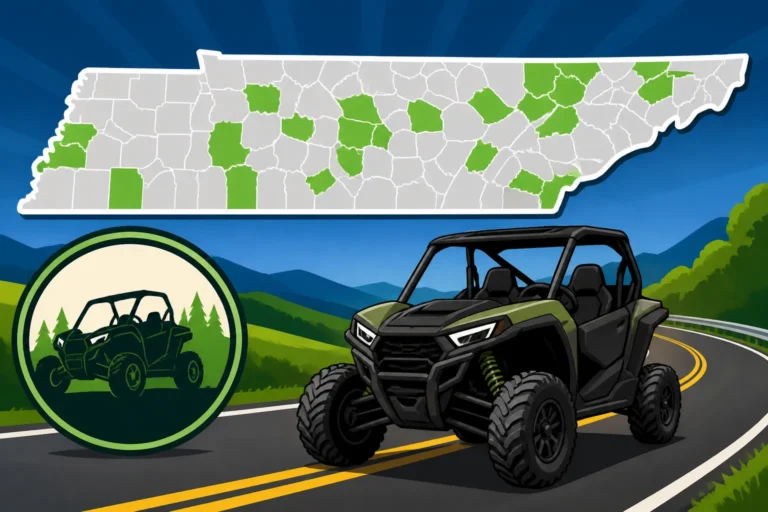
The state law specifically identified ten counties in Tennessee as Adventure Tourism Districts. These aren't just random picks; they are generally areas already known for their robust trail systems, natural beauty, and existing infrastructure catering to outdoor enthusiasts. The counties specifically named in the statute are Scott, Anderson, Campbell, Morgan, Jackson, Johnson, Perry, Unicoi, Fentress, and Hickman Counties.
These counties represent prime riding territory, places where many of us already haul our machines to hit the trails. By designating these areas, the state acknowledged their existing importance to the ATV and UTV community and sought to further enhance their appeal. For example, counties like Scott, Anderson, and Campbell are home to massive trail systems like Windrock and Brimstone, making them natural fits for this designation. [Scott, Anderson and Campbell Counties] The idea is to allow riders to seamlessly connect their trail experiences with local businesses, making it easier to grab a bite, fuel up, or head to lodging without having to trailer their machine.
Powers Granted to Counties Within These Districts
Being an Adventure Tourism District means these ten counties have been given special authority to open certain public roads to ATVs and UTVs. This isn't a free-for-all, however. The county commission in each of these districts has the power to designate specific roads for OHV use. This designation typically involves a public process and, crucially, requires a two-thirds vote of the county legislative body to open unpaved county roads. [How a Two-Thirds Council Vote Opens Unpaved Roads]
This means that your local county government, composed of elected officials who understand the community's needs and concerns, gets to decide which roads make sense for OHV traffic. They can take into account safety, traffic volume, residential areas, and the overall benefit to local tourism. The state's role is to provide the legal framework, but the specific implementation is left to those closest to the ground, ensuring that decisions are tailored to the unique characteristics of each district. It also means that even within these districts, riders need to be diligent about knowing which roads are actually designated and open.
Beyond the Ten: How Other Counties Can Participate
While the initial state law named ten specific counties, it's natural to wonder if other counties can ever join the ranks of an Adventure Tourism District. The legislation created a clear path for those initial counties based on their existing tourism and trail infrastructure. For counties not on that initial list, the situation is a bit different. The law provided the framework specifically for those ten.
However, the spirit of the law and the demonstrated economic benefits could certainly pave the way for future legislative changes. It's always possible that if the program proves highly successful and other counties show significant interest and meet certain criteria, the state legislature might consider expanding the list or creating a new pathway for designation. For now, though, the focus for this specific designation remains on those initial ten, making it a powerful tool for those communities to leverage their natural assets and boost their local economies through adventure tourism.
Practical Implications for Riders in Adventure Tourism Districts
Alright, so if you're riding in one of these designated Adventure Tourism Districts, what does it actually mean for you, rubber-side down? It means a lot, but it also means you still have responsibilities. This isn't a license to go wild on every road you see. It’s about smart, legal, and responsible access.
Designated Roads: Your Path to Legal Riding
The biggest takeaway here is that only specifically designated roads are open to ATVs and UTVs within these districts. You can't just assume that because you're in an Adventure Tourism District, every road is fair game. Each county within these districts has the authority to create and publish a list of its designated roads. This list is your bible for legal road use. It's crucial to check these local county lists, which are often updated and published annually, typically around October. [Finding the Restricted Road List Your County Published] These lists will tell you exactly which county roads are open, which might be state routes with specific crossing points, and which remain off-limits.
Think of it like a trail map, but for roads! These designated roads are typically county roads posted at 45 mph or less. [Riding a Road Posted 45 mph or Under] You won't find yourself on a major highway, but rather on the more scenic, less-trafficked routes that connect communities, trailheads, and local businesses. This means you can often ride directly from your cabin to the general store, or from one trail section to another, without the hassle of loading and unloading.
Essential Gear and Rules for Road Use
Just because you're legally on a designated road doesn't mean you can slack on safety and compliance. Tennessee still has rules, and deputies in these areas are likely to be checking for them. First off, helmets are a big one. If you're under 18, a helmet is absolutely mandatory, both on and off-road. However, if you're using your OHV on a designated public road, regardless of age, you and all passengers must wear a helmet. [Tennessee Helmet Law for ATV Riders] This is non-negotiable for your safety and to avoid a citation.
You'll also need to be at least 16 years old and possess a valid driver's license to operate an ATV or UTV on these public roads. [Tennessee Minimum Age to Ride a Road] Passengers must also be of an appropriate age and size for the machine and seated properly. Insurance is another critical component. Tennessee mandates that you carry liability insurance, similar to what you'd have for a car, when operating on public roads. [Tennessee UTV Insurance Requirement] Make sure you have proof of insurance with you.
As for the machine itself, it needs to be road-ready. This includes working headlights, taillights, brake lights, and a horn. Many riders also add turn signals and mirrors for enhanced safety and to meet potential local requirements, even if not explicitly mandated statewide for OHVs on these specific roads. For those looking to upgrade their machines for improved road visibility and safety, companies like SuperATV offer a range of products like turn signal kits, DOT-approved tires, and mirrors that can help you meet these expectations and feel more secure when connecting trails via road. Remember, most of this road use is restricted to daylight hours only, so if you're out past sunset, you're likely breaking a rule. [Riding Only Between Sunrise and Sunset]
The Importance of Knowing Local Restrictions
Even within an Adventure Tourism District, local rules are paramount. While the state provides the framework, the county commissions make the specific designations. This means what's legal in one part of Scott County might not be legal just over the line in Campbell County, even though both are Adventure Tourism Districts. Always, always check the specific county's designated road list before you head out. Don't rely on hearsay or old maps.
Fines for illegal road use can be steep, often resulting in a Class C misdemeanor, which means a fine of up to $50. [Tennessee Fines for Illegal UTV Road Use] Beyond the legal repercussions, riding where you shouldn't can damage the reputation of the riding community and potentially lead to further restrictions. It's also important to understand that certain roads, like interstates or specific state routes, will remain entirely off-limits. [Why Tennessee Bars Interstates] Even if a county road connects to a state highway, there will be strict rules about crossing, usually at a ninety-degree angle at a designated point. [Crossing a Two-Lane at Ninety Degrees in Tennessee] Your best bet is to check online or call the local county clerk's office before your trip.
| Feature / District Type | Adventure Tourism District | Other Tennessee Counties |
|---|---|---|
| Primary Goal | Promote OHV Tourism | General Road Management |
| Road Designation | County Commission can designate specific county roads for OHV use via 2/3 vote (unpaved) | Generally no specific OHV road designation authority for public roads, exceptions rare |
| State Law Support | Explicit state law framework for OHV road access | Standard state traffic laws apply, generally restricting OHVs on public roads |
| Rider Experience | Easier to connect trails, access amenities legally | Requires trailering between most locations; very limited or no road use |
| Local Economy Impact | Direct boost from rider spending on local businesses | Limited direct economic benefit from OHV road tourism |
| Common Counties | Scott, Anderson, Campbell, Morgan, Jackson, Johnson, Perry, Unicoi, Fentress, Hickman | All other 85 counties in Tennessee |
Economic and Community Impact of Adventure Tourism Districts
Beyond the immediate convenience for riders, Adventure Tourism Districts have a much broader impact that ripples through local communities. This designation isn't just about fun; it's about jobs, investment, and a renewed sense of purpose for many rural areas in Tennessee. It's a clear signal that these counties are open for business when it comes to outdoor recreation.
Boosting Local Economies Through Trail Tourism
The economic benefits are perhaps the most compelling reason for the creation of these districts. When riders can legally connect trails to towns, they spend money. Lots of it. We're talking about direct spending on things like fuel, food at local diners and restaurants, overnight stays at hotels, motels, cabins, and campgrounds, and supplies from hardware stores, convenience stores, and specialized off-road shops. Imagine a group of riders finishing a day on the trails at Windrock, then legally riding their UTV into Oliver Springs to grab dinner and stay the night, rather than having to load up, drive, unload, and repeat. [Riding Windrock for a Weekend] That convenience translates directly into dollars spent in the local economy.
These districts often see new businesses open up, from small gear shops that might carry items like SuperATV winches or lift kits to make trail riding even better, to new restaurants and lodging options. It creates jobs, generates tax revenue, and breathes new life into communities that might otherwise be struggling. It's not just the big trail parks that benefit; it's every small business along the route that sees increased foot (or tire) traffic.
The Role of Rider Behavior and Community Relations
With expanded road access comes increased responsibility for us as riders. The success and longevity of these Adventure Tourism Districts heavily depend on maintaining good community relations. If riders are respectful, follow the rules, and are considerate of local residents, the program thrives. This means obeying speed limits, staying on designated roads, respecting private property, and minimizing noise and dust, especially near residential areas.
Responsible rider behavior is crucial for preventing a backlash from non-riding residents who might otherwise see OHVs as a nuisance rather than an economic driver. It's about being a good neighbor and ambassador for the sport. When we ride responsibly, we demonstrate that expanded access can work harmoniously with existing communities. This includes everything from proper trash disposal to understanding how your machine's sound affects those living nearby. [86 Decibels at 50 Feet]
Challenges and Criticisms of Expanded Road Access
Of course, no major change comes without its challenges and criticisms. Expanded road access for ATVs and UTVs can sometimes lead to concerns from local residents. Issues often raised include increased traffic on what were once quiet country roads, potential wear and tear on unpaved surfaces, and noise complaints, particularly during peak riding seasons. There can also be worries about safety, given that OHVs, while incredibly fun, handle differently than traditional vehicles on pavement.
County commissions in these districts often have to balance the economic benefits with these legitimate community concerns. This is why the process of designating roads is so important and why it often involves public hearings and careful consideration. Mitigation efforts might include stricter enforcement of speed limits, strategic placement of designated roads away from sensitive residential areas, and clear signage. The goal is to maximize the benefits of adventure tourism while minimizing the potential negative impacts on quality of life for long-time residents.
Navigating the Future of Tennessee ATV/UTV Road Use
The creation of Adventure Tourism Districts is a fantastic step forward for ATV and UTV riders in Tennessee, but it's not a static situation. Laws and local ordinances can evolve, and staying informed is going to be your best defense against unexpected fines or closed roads. The future of our riding access depends on continued engagement and responsible actions from all of us.
Staying Informed About Changing Regulations
The world of off-highway vehicle regulations is dynamic, especially in a state that's actively working to improve rider access. What's true today might have a slight tweak next year, or a new road might be added to a designated list. Because the specific road designations are handled at the county level, it's absolutely critical for riders to stay on top of the latest information from the counties they plan to visit.
This means regularly checking the websites of the county clerk's office or the county commission for current maps and lists of designated roads. Sometimes, information might also be posted at local general stores or trailheads. Don't rely solely on old GPS data or maps that haven't been updated. A quick call or online search before your trip can save you a lot of grief. [Checking a Restricted Road List] Being proactive about gathering information is part of being a responsible rider in these ever-evolving districts.
Advocacy and Responsible Riding for Sustained Access
The ongoing success of Adventure Tourism Districts and the potential for even greater access hinges on the collective behavior of the riding community and our willingness to advocate for our sport. Joining local ATV/UTV clubs is a fantastic way to stay informed, connect with other riders, and support groups that lobby for responsible access. These clubs often work directly with county officials and land managers to maintain trails and discuss road access.
Beyond formal advocacy, every single time you hit a designated road, you are representing the entire riding community. Riding responsibly—obeying speed limits, staying on marked roads, respecting the environment, and being courteous to others—reinforces the positive image of OHV recreation. When riders make an effort to be good stewards, it makes it much easier for local governments to justify and maintain expanded access. Choosing to equip your machine with high-quality, compliant parts, like a durable SuperATV windshield for street legality or a sound-reducing exhaust, further enhances this positive image, showing that riders are serious about safety and community integration. This collective responsibility ensures that these valuable riding opportunities continue to be available for years to come.
Disclaimer
This article is for general informational purposes only and does not constitute professional advice. Laws, prices and regulations vary by location and change over time. Consult a qualified professional for guidance on your specific situation.