Tennessee’s Two-Thirds Vote for Unpaved Roads
There's nothing quite as frustrating as feeling like you're navigating a legal maze just to enjoy your ATV or UTV on what feels like perfectly public ground. Many riders in Tennessee dream of that seamless transition from trail to town, or from their driveway directly to some scenic unpaved route without having to trailer their machine everywhere. This guide will unravel one of the most significant mechanisms Tennessee counties have to make that dream a reality for off-highway vehicles (OHVs): the specific two-thirds vote that can open up those cherished unpaved roads, helping you understand the process, its limitations, and what it means for your next ride.
Understanding Tennessee's Road Use Landscape for OHVs
For years, the rules around riding ATVs and UTVs on public roads in Tennessee felt like a patchwork quilt, different from county to county, often leaving riders scratching their heads and vulnerable to unexpected fines. It’s tough when you just want to get from Point A to Point B, and the legality of that journey changes every few miles. Historically, OHVs were largely confined to private land or designated trail systems, with very limited exceptions for public road use. This created a significant hurdle for many, especially those who lived near trailheads or wanted to access local businesses without hitching up a trailer.
The core issue stemmed from the fact that ATVs and UTVs are primarily designed for off-road use, and state law generally prohibits their operation on public roads. However, recognizing the growing popularity of these machines and their economic impact in certain regions, the state has provided some pathways for local communities to adapt. These pathways acknowledge that what makes sense in a bustling city might not make sense in a rural, trail-rich county. Understanding this foundational tension between statewide prohibition and local flexibility is key to grasping why a "two-thirds vote" matters so much. We've often discussed the general [Street Legal UTVs in Tennessee: The Short Answer], but this vote dives into a more specific, localized aspect.
This often leads to confusion, particularly when comparing Tennessee's approach to neighboring states or even different regions within Tennessee itself. Riders might see others on county roads and wonder why they can't do the same. The answer often lies in whether their specific county has taken advantage of these localized provisions. Without specific local action, the general rule of "no road use" prevails, creating those frustrating boundaries that force riders to stick to trails or private property.
The General Prohibition and Its Impact
The default position under Tennessee law has always been that off-highway vehicles are not intended for use on public roads. This isn't just a suggestion; it's a legal restriction designed to differentiate OHVs from traditional street-legal vehicles like cars and trucks. For riders, this means that unless a very specific exemption or local ordinance is in place, taking your ATV or UTV onto a county road, state highway, or city street is against the law. This can feel incredibly limiting, especially for those who live in rural areas where unpaved county roads might be the most direct route to a neighbor's house or a local store.
The impact of this general prohibition extends beyond just inconvenience; it also affects how riders plan their outings and where they can live. If you're building a new home or buying property, the proximity to a trail system becomes even more critical if road access is restricted. Many riders simply accept this and plan to trailer their machines everywhere, but it certainly diminishes the spontaneous joy of just hopping on and going. For those who want to use their machines for practical purposes, like accessing remote parts of their property or assisting with farm work, the need for a legal way to traverse short stretches of road becomes even more pressing.
Moreover, this prohibition means that simply adding typical street-legal accessories like turn signals or a horn won't automatically make your OHV street legal in most cases. While these components are crucial for any vehicle that is allowed on roads, they don't override the fundamental legal classification of an OHV. This is where the complexities of [Tennessee Road Use Rules for ATVs] truly come into play, highlighting the need for local legislative action to change the default.
Economic and Community Pressures for Change
The rise in popularity of ATVs and UTVs, particularly in regions known for their scenic trails and adventure tourism, has brought significant economic pressure to bear on traditional road-use laws. Communities in places like Scott, Anderson, and Campbell counties have seen how OHV tourism can invigorate local economies, bringing in visitors who spend money on lodging, food, fuel, and supplies. But if riders can't easily access these amenities from the trails, or if they have to constantly load and unload their machines, it creates friction that discourages tourism.
Local businesses, from gas stations to restaurants to rental outfitters, often advocate for more flexible road-use policies because they directly benefit from increased rider traffic. When riders can legally connect trails to towns, they're more likely to spend money locally, rather than just passing through or staying entirely within a park's confines. This economic incentive is a powerful driver for county commissions to consider opening roads, and it's a major reason why the state legislature crafted provisions like the two-thirds vote. It's about finding a balance between public safety and economic vitality.
Furthermore, residents themselves often feel the need for more practical road access. For farmers, landowners, or those who simply enjoy recreation, being able to legally use their OHV on certain stretches of road can be incredibly convenient for chores, short trips, or linking up with other trail systems. This blend of economic opportunity and local convenience creates the environment where a mechanism like the two-thirds vote becomes not just desirable, but often necessary for a community to thrive.
The Specifics of the Two-Thirds Vote for Unpaved Roads
Now, let's get into the nitty-gritty of how a Tennessee county can actually open up its unpaved roads for OHV use. This isn't a casual decision; it requires a deliberate and significant local legislative action: a two-thirds vote by the county legislative body. This specific provision allows counties to address their unique circumstances, especially in areas where rural, unpaved roads are plentiful and connect vital points for residents and visitors alike. It's a localized power that empowers communities to adapt the statewide rules to their needs.
The "two-thirds vote" isn't just a hurdle; it's a safeguard. It ensures that any decision to open roads to OHVs has broad support within the county's leadership, reflecting a consensus that such a move is in the community's best interest. This kind of supermajority requirement means that a simple majority isn't enough; there needs to be substantial agreement among county commissioners, supervisors, or whatever their legislative body is called, that this is the right path forward. This prevents controversial decisions from being pushed through by a slim margin and encourages thorough discussion and deliberation about the potential impacts.
For riders, understanding this process is crucial. It means that simply wishing a road was open won't make it so. There needs to be advocacy, community engagement, and a formal legislative process at the county level. If you're wondering about [Tennessee Rules for Riding a County Road], this vote is one of the primary ways those rules can be changed for unpaved segments.
How the Vote Works at the County Level
When a county legislative body considers opening unpaved roads to OHVs, it goes through a formal process. Typically, a resolution or ordinance is introduced by a county commissioner. This proposal would outline which specific unpaved roads, or perhaps all unpaved roads within the county's jurisdiction, would be designated for OHV use. This isn't a hidden process; it's part of public county meetings, often with opportunities for public comment. Local residents, business owners, and OHV enthusiasts can attend these meetings to voice their support or concerns.
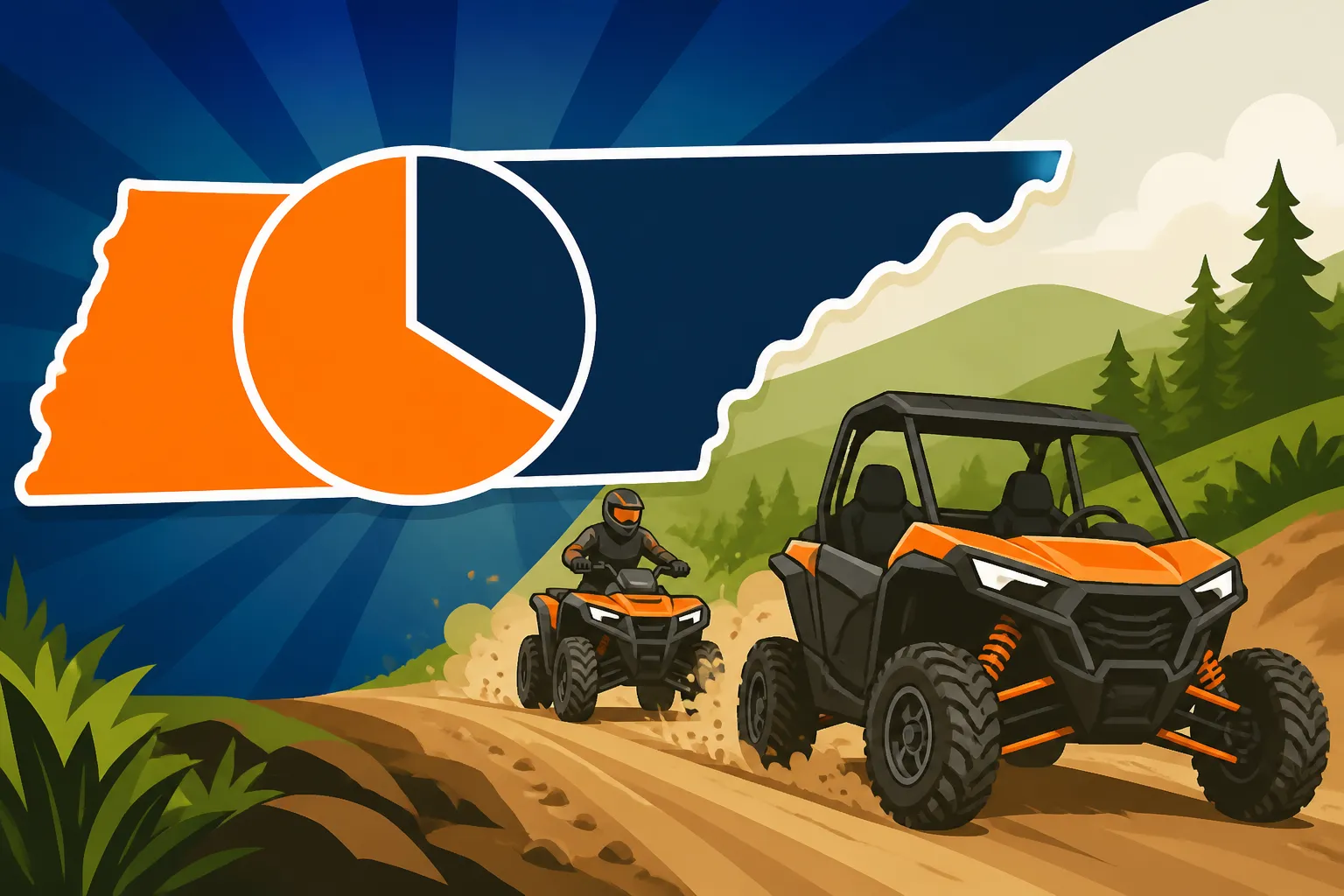
Once introduced, the resolution will be debated and potentially amended. This is where the specifics of the proposal are hammered out: Will there be time restrictions? Are there specific types of OHVs that are excluded? What signage will be required? Finally, it comes to a vote. For the measure to pass and allow OHVs on unpaved roads, at least two-thirds of the total membership of the county legislative body must vote in favor. If a county has, say, 15 commissioners, at least 10 of them would need to cast a "yes" vote for the resolution to pass. This high threshold ensures that only well-supported initiatives move forward.
The decision is then officially recorded, and typically, the county will then take steps to implement the new rules, such as posting signage, informing law enforcement, and communicating the changes to the public. It's not an overnight transformation, but a structured process that, once completed, provides clear legal guidance for riders on those specific unpaved roads.
The Rationale Behind the Two-Thirds Requirement
The state legislature didn't just pluck "two-thirds" out of thin air. This supermajority requirement serves several important purposes. First, it ensures that there's significant community buy-in for such a decision. Opening roads to OHVs, even unpaved ones, can have implications for public safety, noise levels, and environmental impact. A two-thirds vote suggests that a broad cross-section of county leaders believes these concerns can be managed or are outweighed by the benefits.
Second, it reflects the seriousness of deviating from the statewide default. As mentioned, the general rule is no OHVs on public roads. Allowing a local exception means overriding this general prohibition, and such a significant policy shift demands more than a simple majority. It's a way for the state to grant local flexibility while still requiring a strong local consensus. This mechanism balances local autonomy with the state's interest in consistent road safety regulations.
Finally, it encourages thorough vetting and discussion. Knowing that a supermajority is needed often means that proponents of such a measure must build broad coalitions, address concerns from dissenting members, and present a compelling case for the change. This process can lead to more robust and well-thought-out ordinances that are more likely to succeed in the long run and minimize unintended negative consequences. This kind of detailed local policy making is why resources like [Tennessee Rules for Riding an Unpaved Road] are so specific to local contexts.
What "Unpaved Roads" Really Means in Tennessee
When we talk about "unpaved roads" in the context of Tennessee's two-thirds vote, it's important to have a clear understanding of what types of roads this typically refers to. It's not just any dirt path; it generally encompasses county-maintained roads that lack a hardened, paved surface. These are the gravel roads, dirt roads, and sometimes even old logging or farm access roads that fall under county jurisdiction and are regularly used by local traffic, even if that traffic is sparse.
These unpaved roads are often the lifeblood of rural communities, connecting homes, farms, and small businesses. They can also serve as crucial links to larger trail systems or scenic areas. However, their characteristics differ significantly from paved roads, both in terms of construction and typical usage. Understanding these differences helps to explain why the state created a specific provision for them, distinct from broader "street legal" discussions for paved routes.
The distinction between paved and unpaved is not just academic; it has practical implications for riders, vehicle wear, and road maintenance. Riding an OHV on a well-maintained gravel road is a very different experience than riding it on asphalt, and the legal framework reflects this reality.
Identifying Unpaved County Roads
In Tennessee, an "unpaved road" generally refers to any road under county jurisdiction that has not been surfaced with asphalt, concrete, or similar hardened material. These roads are typically maintained by the county highway department, meaning they are graded, graveled, and occasionally repaired. They might have a stone or gravel base, or simply be compacted earth. Examples include the winding gravel routes that lead to remote hunting camps, the dirt tracks connecting a series of farms, or even residential roads in undeveloped subdivisions that haven't yet received a paved surface.
It's crucial to distinguish these from private drives or unmarked paths. If a road is not publicly maintained by the county, then the two-thirds vote provision does not apply to it. Riders should always be certain they are on a designated public county road. Sometimes, these roads might appear rough, or even seasonal, but as long as the county maintains them as part of their public road system, they fall under this category. This is often where [Tennessee Rules for Riding a Gravel Road] become directly applicable.
A good way to confirm if a road is county-maintained and unpaved is to check with the local county highway department or the county clerk's office. They can often provide maps or lists of public roads under their jurisdiction. While it might seem like a lot of work, verifying the legal status of a road beforehand can save a lot of headaches (and potential fines) later on.
The Difference from Paved Roads and State Highways
The distinction between unpaved county roads and paved roads (whether county or state-maintained) is fundamental to this two-thirds vote provision. Paved roads, by their nature, are designed for higher speeds, heavier traffic, and different types of vehicles. They are also subject to stricter state regulations regarding vehicle equipment and operation, as discussed in [Tennessee Equipment Rules for Road Use]. This is why the state typically maintains a much tighter grip on OHV use on paved surfaces.
State highways, in particular, are almost entirely off-limits to OHVs, regardless of whether they are paved or unpaved, unless a very specific and limited crossing exemption applies. These are major arteries of transportation, and the state's priority is high-speed traffic flow and safety for conventional vehicles. The two-thirds vote mechanism is explicitly for county legislative bodies to open unpaved county roads, not state routes or city streets (unless a city has its own, separate ordinance).
This specific focus on unpaved county roads reflects a pragmatic approach. These roads often have lower traffic volumes, slower speeds, and a more rural character, making them a more suitable environment for OHV integration than bustling paved highways. It allows for a more controlled and localized introduction of OHV road use, where the community can weigh the unique risks and benefits of their particular unpaved network.
Implications and Considerations for Riders and Communities
Successfully navigating a county's two-thirds vote process for unpaved roads brings a new set of implications and considerations for both riders and the communities involved. For riders, it opens up new possibilities for access and exploration, potentially linking up otherwise isolated trails or providing direct routes to amenities. For communities, it means a shift in how roads are managed and how different types of traffic interact, which requires thoughtful planning and ongoing vigilance.
It's not just about getting the vote passed; it's about the aftermath and the ongoing responsibilities that come with it. Riders need to be aware of the new rules and respect them, while counties need to ensure adequate enforcement, signage, and public education. This shared responsibility is key to making such initiatives successful and sustainable in the long term.
These implications touch on everything from safety concerns to economic benefits, and understanding them helps both parties maximize the positive outcomes while mitigating potential drawbacks.
New Opportunities for Riders
For OHV riders, a successful two-thirds vote to open unpaved county roads can be a game-changer. It means greater freedom and flexibility in planning rides. Imagine being able to leave your home on your UTV, ride a designated unpaved road to a nearby trail system, and then continue your adventure without having to load up your machine onto a trailer. This not only saves time and effort but also enhances the overall riding experience. Companies like SuperATV offer a wide range of accessories that can enhance both the safety and convenience of these road connections, from signal kits to rearview mirrors.
It also means better access to local businesses and services. Riders who previously had to park their trucks and trailers at a trailhead might now be able to ride directly into a small town for gas, food, or supplies, directly benefiting the local economy. This integration makes OHV recreation feel less isolated and more connected to the broader community. It can also facilitate longer, more varied rides, allowing enthusiasts to explore larger areas by linking multiple unpaved segments.
This newfound access, however, comes with a responsibility. Riders must respect the newly established rules, which might include specific operating hours, speed limits, or equipment requirements. For example, even on unpaved roads, [Tennessee Helmet Rules for Operator and Passengers] still apply, and it's always wise to ensure your machine is equipped with proper lighting and braking systems, particularly if you're navigating shared roads.
Safety Concerns and Community Response
While exciting for riders, opening unpaved roads to OHVs can raise legitimate safety concerns within communities. Residents might worry about increased traffic, higher speeds, noise, or the potential for accidents involving OHVs and traditional vehicles. These concerns are valid and often form the basis of opposition during the two-thirds vote process. It's why public education and clear communication are so vital when such changes are implemented.
Counties that open roads must address these concerns proactively. This often involves clear signage indicating OHV routes, informing residents about the new rules, and ensuring local law enforcement is prepared to enforce speed limits and other regulations. Some communities might implement additional restrictions, such as [Tennessee Rules for Riding After Dark] on designated routes, or impose specific speed limits lower than the posted maximum for traditional vehicles. Companies like SuperATV also provide various safety accessories, from brighter LED lights to protective cages, that can help riders enhance their visibility and security when sharing roads.
A successful integration hinges on respectful coexistence. Riders have a responsibility to operate their machines safely, courteously, and in compliance with all local ordinances. Communities, in turn, need to provide clear guidelines and maintain the infrastructure to support safe shared use. This ongoing dialogue and mutual respect are essential for ensuring that the benefits of expanded OHV access don't come at the cost of community safety or quality of life.
Navigating Open Roads: Equipment and Rider Requirements
Once a Tennessee county has successfully passed a two-thirds vote to open specific unpaved roads to OHVs, the journey isn't over. Riders then need to understand and adhere to the specific requirements for operating their machines on these newly accessible routes. Just because a road is open doesn't mean it's a free-for-all; there are still rules designed to ensure safety and order for all road users. These requirements often mirror some of the basic expectations for any vehicle sharing a public way, with adaptations for the unique nature of OHVs.
This section will delve into the types of equipment your OHV might need, the licensing and age requirements for operators, and general best practices for sharing these roads responsibly. Knowing these details upfront will help you avoid citations and ensure a smooth, enjoyable experience on Tennessee's newly opened unpaved county roads.
Essential Equipment for Road Use
Even on unpaved roads designated for OHV use, your machine will likely need to meet certain equipment standards to be legally compliant. These often include:
- Headlights and Taillights: Essential for visibility, especially during dawn, dusk, or in inclement weather. Even if you're riding during the day, functional lights are a critical safety feature.
- Brake Lights: To signal your deceleration to other drivers, just like any other vehicle on the road.
- Horn: For signaling intent or alerting others to your presence.
- Mirrors: Typically, at least one rearview mirror is required to provide the operator with a view of traffic approaching from behind. Aftermarket options from companies like SuperATV can easily add these if your machine didn't come with them.
- Tires: Must be suitable for road use, meaning they are not overly aggressive or damaging to the road surface, and are properly inflated.
- Spark Arrester: To prevent wildfires, particularly important in dry conditions on unpaved roads where loose debris can easily ignite.
It's always best to check the specific county ordinance that opened the roads, as they might have additional local requirements. However, these basic items form a good foundation for safe and legal operation. Don't forget, these are supplements to the general [Tennessee Equipment Rules for Road Use] that might apply to any vehicle on public property.
Operator Licensing and Age Restrictions
Just like driving a car, operating an OHV on a public road in Tennessee, even an unpaved county road, typically requires the operator to hold a valid driver's license. This means that individuals with only an ATV safety certificate but no driver's license would not be permitted to operate on these public roads. The intent is that anyone sharing the road with other vehicles should possess the general knowledge and skills associated with licensed driving.
Furthermore, there are usually age restrictions. While minors might be allowed to operate OHVs on private property or designated trails under supervision, the minimum age for operating on public roads is often tied to the state's minimum driving age, which is 16. This aligns with the idea that these are shared public spaces requiring a certain level of maturity and experience. Therefore, if you're wondering about [Tennessee Driver's License Rules for UTVs], expect them to apply on any road, paved or unpaved, that is open to OHVs.
Parents and guardians should be particularly mindful of these age and licensing requirements before allowing younger riders onto open county roads. Operating without a license or being underage on a public road can lead to citations and fines, even if the road has been designated for OHV use. Safety and legal compliance for all operators are paramount.
Disclaimer
This article is for general informational purposes only and does not constitute professional advice. Laws, prices and regulations vary by location and change over time. Consult a qualified professional for guidance on your specific situation.