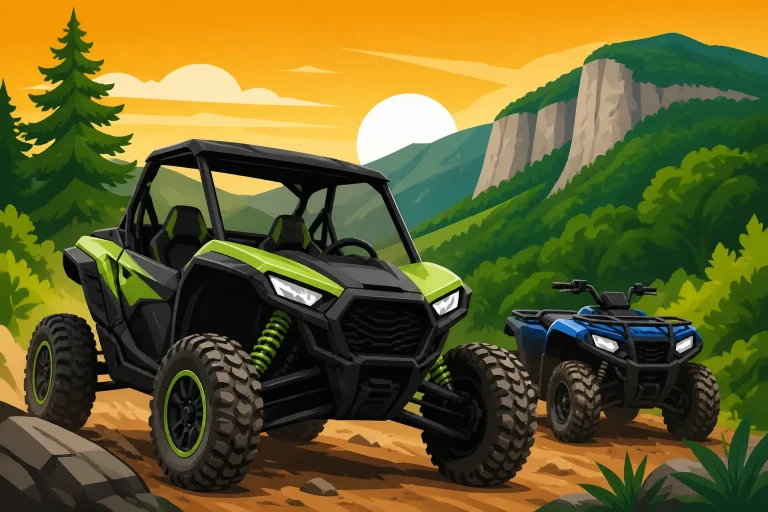
Windrock’s Yamaha RMAX Rentals in Tennessee
Planning a Windrock ride but don’t own a side-by-side? Renting a Yamaha RMAX can save you from towing a machine while giving your group a capable vehicle for the park’s trails. The key is choosing the right seating setup, understanding what your booking includes, and matching the ride to your group’s experience and plans.
What to Know About Renting a Yamaha RMAX at Windrock
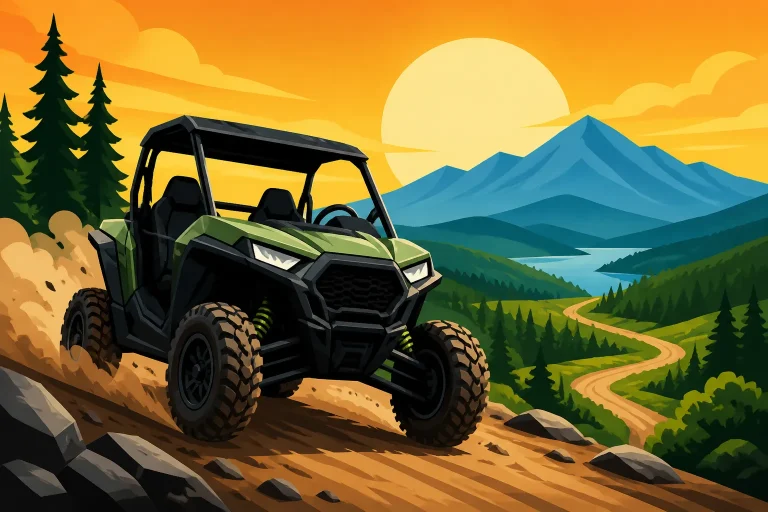
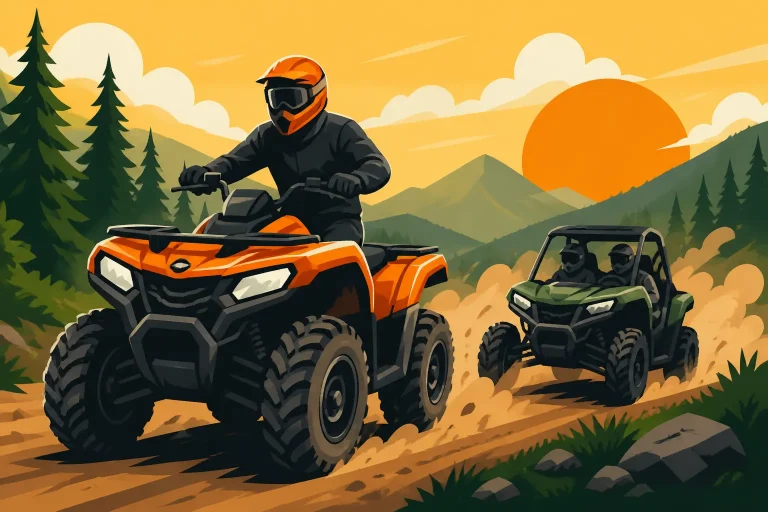
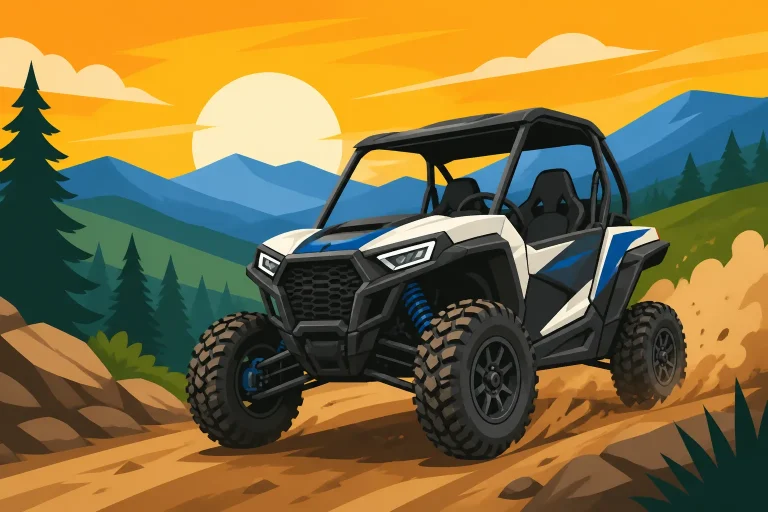
Windrock Park, near Oliver Springs, offers Yamaha RMAX rentals for visitors who want to ride without bringing their own machine. An RMAX is a side-by-side, or UTV, rather than an ATV you straddle. Depending on the rental setup available, you may be comparing a two-seat machine with a four-seat one. Confirm the exact vehicle, seating arrangement, and current availability with the rental provider before booking.
The convenience is straightforward: you arrive, complete the rental process, and ride a machine supplied for the trip. That can be a good fit if you are visiting from out of state, do not own a trailer, or would rather avoid loading, hauling, and maintaining a vehicle. It can also make a group outing easier when only some people own machines.
A rental does not automatically answer every trip-planning question. You still need to check the park’s access requirements, the rental’s operating rules, the trail conditions, and whether your intended route suits the vehicle and everyone in it. In particular, do not assume a rental includes every permit or allows access to every trail. Confirm those details directly before you travel. For the broader distinction between state and private-park access, see Tennessee Trail Permits Explained and Windrock’s Trail Permits.
Windrock has a large trail system, but a large map does not mean every route is a good choice for every rental group. A stock side-by-side, a new driver, and a family with passengers may call for a different day than a group seeking steep climbs or technical obstacles. Make the rental decision around your riders and comfort level, not just the distance you hope to cover.
| Planning question | What to confirm before booking |
|---|---|
| Which RMAX will we receive? | Model, seating capacity, and whether the pictured machine is the one supplied |
| Who may drive? | Minimum age, required license, and any driver approval rules |
| What does the booking include? | Machine, helmets or other gear, permit, fuel, and any guide option |
| What happens if plans change? | Cancellation window, weather policy, and late-return procedure |
| Which routes fit our group? | Trail difficulty, vehicle limits, closures, and expected ride time |
| What could add to the bill? | Damage responsibility, cleaning, recovery, fuel, and card holds |
A rental is best treated as a package of responsibilities, not just access to a vehicle. Ask the provider to explain the parts you might otherwise overlook, especially what happens after a breakdown, a puncture, or a change in weather.
Choosing Between a Two-Seat and Four-Seat RMAX
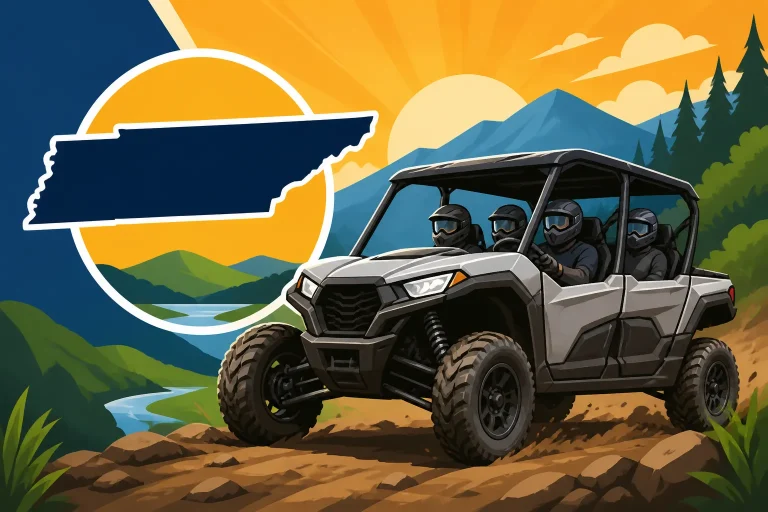
The first choice is usually how many people need a seat. A two-seat RMAX may suit a couple or two friends who want a simpler setup. A four-seat version can keep a family or small group together, but carrying more people changes how you plan the ride. The precise model and seating configuration can vary, so confirm what is actually available rather than relying on a general vehicle description.
When a two-seat machine makes sense
A two-seat machine works well when the driver and passenger want to travel together and do not need to rotate riders. It can also be a practical choice for a pair who expect to spend much of the day exploring and want to keep the group small. If you are booking for more than two people, check whether everyone needs to ride at once or whether your group can split into separate vehicles.
Do not select a two-seat vehicle simply because it appears easier to handle. A side-by-side still needs room on the trail, and the driver needs to understand the controls and the route. Ask the rental provider to explain the vehicle’s operating features at pickup, particularly if the driver has never used an RMAX before.
When a four-seat machine makes sense
A four-seat RMAX can simplify a family or group outing by keeping passengers together. It may also reduce the need to coordinate multiple rental bookings. That convenience comes with trade-offs: there are more people to prepare, more passengers who need to follow safety instructions, and potentially less flexibility if different riders want different routes or ride at different speeds.
Count the people who will ride, not just those who might come along. Ask whether the passenger capacity applies to the specific machine you are reserving, and confirm any rules for children or young passengers. Do not assume that an available seat means a child meets the provider’s age, height, or equipment requirements.
| Your group | Possible fit | What to think through |
|---|---|---|
| Two adults | Two-seat RMAX | Driver eligibility, passenger gear, and comfort with the route |
| Family or small group | Four-seat RMAX, if available | Passenger rules, child-sized equipment, and whether everyone wants the same ride |
| Several adults | More than one vehicle may be needed | Separate driver eligibility, group spacing, and how you will regroup |
| Mixed-experience riders | One or more vehicles based on skill | Whether beginners can follow the route and whether a guide is available |
The vehicle should match the group’s actual needs rather than its maximum possible occupancy. A group with one confident driver and several nervous passengers may have a better day on a shorter, easier route than by filling every seat and attempting a demanding loop.
If you are deciding whether to bring your own machine instead, compare the rental with the logistics of hauling, unloading, permits, and trail access. Renting at Windrock Rather Than Hauling Your Machine covers that choice in more detail.
Booking, Driver Requirements, and What to Ask
Rental policies can change, and a vehicle shown online may not be available for your chosen date. Contact the rental provider or check its current booking information before making travel plans around a particular RMAX. Ask direct questions and keep the answers with your reservation details.
A driver should expect to meet the provider’s age and licensing requirements. Do not assume that a valid driver’s license alone settles eligibility, or that every adult in the group may drive. Confirm the minimum driver age, whether the provider reviews licenses at pickup, and whether additional drivers must be registered in advance. The operator’s requirements apply even if a rider has driven other UTVs.
Before booking, ask:
- Is the reservation for a two-seat or four-seat RMAX, and can that configuration be guaranteed?
- What driver age and license requirements apply?
- Are passengers subject to age, height, or other restrictions?
- Are helmets or other safety equipment included, and can we bring our own?
- Is a Windrock permit included, or must we obtain one separately?
- What fuel level should we expect at pickup, and how should we return the vehicle?
- How are damage, cleaning, recovery, and mechanical problems handled?
- What is the cancellation policy, including for severe weather or a park closure?
- Is a guide available, and what days or hours can guided rides be booked?
- What identification, payment method, and paperwork should each driver bring?
Windrock has guided options, but a guide is not automatically part of a self-guided rental. Ask whether a guide can be booked for your group, what the guide covers, and whether the schedule works for your dates. If you are relying on a guide because nobody in the group knows the park, confirm that the booking is specifically for a guided ride rather than assuming help will be available after departure.
Check the timing details carefully. Find out when pickup begins, when the vehicle must be returned, and what you should do if you are delayed on the trail. A late return can disrupt the provider’s schedule and may have consequences under the rental agreement. Build in time to return, refuel if required, and report any problem rather than riding until the last possible minute.
For a trip with several vehicles, ask whether everyone needs to check in together. Clarify how the provider handles multiple drivers, whether the vehicles leave together, and what riders should do if the group becomes separated. These details matter more on a long ride, where cell coverage may be limited in some areas. Cell Dead Zones Across the North Cumberland WMA offers useful context for planning communication.
Permits, Safety, and Trail Planning
A private rental agreement and permission to ride are related but separate questions. Confirm whether your booking includes the required Windrock access permit. If it does not, find out how to obtain the correct permit before reaching the trail entrance. A permit for one park should not be assumed to work at another. See Why a Tennessee Rental Permit Is Separate and Why One Park’s Permit Is Worthless at the Next before building a multi-park itinerary.
The side-by-side also needs to stay within the park’s current rules and its own operating limits. Ask the provider which routes are appropriate for the machine you are renting and whether any restrictions apply to width, passengers, or route type. Then check current trail notices for closures and conditions. A map or a previous trip report is not a substitute for current information.
Choose a route for the least experienced rider
Before setting out, be honest about the range of ability in your group. A driver who is comfortable on open gravel roads may not be ready for a steep, rocky climb. Passengers who are new to off-road riding may also prefer a shorter loop with the option to return early.
Ask the rental staff for a route suggestion that matches the group, and check the park map before leaving. Decide on a turnaround point and a latest return time. Do not treat the farthest trail shown on a map as a sensible destination just because it is reachable in theory.
Conditions can change during the day. Rain can make some surfaces slick, while dust and traffic can affect visibility. If you encounter a trail that seems beyond your skill or vehicle, turn around where it is safe to do so. Choosing an easier route is better than risking a rollover, damaging the rental, or needing recovery assistance.
Prepare passengers, not just the driver
Passengers should know how to sit securely, keep their hands and feet inside the vehicle, and follow the driver’s instructions. Make sure each person has properly fitting safety gear before you leave. If you are riding with children, confirm the provider’s rules and equipment needs in advance; do not rely on a general description of the vehicle’s seat count.
At pickup, ask for a clear explanation of the controls, seat belts, lights, and any safety features on the specific machine. Have the driver practice basic controls in the area the provider identifies as appropriate before entering a busy or challenging trail. If anything about the vehicle seems unfamiliar or does not work as expected, raise it before departure.
Plan for communication and small problems
Bring water, weather-appropriate clothing, and any personal items you need for the day. A phone can be useful, but do not count on having service everywhere. Share your planned route and expected return time with someone in your group, and understand how to contact the rental provider or park staff if help is needed.
Know what the provider expects if a tire goes flat, the machine stops, or you cannot safely continue. Avoid attempting a repair that could create a new hazard or violate the rental terms. Ask about roadside assistance or recovery procedures before the ride, not after the machine is stuck. For practical preparation, see Fixing a Puncture on a Rock Ledge Near Windrock and Recovery From a Narrow Bench Road in Tennessee.
Costs, Damage Responsibility, and Alternatives
Rental costs depend on the selected machine, rental duration, date, and the provider’s current terms. Check the provider for current figures rather than relying on old listings or estimates from another rider. The total can involve more than the base rental charge, so ask for a complete explanation before you pay or authorize a card hold.
In particular, clarify whether the rental requires a security deposit or damage hold and how the provider determines whether there is damage. Ask what the rental agreement says about cleaning, fuel, late returns, recovery, and mechanical issues. A hold on a payment card may not be the same thing as a final charge, so make sure you understand the difference and when the provider expects to release it.
Read the agreement before signing. Look for rules about who may drive, where the vehicle may go, what counts as unauthorized use, and how to report damage. At pickup, take a careful look at the machine with the staff member. Point out existing marks or problems and follow the provider’s process for documenting them. At return, report anything that happened, even if the vehicle still seems usable. Photographing a Rental at a Tennessee Pickup has more tips for documenting a machine before a ride.
A rental can be a practical alternative to buying if you ride occasionally or want to try a side-by-side before committing to one. It can also make sense when hauling a personal machine would add time and effort to a trip. On the other hand, repeat visitors may find that towing their own machine offers more control over setup and schedule. Compare the full trip cost and effort, not only the vehicle rental.
For a different destination or booking style, Polaris Adventures may be relevant to riders looking at an outfitter at Ride Royal Blue near Pioneer. That is a separate riding option, not a substitute Windrock reservation, so check where the rental is based and which trails its booking permits you to use. Viator can be useful for comparing bookable tours when a guided experience matters more than selecting a specific vehicle, but confirm the operator, pickup location, vehicle, and included access before booking.
If you are choosing between a self-guided Windrock rental and a guided outing, consider how familiar your group is with off-road driving. A self-guided ride gives you more independence, but the driver takes responsibility for navigation and pacing. A guide can help with route choices and group coordination, but you should still ask what is included, what the itinerary covers, and whether the ride suits your passengers. Tennessee Guided UTV Tours can help you think through the guided option.
Frequently Asked Questions
Can you rent a Yamaha RMAX at Windrock?
Windrock offers Yamaha RMAX rentals. Confirm the exact model, seating setup, date availability, and current rental terms directly with the provider.
Does a Windrock RMAX rental include a trail permit?
Do not assume it does. Ask whether the permit is included in your specific booking, and confirm how to obtain one if it is not.
Can a beginner rent an RMAX?
A beginner may be able to rent, subject to the provider’s current driver requirements. The more important question is whether the driver can operate a side-by-side safely on the route the group plans to ride. Ask for a suitable trail recommendation and consider a guide if nobody knows the park.
Are two-seat and four-seat RMAX rentals both available?
Windrock rental information includes two-seat and four-seat RMAX options, but availability can depend on the date. Confirm the configuration you need before booking.
What should you check before signing a rental agreement?
Review driver and passenger rules, permit requirements, fuel and return procedures, damage responsibility, cancellation terms, and any recovery or cleaning charges. Ask for clarification before signing if a term is unclear.
Disclaimer
This article is for general informational purposes only and does not constitute professional advice. Laws, prices and regulations vary by location and change over time. Consult a qualified professional for guidance on your specific situation.