Titling a Quad in Tennessee
Navigating the world of ATV and UTV ownership in Tennessee can feel like a maze, especially when it comes to the official paperwork. Many quad owners get tripped up thinking they need to "register" their machine, only to find the process is actually about "titling" it. This guide is here to cut through the confusion and walk you through every step of getting your quad legally titled in the Volunteer State, ensuring you're ready to hit the trails or tackle farm work without a hitch.
Understanding Tennessee's Approach to Quads and Titles
The first hurdle many new quad owners face in Tennessee is understanding the difference between registering a vehicle and titling it. It’s a common misconception that your ATV needs a license plate and annual registration stickers, just like your car or truck. The reality in Tennessee is distinct for off-highway vehicles (OHVs), which include your trusty quad.
Why Titling a Quad is Different from Registering It
Tennessee has a very specific stance on off-highway vehicles. Unlike your road-going car or motorcycle, your quad, side-by-side, or dirt bike isn't meant for public roads, with some limited exceptions. Because of this, the state doesn't require these machines to be registered in the traditional sense, meaning you won't get a license plate or renewal tags for your quad. This is a source of frequent frustration and misunderstanding for folks moving into Tennessee from other states that might have different rules. For a deeper dive into this, you might find our article [Why Tennessee Does Not Register Off-Road Machines] really helpful.
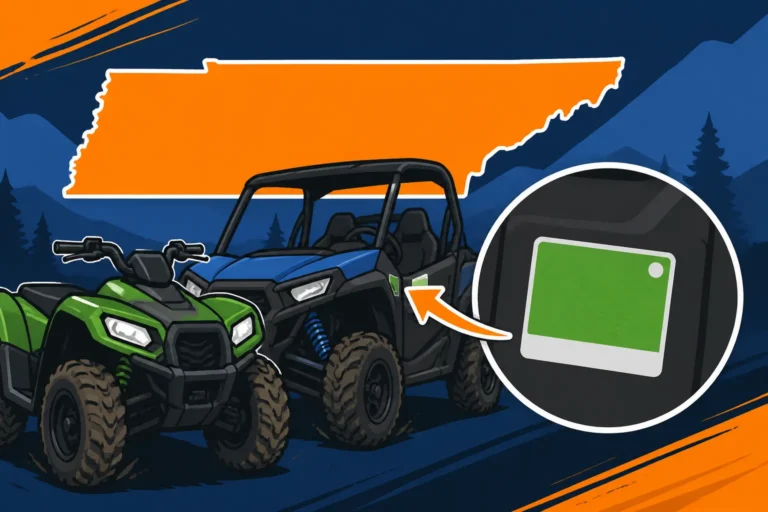
Instead of registration, Tennessee mandates that most off-highway vehicles, including quads, be titled. Think of the title as the official birth certificate and ownership deed for your machine. It's a legal document that establishes you as the rightful owner and records important details about the quad, such as its Vehicle Identification Number (VIN) and any liens against it. When you complete the titling process, you'll receive a physical title document, and often, a small sticker that confirms the title exists and is valid. This sticker is typically for administrative purposes and doesn't serve the same function as a registration tag you'd display on a road vehicle. It's a crucial distinction, and one that often catches people off guard when they first move to Tennessee or buy their first off-road machine.
The Importance of a Title for Your Quad
You might be thinking, "If I don't need to register it, why do I even need a title?" That's a fair question, and the answer is rooted in legal protection and financial security. A title is the undeniable proof of ownership for your quad. Without it, you could face significant headaches down the road, especially if you ever plan to sell your machine or if it ever gets stolen.
Imagine you've been enjoying your quad for years, and now you're ready to upgrade. When you go to sell it, potential buyers will absolutely demand to see a clean title. Without it, they'll likely be wary, assuming there might be a hidden lien, a questionable ownership history, or even that the machine might be stolen. Trying to sell an untitled quad is a fast track to losing a lot of value and attracting only shady deals. It puts you in a vulnerable position. Conversely, when you're on the other side of the transaction, buying a used quad, you absolutely want to ensure the seller has a valid, clean title to transfer to you. This protects you from buying a machine that someone else legally owns or that has outstanding debts attached to it. Our guides on [Selling an OHV in Tennessee] and [Buying a Used OHV in Tennessee] delve further into these critical aspects. Having a title also provides a clear chain of ownership, which is essential if you ever need to claim it on your insurance after an accident or theft. It validates your investment and simplifies any future transactions involving your quad.
The Step-by-Step Process for Titling Your Quad
Getting your quad titled in Tennessee isn't overly complicated once you know the exact steps. It primarily involves gathering the right documents and visiting your local county clerk's office. While it might feel like a bureaucratic chore, following these steps meticulously will save you a lot of time and potential frustration.
Gathering Your Essential Documentation
Before you even think about heading to the county clerk, you need to have all your ducks in a row with the paperwork. Missing just one document can send you right back home, wasting your precious time. The most critical piece of documentation depends on whether your quad is brand new or used.
If your quad is brand new, purchased from a dealership, you'll need the Manufacturer's Statement of Origin (MSO). This is like the birth certificate for your vehicle, issued by the manufacturer, proving it's never been titled before. It will list the dealer you bought it from and all the quad's identifying details, especially its VIN. Keep this document pristine; it's invaluable. If you bought a used quad, you'll need the previous owner's properly assigned title. This title should have a section for the seller to sign over ownership to you. Ensure all signatures are present and correctly filled out. In both scenarios, a clear, dated, and signed bill of sale is crucial, especially for establishing the purchase price for sales tax purposes. This document should detail the quad's VIN, make, model, year, the sale price, and the names and signatures of both the buyer and seller. You'll also need your valid government-issued photo identification (like a driver's license) and proof of your Tennessee residency. Some county clerks might also ask for proof of your current address, such as a utility bill. To make sure your bill of sale is ironclad and includes all necessary legal language, consider using a reliable template from a service like LawDepot, which can help ensure you don't miss any critical information when documenting your purchase. Having everything ready when you walk through the door makes the entire process smoother and quicker. For a complete checklist, refer to our article on [Tennessee OHV Title Paperwork].
Visiting Your Local County Clerk's Office
Once you've got all your documents meticulously organized, your next stop is your local county clerk's office. This is the government office responsible for handling vehicle titles and registrations at the county level in Tennessee. You'll want to visit the office in the county where you reside.
When you arrive, you'll typically take a number or join a line for vehicle services. Be prepared for a wait, especially during peak hours. When it's your turn, present all your gathered documentation to the clerk. They will review everything, verify the information, and ensure all forms are correctly filled out. They'll scrutinize your MSO or previous title, check the bill of sale for accuracy, and confirm your identity. This is also where they will calculate any applicable sales tax and fees. They might also physically check the VIN on your quad, though this is not always a requirement at the counter itself, it's good practice to have your VIN accessible and verifiable. If everything is in order, you'll pay the required fees and taxes. The clerk will then process your application, and you'll typically be issued a receipt. The actual physical title document usually isn't printed on the spot; instead, it will be mailed to you by the Tennessee Department of Revenue (TDR) within a few weeks. The county clerk acts as the frontline agent for the TDR in this process. For more specifics on the procedure, check out [Titling at a Tennessee County Clerk].
Understanding Fees and Sales Tax
Beyond the initial paperwork, understanding the financial side of titling your quad is key. There are several fees involved, and sales tax can be a significant component, especially if you're not prepared for it.
First, there's the state title fee, which is a set amount for the actual title document itself. Then, your county clerk's office will charge a processing fee, which is specific to their services. This is a separate charge from the state fee and helps cover the administrative costs of handling your paperwork. For example, you can expect to pay [Tennessee's $8.50 County Clerk Fee] in addition to other costs. If you've financed your quad, there will likely be an additional fee to record the lien on the title, ensuring the lender's interest is protected. This is often referred to as a [Tennessee OHV Lien Fee]. The biggest financial component, however, is often sales tax. If you purchased your quad from a dealer, they typically collect the sales tax at the time of purchase and remit it to the state. However, if you bought a used quad from a private seller, you are responsible for paying the sales tax directly to the county clerk's office when you title the machine. This tax is usually calculated based on the purchase price listed on your bill of sale. It's important to be honest about the sale price, as clerks are often trained to flag unusually low prices. For a breakdown of all the potential costs, our article [Tennessee OHV Title Cost] offers a comprehensive overview. Finally, be aware that you will also pay state sales tax on the purchase price of the machine, which the county clerk collects. This tax money is what you'll fork over at the counter for [Tennessee Sales Tax at the Title Counter].
Here's a quick summary of potential fees you might encounter:
| Fee Type | Description | Collected By | When It Applies |
|---|---|---|---|
| State Title Fee | Fee for the official title document itself | County Clerk (remitted to TDR) | All quad titling transactions |
| County Clerk Fee | Administrative fee charged by your local county clerk's office | County Clerk | All quad titling transactions |
| Lien Recording Fee | Fee to record a lien if your quad is financed | County Clerk (remitted to TDR) | If there's an active loan on the quad |
| State Sales Tax | Tax on the purchase price of the quad | County Clerk (remitted to TDR) | On new quads (often by dealer) or used private sales |
| Penalty Fees (if any) | Late fees or other fines for delayed titling | County Clerk (remitted to TDR) | If you don't title within the legal timeframe |
Always call your specific county clerk's office ahead of time to confirm the most current fees and sales tax rates, as these can sometimes vary or change.
Specific Scenarios for Titling Your Quad
While the basic process for titling a quad is generally the same, certain situations can add layers of complexity. Whether you're buying a used machine, bringing one in from out of state, or dealing with a lost title, knowing how to navigate these specific scenarios can save you a lot of grief.
Titling a Used Quad Bought Privately
Buying a used quad privately can be a great way to save money, but it comes with its own set of potential pitfalls, especially concerning the title. The biggest challenge is ensuring you're buying from the legitimate owner and that the title is clean and ready to be transferred. It's not uncommon to encounter sellers who claim they "don't have the title" or that it's "lost somewhere." This is a huge red flag. Always insist on a properly assigned title from the seller. If they don't have it, walk away or require them to get a duplicate before you finalize the sale.
When purchasing a used quad, a robust bill of sale is your best friend. This document should clearly identify both the buyer and seller, the quad's make, model, year, and crucially, its full VIN. It should also state the purchase price and the date of sale. Both parties should sign and date the document. To avoid issues, using a professional bill of sale template, perhaps sourced from a platform like LawDepot, can provide added legal protection and ensure all necessary details are captured. This protects both parties and provides irrefutable proof of the transaction when you go to title the machine. Before you hand over any money, always, always, always perform a VIN check. This can reveal if the quad has been reported stolen or has any outstanding liens. Our guide on [Checking a VIN Before a Tennessee Purchase] provides excellent advice on this crucial step. Finally, make sure the seller correctly fills out the "Assignment of Title" section on their existing title, signing it over to you. Any errors here can result in your county clerk rejecting the transfer, sending you back to track down the seller for corrections.
Titling a Quad Purchased Out-of-State
Bringing a quad into Tennessee that you purchased in another state has a few extra considerations, but it's generally a straightforward process once you understand the nuances. The primary difference is how the state handles sales tax and how your out-of-state title is converted.
First, you'll still need the original out-of-state title, properly assigned to you by the seller. Just like an in-state purchase, this document is your proof of ownership. The Tennessee county clerk will use this title to issue a new Tennessee title in your name. Where it often gets tricky is with sales tax. If you've already paid sales tax on the quad in another state, Tennessee may offer a credit for the tax you paid, meaning you might only pay the difference if Tennessee's sales tax rate is higher, or nothing at all if it was equal or higher than Tennessee's. However, you'll need proof of that paid sales tax from the other state, usually in the form of a sales receipt from a dealership or a tax payment document from that state's DMV. If you bought the quad privately out-of-state and didn't pay sales tax there, you'll likely owe the full Tennessee sales tax at the time of titling. It's always best to call your county clerk's office beforehand and explain your specific situation (where you bought it, if you paid tax, etc.) to get an accurate estimate of what you'll owe. This preparation can prevent unwelcome surprises at the counter. For further assistance on this topic, consult our article [Buying an Out-of-State Machine for Tennessee].
Dealing with Liens and Lost Titles
Life happens, and sometimes you might find yourself needing to title a quad with an existing lien, or worse, one where the title has gone missing. These situations require specific steps to ensure your ownership is clear and legal.
If you're purchasing a quad that has an active lien against it (meaning the previous owner still owes money on it), the process needs careful handling. The lien holder (usually a bank or credit union) will be listed on the title. Before the title can be transferred to you, that lien needs to be released. This typically happens when the seller pays off their loan, and the lien holder sends a "lien release" document. This document, along with the original title, is what you'll need to present to the county clerk to have the lien removed and a new title issued in your name. Never buy a quad with an active lien without explicit proof of the lien release; otherwise, you could become responsible for someone else's debt. Our guide [Titling a Machine With a Lien in Tennessee] offers detailed advice on how to navigate this.
If the title for your quad is lost, damaged, or stolen, you cannot transfer ownership or complete a sale until a replacement title is issued. The registered owner must apply for a duplicate title. This is typically done through the county clerk's office, where you'll fill out a specific application for a duplicate title and pay a fee. You'll need your valid ID and information about the quad (VIN, make, model). Once the duplicate title is issued by the TDR and mailed to you, then you can proceed with a sale or transfer. Be aware that this process takes time, so plan ahead if you intend to sell the machine. For more information on this, see [Replacing a Lost Tennessee OHV Title]. In any of these complex scenarios, clear and robust documentation is paramount. Services like LawDepot can be invaluable for creating legally sound documents like bills of sale or affidavits, which might be needed to supplement missing paperwork or clarify ownership in tricky situations. This ensures that even when dealing with complications, your claim to the machine remains well-supported and legally verifiable.
Disclaimer
This article is for general informational purposes only and does not constitute professional advice. Laws, prices and regulations vary by location and change over time. Consult a qualified professional for guidance on your specific situation.