Camping Near Tennessee ATV Trails
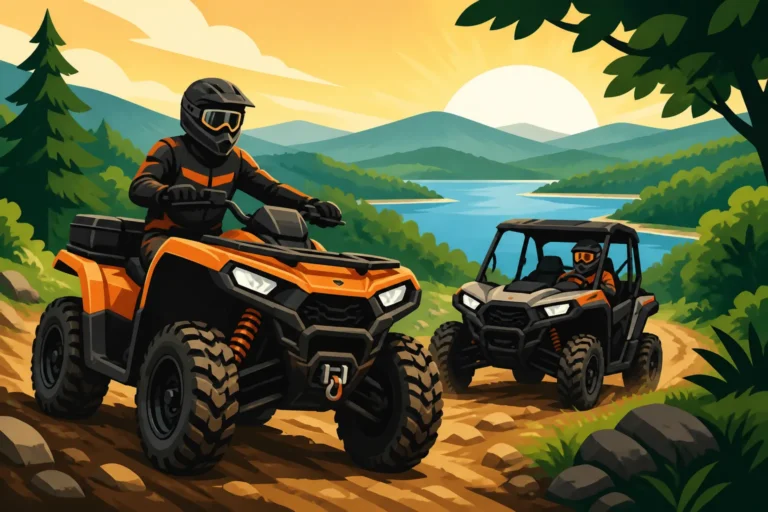
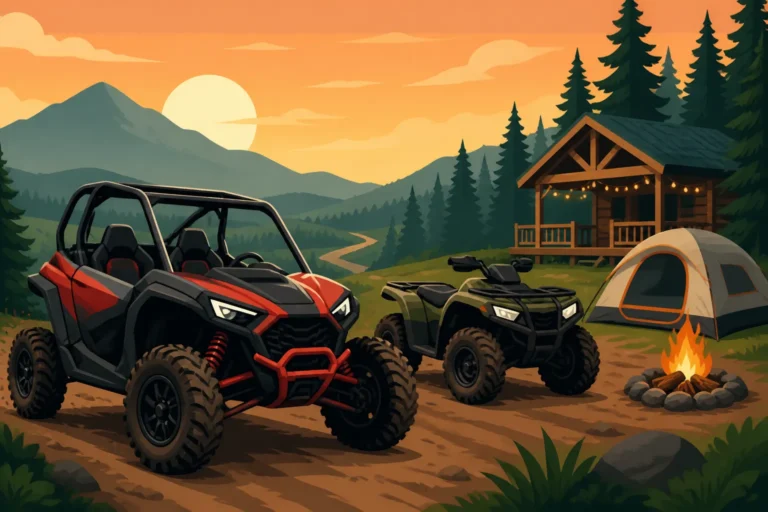
Camping near Tennessee ATV trails takes more planning than finding a place to pitch a tent. You need to match your campsite to the trail area, confirm where your machine can legally go, and sort out practical details like trailers, fuel, and wet-weather plans. This guide walks through the choices so your camp and riding plans work together instead of creating headaches.
Choose a Tennessee trail area before you book
Tennessee’s major riding destinations are spread across different parts of the state, and a campsite that looks close on a map may not make it easy to reach the riding area. Start by choosing where you want to ride, then compare campgrounds and lodging around that destination. For an overview of the main options, see [Where to Ride an ATV in Tennessee].
Windrock and Oliver Springs
Windrock Park near Oliver Springs is a natural starting point for riders looking for a trip centered on one large trail system. You can look for camping and lodging in the area, including places associated with the riding destination, or stay farther away in nearby communities and trailer to the entrance. The right choice depends on whether you value being close to the trails or having more room to spread out at camp.
Being close does not automatically mean you can ride from your campsite. Ask the campground or lodging provider exactly where you can take your machine, whether a permit is required, and whether you need to trailer to a designated staging area. A short road between a cabin and a trail gate might be private, public, or off-limits to recreational machines. Do not assume that a campground’s proximity to Windrock gives you permission to use roads or trails outside the authorized riding area.
Windrock’s terrain and size can make a quiet night at camp feel especially welcome after a long ride. Still, plan for the practical side of a day on the trails: secure your machine, keep riding gear dry, and leave enough time to get back before dark if your route is unfamiliar. If you are planning a multi-day trip, [Where to Camp Near Windrock] can help you think through the lodging side of the stay, while [Tennessee Trail Maps Worth Carrying] is a useful topic to consider when preparing for navigation.
Brimstone and Huntsville
Brimstone Recreation near Huntsville is another destination where it makes sense to look for a campsite or cabin before committing to a riding weekend. The area can work well for a group that wants to stay together, but ask whether the accommodation is on or near the riding property and what that means for getting to the trails. “Near Brimstone” can describe very different situations, from a place with convenient access to a campground that requires you to load the machines for each ride.
Clarify what the overnight booking includes. A room, cabin, or campsite does not necessarily include trail access, a riding permit, or permission to use connecting roads. If your group has multiple machines, ask about trailer parking, unloading space, and where vehicles can remain overnight. That conversation can prevent the familiar arrival-day scramble of finding out that the trailer will not fit where you expected.
For Brimstone, think about the whole trip rather than only the trail miles: where you will sleep, where you will park, how you will reach the riding area, and what your group will do if weather changes the plan. The related guide [Finding a Cabin Within Riding Distance of Brimstone] may help you compare places to stay. Before you load, also review [Brimstone's Land Use Permits] and confirm which rules apply to your planned riding.
Royal Blue and the North Cumberland area
Royal Blue, near Pioneer, is part of a broader set of riding opportunities in the North Cumberland area. Campers may choose a nearby resort or campground, stay in a cabin, or set up at a more distant base and trailer to their intended riding area. The best choice depends on your route, the size of your group, and how much time you want to spend moving machines between camp and trail access.
Do not treat the North Cumberland area as one single campground-and-trail property. The riding areas and access points can be spread out, and a campsite near one entrance may be inconvenient for another day’s ride. Check the location of your intended trailhead against the lodging address, then ask the campground whether trailers can be parked there and whether machines may be unloaded on-site. If your route crosses different units or access points, confirm that your permit and riding plans cover them.
A map can help you understand distances, but it cannot tell you whether a specific connecting road is legal for your machine or whether a trail is open. Use a park or land manager’s current information for access and closures, and treat mapping tools as a planning aid rather than permission to ride. If you are mapping a route with onX Offroad, compare what you see with the riding area’s official notices before setting out. You can also read [Tennessee's North Cumberland WMA] for context on the area and [Ride Royal Blue From Pioneer] when planning around Royal Blue.
Pick the kind of campsite that fits your trip
There is no single best way to camp near Tennessee ATV trails. A tent site may be ideal for a small group that travels light, while a cabin or RV space can make a wet weekend or family trip much easier. The useful question is not simply “Which campground is closest?” It is “Which place gives us a safe, legal, and comfortable way to ride?”
Campgrounds with direct trail access
A campground with access to a riding area can simplify your day. You may be able to park your tow vehicle once, unload nearby, and spend less time shuttling machines. That convenience can matter on a short weekend, especially when your group is arriving from different places or traveling with children. It can also make a multi-day trip feel more relaxed because you are not repeatedly packing and unpacking gear.
But “trail access” is a phrase worth clarifying. Ask whether access means a designated entrance, a permitted connector, a nearby trailhead, or simply a campground located within driving distance. Find out whether a guest can ride from the campsite to the trail system, or whether the machine must be transported on a trailer. If there is a connector, confirm its route, operating rules, and whether it is open to your type of vehicle.
Also ask whether you need a separate riding permit. A campground reservation and a trail permit are different things unless the provider clearly says otherwise. Find out how permits are issued, where they must be displayed, and what happens if your group arrives outside normal office hours. For a broader look at what to check before riding, read [Tennessee Trail Permits Explained] and [Do You Need a Permit for Tennessee Trails?].
Campgrounds that require trailering
A campground without trail access can still be a good base. It may offer a quieter setting, better space for a large RV, or the amenities your group wants after a day outside. You can camp there and trailer your machines to a legal staging location. The tradeoff is that you need to plan for loading, parking, and travel time each riding day.
Before reserving, check that the site can accommodate your full setup—not just the RV or tent. Measure or estimate the space needed for the tow vehicle, trailer, and any extra vehicle, then ask the campground what its parking rules allow. A site that fits an RV may not have room for a long trailer, and a shared parking area may not be suitable for unloading machines. If you are arriving after dark, ask whether late check-in and trailer parking are workable.
Do not use a public road as an assumed connector between camp and trail. Tennessee’s rules depend on the road, local designations, vehicle, and circumstances. Riding on a road simply because it is close to a trailhead can turn a convenient shortcut into a citation or a safety risk. Read [Tennessee Rules for Riding a County Road] before considering any road travel, and plan to trailer whenever you are uncertain.
Cabins, RV sites, and tent camping
A cabin is often the easiest option for a group with mixed comfort levels. It gives you a dry place to store clothing and riding gear, and it can make an early start less stressful when the weather is cold or rainy. Families may appreciate having a place to rest between riding days, while a group of friends might value a shared indoor space for meals and route planning.
An RV site can offer a useful middle ground, especially if you already travel with your own sleeping setup. Check whether the site has the space and services your vehicle needs, and ask whether the campground permits machine washing, generator use, or outdoor cooking. Policies differ, and a campground may restrict noisy activities or vehicle work even if it welcomes riders. Confirm these details directly rather than relying on an old review or a booking description.
Tent camping can keep the trip simple, but it requires a bit more attention to weather and storage. Use sturdy, weather-appropriate gear, keep clean clothes separate from muddy ones, and have a way to secure helmets and riding equipment. If the forecast looks unsettled, decide in advance what you will do with wet gear and whether you are comfortable camping through a soaking night. For more ideas on places that combine overnight stays with riding access, see [Tennessee ATV Parks With Cabins] and [Campgrounds Beside a Tennessee Trailhead].
| Camping option | Often works well for | Questions to ask before booking | Main tradeoff |
|---|---|---|---|
| Campground with trail access | Riders who want to minimize daily driving | Is access authorized, and is a separate trail permit required? | “Access” may not mean you can ride directly from your site |
| Campground with trailer parking | Groups bringing multiple machines | Is there enough room for the tow vehicle and trailer? | You may need to load and unload each day |
| Cabin | Families, mixed-age groups, or wet-weather trips | Is machine parking available, and are there limits on outdoor storage? | You may need to book and plan around the property’s rules |
| RV site | Travelers bringing their own sleeping space | What are the site dimensions, parking rules, and available services? | A site may fit the RV but not the trailer |
| Tent site | Small groups traveling light | Can you store riding gear securely and keep it dry? | Weather can make gear management harder |
Check access rules before you plan to ride from camp
The location of a campground does not determine where your ATV or UTV may be ridden. Tennessee has separate considerations for private property, public roads, public riding areas, and managed trail systems. Keeping those distinctions clear is essential—especially when a trailhead, campground, and road appear close together on a map.
Private property and campground roads
Some campgrounds sit on private property, and their internal roads may have rules set by the owner or operator. Ask whether machines are allowed on those roads, where they may be driven, and whether speed or noise limits apply. Permission to ride around a campground does not necessarily include permission to leave the property or connect to a public trail.
If your group plans to ride on privately owned land, get clear permission from the person who controls access. Do not rely on a neighboring guest’s directions or assume that an old track on a map is open. Gates, signs, leases, and land ownership can change, and a route that looks established may cross land where you do not have permission to ride.
A campground host can tell you about that property’s rules, but it is still your responsibility to understand the boundary between campground access and the riding area. Ask for directions to the authorized entrance and follow the route the property manager identifies. For more on the distinction between access and permission, read [Tennessee Rules for Riding Private Property] and [Tennessee Landowner Permission Requirements].
Public roads and connections between trailheads
Riding a public road is not the same as riding a designated trail. Even a brief trip from a campsite to a trail entrance can involve road restrictions, traffic, visibility issues, and rules that vary with the type of road. A machine that is allowed on a particular trail is not automatically allowed on the nearby street or highway.
Before relying on a road connection, find out whether it is legally open to your machine and what requirements apply. Do not infer road access from a posted speed limit, the presence of other riders, or a route line in a navigation app. If the rules are unclear, transport the machine rather than ride it. That may take extra time, but it is far easier than dealing with an unsafe crossing or an enforcement issue after the fact.
Plan your parking and unloading around legal staging locations. If a trailhead lot is full, do not block a gate, shoulder, driveway, or access route while looking for a space. Ask the campground or riding-area operator about alternate parking before the trip. The articles [Tennessee Rules for Riding a Park Road] and [Tennessee Rules for Crossing a Highway] can help explain why roads near trails deserve special attention.
Permits, closures, and entry requirements
The permit you need depends on where you plan to ride. A private riding park, a managed public area, and a campground may each have separate requirements. A permit from one riding destination should not be assumed to cover a different one, and a campsite reservation should not be treated as a trail permit unless the provider explicitly confirms that it is included.
Check requirements for every adult and machine in your group. Ask whether children have separate rules, whether permits need to be carried or displayed, and whether the permit is tied to a particular riding area. If a group plans to split up, make sure each rider understands where they are allowed to go and how to show proof of authorization if requested.
Closures matter just as much as permits. A route that was open on a previous trip may be closed after severe weather, maintenance, a land-management decision, or a seasonal restriction. Confirm trail status before you leave home and check again before riding. [Tennessee Trail Closures to Check First] and [Checking a Tennessee Trail Notice First] are useful reminders to make this part of your routine rather than an arrival-day afterthought.
Make the campsite work for your machines
A campsite can be comfortable for people and still be a poor fit for a trailer and several machines. Before you reserve, think through the physical setup: how you will arrive, where you will unload, where the machines will stay, and how you will keep equipment secure.
Confirm trailer space and unloading plans
When you contact a campground, describe your entire setup. Include the tow vehicle, trailer length, number of machines, and any extra vehicle. If you are bringing a large side-by-side, say so; a site that works for a small ATV may not give you enough room to turn around or unload safely. Ask whether you can park the trailer at your site or need to use a separate lot.
A narrow entrance or sharp turn can create a stressful arrival, especially with a long trailer. If possible, ask for directions that account for trailer access and check whether there are restrictions on vehicle size. Find out what to do if the site is not ready when you arrive. Pulling into a busy campground and improvising in a crowded lane is not a great start to a riding weekend.
Plan the unloading process before you reach the property. Choose a flat, stable area away from foot traffic, other vehicles, and campground roads. Secure the trailer before loading or unloading, and keep children and spectators clear. If the property does not have a safe unloading area, unload at an appropriate authorized location instead of improvising beside a narrow driveway.
Secure machines, gear, and fuel
Treat an ATV or UTV at camp as valuable equipment, even if the area feels remote and quiet. Ask whether the campground has designated machine parking, security measures, or rules about leaving vehicles unattended. Bring suitable locks or other practical security equipment, and avoid leaving keys in the machine. At a cabin or tent site, position equipment where it is visible to your group without blocking access or creating a hazard.
Keep riding gear organized and protected from rain, dust, and campground traffic. Helmets, goggles, gloves, and boots are easy to misplace when everyone is unpacking at once. Give each person a specific place for their gear and separate dirty items from sleeping or cooking areas. That small bit of organization can save time when the group is trying to get on the trail in the morning.
Fuel needs careful handling. Ask the campground about its rules for fuel containers and where they may be stored. Keep fuel in appropriate containers, away from flames, heat sources, and living areas, and follow the property’s instructions. Avoid refueling next to a campfire or in an enclosed space. If your machines need service or fuel during the trip, identify suitable options before you arrive rather than assuming a nearby store can meet every need.
Protect the campsite from mud and mechanical mess
Tennessee trails can leave machines muddy, especially after rain. Before booking, ask whether the property allows washing machines and where that activity may take place. A creek, campground sink, or roadside drainage area is not automatically an acceptable place to wash a vehicle. Follow posted instructions and avoid sending mud or waste into waterways.
Pack a simple cleanup plan: brushes, washable mats, gloves, and bags for muddy clothing. A small tarp can help keep gear from spreading mud through a cabin or RV, while a boot tray near the entrance can make camp far easier to manage. If your group expects to ride wet trails, bring extra towels and a way to dry essential clothing without using a prohibited appliance or leaving gear where it can blow away.
Routine checks can also protect the campsite and your next ride. Look for loose cargo, damaged straps, or leaking fluids before parking machines for the night. If something needs repair, ask where it can be done and what the campground allows. Do not assume you can perform noisy repairs in a quiet campground after other guests have gone to bed.
Plan meals, supplies, and downtime around riding
A successful riding trip is not only about trails. Once you have returned to camp, you still need to eat, recharge, keep everyone comfortable, and prepare for the next day. A little planning makes those ordinary parts of the trip feel much less rushed.
Decide what to bring and what to buy nearby
Make a meal plan that fits your camping setup. A tent camper may want simple meals that do not require a lot of dishes, while a cabin group might prefer shared dinners. If you are arriving late, pack an easy first meal so you are not searching for food after setting up camp. For a multi-day trip, plan breakfasts that can be made quickly when your group wants an early start.
Do not assume that a small town near a riding area has every item your group needs. Check where you can buy groceries, ice, drinking water, and basic supplies, and consider picking up essentials before you leave a larger town. If your group has dietary needs or specific food preferences, bring the items you cannot easily replace. A long drive back for one forgotten ingredient can take time away from the trip.
Keep meals and camp storage appropriate for the site. Follow rules for food storage, cooking equipment, and fire use. If you are camping in an area where wildlife may be present, do not leave food or rubbish exposed overnight. Use the campground’s designated storage or disposal practices rather than inventing your own.
Build in rest and non-riding time
It can be tempting to ride from morning until dark every day, particularly when the group has traveled a long way. But fatigue affects judgment, patience, and safe decision-making. Build in breaks for food, water, and rest, and do not pressure a tired rider to continue just because the rest of the group wants another loop.
Downtime can make a family or group trip more enjoyable. Choose a campsite with enough space for people to relax without standing beside idling machines all evening. Bring cards, books, or simple outdoor activities for children and non-riders. For mixed-experience groups, that shared time can be just as memorable as the trail day.
Try not to make a tightly packed itinerary that leaves no room for delays. Weather, mechanical issues, trail closures, or a slower-than-expected route can change the day. If your plan only works when everything goes perfectly, it is too fragile. Leave some flexibility so a late start or a long lunch does not turn into a stressful race back to camp.
Prepare for weather and changing conditions
Tennessee weather can feel different from one part of a trip to another, especially when a route climbs into higher or more exposed terrain. Check the forecast for the specific area where you will camp and ride, not only the city where you live. Pack layers, rain protection, and a change of dry clothes even if the first day looks clear.
Wet weather affects both camping and trail access. Mud can make riding more demanding, while heavy rain may lead to closures or changing conditions. Check with the riding-area operator before heading out, and respect closures even if the trail appears passable. A closure may protect the trail, reduce risk, or address conditions that are not obvious from the entrance.
Have a plan for what your group will do if riding is not possible. You might stay at camp, explore a nearby town, or adjust the trip rather than trying to ride a closed route. Use a navigation tool such as onX Offroad to prepare for the general layout, but verify access and conditions with the relevant park or land manager. A downloaded map can be useful when cell service is weak; it cannot replace current closure information.
Make the trip manageable for families and mixed-experience groups
Camping near an ATV trail can be a great group trip, but different riders often have different needs. Some may want long, challenging rides, while others are learning, resting, or looking after children. A good plan respects those differences instead of expecting everyone to ride at the same pace.
Choose a base that supports everyone
For families, look beyond trail proximity. Consider sleeping arrangements, bathrooms, meal options, space for children to move around safely, and how far the campground is from the riding area. A cabin or established campground may be more comfortable than a remote site if younger children are joining. Conversely, a quiet site can suit a group that is experienced, self-sufficient, and prepared for fewer amenities.
Ask about campsite rules for children, pets, noise, and vehicle movement. Make sure children understand where machines may be parked and that they should stay clear during loading, unloading, and maintenance. A campground can feel relaxed, but a trailer and several machines still create pinch points and blind spots.
If not everyone is riding, make sure the people staying behind have a comfortable option for the day. That might mean a place to read, relax, or take a short walk where permitted. Avoid assuming that a non-rider will be happy to sit in a parking area while the rest of the group spends the day on the trails. A balanced itinerary keeps the trip enjoyable for more than just the people at the handlebars.
Match routes to experience and energy
Before leaving camp, agree on a route that suits the least experienced rider in the group. Talk through the planned distance, terrain, rest points, and expected return time. Someone who feels confident on familiar trails may still find a longer or rougher ride tiring, especially in hot weather or after a poor night’s sleep.
Set a simple regrouping plan. Decide where everyone will stop if the group becomes separated and what to do if a machine has a problem. If part of the group wants to ride a more demanding route, make sure no one is pressured into joining. It is often better to split into groups with clear plans than to take a route that leaves one rider uncomfortable or beyond their ability.
Let the campground know if you will be returning late, especially if access gates or office hours affect how you enter the property. Do not treat a late return as guaranteed; trails, weather, and small mechanical problems can all slow you down. Set a conservative turnaround time and carry the essentials you may need if the ride takes longer than expected.
Give beginners room to learn
First-time riders benefit from a calm start. Begin with instructions, vehicle checks, and an easy route rather than jumping into a challenging ride because experienced friends are eager to go. A new rider may need time to get used to steering, braking, shifting, or handling a passenger. The campsite is a good place to organize equipment and discuss expectations before the group departs.
Keep the pace suitable for the beginner and stop before frustration or fatigue takes over. Small pauses to check in can reveal that a rider is nervous, uncomfortable, or unsure how to handle the terrain. If the group cannot slow down enough to make the ride comfortable, consider arranging a shorter outing or another plan for the beginner.
Rules for young riders, passengers, and permits can vary by riding area and machine. Confirm the requirements with the park or land manager before booking, and do not assume that rules are identical across Tennessee destinations. For more planning, see [Tennessee Rules for Riding With Children] and [Tennessee Minimum Age to Ride a Trail].
Build a practical arrival and departure plan
The first and last hours of a camping trip are where small oversights tend to become big frustrations. Plan how you will arrive, check in, park, unload, and leave. That is especially important when you are towing a trailer or reaching a campground after a long drive.
Confirm details with the campground
Call or message the campground before you travel and confirm your reservation details, directions, check-in process, and parking arrangement. Describe your trailer and machines accurately. Ask whether there are arrival-time restrictions, whether you need to check in at an office, and what to do if your group arrives after hours.
Ask about site conditions and basic facilities that matter to your group. A listing may not explain whether the access road is suitable for a trailer, whether the site is level, or whether outdoor machine storage is permitted. If you need electricity, water, or a specific type of restroom access, confirm those details directly rather than assuming they are available at every site.
Keep contact details and the campground address accessible offline. Cell coverage may be limited in some rural areas, and navigation can become less reliable when you are towing. Save the route before you leave, carry written directions if needed, and agree on a meeting point in case vehicles become separated. This is a simple precaution that can save a lot of unnecessary searching.
Handle the arrival-day setup in order
On arrival, check in before unloading unless the campground has told you otherwise. Confirm your site, parking instructions, and any restrictions that affect your machines. If your group has multiple vehicles, have one person speak with staff while the rest wait in a safe place rather than blocking the entrance or another guest’s campsite.
Set up the tow vehicle and trailer first, then unload in the designated area. Keep people away from moving vehicles and use a spotter when reversing. Once the machines are parked, secure them and organize helmets, keys, and gear. If it is late, avoid starting noisy work that could disturb other campers.
Do not assume you need to ride on arrival day. A short setup day can be useful for checking the campsite, reviewing the permit, and preparing the machines for morning. If you do ride, make sure you have enough daylight and time to return, and confirm that the trail system is open. Arriving in a hurry is a poor reason to skip a check of the rules.
Leave the site ready for the next group
Before departure, follow the campground’s checkout instructions and leave the site clean. Pack rubbish, secure all loose equipment, and check the ground for straps, tools, food, and small items. If you have washed or serviced a machine, make sure you have not left waste or debris where it can cause problems for the property.
Load machines carefully and check tie-downs before driving away. Recheck them after the first short stretch of travel, then stop if anything seems loose or has shifted. Keep helmets and other gear secured so they do not become hazards inside the vehicle or trailer. A few minutes of checking is far better than discovering a problem on a winding road.
If your group is heading directly to another riding area, do not assume the first permit or campsite arrangement will carry over. Confirm the next destination’s access, permit, and parking requirements before you leave. You can use onX Offroad to keep route notes organized, but confirm the legal trail and road information with the destination itself. That extra check helps ensure that your next stop is ready for you—and that you arrive with the right expectations.
Disclaimer
This article is for general informational purposes only and does not constitute professional advice. Laws, prices and regulations vary by location and change over time. Consult a qualified professional for guidance on your specific situation.