Buying an Out-of-State Machine for Tennessee
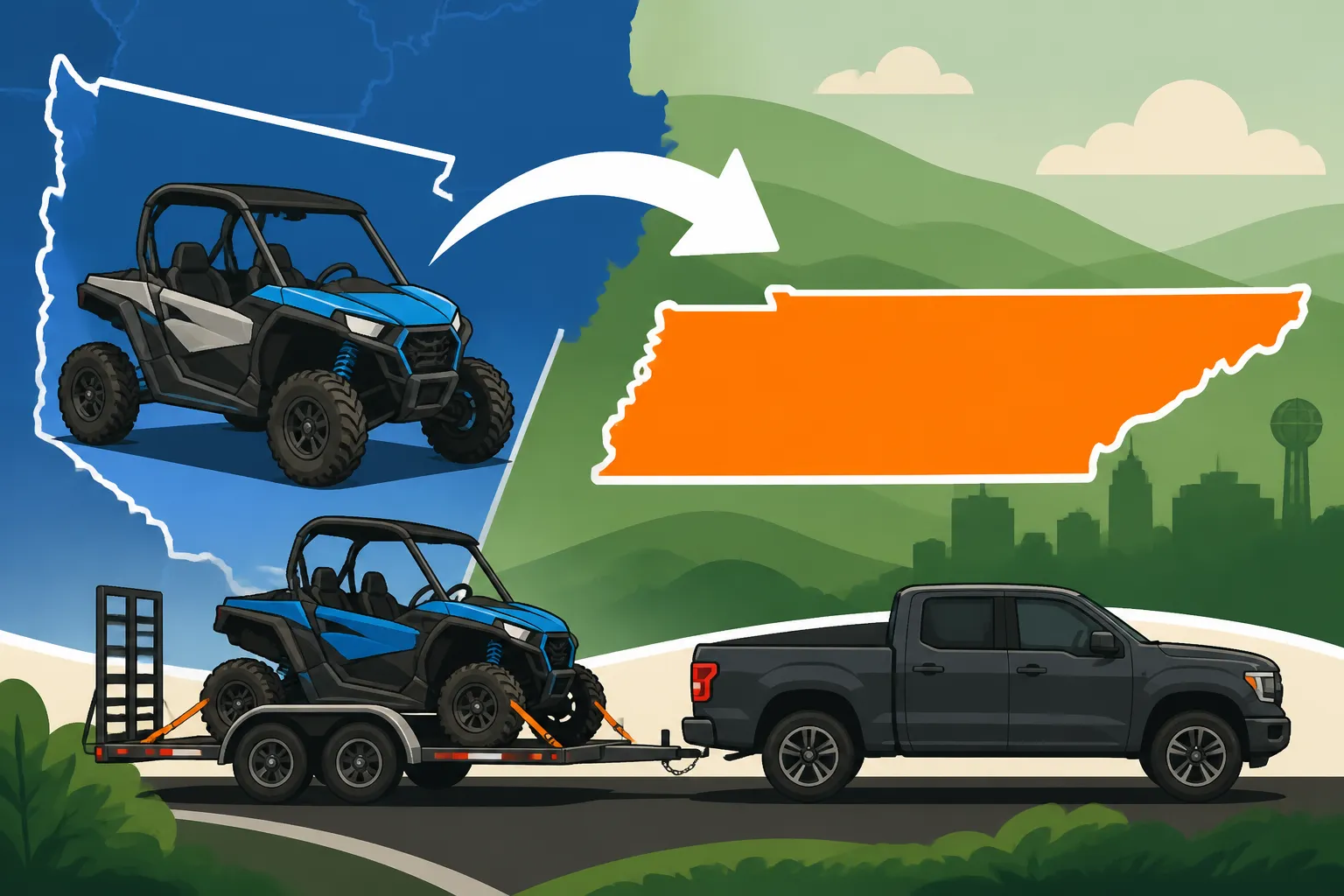
So, you've found the perfect ATV or UTV, but there's a catch: it's not in Tennessee. Maybe you stumbled upon a killer deal just over the border in Georgia, or perhaps you're moving here from a state with completely different off-road vehicle laws. It’s completely understandable to feel a bit lost trying to figure out how to bring that machine home and get it legally set up in Tennessee. This guide is going to walk you through every single step, common pitfall, and essential piece of paperwork you'll need to successfully title an out-of-state OHV here in the Volunteer State, ensuring you can hit our amazing trails without a hitch.
The Initial Hurdles of Out-of-State Purchases
Buying an off-highway vehicle (OHV) from another state can feel like navigating a maze, especially when you're dealing with different state regulations. It's not as simple as just handing over cash and driving away, like you might with some smaller items. Tennessee has its own way of doing things, and understanding those nuances upfront can save you a world of frustration and unexpected delays.
Why Tennessee Cares Where Your OHV Comes From
Tennessee isn't trying to be difficult, but every state has its own system for tracking vehicle ownership, collecting taxes, and ensuring consumer protection. When you bring an OHV from another state, you're essentially importing it into Tennessee's regulatory framework. This means the state needs to reconcile how that OHV was recognized (or not recognized) in its previous home with how Tennessee wants to recognize it now. For instance, some states might not title OHVs at all, treating them more like recreational equipment, while others have full registration systems akin to street vehicles. Tennessee, as we'll dive into, has a unique titling-only approach for OHVs. This difference matters immensely because the paperwork you receive from an out-of-state seller directly impacts what your Tennessee County Clerk will accept.
This isn't just about bureaucracy; it's about protecting both you and the state. If an OHV was stolen in another state, a proper title trail helps prevent it from being re-titled in Tennessee. If sales tax was due, Tennessee wants to ensure it's collected appropriately. These factors mean that the journey your OHV took before landing in Tennessee is genuinely important to the titling process.
Common Paperwork Pitfalls to Avoid
One of the biggest headaches people face when buying an OHV from another state is incomplete or incorrect documentation. It’s a classic scenario: you find a great deal, the seller seems legitimate, and you shake hands. But then you get to the County Clerk's office in Tennessee, and suddenly, you're missing a crucial form or a signature that was required in the selling state. This isn't rare; it happens all the time because the seller might not even know what Tennessee requires, and frankly, why would they? They're just following their own state's rules.
For example, a title from a state like Kentucky or Alabama might look very different from a Tennessee title, or it might require notarization that wasn't done. Or, if the OHV came from a non-titling state, the seller might just give you a handwritten bill of sale, which often isn't robust enough for Tennessee's requirements on its own. It's really easy to get caught off guard by a missing lien release or an improperly completed transfer section on an out-of-state title. You might also find yourself with an old registration card, which is great for showing previous ownership, but it's rarely sufficient as the primary proof of transfer for a title. Understanding what Tennessee needs will help you guide the out-of-state seller to provide you with the right documents before you even leave their property.
Understanding Tennessee's OHV Titling Philosophy
Tennessee has a distinct approach to how it handles off-highway vehicles, and understanding this philosophy is key to successfully navigating the titling process, especially when bringing in a machine from another state. It’s not just about what forms you fill out, but why those forms are necessary in the first place.
Why Tennessee Titles, But Doesn't Register, OHVs
This is often where the most confusion arises for newcomers or those accustomed to other states' systems. In Tennessee, we title OHVs, but we do not register them in the same way we register cars, trucks, or motorcycles for road use. What does that mean exactly? Well, a title is primarily a document that proves legal ownership. It's like the deed to your house or the title to your car, establishing who the rightful owner is. For an OHV, this title is issued by the Tennessee Department of Revenue (TDR) and processed by your local County Clerk. It's a one-time process when you first acquire the machine or bring it into the state.
However, unlike a car, you won't get a license plate, and you won't renew an annual registration for your OHV to operate on trails or private land. This is a fundamental difference from many other states that might require annual registration, often providing a small sticker or plate to display. Instead of an annual registration sticker, Tennessee issues a unique "TDR sticker" that is permanently affixed to the title itself, indicating that a title exists for that specific machine. This sticker is never renewed and is considered void upon sale of the OHV. You can read more about this in [Why Tennessee Does Not Register Off-Road Machines] and [Tennessee's TDR Sticker Explained]. The core purpose here is to establish a clear chain of ownership, prevent theft, and facilitate legitimate sales, rather than to regulate its ongoing operation.
The Importance of a Clean Title Trail
When you're dealing with an out-of-state OHV, the concept of a "clean title trail" becomes incredibly important. A clean title trail means that the history of ownership for that particular OHV can be clearly traced from one owner to the next, without any gaps, questionable transfers, or outstanding liens. Think of it like a meticulous family tree for your machine. Each transfer, each owner, each lien placed or released, should be documented and accounted for.
Why is this so crucial, especially when buying from out-of-state? For starters, it’s your primary defense against buying a stolen machine. If the previous owner can't provide a clear title (or equivalent proof of ownership from a non-titling state) that matches their identification, it's a huge red flag. Furthermore, a clean title trail helps ensure that any previous liens, such as a loan from a bank, have been properly released. If a lien from another state is still active on the OHV's record, even if the seller claims to have paid it off, you could find yourself responsible for that debt. Your Tennessee County Clerk needs to see that clear chain of custody to issue a new title in your name. Conducting a thorough VIN check before you buy is always a smart move to uncover any red flags early on. [Checking a VIN Before a Tennessee Purchase] can give you more insights here.
Essential Documents for an Out-of-State OHV Purchase
Bringing an OHV into Tennessee from another state means you'll need to gather a specific set of documents. This isn't just about having some paperwork; it's about having the right paperwork, correctly filled out and executed according to both the selling state's rules and Tennessee's requirements. This can feel like a lot, but breaking it down helps make it manageable.
The Out-of-State Title or Proof of Ownership
This is the cornerstone of your titling process. If the state where you're purchasing the OHV issues titles for these machines, you absolutely need that original title. Do not accept a copy, a photo, or an explanation that "it's in the mail." You need the actual, physical title certificate. When you receive it, scrutinize it carefully. Look for:
- The Seller's Name: Does it match the ID of the person selling you the machine? This is a fundamental step to ensure you're buying from the legal owner.
- The Assignment/Transfer Section: Every title has a section for the seller to sign over ownership to the buyer. This needs to be completed accurately, including the sale date, your name as the buyer, and the seller's signature. Some states require this signature to be notarized, so find out the requirements of the selling state before the transaction. If it needs notarization and you skip it, you might have to track down the seller again, which can be a huge hassle if they're in another state.
- Odometer Disclosure: While OHVs don't typically have the same odometer disclosure requirements as road vehicles, some states or title forms might still include a section for it. Fill it out accurately if present.
- VIN Matching: Always double-check that the Vehicle Identification Number (VIN) on the title precisely matches the VIN stamped on the OHV itself. Even one digit off can cause major issues.
If the OHV comes from a state that doesn't title these machines (and there are several, particularly for older models), then you'll need a different set of primary documents. This usually involves a strong bill of sale combined with prior registration documents or other proof of ownership. We'll delve into that more in later sections, but always ask the seller what their state considers proof of ownership for such a transaction.
The Ironclad Bill of Sale for Tennessee
Even if you have a perfect out-of-state title, a robust bill of sale is still a critical document for Tennessee. If you're buying from a non-titling state, it becomes the most critical document. A simple handwritten note on a napkin isn't going to cut it. Tennessee needs specific information to process your title. Your bill of sale should include:
- Full Names and Addresses: Of both the buyer(s) and seller(s). This ensures clear identification of all parties involved.
- Date of Sale: Important for calculating sales tax and establishing the transfer date.
- Detailed OHV Description: Include the year, make, model, and crucially, the full VIN.
- Purchase Price: Clearly state the amount you paid. This is what Tennessee will use to calculate sales tax.
- Signatures: Both the buyer(s) and seller(s) must sign the bill of sale. While Tennessee doesn't always require notarization on a bill of sale for an OHV, having it notarized can add an extra layer of legal legitimacy and often makes the County Clerk more comfortable, especially for out-of-state transactions or if there's no title.
- "As-Is" Clause: It's often wise to include a statement that the OHV is being sold "as-is, where-is" to protect both parties from future disputes about the machine's condition.
You can find excellent, legally sound templates for bills of sale through services like LawDepot. Using a professional template ensures all necessary fields are included, minimizing the chance of rejection at the County Clerk's office. [A Tennessee Bill of Sale for an OHV] provides more detail on what Tennessee expects.
Other Supporting Documents
Sometimes, the County Clerk might ask for additional documents, especially if the primary paperwork is a bit unusual or incomplete. It's always a good idea to bring anything that helps establish the OHV's history or ownership.
- Previous Registration Cards: Even if the selling state doesn't title OHVs, they often register them. An old registration card in the seller's name can serve as supporting proof of their ownership, particularly when paired with a strong bill of sale.
- Lien Release: If the OHV had a loan on it (a lien), you must have a formal lien release document from the lender, clearly stating that the loan has been satisfied and the lien is released. This is non-negotiable if the lien was noted on the out-of-state title.
- Customs Documents: If you're bringing an OHV into Tennessee from another country (like Canada or Mexico), you will need all customs clearance documents, including proof of import duties paid, to title it in the U.S.
- Affidavits: In very rare cases, if documentation is truly missing or incomplete and the County Clerk advises it, you might need to sign a notarized affidavit explaining the circumstances of the purchase and attesting to your legal ownership. This is usually a last resort for unique situations, but it's good to be aware of the possibility.
The key takeaway here is to be over-prepared. Bring every scrap of paper related to the OHV's purchase and history. It's better to have too much than too little when you're standing at the County Clerk's counter.
Navigating Sales Tax and Fees When You Cross State Lines
One of the less exciting, but absolutely necessary, parts of buying an out-of-state OHV for Tennessee is understanding the financial obligations. It’s not just the purchase price; you’ll also owe sales tax and titling fees to the State of Tennessee. These costs are often a surprise for people who haven't done their homework, so let's break them down clearly.
Tennessee Sales Tax on Out-of-State Purchases
Here's the deal with sales tax: when you bring an OHV into Tennessee from another state, you're generally expected to pay Tennessee's sales tax on the purchase price. This tax is typically collected by the County Clerk at the time you apply for your title. The amount is usually calculated based on the purchase price listed on your bill of sale.
Now, a common question arises: "What if I already paid sales tax in the state where I bought it?" This gets a bit tricky, and unfortunately, Tennessee generally does not have reciprocity agreements for sales tax paid on OHVs in other states. This means if you paid, say, Georgia sales tax when you bought the machine there, you might still be liable for the full Tennessee sales tax amount when you title it here. Unlike cars, where some states have reciprocity for sales tax on vehicles, OHVs often fall into a different category. There isn't usually a credit given for sales tax paid elsewhere, so be prepared to pay the full Tennessee sales tax, which applies to the entire purchase price. It's always wise to factor this into your budget before you commit to an out-of-state purchase. [Tennessee Sales Tax at the Title Counter] offers more details on this process.
Titling Fees at the County Clerk's Office
Beyond the sales tax, there are specific fees associated with the actual titling process itself. These are standard charges that apply whether your OHV is brand new from a Tennessee dealer or a used machine from across state lines.
- State Title Fee: This is a fee that goes to the Tennessee Department of Revenue for issuing your title certificate. It's a set amount, and it's mandatory.
- County Clerk Fee: Your local County Clerk's office also charges a fee for their services in processing your application, verifying documents, and issuing your temporary paperwork. This fee compensates the county for the administrative work involved. You can expect to pay this small but necessary fee at the counter. [Tennessee's $8.50 County Clerk Fee] gives a specific example of this.
- Lien Fee (If Applicable): If you are financing your OHV and a lien is being placed on the title by a bank or credit union, there will be an additional fee to record that lien. This is a crucial step for lenders to secure their interest in the machine. If you paid cash or secured your own financing without a lien being recorded on the title, you won't incur this specific fee. [Tennessee's $11 Lien Fee] details this cost.
These fees are usually paid upfront at the County Clerk's office when you submit your titling application. It's a good idea to call your specific County Clerk's office beforehand or check their website for the most current fee schedule, as minor charges can sometimes vary slightly, and it helps to know exactly what to bring. [Tennessee OHV Title Cost] is a general overview of these charges.
The Step-by-Step Titling Process for Your New-to-Tennessee Machine
You've done the research, you've gathered your documents, and you're ready to make your out-of-state OHV officially a Tennessee machine. The actual process of titling your OHV happens at your local County Clerk's office. While it might seem daunting, it's a fairly straightforward series of steps if you're prepared.
Gathering Your Paperwork and Heading to the County Clerk
Before you even think about leaving the house, double-check your checklist of documents. You'll need:
- Original Out-of-State Title (properly assigned to you by the seller, with any necessary notarization from the selling state completed). If coming from a non-titling state, ensure you have robust proof of ownership like previous registrations or affidavits.
- Completed Tennessee-compliant Bill of Sale, signed by both you and the seller, detailing the OHV and purchase price. Remember, using a template from a service like LawDepot can ensure all the necessary fields are present and accounted for.
- Proof of Tennessee Residency (like your driver's license or a utility bill).
- Method of Payment for sales tax and all applicable fees (check with your County Clerk what forms of payment they accept – usually cash, check, or card with a small processing fee).
- The OHV itself (or its VIN verification form). Sometimes, especially if the machine is older or from a non-titling state, the County Clerk might require a physical VIN inspection by a qualified law enforcement officer or even by the clerk themselves. It's best to call ahead and ask if a VIN verification is needed for your specific situation.
Once your documents are in order, locate your local County Clerk's office and check their hours of operation. Avoid busy times if possible, though sometimes that's easier said than done! Be prepared to wait, especially if you're going during lunch hours or right before closing. [Titling at a Tennessee County Clerk] will give you a good idea of what to expect at the counter.
What Happens at the Counter
When it's your turn at the County Clerk's window, the process will generally unfold like this:
- Submission of Documents: You'll present all your gathered paperwork to the clerk. They will carefully review the out-of-state title, the bill of sale, and any supporting documents to ensure everything is correct and complete. They'll be checking that the VINs match, the seller's signature is present, and that all necessary information is there to establish a clear chain of ownership.
- VIN Verification (If Required): If a VIN verification form is required, the clerk will process that. In some cases, they may even step outside to physically verify the VIN on the OHV if it's present in the parking lot and their office allows for such an immediate check. This is more common for machines coming from non-titling states to ensure the VIN matches the paperwork provided.
- Sales Tax Calculation and Payment: Based on the purchase price on your bill of sale, the clerk will calculate the Tennessee sales tax due. You'll then pay this, along with the state title fee, county clerk fee, and any applicable lien fees.
- Temporary Documentation: Once everything is approved and paid, the clerk will usually provide you with a temporary receipt or some form of temporary proof that your titling application has been submitted and is being processed. Hold onto this carefully!
- TDR Sticker Processing: The clerk will initiate the process for your TDR sticker, which, as mentioned earlier, is affixed to your official title. They'll ensure the correct VIN is associated with the sticker.
This is the point where you've done your part. The rest is now in the hands of the state.
Waiting for Your Tennessee Title and TDR Sticker
After you leave the County Clerk's office, you're in the waiting period. Your application will be sent to the Tennessee Department of Revenue, who will officially issue your title.
- Timeframes: The processing time can vary. It's usually a matter of a few weeks, but it's not instantaneous. Patience is key here. You won't walk out with a physical title in hand that day.
- Arrival of Documents: Your official Tennessee title certificate, with the TDR sticker affixed to it, will be mailed to you directly from the Tennessee Department of Revenue. Make sure the mailing address you provided to the County Clerk is accurate!
- Understanding the TDR Sticker: This sticker is unique. It's permanently attached to your title document, not the OHV itself. It signifies that a Tennessee title exists for that specific machine and lists the VIN. It does not expire annually, and it doesn't get renewed. Crucially, the TDR sticker is void upon the sale of the OHV. This means if you sell the machine in the future, the new owner will need to apply for a fresh title and TDR sticker in their name. You can find more information about the timing in [How Long a TDR Sticker Takes to Arrive] and what it all means in [What the TDR Sticker on Your Title Means].
Once you have that title and TDR sticker in your hand, congratulations! Your out-of-state OHV is now legally titled in Tennessee.
Addressing Common Challenges and Special Situations
Even with all the preparation, sometimes unique situations pop up, especially when dealing with transactions that cross state lines. It’s important to know how Tennessee handles these scenarios to avoid getting stuck.
What If the Out-of-State Machine Has No Title?
This is perhaps the most common and frustrating challenge when buying an OHV from another state. Many states, especially for older models or specific types of OHVs, simply do not issue titles. If you’re buying from one of these states, your primary proof of ownership for Tennessee will shift.
Instead of an assigned title, you'll need an extremely thorough and well-documented bill of sale. This document becomes your absolute anchor. It must contain all the details we discussed earlier (buyer/seller info, VIN, purchase price, date, signatures). Additionally, it's highly recommended to have the bill of sale notarized, even if the selling state didn't require it, as this adds significant weight for the Tennessee County Clerk.
Beyond the bill of sale, you’ll want any and all supporting documentation the seller can provide:
- Old registration cards: If the previous owner had the OHV registered (even without a title), these cards provide a paper trail.
- Original sales receipts: Proof that the seller (or a previous owner) legitimately purchased the machine.
- Affidavits: In some cases, the County Clerk might require a notarized affidavit from the seller (or even you) attesting to the ownership history and the fact that the selling state does not issue titles for that type of OHV. This is often the case when the paper trail is thin.
- VIN Verification: A physical VIN verification by a law enforcement officer or County Clerk is almost a certainty in these "no title" situations to confirm the machine's identity.
It's absolutely crucial to communicate with your specific Tennessee County Clerk before you finalize the purchase if you know the OHV comes from a non-titling state. They can advise you on their specific requirements and any additional forms or procedures they might need to see to process your title. This upfront communication can save you a world of grief.
Dealing with Liens from Another State
If the out-of-state OHV you're purchasing was financed, there's a strong chance a lien was recorded on its title in the previous state. A lien indicates that a lender (like a bank or credit union) has a financial interest in the machine until the loan is paid off. You absolutely cannot get a clean Tennessee title in your name if there's an active lien from another state.
Before you buy, ensure the seller provides you with a formal lien release document from their lender. This isn't just a verbal assurance that "it's paid off." You need an official document, often on the lender's letterhead, stating that the loan for that specific OHV (identified by VIN) has been satisfied and the lien is released. This document must accompany the original title (if one exists) when you go to title the OHV in Tennessee. The County Clerk will review this to ensure the lien has been properly cleared. If the lien release isn't available or if the lien isn't properly documented, you could inadvertently become responsible for someone else's debt. Always check the out-of-state title carefully for any lienholders listed. For more on this, see [Releasing a Lien on a Tennessee Title].
Bringing a Machine from a Non-Titling State
Let’s re-emphasize the non-titling state scenario because it trips up so many people. When Tennessee expects a title, and you don’t have one because the previous state didn’t issue it, your documentation needs to be exceptionally strong.
- Enhanced Bill of Sale: As discussed, this is your primary document. Consider using a template from a service like LawDepot to ensure it's comprehensive and legally sound.
- Chain of Custody: Try to get as much documentation as possible to show how the OHV came into the seller’s possession. This could be their bill of sale when they bought it, old registration cards, or even service records showing their name and the VIN. The more history you can provide, the better.
- Notarized Affidavit: In almost all cases where there’s no title from the selling state, the Tennessee County Clerk will require a notarized affidavit from you, the buyer, declaring that the OHV was acquired legally and that the state of origin does not issue titles for such machines. Sometimes, they might even require an affidavit from the seller if they are willing to provide one, which is even stronger.
- VIN Inspection: Be fully prepared for a mandatory VIN inspection. This is the state's way of verifying that the machine is what the paperwork says it is and hasn't been stolen or pieced together from different machines.
This process can take a bit longer and require more back-and-forth with the County Clerk, but it is absolutely doable. The key is to be proactive, gather as much documentation as possible, and communicate clearly with your County Clerk about your specific situation before you travel or complete the purchase.
Protecting Your Investment and Ensuring Smooth Rides
Successfully titling your out-of-state OHV in Tennessee is a huge step, but it’s also part of a larger picture of responsible OHV ownership. Taking a few extra precautions and understanding ongoing requirements will safeguard your investment and ensure you can enjoy Tennessee's fantastic riding opportunities without any unnecessary stress.
The Value of Diligent Research Before You Buy
This cannot be stressed enough: the best way to avoid headaches during the titling process (and beyond) is to conduct thorough research before you hand over any money. When you're looking at an out-of-state machine, you have to be extra vigilant because resolving issues after the fact can be incredibly difficult, especially if the seller is in another state.
- VIN Check: Always, always, always run a VIN check. This can reveal if the OHV has been reported stolen, has a salvage history, or has outstanding liens that the seller might not disclose. There are online services available for this, and it's a small investment that can save you from a massive financial and legal nightmare. [Checking a VIN Before a Tennessee Purchase] has more information on why this is crucial.
- Seller Verification: If possible, try to verify the seller's identity and legitimacy. Look for consistent contact information, and if buying from a private party, ensure their ID matches the name on the title.
- Physical Inspection: Inspect the OHV in person, if at all possible. Photos can be deceiving. Check for damage, signs of neglect, and ensure the VIN on the machine matches the paperwork exactly. If you can't inspect it yourself, consider hiring a trusted third party in that state to do it for you. This helps protect you from mechanical issues and ensures the machine exists and matches the description. For more tips on buying a used machine, refer to [Buying a Used OHV in Tennessee].
Why Proper Documentation Prevents Future Headaches
Think of all the paperwork you've just gathered and submitted as your OHV's life story. Keeping that story intact and easily accessible is paramount. Once you receive your Tennessee title, keep it in a safe, secure place—not necessarily on the OHV itself, where it could get lost or damaged.
- Future Sale: If you decide to sell your OHV down the line, having all the original purchase documents, including the bill of sale and the properly assigned title, will make the process smooth for you and the buyer. Remember, the TDR sticker voids upon sale, so the next owner will need a clean paper trail to title it in their name.
- Proving Ownership: In the event of theft, an accident, or an insurance claim, your title and bill of sale are your primary proof of ownership. This documentation is essential for recovering your property or receiving compensation.
- Insurance Claims: Most insurance companies will require proof of ownership, including a title, before they will process a claim. Having everything in order ensures there are no delays if you ever need to file.
Consider digitizing your important documents (photos, scans) and storing them securely, in addition to keeping the originals safe. For future transactions or for maintaining clear records, using a service like LawDepot for standardized, legally reviewed forms can continue to be a valuable asset.
Understanding Tennessee's OHV Use Laws
Finally, remember that titling your OHV is just the first step in enjoying it responsibly in Tennessee. While the title proves ownership, it doesn't automatically grant you permission to ride anywhere you please. Tennessee has specific laws regarding where and how OHVs can be operated.
- Road Use: Tennessee has strict rules about OHVs on public roads, and generally, they are not street legal except under very specific circumstances, often within designated adventure tourism districts or on certain county roads with local ordinances. Don't assume that because your machine is titled, you can take it on any paved road. You can learn more about this in [Tennessee Road Use Rules for ATVs].
- Trail Permits: Many of Tennessee's popular riding areas, such as the North Cumberland Wildlife Management Area (WMA) trails (Windrock, Brimstone, Royal Blue, etc.), require specific trail permits to ride. These permits are separate from your title and often need to be purchased annually or per-day. Check the requirements of your intended riding destination before you go. [Tennessee Trail Permits Explained] can provide a comprehensive overview.
- Safety Equipment: Always adhere to safety guidelines, including wearing appropriate helmets and protective gear, especially for minors.
By being diligent in your purchase, meticulous with your documentation, and informed about Tennessee's OHV laws, you'll set yourself up for countless hours of safe and enjoyable riding adventures across the Volunteer State.
| Document Type | From Titling State (e.g., NC, KY, AL) | From Non-Titling State (e.g., GA, FL for some OHVs) | Notes |
|---|---|---|---|
| Out-of-State Title | Required: Original, signed & dated by seller. | Not Applicable (unless seller obtained one) | Must be clean, no active liens shown. Check for notarization needs. |
| Tennessee Bill of Sale | Required: Comprehensive. | Crucial: Highly detailed & recommended notarized. | Include VIN, purchase price, buyer/seller info. LawDepot templates are useful. |
| Proof of TN Residency | Required: Driver's License, utility bill. | Required: Driver's License, utility bill. | To prove you're a Tennessee resident. |
| Lien Release | If applicable: Official from prior lender. | If applicable: Official from prior lender. | Must be provided if an out-of-state lien was on record. |
| Old Registration Cards | Helpful, but usually not primary proof. | Highly Recommended: Supporting proof of ownership. | Helps establish a chain of custody, especially if no title. |
| Notarized Affidavit | Rarely, for unusual title discrepancies. | Often Required: Attesting to legal ownership & non-titling state. | Explains circumstances, can be requested by County Clerk. |
| VIN Verification Form | Possible, check with County Clerk. | Likely Required: By law enforcement or Clerk. | Confirms VIN matches paperwork, especially for non-titled machines. |
| Method of Payment | Required: For sales tax & fees. | Required: For sales tax & fees. | Cash, check, card (check accepted types with Clerk). |
Disclaimer
This article is for general informational purposes only and does not constitute professional advice. Laws, prices and regulations vary by location and change over time. Consult a qualified professional for guidance on your specific situation.