A Bridge on a Designated Tennessee Road
Navigating the beautiful backroads and trails of Tennessee on your ATV or UTV is an incredible experience, but it also comes with a lot of questions, especially when it comes to road use. One particular head-scratcher that often pops up for riders is about bridges – specifically, what are the rules when you encounter a bridge on a road that's supposedly "designated" for off-highway vehicle (OHV) use? It can feel like a minefield of conflicting information, leaving you worried about a surprise fine or worse, an unsafe situation. This guide is here to clear up that confusion, helping you understand the specifics of riding your OHV across bridges on designated Tennessee roads so you can ride with confidence and stay safe.
What Makes a Road "Designated" for OHV Use in Tennessee?
Before we even get to the bridges, it's absolutely vital to understand what Tennessee means by a "designated road" when it comes to riding your ATV or UTV. This isn't just about any old dirt road you stumble upon; there's a specific legal framework in place. For years, the rules for riding OHVs on public roads in Tennessee were a patchwork, varying wildly from county to county, which was a huge headache for riders trying to explore new areas. You'd pull into one county feeling confident, only to realize the rules completely changed across the line, leaving you scrambling to figure out what was legal.
However, recent legislative changes have brought a bit more clarity, especially concerning what are now known as "Adventure Tourism Districts" in specific counties. These districts are areas where local governments, typically county commissions, have taken specific actions to open certain roads to OHV traffic. This often involves a formal vote, usually a two-thirds majority, to pass resolutions that designate specific county roads as open for OHV use. Without this formal designation, a county road is generally off-limits for your OHV, regardless of how "backwoodsy" or unpaved it might seem. It's a critical distinction that many riders miss, leading to unintentional violations. For a deeper dive into the broader context, you can check out [One Statewide Standard Replacing County-by-County Rules].
When a road is officially designated, it's usually because it connects trail systems, provides access to recreation areas, or supports the local tourism economy in places like Scott, Anderson, Campbell, and other key counties. These designated roads are typically marked with specific signage indicating that OHV use is permitted, along with any applicable speed limits or other restrictions. This signage is your primary indicator that you're on a legal route. Without it, or without having confirmed the specific road on an official county list, you're better off assuming it's closed to OHV traffic. Riders often wonder [Why Your Class Decides Your Road Rights] when trying to figure out where they can legally travel, and it's because these designations often come with stipulations based on vehicle type.
So, for any bridge we're talking about today, the first and most fundamental question is: Is the road leading to and from that bridge actually a designated OHV road? If it's not, then the bridge itself is irrelevant – you shouldn't be on that road at all with your OHV. This can be a frustration for riders who see a perfect-looking gravel road but don't know the local ordinances. Always consult the specific county's published list of open roads, which in some of the Adventure Tourism Districts are updated regularly and published, like the [Restricted Road Lists Published in October 2025]. Knowing these lists inside and out can save you a lot of grief and ensure your epic ride doesn't turn into an expensive lesson.
Navigating Bridges on Designated OHV Roads
Alright, so you've done your homework, you're on a properly designated OHV road, and up ahead you see a bridge. Now what? The good news is that if the road is officially open to OHVs, then generally, bridges that are part of that designated road are also open for OHV crossing. This sounds straightforward, but there are still some important nuances and rules you need to be aware of. The state's intent in designating these roads is to allow continuous travel where permissible, and that naturally includes any structures like bridges that are integral to the road itself. However, common sense and specific state laws regarding vehicle operation still apply.
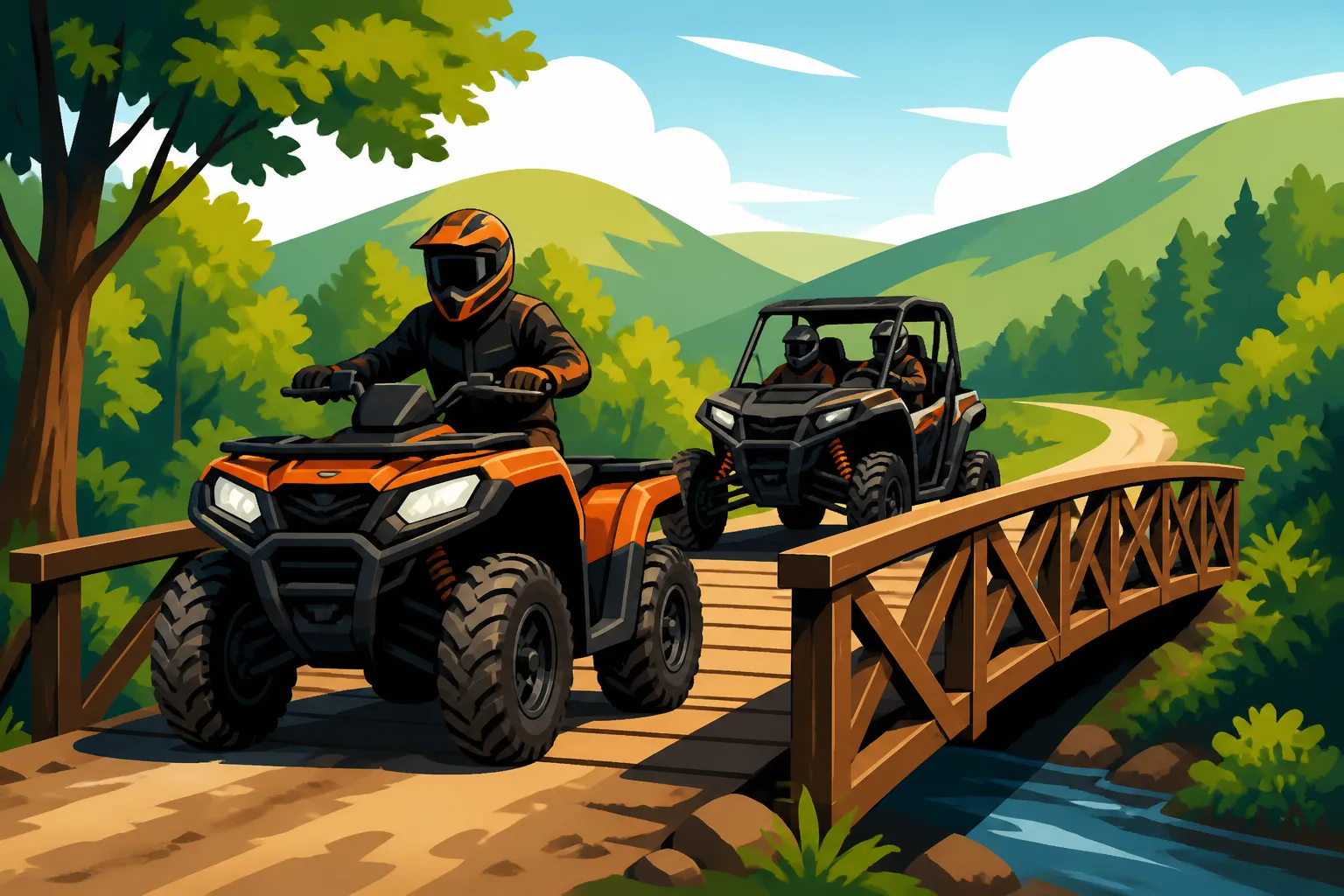
One of the primary concerns, especially on older or more remote county roads, is the condition and width of the bridge. Many of these designated roads are rural, unpaved, and might feature narrow, sometimes one-lane bridges. When you're driving a wide side-by-side or even an ATV, meeting oncoming traffic on such a bridge can be incredibly dangerous. [Meeting Traffic on a One-Lane Scott County Bridge] is a scenario many riders encounter, and it requires caution, good communication, and sometimes, backing up to let others pass. This isn't just about legality; it's about practical safety. Always approach bridges with reduced speed and be prepared to yield.
Tennessee law also places restrictions on how you operate your OHV on any public road, even designated ones. This includes adhering to posted speed limits – usually [Roads Posted Forty-Five or Less in Tennessee] – and using proper lighting if you're riding during certain hours. While the law generally permits you to cross a bridge on a designated road, it doesn't grant you immunity from traffic laws. So, if a bridge has specific weight limits or width restrictions, your OHV must comply. Most OHVs are well within standard vehicle weight limits for typical bridges, but it's always something to be mindful of. Ensure your machine, perhaps kitted out with heavy-duty upgrades from SuperATV, doesn't inadvertently exceed any lesser-known limits. You also need to ensure your vehicle is equipped with the necessary [Tennessee Equipment Rules for Road Use] for any street-legal travel.
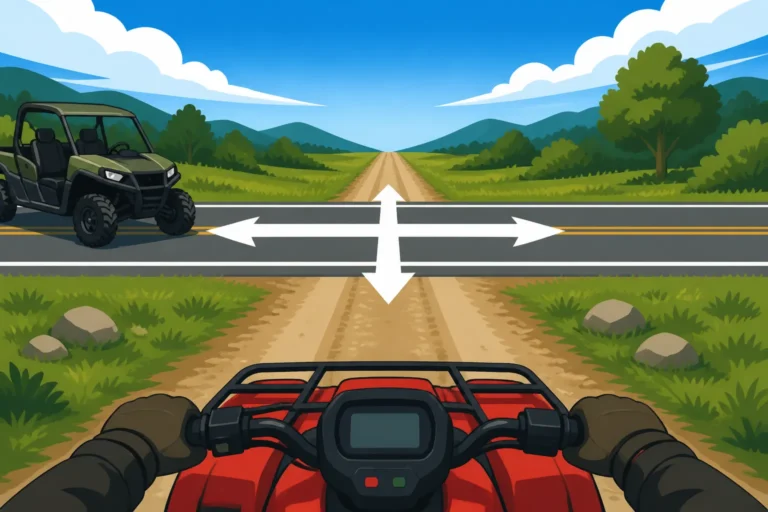
In some cases, especially where designated roads intersect or cross larger state routes, you might encounter different rules. While you might be allowed to cross a two-lane state highway at a ninety-degree angle to connect designated county roads, this is often a quick, direct crossing, not riding on the state highway itself or its bridges for any distance. [Crossing a Two-Lane at Ninety Degrees in Tennessee] is explicitly allowed under certain conditions, but riding parallel to traffic on a state highway bridge for extended periods is generally not. It's about connectivity, not general road use. Therefore, a bridge on a state highway that happens to intersect a designated county road might have different rules than a bridge purely on a designated county road. Always be aware of the road's classification.
Safety and Practical Considerations for Bridge Crossings
Even when it's perfectly legal to cross a bridge on your OHV, safety should always be your top priority. Bridges, by their very nature, present unique hazards that demand extra caution from riders. The surfaces can vary dramatically from the rest of the road, potentially becoming slick, especially after rain or during colder temperatures. Steel grates, wooden planks, or even just wet asphalt can reduce traction significantly, making sudden braking or steering dangerous. Imagine coming around a blind curve on a gravel road, suddenly hitting a wet, wooden bridge, and trying to stop – it’s a recipe for disaster. Always reduce your speed significantly before crossing any bridge, and be extra vigilant for changes in surface.
Visibility is another major concern. Many of the bridges on these rural, designated roads can be narrow, have blind approaches, or are hidden by vegetation. It's not uncommon to find a bridge on a designated road that's barely wider than a single vehicle, offering no room for error if you meet oncoming traffic. This is where defensive riding truly comes into play. Slow down, especially on approaches, and be prepared to stop. Consider turning on your headlights even in daylight to make yourself more visible to others. If you're riding in a group, communicate with hand signals or radios to ensure everyone is aware of the bridge ahead and any potential hazards. [Riding Only Between Sunrise and Sunset] is a common restriction for OHV road use, and visibility is a key reason for it.
Beyond the physical structure, environmental factors play a huge role. [Gravel Washed Onto a Cumberland Road] is a common issue, and this gravel can accumulate on bridge approaches or even on the bridge deck itself, creating loose surfaces that compromise traction. Always keep an eye out for debris, potholes, or structural damage, especially on older bridges. Heavy rains can also cause flooding around bridge abutments, making the approach unsafe or even impassable. It's always a good idea to check local conditions or trail reports before heading out, especially after severe weather.
Here's a quick checklist for safe bridge crossing on your OHV:
| Consideration | Action to Take |
|---|---|
| Legality | Confirm the road leading to the bridge is officially designated for OHV use. |
| Speed | Reduce speed significantly on approach and while crossing. |
| Surface | Be aware of potential traction changes (wet, metal grates, wooden planks, gravel). |
| Visibility | Watch for blind approaches; use headlights for increased visibility. |
| Oncoming Traffic | Be prepared to yield or stop on narrow, one-lane bridges. |
| Structure | Observe for any visible damage, debris, or width/weight restrictions. |
| Environmental | Check for washed-out approaches or standing water after rain. |
| Group Communication | Inform fellow riders of upcoming bridges and potential hazards. |
Enforcement and What to Expect on Tennessee Bridges
Even on designated OHV roads, you're still subject to enforcement by local law enforcement, including county sheriffs and Tennessee Wildlife Resources Agency (TWRA) officers. They are tasked with ensuring that riders are operating their machines legally and safely. Encountering an officer on a bridge, or on the approaches to one, isn't uncommon, especially in high-traffic recreation areas or during peak riding seasons. Many riders have concerns about what to expect during a roadside stop. [A Deputy at a Tennessee Roadside Stop] is a reality for many, and knowing your rights and responsibilities can make the encounter smooth.
Officers will typically be checking for a few key things. First and foremost, they'll verify that you are indeed on a lawfully designated OHV road. This goes back to our first point – if you're on a bridge that's part of a non-designated road, you could face fines for illegal road use, which can be a Class C Misdemeanor in Tennessee. They'll also check your machine for basic safety equipment required for road use, such as proper lighting, mirrors, and a working horn. While not all accessories are strictly mandated for designated road use, it's wise to ensure your OHV is equipped with basic road-ready features. Many riders opt for aftermarket accessories from companies like SuperATV to ensure their machines are well-equipped for whatever the trail, or the designated road, throws at them.
Beyond the machine itself, officers will verify that you, as the operator, are legally allowed to be driving on the road. This means checking for a valid driver's license – yes, even on designated OHV roads, you typically need one – and ensuring you meet the minimum age requirements for road operation, which is [Tennessee Minimum Age to Ride a Road]. Passengers also fall under certain regulations, particularly regarding helmets. [Tennessee Helmet Law for Passengers] specifies that anyone under 18 must wear an approved helmet when riding on a public road, and it's always a good idea for all riders to wear one for safety, regardless of age. If you're pulled over, having all your documentation, like your license and proof of any required [Tennessee UTV Insurance Requirement], readily accessible will certainly help the interaction proceed smoothly.
The goal of enforcement isn't to ruin your fun, but to ensure everyone's safety and protect the integrity of the designated road system. While it can be frustrating to be stopped, especially when you believe you're following all the rules, a polite and cooperative attitude goes a long way. If you receive a citation, understand that [Tennessee Fines for Illegal UTV Road Use] can be significant, and it’s important to address them properly. Knowing the specific rules for the bridges and roads you plan to traverse is your best defense against unexpected legal trouble. Always err on the side of caution, respect the rules, and you'll continue to enjoy Tennessee's incredible OHV opportunities.
Disclaimer
This article is for general informational purposes only and does not constitute professional advice. Laws, prices and regulations vary by location and change over time. Consult a qualified professional for guidance on your specific situation.