Tennessee Rules for Riding a Snow-Covered Road
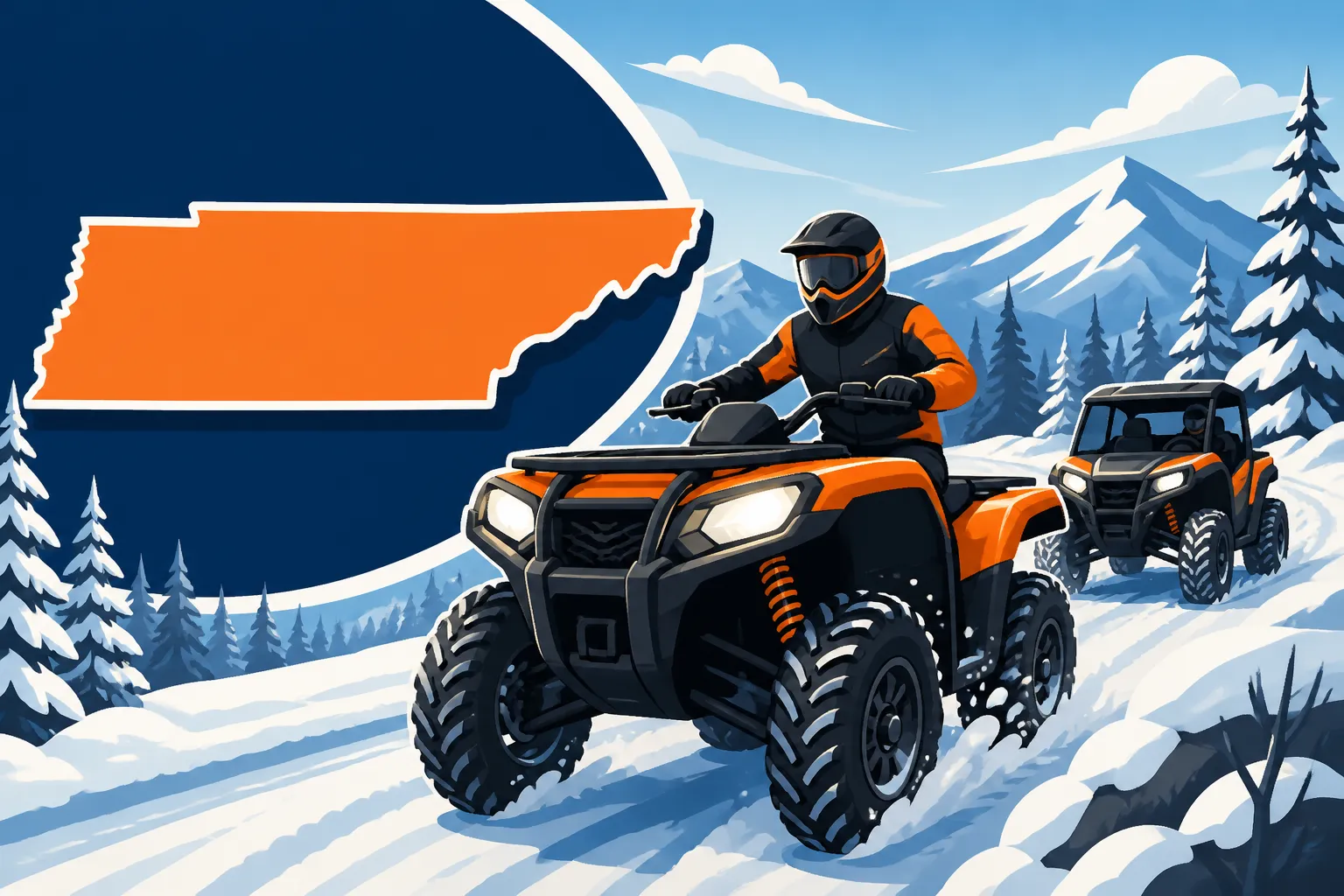
It's a beautiful sight, isn't it? A fresh blanket of snow transforming the familiar trails and backroads of Tennessee into a winter wonderland. For many of us, the first snowfall brings with it an irresistible urge to bundle up, fire up our ATVs or UTVs, and experience that unique thrill of navigating a snowy landscape. But before you pull on your warmest gear and head out, there’s a crucial question many riders grapple with: what exactly are the rules for riding a snow-covered road in Tennessee? It’s not as simple as just heading out; there are specific regulations and common-sense considerations you absolutely need to know to stay safe and legal. This guide will walk you through everything, from legal restrictions to essential safety tips, ensuring your winter rides are memorable for all the right reasons.
Understanding Tennessee's General Road Use Rules for OHVs
Before we even talk about snow, it's vital to have a solid grasp of Tennessee's general rules for riding Off-Highway Vehicles (OHVs) on public roads. The legal landscape for ATVs and UTVs on Tennessee roads has certainly evolved, especially with recent legislative changes like [What House Bill 810 Changed in 2025]. Many riders assume that because their machine is primarily for off-road use, the rules are lax when they briefly enter a public thoroughfare, but that's simply not true.
The Baseline: Where You Can and Can't Go
First off, Tennessee generally prohibits OHVs from interstates and multi-lane state highways. The law is very clear on this. You're primarily looking at county roads and certain designated state routes where speeds are 45 mph or less, and even then, often only during daylight hours. This is why you'll often hear discussions about [Tennessee Rules for Riding a County Road] versus [Tennessee Rules for Riding a State Highway]. It's a patchwork that requires local knowledge.
Furthermore, there are specific requirements for your machine itself if you plan to hit the pavement. Your ATV or UTV needs working headlights, taillights, brake lights, a horn, a rearview mirror, and a windshield if it's a UTV. And yes, [Tennessee Equipment Rules for Road Use] apply just as much to your UTV as they do to any other vehicle. These aren't just suggestions; they're legal mandates. Missing one of these can lead to a roadside stop, and nobody wants that when they're trying to enjoy a crisp winter ride.
Age, License, and Insurance Requirements
Beyond the machine itself, the operator has responsibilities. In Tennessee, if you're riding an OHV on a public road, you need to be at least 16 years old and possess a valid driver's license. This isn't just about showing you know how to drive; it's about being accountable as a licensed driver on a public way. On top of that, you absolutely must have liability insurance. Just like a car, your UTV needs [Tennessee UTV Insurance Requirement] coverage when it’s on a paved surface, even if it's only for a short hop to another trail system. And of course, the helmet law is a big one: [Tennessee Helmet Law for ATV Riders] dictates that operators and passengers under 18 must wear a helmet, and in many areas, adults are wise to wear one too, especially in unpredictable conditions.
Specific Challenges and Rules for Snow-Covered Roads
Now, let's layer on the snow. While Tennessee doesn't have a distinct set of laws solely for "snow-covered roads" for OHVs, the presence of snow introduces significant complications to the existing rules. It changes road conditions, affects visibility, and can even blur the lines of what constitutes an "open" road. The general principle is that if a road is open to the public, even when snow-covered, the standard OHV road-use laws still apply. However, the practicality and safety of riding on such roads change drastically.
Is a Snow-Covered Road Still a "Road"?
This might sound like a philosophical question, but it's important. From a legal standpoint, yes, a public road covered in snow is still considered a public road. This means all the restrictions – speed limits, daylight hours only, being barred from certain state highways – remain in effect. A fresh blanket of snow doesn't magically turn a state route into an off-road trail. You can't just assume that because no cars are on it, the rules are different. A law enforcement officer will still see it as a regulated thoroughfare.
The challenge, however, comes from varying plowing efforts. A well-plowed county road might feel different from one that hasn't seen a plow in days. Some communities, particularly in our mountainous regions, might not plow certain rural roads immediately, or at all, if they don't see heavy traffic. This is where personal judgment comes in, but remember, "unplowed" doesn't mean "unregulated." Always check local conditions and specific county designations, especially in adventure tourism districts like Scott, Anderson, and Campbell Counties where designated OHV roads may exist.
Visibility and Daylight Hours
Riding in snow often means reduced visibility. Snow flurries, fog, and the general dimness of winter days can make it harder for other (larger) vehicles to see you, and harder for you to see hazards. Tennessee's rule about riding during [Daylight Hours Only Under Tennessee Law] becomes even more critical. Attempting to navigate a snow-covered road near dusk or dawn, let alone after dark, is incredibly risky. Your machine's standard lights might be sufficient legally, but for practical safety in snowy conditions, consider adding auxiliary lighting. Products from brands like SuperATV offer a range of light bars and cubes that can dramatically improve your visibility and ability to see obstacles, making your ride much safer.
Traction, Speed, and Control
Snow and ice dramatically reduce traction. The legal speed limits, such as [Tennessee UTV Speed Limit on Roads] often posted at 35 mph or 45 mph, become maximums you should rarely approach. Even at low speeds, steering and braking become less predictable. This is where your machine's setup really matters.
Consider the following for riding on snow-covered roads:
- Tires: Your typical aggressive mud tires might actually be counterproductive in snow, digging down rather than floating over. Tires with sipes or more all-terrain patterns tend to offer better grip on packed snow or slush. Some riders even opt for studded tires in icy conditions, if permitted by local ordinances.
- Chains: For extreme conditions, tire chains might be an option, but ensure they are properly installed and won't damage your machine or the road surface. Always check local laws regarding chain use on public roads.
- Weight Distribution: If you're carrying passengers or cargo, be mindful of how it affects your machine's center of gravity and handling.
- Braking Distance: Your stopping distance will increase significantly on snow. Maintain extra space from other vehicles, even if they're few and far between.
Preparing Your OHV for Winter Road Conditions
Riding in the cold and snow puts extra strain on both you and your machine. Proper preparation isn't just about comfort; it's about safety and preventing breakdowns far from home. Think about all the elements—from the freezing air to slush and potential ice.
Machine Maintenance and Upgrades
Winter riding demands a bit more from your OHV.
- Fluids: Check all fluid levels – oil, coolant, brake fluid. Ensure your coolant has the proper antifreeze mixture for Tennessee's winter temperatures.
- Battery: Cold weather is tough on batteries. Make sure yours is fully charged and in good condition. A weak battery can leave you stranded.
- Winch: This is not just for pulling yourself out of mud. A winch can be invaluable for navigating deep snowdrifts or helping a friend who’s stuck. SuperATV, for instance, offers robust winch options that are essential for any serious off-roading, especially in challenging winter conditions.
- Plow: If you're hitting the roads to help clear your driveway or a neighbor's, a plow attachment can turn your UTV into a capable snow removal tool. Just be mindful of how the added weight and dynamics affect your driving.
- Enclosures/Heaters: For UTV riders, a full cab enclosure and an aftermarket heater can make a world of difference in comfort, allowing you to focus on the road rather than shivering.
Rider Gear and Safety Essentials
Your personal gear is just as important as your machine's readiness.
- Layers, Layers, Layers: Start with a moisture-wicking base layer, add insulating layers (fleece, down), and finish with a waterproof and windproof outer shell.
- Extremities: Your hands, feet, and head will get cold first. Invest in quality waterproof gloves or mitts, warm socks, and insulated, waterproof boots. And, as mentioned, a [Tennessee Helmet Law for Passengers] means everyone under 18 needs a helmet, and a full-face helmet or one with a good visor will protect your face from wind and snow, especially at speed.
- Visibility: In snowy conditions, it's easy to blend in. Wear bright colors, especially blaze orange, or reflective gear. This is crucial for being seen by snowplows or other vehicles, which might not expect an OHV on the road in winter.
- Emergency Kit: Always carry an emergency kit. This should include extra warm clothes, a first-aid kit, a flashlight, fire starter, a small shovel, a tow strap, and a fully charged cell phone (with a portable charger, as cold drains batteries faster). Non-perishable snacks and water are also a good idea.
Navigating the Legal Gray Areas and Local Ordinances
Even with the general state rules, snow-covered roads can bring out complexities, especially at the local level. What's permissible on a county road in one part of Tennessee might be viewed differently in another, particularly if road conditions are severe.
Local Discretion and Emergency Declarations
During heavy snowfall or blizzard conditions, local authorities (county sheriff, city police) might declare roads impassable or closed to all but emergency traffic. If a road is officially closed, even if it looks clear in spots, you absolutely cannot ride your OHV on it. Ignoring such a declaration could lead to a citation for a [Tennessee Fines for Illegal UTV Road Use] or even more serious consequences if you impede emergency operations. Always check local news and official county announcements during severe weather.
Even without an official closure, some local jurisdictions might have unwritten expectations or practices regarding OHV use during heavy snow. For example, if plows are actively working, they might not appreciate OHVs hindering their efforts. Be respectful and use common sense. If you encounter a plow, give them a wide berth.
Unpaved Roads and Gravel Roads
Many OHV riders in Tennessee spend most of their time on unpaved roads, gravel roads, or forest service roads. When these are snow-covered, they present a different set of challenges than paved surfaces. [Tennessee Rules for Riding a Gravel Road] still apply. On these roads, traction can be even more variable, oscillating between packed snow, slick ice, and hidden patches of mud underneath. The benefit, however, is often less traffic from standard vehicles.
Remember that certain unpaved roads might be specifically designated for OHV use within Adventure Tourism Districts, potentially offering a more consistent legal framework. However, snow doesn't change their status or the need for caution. And just because a path looks like a road doesn't mean it's legally open to OHVs, especially if it leads into private property without permission. Always verify your route.
Here's a quick comparison of general road conditions versus specific snow considerations for OHV riding in Tennessee:
| Aspect | General Road Conditions (TN OHV) | Snow-Covered Road Conditions (TN OHV) |
|---|---|---|
| Legality | Permitted on county roads, some state routes (≤45 mph). Daylight only. | Same legal restrictions apply. Road status (open/closed) is critical. |
| Visibility | Clear conditions, good sightlines. | Reduced due to snow, fog. Enhanced lighting crucial. |
| Traction | Good on paved/gravel surfaces. | Significantly reduced. Ice, packed snow, slush present varied grip. |
| Speed Limits | Up to 45 mph (max). | Legal limits remain, but practical safe speed is much lower. |
| Equipment | Headlights, taillights, brake lights, horn, mirror, windshield (UTV). | Above, plus: potential for chains/plows, winch highly recommended. |
| Rider Gear | Helmet (under 18), eye protection. | Helmet (under 18, recommended for all), warm layers, waterproof, high-vis. |
| Hazards | Traffic, potholes, animals. | Reduced traction, hidden obstacles (ice, rocks, ruts), low visibility. |
| Emergency Prep. | Basic tools, phone. | Comprehensive kit: warmth, recovery gear, food, advanced comms. |
When you're out there enjoying the unique experience of a winter ride, remember that safety is paramount. The allure of the pristine white landscape is undeniable, but the risks are higher. By understanding the existing Tennessee road use laws, preparing your machine and yourself for cold and slippery conditions, and respecting local regulations, you can have a fantastic and safe time exploring Tennessee's snowy backroads. Just be smart, be prepared, and enjoy the ride!
Disclaimer
This article is for general informational purposes only and does not constitute professional advice. Laws, prices and regulations vary by location and change over time. Consult a qualified professional for guidance on your specific situation.