Helmet Rules for Tennessee Riders
Navigating the world of ATV and UTV riding in Tennessee can feel like a maze, especially when it comes to understanding the rules and regulations. One of the most common points of confusion for riders, new and seasoned alike, revolves around helmets. You hear different things from different people – "you only need one if you're under 18," "it's only for road riding," or "it depends on the park." It's frustrating to just want to hit the trails or ride a designated county road without constantly worrying if you're breaking the law or putting yourself at unnecessary risk. This guide is here to untangle all those mixed messages and give you a clear, empathetic breakdown of Tennessee's helmet rules for ATV and UTV riders, helping you ride confidently and safely.
The Foundation: Tennessee's General Helmet Law Landscape
Tennessee, like many states, has a well-established history of helmet laws, particularly concerning motorcycles. This often forms the baseline understanding for many people when they think about powersports and protective headgear. However, what applies to a street-legal motorcycle doesn't always translate directly to an off-highway vehicle (OHV) like an ATV or UTV. It’s crucial to understand this foundational difference to avoid confusion and ensure you’re complying with the right rules for your machine.
General Helmet Requirements on Public Roads
When you consider public roads in Tennessee, the most prominent helmet laws typically pertain to motorcycles. For decades, Tennessee has mandated helmet use for all motorcycle operators and passengers, regardless of age, when riding on public streets and highways. This law is rooted in extensive research demonstrating the effectiveness of helmets in preventing serious injury and fatality in motorcycle accidents. The goal is to protect riders from the inherent dangers of two-wheeled travel in traffic.
Because this law is so pervasive and well-known, many people naturally assume that any motorized vehicle on a public road would fall under a similar umbrella. They see a side-by-side or a quad on a county road and think, "Well, if a motorcycle needs a helmet, surely that does too, right?" This intuition, while well-meaning, often leads to incorrect conclusions because OHVs, despite their motorized nature, are not motorcycles in the eyes of the law. The legal definitions and classifications are distinct, and those distinctions are what drive the different helmet requirements. For those operating a traditional road vehicle, non-compliance with these general helmet laws can result in significant fines, points on your license, and even vehicle impoundment, painting a picture of the seriousness with which the state views protective gear on public highways.
Why OHV Helmets Are a Different Ballgame
The primary reason ATV and UTV helmet laws differ from motorcycle laws in Tennessee lies in how these vehicles are categorized under state statutes. Motorcycles are designed for on-road use, registered as highway vehicles, and operate in a completely different traffic environment than most OHVs. ATVs and UTVs, on the other hand, are broadly classified as off-highway vehicles. This means their primary intended use is off public roads, on trails, private land, or designated recreational areas.
Even when Tennessee began to introduce legislation allowing OHVs on certain public roads, like those in [Adventure Tourism District] counties, the law didn't simply lump them in with motorcycles. Instead, it carved out specific provisions tailored to OHVs, acknowledging their unique characteristics, capabilities, and the different risk profiles associated with their use. This legislative nuance means that while helmets are absolutely critical for safety on any powersports vehicle, the legal mandate for their use on an ATV or UTV in Tennessee is not a blanket rule, and it varies significantly depending on where and who is riding. Understanding this distinction – that OHVs are not motorcycles – is the first step in clarifying Tennessee's helmet rules.
On-Road Helmet Requirements for OHVs in Tennessee
When it comes to taking your ATV or UTV onto a public road in Tennessee, things get specific, and age plays a huge role in helmet requirements. This is where most of the confusion for riders occurs because the rules aren't as straightforward as "everyone always wears one" or "no one ever wears one." It's all about who is operating the machine and how old they are.
The 16-Year-Old Rule for On-Road Operation
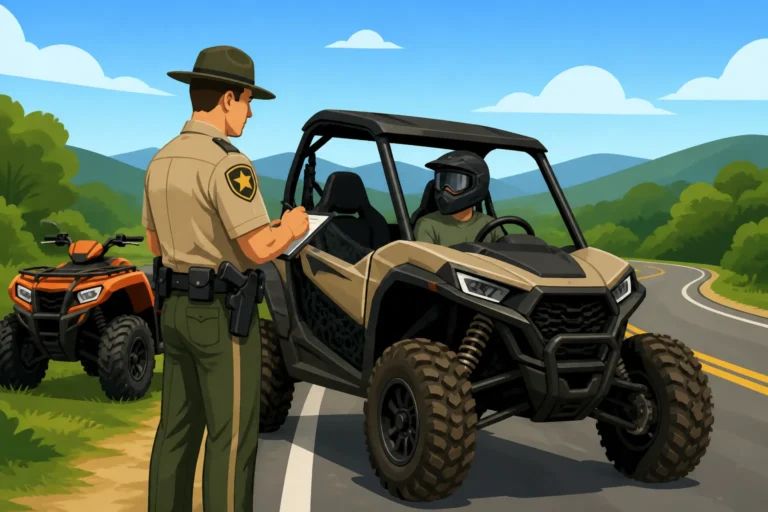
This is a critical piece of information for any ATV or UTV owner in Tennessee: if you, or anyone riding with you, is under the age of 16 and operating or riding as a passenger on an OHV on a public road, a helmet is legally mandated. This isn't just a suggestion; it's a firm requirement in the eyes of Tennessee law. This applies even on roads specifically designated for OHV use within certain counties, like those in designated Adventure Tourism Districts. The legislature recognized the increased vulnerability of younger riders and aimed to provide an extra layer of protection when these machines are introduced to shared public thoroughfares, however limited.
Think about it: a child or young teenager might not have the same reaction time, decision-making skills, or physical strength to handle an unexpected situation on an OHV, especially when interacting with other traffic. The consequences of a fall or collision for a developing skull are far more severe. Therefore, if your child is excited to ride their quad down a permitted [Tennessee Rules for Riding a County Road] or you're giving a younger relative a ride on your side-by-side on an approved street, ensure every person under 16 has a properly fitting, DOT-approved helmet securely fastened. Failing to do so not only puts them at severe risk but also opens you up to potential citations and legal trouble.
Age 16 and Up: What the Law Says for Public Roads
Now, if you're 16 years of age or older and operating or riding as a passenger on an OHV on a public road where such use is allowed in Tennessee, the state generally does not legally mandate helmet use. This might come as a surprise to some, especially given the strict motorcycle helmet laws. However, as discussed, OHVs are categorized differently. While the law grants this leniency for adult riders, it's absolutely crucial to understand that "not legally mandated" does not equate to "not necessary" or "not recommended."
Even for experienced adult riders, the risks associated with OHV operation on any surface, including roads, are significant. Unexpected potholes, gravel washouts, encounters with other vehicles, or even a sudden animal darting out can lead to a quick loss of control. A helmet can be the difference between a bump on the head and a life-altering brain injury. While the state might not force you to wear one if you're over 16, every safety expert, trail organization, and responsible rider will strongly advise you to wear a helmet every single time you swing a leg over an ATV or buckle into a UTV. Furthermore, it's always wise to check local ordinances. While state law offers this age-based distinction, individual counties or municipalities within Adventure Tourism Districts might have stricter rules for their designated OHV-friendly roads, or even for crossing state highways, as outlined in [Tennessee Rules for Crossing a Highway]. When in doubt, wear the helmet.
Specific Road Types and Helmet Nuances
While the 16-year-old rule is the most significant differentiator for helmet requirements on Tennessee roads, the type of road you're on can subtly influence expectations, even if it doesn't always change the legal mandate for adults. In areas designated as [Adventure Tourism Districts], for example, certain county roads are opened up for OHV use. These roads might see a higher volume of both OHVs and traditional traffic, creating a unique environment.
For instance, riding on a gravel county road deep in Scott County that's part of a designated OHV route is different from crossing a multi-lane state highway where [Tennessee Rules for Crossing a Highway] apply. While the core age-based helmet law remains, the increased traffic, speed differentials, and potential for unseen hazards on busier roads make the recommendation for a helmet even stronger for all riders. Some local areas might even post signage or issue strong recommendations for all ages to wear helmets on their designated roads, emphasizing a safety-first culture. Even if it's not a legal requirement for those 16 and over, understanding the context of the road—whether it's a quiet backroad or a more trafficked connector—should inform your personal safety choices. Equipment from companies like SuperATV, known for their focus on rider safety and protection, can complement helmet use by providing roll cages, harnesses, and other accessories that create a more secure riding environment, especially on varied road conditions.
Off-Road Helmet Requirements in Tennessee
The rules for helmets shift significantly once you leave the pavement and head into the trails, forests, or private lands that make up the vast majority of Tennessee's riding opportunities. Here, state law takes a more hands-off approach, but the influence of private property rules and managed recreational areas becomes paramount.
The Law's Silence on Private Land
Many riders, especially those new to the sport, are surprised to learn that Tennessee state law generally does not mandate helmet use for ATV or UTV riders on private property. This means if you're riding on your own land, a friend's farm (such as [A Quad That Only Works a Tennessee Farm]), or any other private property with permission, there isn't a state law compelling you or your passengers to wear a helmet, regardless of age. This stands in stark contrast to the on-road rules for youth riders.
However, this lack of a state mandate should absolutely not be misinterpreted as an endorsement for riding without a helmet. Riding off-road, whether on gentle trails or challenging terrain, comes with inherent risks: rollovers, collisions with trees or rocks, steep climbs, unexpected drops, and other hazards that can lead to head injuries. The legal freedom to ride without a helmet on private land places the full burden of responsibility on the rider and the landowner. While the state might not fine you, a serious injury could lead to devastating personal consequences and potential liability issues for the property owner. It's a critical distinction to understand: legal requirement versus absolute necessity for personal safety.
Park and WMA Rules: Where Helmets Become Mandatory Off-Road
While the state takes a step back on private land, many popular riding destinations in Tennessee, including private parks and Wildlife Management Areas (WMAs), step forward with their own stringent safety regulations. This is where [Tennessee Helmet Law Off-Road] truly comes into play for many riders. Places like Windrock Park, Brimstone Recreation, and Ride Royal Blue Resort all have policies that typically mandate helmets for all riders, regardless of age, when you're on their property.
These parks operate under their own liability and safety protocols. They understand the risks involved in off-road riding and have a vested interest in protecting their patrons. When you purchase a day pass or an annual permit – like those associated with a [Windrock Trail Permit Cost] or [Brimstone Recreation Permit Costs] – you are agreeing to abide by their specific rules, which almost universally include mandatory helmet use. These rules are usually clearly posted at entry points, outlined in waiver forms, and detailed on their websites. Ignoring these park-specific mandates can lead to immediate expulsion from the park, loss of your permit, and potentially even fines from park rangers or local law enforcement operating within the park's jurisdiction. Always check the specific rules of any park or WMA before you ride; what's allowed on your farm might not fly at a commercial trail system.
Youth Riders Off-Road: A Crucial Distinction
Even in the absence of a statewide mandate for all off-road riding, the safety of youth riders remains a paramount concern. While Tennessee law doesn't specifically require helmets for riders under 16 on private land, most responsible parents, guardians, and organized riding groups recognize the critical importance of head protection for children and teenagers. Furthermore, as noted, virtually all organized trail parks and WMAs that allow OHVs will mandate helmets for youth riders, and often for all riders, regardless of age.
Children and young adults are still developing their motor skills, judgment, and physical resilience. Their skulls are more vulnerable, and the long-term consequences of a head injury can be particularly severe during formative years. Therefore, whether the law specifically demands it or not, ensuring that a young rider has a properly fitting, DOT-approved helmet for any off-road activity is simply non-negotiable from a safety perspective. It sets a positive example, instills good safety habits, and provides essential protection against the unpredictable nature of trail riding. Aftermarket safety items like those offered by SuperATV, such as youth harnesses or smaller vehicle specific enhancements, can further support a safe environment for younger riders, complementing the crucial role of a helmet.
Exemptions and Special Cases
While the general rules cover most scenarios, there are a few specific situations in Tennessee where OHV helmet laws might differ due to the nature of the vehicle's use or the identity of the operator. These exemptions are usually narrow and very specific, meant to address particular circumstances rather than provide a broad loophole for recreational riders.
The Agricultural Exception
One of the most common exemptions for OHV regulations, including some aspects of road use and helmet requirements, pertains to machines used strictly for agricultural purposes. If an ATV or UTV is being operated on public roads or even on private land specifically for legitimate farm work – for example, checking fences, herding livestock, or carrying tools for field maintenance, as might be the case for [A Quad That Only Works a Tennessee Farm] – it might fall under an agricultural exemption.
This exception acknowledges that these machines are essential tools for farmers and that applying all recreational vehicle rules could hinder vital agricultural operations. However, it's crucial to understand that this exemption is not a blanket pass for anyone with a piece of property. The use must genuinely be for agricultural purposes. Taking your utility side-by-side to the store for groceries, even if you live on a farm, would likely not qualify. Similarly, using the farm quad for a joyride on a Sunday afternoon, even if it's on your own property, shifts its use from agricultural to recreational, potentially altering the applicability of certain rules. Always verify the specific conditions and limitations of any agricultural exemption with local authorities if you're unsure.
Emergency and Wildlife Personnel
Another area where helmet rules might differ involves emergency responders and official personnel operating OHVs as part of their duties. This can include law enforcement officers, search and rescue teams, fire department personnel, or wildlife officers (such as those described in [Why Wildlife Officers Are Exempt From the Helmet Rule]). These individuals often operate OHVs in challenging, time-sensitive situations where the primary goal is public safety or mission accomplishment.
In such scenarios, specific exemptions from general helmet mandates may be in place, allowing these professionals to carry out their tasks without obstruction. For example, a wildlife officer might need to quickly dismount their ATV to respond to a situation, and a helmet could be a hindrance. These exemptions are typically built into the statutes or agency policies, recognizing the unique operational demands and the professional training these individuals receive. It's important to stress that these are specific, job-related exemptions and do not apply to the general public or recreational riders. You cannot simply claim to be on an "emergency" to bypass a helmet law; these are narrowly defined for official use only.
Why Helmets Are Essential, Even When Not Required
While understanding the letter of the law is vital for compliance, embracing a safety mindset goes far beyond legal mandates. For ATV and UTV riders in Tennessee, wearing a helmet is, unequivocally, the single most important piece of protective gear, regardless of whether a law specifically tells you to put it on. The inherent risks of off-road riding demand this level of precaution.
The Unseen Dangers of Off-Road Riding
Off-road riding exposes you to a dynamic and often unpredictable environment. Unlike paved roads, trails are constantly changing – they can be littered with hidden rocks, roots, unexpected ruts, sudden drops, and sharp turns. A loose patch of gravel, a slick mud section after a rain, or a seemingly innocuous tree branch can instantly throw you off balance or cause your machine to lurch violently. Consider a scenario where you're navigating a tight, wooded trail. You hit a submerged log that you didn't see, and your ATV suddenly bucks, tossing you sideways. Or imagine you're on a long, winding dirt road, and an animal darts out, forcing an abrupt maneuver that leads to a rollover.
In these split-second incidents, your head is incredibly vulnerable. A direct impact with the ground, a tree, or even the roll cage of your UTV can result in severe concussions, skull fractures, or traumatic brain injuries. These aren't just minor bumps; they can lead to permanent disability, cognitive impairment, or worse. Even at seemingly low speeds, the forces involved in an impact can be immense. Your helmet acts as the first line of defense, absorbing and distributing that energy, protecting your brain from the sudden, violent deceleration that causes injury. Without it, you're leaving the most vital organ in your body completely exposed to the whims of the trail. For overall machine stability and control, aftermarket parts and accessories like those from SuperATV, such as upgraded suspension or wider stance kits, can enhance handling and potentially reduce the risk of rollovers, further contributing to a safer ride even when hitting those unexpected obstacles.
Types of Helmets for ATV/UTV Use
Choosing the right helmet is as important as choosing to wear one. Not all helmets are created equal, and different designs offer varying levels of protection. For ATV and UTV riding, several types are commonly seen:
- Motocross/Off-Road Helmets: These are perhaps the most popular choice for dedicated trail riders. They feature a distinct visor (to block sun and roost from other riders), an extended chin bar for face protection, and often have a more open eye port for goggles. They are typically lightweight and designed for ventilation, which is great for strenuous off-road activity. Their primary focus is impact absorption and protecting the face and jaw from direct hits.
- Full-Face Helmets: Similar to street motorcycle helmets, these offer comprehensive coverage for the entire head, including the chin and face, with a built-in visor. While they provide excellent protection, some off-road riders find them less ventilated or the visor less adaptable for dirt/goggle use compared to motocross helmets. However, for UTV riders, especially in colder weather, they can be a comfortable and protective option.
- Modular/Flip-Up Helmets: These helmets offer the convenience of an open-face design with the option to flip the chin bar down for full-face protection. While versatile, their modular mechanism can sometimes compromise overall structural integrity in extreme impacts compared to a true full-face or motocross helmet. They are generally less common for aggressive off-road riding but might appeal to some UTV enthusiasts who value convenience.
- Open-Face/3/4 Helmets: These cover the top, back, and sides of the head but leave the face exposed. While offering some protection, they lack any defense for the chin, jaw, or face, which are common impact areas in ATV/UTV accidents. They are generally not recommended for serious off-road riding due to this lack of comprehensive protection.
For maximum safety and peace of mind, a full-face or motocross-style helmet is highly recommended for all ATV and UTV riders. Always look for helmets certified by recognized safety standards like DOT (Department of Transportation), Snell, or ECE; these certifications ensure the helmet has met rigorous testing requirements for impact protection.
Proper Helmet Fit and Care
A helmet can only protect you if it fits correctly. A helmet that's too loose will shift around on impact, potentially exposing your head or even coming off. One that's too tight will be uncomfortable and distracting. When trying on a helmet, it should feel snug all around your head, without painful pressure points. The cheek pads should press firmly against your cheeks. When you try to move the helmet from side to side or up and down, your skin should move with it, not the helmet sliding independently. If the helmet can rotate freely on your head, it's too big.
Once you have the right fit, proper care is essential. Always secure the chin strap; a helmet is useless if it comes off during an accident. Clean your helmet regularly with mild soap and water, avoiding harsh chemicals that can degrade materials. Store it in a cool, dry place, away from direct sunlight or extreme temperatures. Most importantly, never use a helmet that has been involved in an impact. Even if there are no visible signs of damage, the internal foam and shell materials are designed to absorb and dissipate energy once. After an impact, their protective capabilities are compromised, and the helmet must be replaced. Similarly, helmets have a lifespan, typically around 5-7 years, even without an impact, as materials can degrade over time. Investing in a quality helmet and taking care of it is investing in your own safety and peace of mind.
Consequences of Non-Compliance
While Tennessee’s helmet laws for OHVs have nuances, failing to comply where they do apply—especially for youth riders on public roads or anyone within a park with mandatory helmet rules—can lead to a range of unpleasant and potentially severe consequences. These aren't just theoretical possibilities; they are real-world implications that can impact your wallet, your legal record, and your future.
Fines and Legal Penalties
If you or a passenger under 16 are caught riding an OHV on a public road in Tennessee without a helmet, you are in violation of state law. This can result in a citation, which typically carries a fine. While specific fine amounts can vary, they are certainly an unwelcome expense that could have been easily avoided by simply putting on a helmet. Beyond the financial penalty, a citation can mean a blot on your driving record, and depending on the severity or if there are other accompanying violations (like operating an OHV on a restricted road), it could even escalate to a misdemeanor charge.
Similarly, if you're riding in a private park or WMA that mandates helmets for all riders, failure to comply can lead to immediate consequences from park staff. This might mean being asked to leave the premises, having your trail permit revoked without a refund (even if it was a multi-day pass or an annual permit like [North Cumberland Annual Permit Cost]), or even receiving a citation from local law enforcement if they patrol the area. Nobody wants their riding day cut short, let alone to face [Tennessee Fines for Illegal UTV Road Use] or other legal repercussions, just because they skipped a crucial piece of safety gear.
Insurance Implications
Beyond legal penalties, failing to wear a helmet, even in situations where it's not strictly mandated by law for adults, can have serious repercussions for your insurance coverage in the event of an accident. Insurance companies are businesses, and they look at all factors when assessing claims, particularly for injuries. If you are involved in an ATV or UTV accident and sustain a head injury while not wearing a helmet, your insurance provider might argue that you contributed to the severity of your own injuries by not taking reasonable safety precautions.
This concept, often referred to as "contributory negligence" or "comparative fault," could lead to a reduction or even denial of medical claims or personal injury payouts. Even if the other party was at fault, or if it was a single-vehicle accident, your lack of a helmet could be used as leverage by the insurance company to minimize their payout. This isn't just about property damage; it's about potentially massive medical bills for head trauma that could easily run into hundreds of thousands of dollars. The few seconds it takes to put on a helmet are a small price to pay compared to the financial and physical devastation that could follow an unprotected head injury.
Personal Responsibility and Safety Culture
Ultimately, the most profound consequence of non-compliance isn't a fine or an insurance headache; it's the personal cost of injury or, tragically, death. Legal mandates are often considered a minimum standard of safety. However, for any powersports activity, fostering a strong culture of personal responsibility and prioritizing safety should always go above and beyond the letter of the law. Choosing to wear a helmet every time you ride, regardless of age or location, sets an invaluable example.
For parents, modeling safe behavior by always wearing a helmet yourself reinforces the message for your children. It teaches them that safety is not optional, but an integral part of responsible recreation. For groups of riders, establishing a norm where everyone gears up properly creates a supportive environment where safety is valued. By taking personal responsibility for your own safety, you contribute to a broader culture of awareness and caution within the riding community. This commitment not only protects you and your passengers but also enhances the reputation of ATV and UTV riding as a responsible and enjoyable outdoor activity.
Summary of Tennessee OHV Helmet Requirements
To help bring all these nuances into one clear picture, here's a quick overview of Tennessee's general helmet requirements for ATV and UTV riders:
| Riding Location/Scenario | Rider Age | Helmet Legally Required? | Notes |
|---|---|---|---|
| Public Roads | Under 16 | Yes | Mandated by state law for all operators and passengers on designated OHV roads. |
| Public Roads | 16 and Over | No | Not legally mandated by state law for operators or passengers, but strongly recommended. Local ordinances may vary or have stronger recommendations. |
| Private Property | Any Age | No | Not legally mandated by state law. Landowner may have specific rules. Personal responsibility is key. |
| Designated Parks/WMAs | Any Age | Yes (Generally) | Almost universally mandated by park/WMA rules for all riders, regardless of age (e.g., Windrock, Brimstone, North Cumberland WMA). Always check specific park rules. |
| Agricultural Use (Road/Farm) | Any Age | No (Generally) | OHVs used strictly for agricultural purposes are often exempt from many general regulations. Must be genuine agricultural use. |
| Emergency/Official Use | Any Age | No (Generally) | Specific exemptions for law enforcement, emergency, or wildlife personnel during official duties. Not applicable to general public. |
This table provides a snapshot, but remember to always consult the most current local and state regulations, and the specific rules of any park or WMA you plan to visit, as they can change.
Disclaimer
This article is for general informational purposes only and does not constitute professional advice. Laws, prices and regulations vary by location and change over time. Consult a qualified professional for guidance on your specific situation.