Do You Need a Title for an ATV in Tennessee?
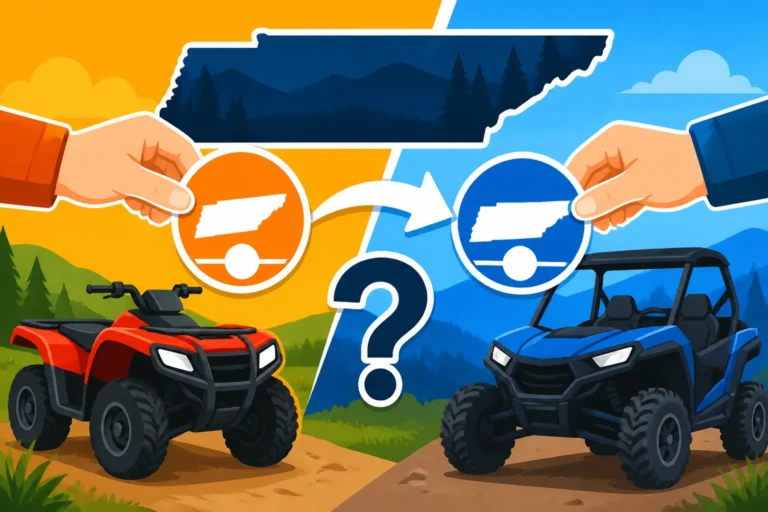
It's a common misconception among off-road enthusiasts here in Tennessee that because your ATV or UTV isn't meant for traditional street registration, it doesn't need an official title. This couldn't be further from the truth. Skipping the titling process can lead to significant headaches down the road, from proving ownership to legal snags if your machine is stolen or you decide to sell it. This guide will walk you through why a title is essential for your off-highway vehicle (OHV) in Tennessee, what the process entails, and how to avoid common pitfalls.
The Absolute Necessity of an OHV Title in Tennessee
Many riders, especially those new to the sport or moving from states with different regulations, often assume that an off-road machine, since it's not a car, doesn't require the same level of ownership documentation. This assumption can quickly land you in a difficult situation. In Tennessee, an official title for your ATV or UTV isn't just a suggestion; it's a legal requirement that serves as the bedrock of proving your ownership.
Think about it this way: without a title, your quad or side-by-side exists in a kind of legal limbo. While it might be a blast to ride on private land or designated trails, its legal identity is ambiguous. This becomes a real problem if, heaven forbid, your machine is stolen. How do you definitively prove to law enforcement that it's yours if you don't have the official state document of ownership? Recovering stolen property without a title is an uphill battle, often involving extensive paperwork and a prolonged headache. Furthermore, if you ever decide to sell your beloved machine, a potential buyer will, and should, insist on a clear, unencumbered title. Trying to sell an untitled ATV can drastically reduce its value and raise red flags for legitimate buyers who understand the importance of proper documentation. It signals a lack of clarity, or worse, potential underlying issues that could be avoided with proper titling. The title also plays a crucial role if you ever need to finance the purchase of an OHV, as lenders will require it as collateral.
Beyond personal ownership, Tennessee law explicitly requires titles for off-highway vehicles that meet certain definitions. These aren't just obscure rules; they are in place to prevent theft, ensure proper sales tax collection, and maintain a clear chain of ownership for all valuable property within the state. Ignoring this requirement isn't just an oversight; it can lead to fines and legal complications. The state views these machines as significant assets, and like any other substantial asset, they need formal documentation of who the rightful owner is. Without that piece of paper, you're essentially operating in the shadows, making everything from insurance claims to simple resale a much more complicated affair.
Decoding Tennessee's OHV Categories and What They Mean for Titling
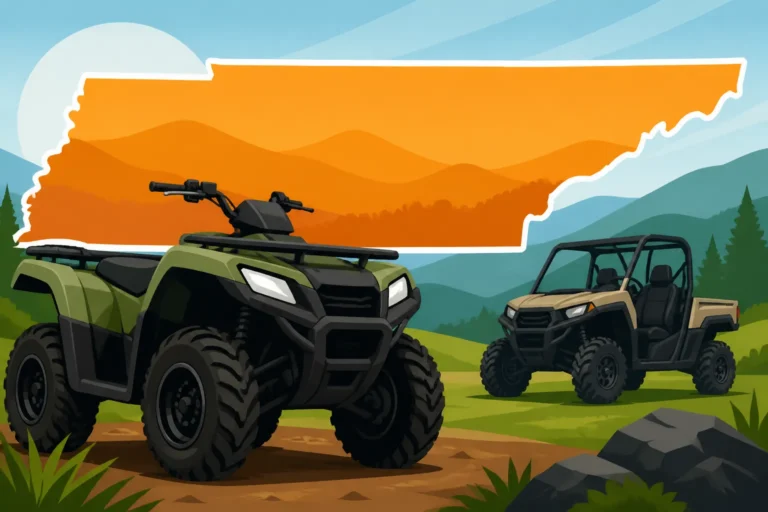
Tennessee has specific definitions for off-highway vehicles, and understanding these categories is crucial because they determine what needs to be titled. It’s not a one-size-fits-all approach, and knowing where your machine fits helps you navigate the state's requirements. The primary distinction is between Class I and Class II OHVs, each with its own set of characteristics that dictate its classification.
Understanding Class I OHVs
Class I Off-Highway Vehicles are typically what most people think of when they hear "ATV" or "quad." These are machines designed for off-road use, often ridden by a single operator, though some models allow for a passenger. The key defining features for [Tennessee's Class I OHV Definition] are that they are generally under 2,500 pounds and less than 80 inches wide. Think of your traditional four-wheeler that you take out to Windrock Park or Brimstone Recreation. These machines are built for agility and navigating tight trails, often with a high power-to-weight ratio. Their design emphasizes off-road performance over passenger comfort or cargo capacity.
For instance, a standard Honda Foreman or a Polaris Scrambler would fall squarely into the Class I category. These are the workhorses and recreational machines that you see tackling steep climbs and muddy trails across the state. Because they are designed for performance and maneuverability in off-road environments, they are subject to specific titling laws to ensure proper identification and ownership. If you've just picked up a new quad from a dealer in Crossville or bought a used one from a private seller in Scott County, it will almost certainly be a Class I OHV, and thus, a title is absolutely required. This classification helps the state regulate these common machines without inadvertently ensnaring larger or more specialized vehicles.
Understanding Class II OHVs
Class II Off-Highway Vehicles, on the other hand, encompass larger, often multi-passenger machines, most commonly UTVs or side-by-sides. These are generally built for a combination of utility and recreation, featuring steering wheels, bucket seats, and often a small bed or cargo area. The legal distinctions for [Tennessee's Class II OHV Definition] are machines that weigh more than 2,500 pounds or are more than 80 inches wide. This "either/or" condition means that many modern side-by-sides easily qualify as Class II, even if they don't hit both thresholds. Think about a popular Polaris RZR XP 1000 or a Can-Am Maverick X3; these machines are typically wider and heavier than a standard ATV, built for higher speeds, carrying multiple passengers, and often more rugged terrain or even mild utility tasks on a farm.
Another common example of a Class II OHV is a sand rail, often custom-built and designed for desert or dune environments, but also seen on Tennessee's larger open riding areas. These vehicles often exceed the weight and width limits of Class I due to their robust frames and specialized suspension. While a farmer using an older utility UTV on their land might think it's exempt from titling because of its agricultural use, the machine itself still falls under the Class II definition and therefore requires a title in Tennessee. The distinction is about the machine's characteristics, not its primary use. So, whether you're cruising the vast trails of Royal Blue in a four-seater side-by-side or using a heavy-duty UTV for farm chores in Maury County, if it fits the Class II criteria, it needs a title. Understanding these [Tennessee's Four Vehicle Categories] helps ensure you're compliant with state law right from the start.
Navigating the Tennessee OHV Titling Process
So, you've got your ATV or UTV, and you understand why a title is paramount. Now, how do you actually get one? The process in Tennessee is fairly straightforward, but it requires attention to detail and a visit to your local county clerk's office. This isn't a federal process; it's handled at the local level, much like titling a car or truck.
The Role of Your County Clerk
When it comes to [Titling an OHV in Tennessee], your first and most important stop will be your local County Clerk's office. These offices, found in every county across the state, are the official points of contact for vehicle titling and registration. Unlike some states that might have specialized off-road vehicle departments, Tennessee centralizes this function with the same folks who handle car titles. This means that whether you live in Shelby County, Knox County, or rural Pickett County, the process will largely be the same, administered by your county clerk. They are the gatekeepers, ensuring all documentation is correct and that the necessary fees are paid before a title is issued. Don't underestimate the importance of their role; they are there to help, but also to ensure compliance.
Before you even head out, it's a good idea to check your specific county clerk's website or give them a call. While the general requirements are statewide, some clerks might have slightly different office hours, preferred payment methods, or even specific forms they want you to use. It's always best to be prepared and confirm any unique local requirements. Remember, they deal with these transactions daily, so they can quickly answer any questions you might have about your specific situation. This proactive step can save you a wasted trip and unnecessary frustration.
Essential Paperwork and Fees for Titling
Gathering the correct paperwork is critical to a smooth titling process. You'll need several key documents to successfully title your ATV or UTV. If you're purchasing a brand-new machine, the dealer will provide you with a Manufacturer's Statement of Origin (MSO). This is like the birth certificate for your OHV and is absolutely essential for its first title. For a used machine, you'll need the original title, properly signed over to you by the previous owner. Ensure that the seller has completed all necessary sections for transfer, including odometer readings (if applicable, though often not for OHVs) and their signature.
Alongside the MSO or previous title, you’ll also need a bill of sale, especially for private transactions. This document details the sale price, date, and identifies both the buyer and seller, which is crucial for calculating sales tax. If you're unsure how to draft one, resources like LawDepot offer customizable bill of sale templates that can help ensure you have all the necessary legal protections and information for your [A Tennessee Bill of Sale for an OHV]. You’ll also need a valid photo ID, such as your driver's license, and payment for the various fees. These fees typically include the state title fee, a county clerk fee, and potentially a lien fee if you're financing your purchase. While specific amounts can vary over time, expect to pay a state title fee, plus additional charges from the county clerk for processing the transaction. The state title fee is a set amount, but the county clerk adds their own processing fee on top of that. If your purchase involves a loan, an additional lien fee will be applied to note the lender's interest on the title.
Here's a breakdown of common documents you'll need for titling:
| Document Name | Purpose | Important Notes |
|---|---|---|
| Manufacturer's Statement of Origin (MSO) | Proves initial ownership for a brand-new machine. | Obtained from the dealer. Essential for the very first title. |
| Previous Certificate of Title | Proof of ownership for a used machine. | Must be correctly signed over to you by the seller. Verify all sections are filled out. |
| Bill of Sale | Records the details of the sale, purchase price, and parties involved. | Crucial for private sales. Services like LawDepot can help you generate a comprehensive one. |
| Photo Identification | Verifies your identity as the applicant. | Driver's license, state-issued ID, or other government-issued photo ID. |
| Application for Certificate of Title | The official form requesting a new title in your name. | Available at your County Clerk's office or sometimes online. Fill out accurately. |
| Odometer Disclosure Statement (if applicable) | Declares the mileage at the time of sale. | Not always required for OHVs, but confirm with your clerk. |
| Lien Release (if applicable) | Proves any prior loans on the machine have been satisfied. | Needed if the previous title showed a lien. [Releasing a Lien on a Tennessee Title] is vital before selling. |
| Proof of Tennessee Residency | May be required to confirm you're a Tennessee resident. | Utility bill, lease agreement, or driver's license with a Tennessee address. |
Once you've submitted all the paperwork and paid the fees, the county clerk's office will process your application. You won't walk out with a physical title in hand immediately; it usually arrives in the mail within a few weeks. The clerk will, however, usually give you a temporary receipt or proof of application, which can be useful to carry with you until your official title arrives. It’s important to understand that [What a Tennessee OHV Title Costs] involves both state and county fees, so be prepared for these combined charges.
Common Titling Scenarios and How to Handle Them
Life isn't always as simple as buying a brand-new machine from a dealer. There are many scenarios where titling can become a bit more complex, from purchasing used machines to dealing with out-of-state purchases or even inherited vehicles. Knowing how to approach these situations can save you a lot of grief.
Buying a Used OHV in Tennessee
Buying a used ATV or UTV can be a great way to get into the sport without breaking the bank. However, it also introduces more variables when it comes to titling. The biggest piece of advice I can give you is: never buy a used OHV without a clear title in hand from the seller. If someone tells you they "lost the title" or "never got one," walk away. The hassle of trying to get a title for a machine with no prior title, or a missing one, can be immense and often isn't worth the perceived discount. A clear title proves legitimate ownership and ensures there are no outstanding liens or hidden issues.
When you purchase a used machine, the seller must properly sign over their existing title to you. This usually involves signing in designated areas, often witnessed, and sometimes requires a notary, depending on your county clerk's specific policies. Make sure the Vehicle Identification Number (VIN) on the title matches the VIN on the actual machine exactly. This simple step, [Checking a VIN Before a Tennessee Purchase], can prevent you from buying a stolen vehicle or one with incorrect paperwork. Additionally, a robust bill of sale is crucial, detailing the purchase price, date, and identifying information for both parties. This helps protect both the buyer and seller and serves as an official record of the transaction. Again, tools like LawDepot can be invaluable for creating a detailed and legally sound [Tennessee OHV Bill of Sale Requirements].
Buying an Out-of-State Machine for Tennessee
Bringing an ATV or UTV into Tennessee from another state comes with its own set of considerations. While the process is similar to titling a used machine bought locally, you'll need to understand how Tennessee handles titles from other jurisdictions. Many states have similar titling requirements, so if you're [Bringing a Machine From Georgia to Tennessee] or [Bringing a Machine From Kentucky to Tennessee], you'll likely receive a valid title that can be transferred. However, some states might have different naming conventions or even different rules for off-road vehicles.
The key is to bring the out-of-state title, signed over to you by the seller, along with your bill of sale and photo ID to your Tennessee County Clerk's office. The clerk will examine the out-of-state title to ensure its validity and that it's properly transferred. They'll then process it to issue a new Tennessee title in your name. Be aware that you will still owe Tennessee sales tax on the purchase price, even if you paid sales tax in another state, unless there's a reciprocal agreement or your previous state's tax rate meets Tennessee's. It’s always best to verify specific state-to-state reciprocity with your county clerk to avoid surprises. This ensures that even though you bought it elsewhere, your machine is properly documented under Tennessee law.
Titling an Inherited or Gifted Machine
Receiving an ATV or UTV as an inheritance or a gift is a wonderful gesture, but it still requires the proper titling procedures to transfer ownership into your name. For an inherited machine, you'll typically need a copy of the deceased owner's death certificate, the original title (if available), and documentation proving your right to the inheritance, such as a will or an affidavit of heirship. The process for [Titling an Inherited Machine in Tennessee] ensures that the machine legally transfers from the estate to you. This can sometimes be a more involved process, potentially requiring legal counsel to navigate estate laws, especially if there are multiple heirs or no clear will.
If the machine was a gift, the process is generally simpler but still requires the original title, signed over by the giver to you. While you might not have a bill of sale with a monetary value, it's a good idea to create a simple gift affidavit or statement indicating that the machine was given to you, as this can help clarify ownership for the county clerk and also helps avoid unexpected sales tax assessments. The county clerk will still need to process the title transfer to ensure the chain of ownership is clear and officially documented in your name. Even though no money changed hands, the state still requires formal recognition of the new owner.
Disclaimer
This article is for general informational purposes only and does not constitute professional advice. Laws, prices and regulations vary by location and change over time. Consult a qualified professional for guidance on your specific situation.