Windrock’s Professional Trail Guide
A Windrock ride can be more complicated than picking a trail and turning the key. The terrain, route choices, group pace, and changing conditions all affect the day. A professional trail guide can take some of that planning off your hands and help your group ride with more confidence. Here’s what guided riding at Windrock can involve, who it suits, and what to confirm before booking.
What a professional trail guide does at Windrock
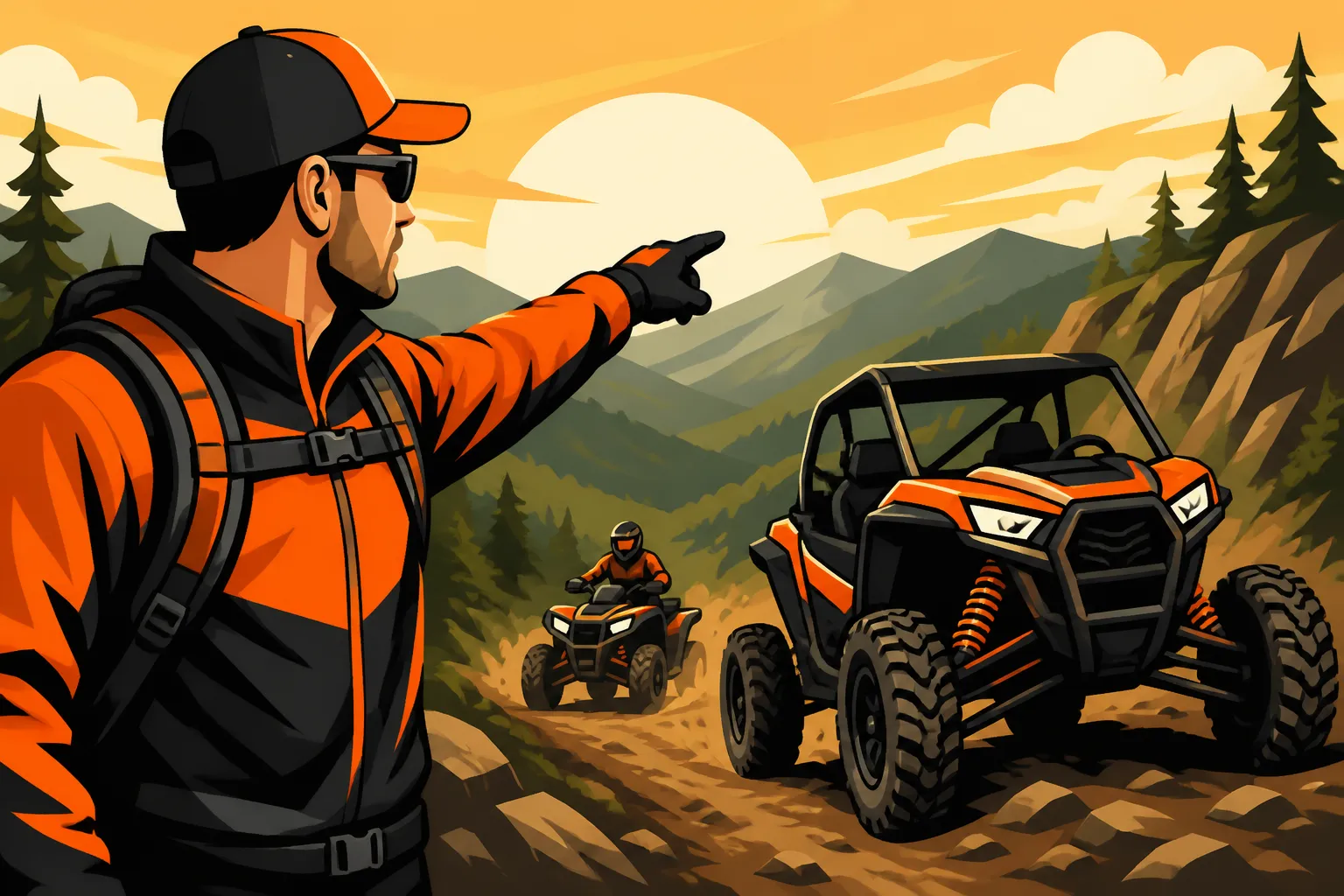
Windrock’s trails offer plenty of choices, and not every route is a good fit for every machine or rider. A guide helps turn a large trail system into a ride that makes sense for your group. Instead of spending the day trying to interpret a map at every junction, you can follow someone who knows how to plan and lead an outing.
A guide’s job is more than staying at the front of a line. Depending on the service and the group, guiding may involve:
- Discussing riders’ experience and expectations before setting out
- Choosing a route that matches the group’s ability and machines
- Explaining trail conditions and decision points as the ride progresses
- Keeping the group together and checking that everyone is accounted for
- Helping riders make sensible choices when terrain or conditions change
- Pointing out places to stop, regroup, or turn around
- Offering practical suggestions for riding unfamiliar terrain
A guide does not make every trail easy or remove the need for good judgment. Windrock is a large off-road riding area with varied terrain, so even a guided trip requires riders to follow instructions, ride within their abilities, and bring suitable gear. The guide can help with route decisions, but each rider remains responsible for operating their machine safely.
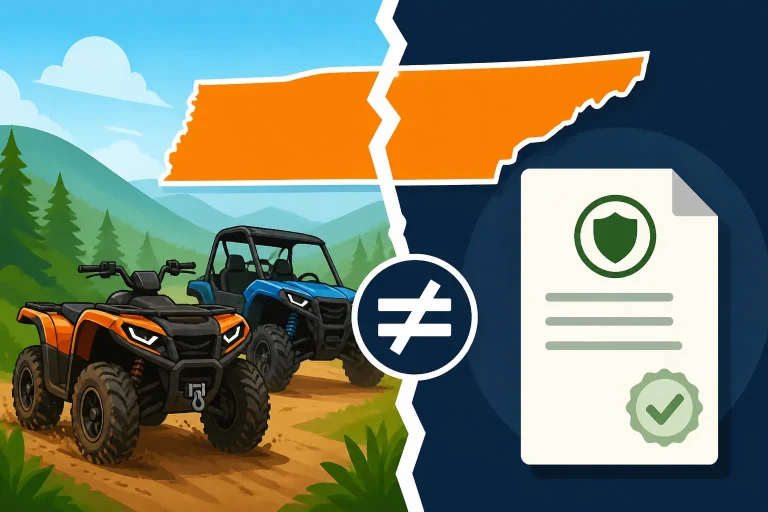
The service is also different from a rental. A rental supplies a vehicle under the provider’s rules; a guide leads a ride. Some bookings may be arranged with a rental, while others may expect you to bring your own machine. Confirm which arrangement applies before booking. If you are weighing those options, Renting at Windrock Park in Tennessee explains what to consider when renting at the park.
Guided rides can be useful for visitors who want to spend less time planning and more time riding. They can also help a group avoid choosing a route that is too demanding, too long, or poorly matched to the machines in the group. That does not mean a guide can promise a particular trail will be open or that every planned route will be possible. Trail conditions, closures, weather, and the group’s pace can all affect the ride.
Windrock’s guide service is described as having a limit of five vehicles per guide. Treat that as a planning detail to verify with the provider, not as a reason to assume every booking can accommodate five vehicles. Ask how the limit is counted, whether passengers affect it, and whether separate reservations can ride together. A smaller group can be easier to manage, especially when riders have different experience levels or machines.
Who is likely to benefit from a guided ride
A professional guide can be valuable for a first visit, but experience level alone does not determine whether a guided outing is worthwhile. The size and mix of the group, familiarity with the area, and the kind of day you want all matter.
First-time visitors
Windrock can feel overwhelming if you arrive without a clear plan. Even riders who are confident on their machines may not know which routes suit their group or how long a loop will take. A guide can reduce the guesswork and help make the day more organized.
A guided ride may be especially useful when your group has limited time. If you have only one day, a guide can help you avoid spending a large share of it comparing route options or backtracking after a wrong turn. You should still discuss the kind of riding you want and how long you expect to be out. A guide cannot guarantee a specific route or finish time, but a clear conversation gives the provider a better chance to plan appropriately.
Beginners and mixed-skill groups
A group with varied experience can be difficult to lead informally. More experienced riders may want to move quickly, while newer riders may need extra time to assess obstacles and stay comfortable. A guide can help set a shared pace and suggest routes that work for the group rather than just its most confident rider.
Be candid about your riding ability when you arrange the trip. Saying that you are “comfortable off-road” is less useful than explaining what you have actually ridden, what types of terrain make you uneasy, and whether you have experience with steep or rocky sections. Tell the guide about any passengers, young riders, or riders who may need more frequent stops. That information helps avoid a mismatch between expectations and the outing.
A guided outing is not automatically a beginner lesson. Ask whether the service is designed as a tour, a skills-focused experience, or simply a guided ride. If instruction is important to you, confirm how much coaching is included rather than assuming that a guide will provide formal training throughout the day. For more general trip planning, [Tennessee Tours for Beginners] offers related considerations for riders who are new to guided outings.
Families and groups with passengers
Families often need a different pace than a group of experienced adults. Stops, comfort, passenger needs, and the length of the ride can shape the day as much as the route. Tell the provider who will ride, whether anyone is a passenger, and whether anyone has limited experience.
If you are renting a side-by-side, confirm its seating arrangement and the rental provider’s rules for passengers. Do not assume that a vehicle can carry a particular number of people simply because seats are visible. A rental provider can explain approved capacity and any age or operator requirements. Windrock’s Yamaha RMAX Rentals in Tennessee is relevant if you are considering a rental machine rather than bringing your own.
For a family group, ask whether the guide can adjust the pace and whether there are practical options to shorten the ride if someone becomes tired or uncomfortable. Also ask what happens if the group’s ability varies more than expected. A realistic plan is more helpful than trying to keep up with a route that no longer suits the riders.
Experienced riders who want to focus on riding
Guides are not only for newcomers. Experienced riders may appreciate having someone else manage route choices, navigation, and group coordination. That can be especially helpful when the group includes several vehicles or when visitors are unfamiliar with the park.
A guide can also help prevent the common problem of a confident rider setting a pace that leaves others behind. If your group has a preferred riding style, talk about it early. A guided experience still needs a shared understanding of pace, stops, and how riders should respond if the group becomes separated.
A useful way to decide is to ask what you want to spend your attention on. If you enjoy studying maps, planning loops, and making navigation decisions, a self-guided day may suit you. If those tasks feel like a distraction, guided riding may be worth considering.
Planning a guided outing: questions to ask before you book
A good booking conversation helps you understand what the guide service includes and what remains your responsibility. Providers can have different schedules, equipment, policies, and expectations, so get the details directly from the company before making plans.
Confirm the schedule and availability
Windrock’s professional guide service is listed as operating on Tuesday through Friday. Do not assume that those days guarantee availability for your preferred date, or that the schedule cannot change. Ask the provider which dates are available, when the ride starts, how long it is expected to last, and whether arrival or check-in time is separate from the riding time.
If you are building a trip around a weekend, do not reserve lodging or transportation on the assumption that a guide will be available on a particular day. Confirm the guided ride first, then coordinate the rest of your plans. The page Windrock’s Tuesday to Friday Guide Days can help you understand why checking the operating schedule matters.
Ask what the booking includes
“Guided ride” can describe different arrangements. Before you pay or commit, ask whether the booking includes only the guide or also provides a machine, trail access, safety equipment, or anything else. If you are bringing a machine, confirm that it is appropriate for the planned ride and meets the provider’s requirements.
If a rental is part of the plan, ask who supplies it and which rules apply. Rental policies may cover driver qualifications, passenger use, deposits, damage responsibilities, fuel, late returns, and where the vehicle may be ridden. Those terms are separate from the guide’s route planning. For an overview of the questions to ask about coverage and rental protections, see Tennessee Rental Insurance Options.
Do not assume that the guide booking covers every park or trail charge. Windrock has its own permit arrangements, and a guided service may explain how to obtain the required access separately. Check current permit details with the park and the provider. Windrock’s Trail Permits and Buying a Windrock Permit at the Store can help you prepare, but the provider should confirm exactly what your booking includes.
Describe your group accurately
Share the number of vehicles, the number of riders and passengers, and the experience level of each operator. Mention whether anyone is new to the area, whether the machines have different capabilities, and whether someone may need a shorter or slower ride.
Ask how the five-vehicle-per-guide limit works for your group. If you have more than five vehicles, ask whether the provider can split the group, arrange multiple guides, or suggest another option. Do not assume a large party can simply follow a guide booked for a smaller group. The group limit affects the guide’s ability to communicate, keep riders together, and respond to problems.
For groups that are booking multiple rentals, ask whether all vehicles need to be reserved through the same provider and whether the guide can lead a mixed fleet. Those details can affect availability and the ride plan.
Talk through route preferences and limits
Tell the provider what you hope to get from the day. You might want an introductory ride, a scenic outing, a longer day on the trails, or a route that challenges more experienced riders. These are preferences, not guarantees. Weather, trail closures, safety considerations, and the group’s performance may require a change of plan.
Be direct about limits. If you are not comfortable with steep terrain, want frequent breaks, or need to be back at a specific time, say so before the ride. Ask what the guide does if conditions change or a rider wants to stop. A helpful answer should explain how the group will regroup and what options are available without promising that every plan can be maintained.
What to bring and how to ride well with a guide
A guided ride can reduce navigation work, but it does not replace preparation. You are still spending time outdoors on an off-road machine, and the right equipment and group habits make the trip safer and more comfortable.
Prepare your equipment
Ask the provider for its current gear requirements. At a minimum, plan to bring the protective equipment the park and provider require, along with weather-appropriate clothing. A helmet, eye protection, gloves, and sturdy footwear are sensible items for many off-road rides, but confirm the exact requirements for your booking and machine.
Bring water and any personal items you will need during the ride. Conditions can change, and a day that starts comfortably may become tiring if the group is out longer than expected. If you use medication or have a health consideration that could affect the ride, plan for it in advance and discuss relevant needs with the provider.
If you are bringing your own vehicle, check it before traveling to Windrock. Make sure it is mechanically sound, properly fueled, and equipped for the planned outing. A guide may be able to help you decide whether a route is appropriate, but a guide is not a substitute for vehicle maintenance or recovery equipment. If you need help planning your fuel range, Planning Fuel for a Long Windrock Loop is a useful related read.
Listen at the briefing and follow the group plan
Before setting out, pay attention to the guide’s instructions about the route, signals, spacing, regrouping, and what to do if you lose sight of the group. Ask questions before the ride begins. It is much easier to clarify expectations at the starting point than after the group is spread across a trail.
Stay at the pace the guide sets, leave appropriate space between machines, and avoid passing unless the guide says it is safe and allowed. If you need to slow down, stop, or turn back, communicate rather than trying to quietly catch up or taking an unplanned route. Group riding works best when the guide knows where everyone is.
Do not pressure another rider to take an obstacle they are not comfortable with. A guide can help the group choose a route, but riders need to be honest about their limits. If a section feels beyond your ability, say so and follow the guide’s directions for the safest available option.
Bring a map and understand the backup plan
A guide is the primary leader on a guided trip, but riders should still understand basic orientation and have access to the information the provider recommends. Ask whether you should carry a map, whether phones are useful on the route, and what the group should do if separated. Do not rely on a phone signal being available everywhere.
A paper or downloaded map can be useful for context, but it does not replace the guide’s directions or current trail information. Windrock’s route conditions can change, so use the provider’s current instructions and notices. Tennessee Trail Maps Worth Carrying explains why map preparation matters even when you have help with navigation.
Guided ride or self-guided day: choosing the right fit
A guided ride is not automatically the best choice for every visitor. The right option depends on how much planning you want to do, your familiarity with Windrock, and what your group expects from the outing.
| Consideration | Guided ride | Self-guided ride |
|---|---|---|
| Route planning | The guide helps select and lead a route | Your group chooses and manages its own route |
| Local familiarity | Useful if the group does not know Windrock | Requires preparation and comfort with navigation |
| Group coordination | The guide provides a central point of leadership | A member of your group must take that role |
| Flexibility | Route may change to match conditions and the group | You can make your own choices, within park rules and conditions |
| Best fit | Visitors who want support with route choices and group flow | Riders who enjoy planning and are comfortable managing their day |
| Important limitation | The guide cannot guarantee a specific trail or condition | You are responsible for navigation and decisions |
A guided trip is often a practical choice for a first visit, a mixed-experience group, or a short stay when you would rather not spend much of the day planning. It can also help a larger party keep a common pace, as long as the group meets the guide service’s limits.
Self-guided riding may suit a group that knows the area, enjoys navigation, and has someone confident in managing the route and pace. It can offer more freedom to adjust plans, but that freedom comes with more responsibility. Riders need to understand the park’s access requirements, current trail information, and the capabilities of their machines.
There is also a middle ground: use a guide for an introductory outing, then decide whether your group is comfortable planning another day independently. If you choose that approach, do not assume that knowing one route means you know the entire trail system. Keep checking current information and stay within your group’s ability.
The most important comparison is not simply “guided versus unguided.” It is whether the people in your group have the time, experience, and confidence to plan and manage the ride they want. A guide can make the day more straightforward, but a well-prepared self-guided group may also have a good outing.
Frequently Asked Questions
Is Windrock’s professional guide service right for a first-time visitor?
It can be a helpful option if you want support with route choices and group coordination. Tell the provider that it is your first visit and describe your riding experience so the plan can match your group.
How many vehicles can one guide lead?
Windrock’s guide service is listed with a limit of five vehicles per guide. Confirm the current limit and how the provider counts vehicles, riders, and passengers when you book.
Does a guide booking include a rental machine or trail permit?
Do not assume that it does. Ask the provider what is included, and confirm current Windrock permit requirements separately before your ride.
When are guided rides available?
The guide service is listed for Tuesday through Friday, but availability can vary. Confirm the schedule and your preferred date directly with the provider before arranging the rest of your trip.
Disclaimer
This article is for general informational purposes only and does not constitute professional advice. Laws, prices and regulations vary by location and change over time. Consult a qualified professional for guidance on your specific situation.