Why a Tennessee Passenger Needs a Brimstone Permit
A passenger climbing into a side-by-side at Brimstone Recreation may assume the driver’s permit covers everyone in the vehicle. That assumption can lead to a frustrating stop before the ride begins. This guide explains why passengers need their own Brimstone permit, how that differs from a vehicle-based charge, and what to check before you head toward the trails near Huntsville.
Why Brimstone requires a permit for passengers
The permit is tied to the rider, not just the machine
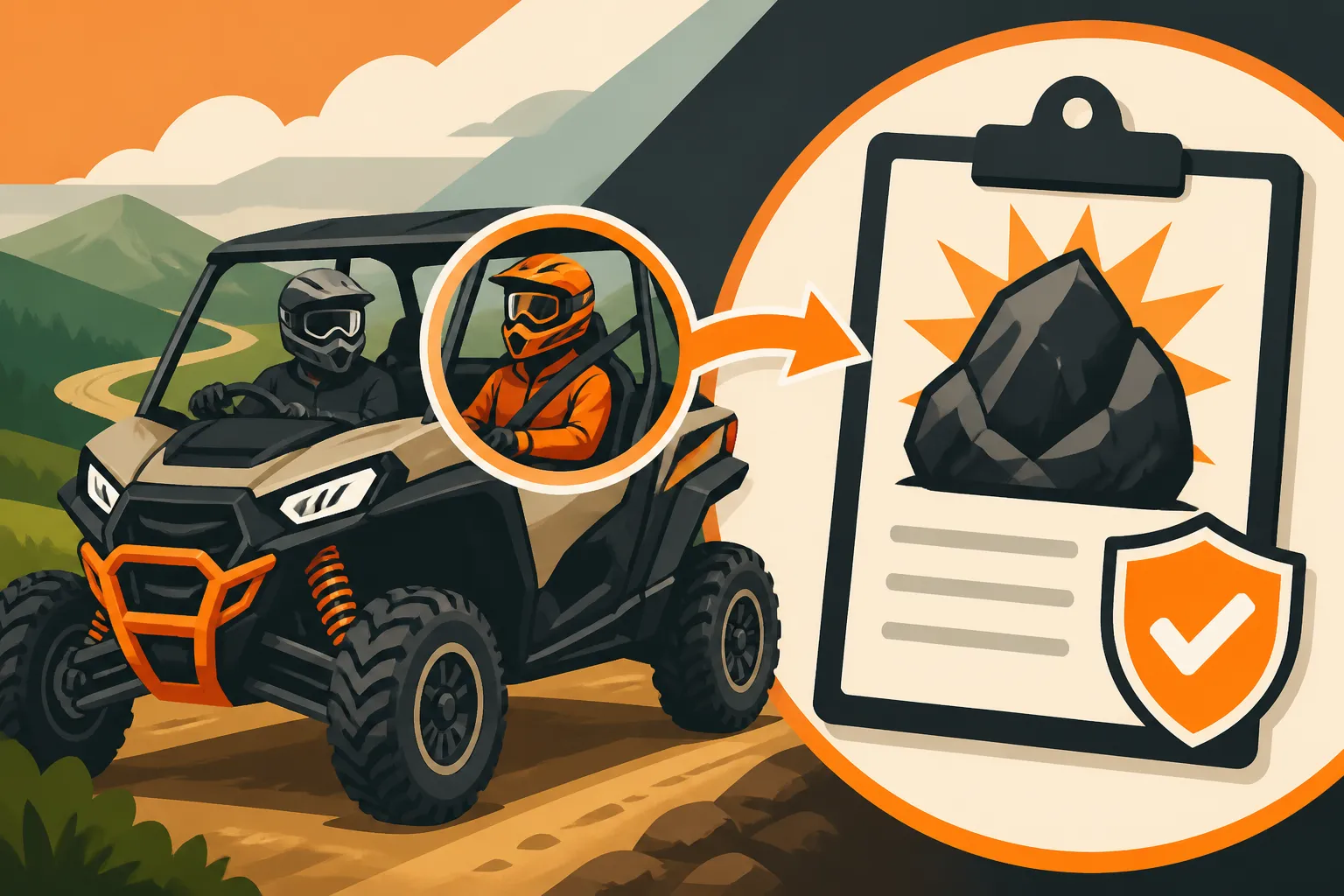
A Brimstone permit is a land-use permit: it covers a person’s authorization to ride on the property under the park’s rules. It is not simply a pass attached to the ATV or UTV. That distinction is why the driver’s permit should not be treated as permission for every person riding along.
Picture two people sharing one side-by-side. The driver may have completed the permit step, but the passenger is still another person using Brimstone’s trails. The passenger needs the required permit as well. The same principle matters when friends swap seats during a trip: riding as a passenger is still riding at the park, even when someone else controls the machine.
This per-person approach is worth understanding before arrival because “we’re in one vehicle” can sound like a reasonable shortcut. It does not answer the permit question, though. Check [Brimstone's Land Use Permits] and [Paying for a Passenger at Brimstone] before you load up, and make sure every rider in your group is accounted for.
A passenger is part of the riding group even when not driving
Passengers take part in the trail experience and are exposed to many of the same conditions as the operator: uneven ground, mud, rocks, steep climbs, and changing weather. They also need to understand and follow park rules. A passenger may not be steering, but they are not merely accompanying the driver as they would in a car on a public road.
This can catch families and groups off guard. Someone may plan the trip, reserve a vehicle, and arrange the trailer while assuming the person in the second seat needs no separate authorization. It is easier to resolve that question before leaving home than at the park entrance, especially if the group is trying to start a ride on a schedule.
Treat each person who will ride as an individual permit question. If a child, friend, or family member will be in the machine, include them in the permit check rather than counting only the vehicle or the driver. Park procedures can differ from one riding area to another, so don’t assume that a permit used at another Tennessee destination automatically answers Brimstone’s requirements.
What a Brimstone permit does and does not cover
A park permit is different from a vehicle charge
A permit that applies to an individual does not necessarily cover every expense associated with a riding trip. Depending on how you visit, there may be separate costs or conditions related to vehicle use, rental arrangements, a passenger, or other park services. The important point is not to infer that one payment covers every part of the outing.
Before paying, read the permit options closely and identify what each one applies to. Is it issued to a named rider? Does it apply to the planned visit period? Does it cover the passenger as well as the operator? Those practical questions help prevent the common mix-up between “one vehicle” and “one permitted person.” For a clearer comparison of available permit types, review [Brimstone's Daily and Annual Permits].
A quick way to organize the decision is to make a list of the people who will ride and then check the park’s current instructions for each person. If your group includes a driver, an adult passenger, and a young rider, do not stop at confirming the driver’s paperwork. Confirm how each person is covered before setting off.
| Situation | What to check |
|---|---|
| One driver in one ATV or UTV | The driver’s required Brimstone permit and any other park requirements |
| Driver and passenger in one machine | A permit for each person who will ride |
| Several machines in a group | Each rider’s permit, not just the lead driver’s |
| A child riding as a passenger | The child’s permit requirements and any age-related rules |
| A rented machine | Park permit requirements separately from the rental company’s terms |
| A permit from another riding area | Whether it is valid at Brimstone; do not assume it transfers |
A Brimstone permit is not a statewide trail pass
Tennessee riding involves different kinds of land and different access systems. A permit for Brimstone is not automatically a statewide authorization, and it should not be confused with a permit for a public wildlife management area or another private riding park. A rider who plans to visit more than one location should check each place separately.
For example, a group could spend one day at Brimstone and plan another ride on a North Cumberland Wildlife Management Area trail. Those are not interchangeable permit settings. The rules, access arrangements, and permit process can differ. A Brimstone permit does not establish permission to ride everywhere else in Tennessee, and a permit for another area should not be assumed to cover Brimstone. See [Why One Park's Permit Is Worthless at the Next] before treating one pass as a multi-park solution.
This distinction is especially helpful when a trip itinerary includes travel through several East Tennessee communities or trail systems. A map may make two riding areas look close together, but proximity does not make their permits interchangeable. Use a separate checklist for each destination, and verify that the person riding has the right authorization for that specific property.
Planning permits for children and mixed-age groups
Check the rules for every young rider
Families often have a more complicated permit question than groups of adults. A child might ride as a passenger, operate a youth machine, or switch between the two during a visit. Those are different situations to discuss with the park when checking eligibility, supervision expectations, and permit requirements.
Do not assume a child is covered because a parent has a permit or because the child is not driving. The passenger still needs to be included in the permit plan. If the child may operate a machine, check the park’s age and operating rules as well, and confirm that the machine is appropriate for the rider. For age-related permit information, review [Brimstone's Rate for Riders Seventeen and Under].
It helps to make the family plan concrete before arriving: list each rider, note who will operate each machine, and identify any child who may ride in more than one role. Then check the park’s instructions for each person. This prevents a rushed conversation at the entrance from becoming the first time the family has considered whether a young passenger is included.
Consider waivers and supervision as separate checks
A permit and a waiver are not necessarily the same thing. A permit addresses access under the park’s use rules; a waiver may address the park’s required acknowledgments and paperwork. Completing one step should not lead you to assume that every other requirement is finished.
For a minor, the park may have a process involving a parent or legal guardian. Check who must be present, who must sign, and whether the paperwork needs to be completed before the ride starts. If your group is meeting at Brimstone’s Baker Highway area, sort out these questions before the drive so that the responsible adult is available when needed. [Signing a Waiver at the Brimstone Office] is a useful related topic to check.
This preparation is particularly important when children are riding with relatives or family friends rather than with a parent. The adult who is physically present may not automatically be the person authorized to complete every required form. Confirm the park’s instructions ahead of time instead of relying on assumptions about how another resort handles minors.
How to get the group ready before leaving
Make a rider-by-rider checklist
The easiest way to avoid a missed passenger permit is to count people, not vehicles. Start with everyone who might ride, including anyone who expects to switch from driver to passenger. Then check the permit status for each person and note any age-specific requirements, waiver steps, or other instructions.
A simple checklist can include:
- Write down the name of every person who may ride.
- Mark whether each person expects to operate a machine, ride as a passenger, or do both.
- Check the park’s current permit instructions for each rider.
- Confirm requirements for minors and any paperwork a parent or guardian must complete.
- Review rental terms separately if a machine is being rented.
- Keep the confirmation or other proof accessible during the visit.
This small bit of planning is useful for groups who are coordinating several vehicles. One person can manage the logistics, but each rider should know their own permit status. That way, a passenger who arrives separately or changes machines is not accidentally left out of the plan.
Check park instructions before your trip
Permit details and park procedures can change, so use Brimstone’s current information when planning. Confirm what applies to your visit, how permits are obtained, and whether the park has specific instructions for passengers or younger riders. If anything is unclear, contact the park before departure rather than relying on a friend’s recollection from a previous season.
If your route or ride plan depends on a map, use a trail resource to help orient the group, but keep navigation and access authorization separate. onX Offroad can help riders review off-road mapping and plan where they intend to travel; it does not replace Brimstone’s permit process or establish permission to ride on land. Check the park’s own access rules for the area you plan to visit.
That distinction matters when a trail line on an app seems to connect with a road or another riding area. A mapped route is not proof that a gate is open or that a particular permit applies. Before riding, confirm the route is allowed, follow posted signs, and make sure every person in the vehicle is properly covered.
Common passenger-permit mistakes to avoid
Assuming one permit covers the whole vehicle
The most common mistake is counting machines instead of riders. A group may have one UTV and two people, then treat the driver’s permit as sufficient because the passenger is not operating the vehicle. That misses the basic per-person nature of the Brimstone permit requirement.
A second version of the same mistake happens when the driver has an annual permit and assumes the passenger is included. A permit type or duration does not automatically turn an individual permit into a vehicle-wide pass. Check the conditions attached to each permit and verify coverage for everyone who will ride.
If someone joins the group after the permits have been arranged, update the checklist. It is easy to overlook a passenger who was not part of the original plan, particularly when the person is borrowing a seat in a friend’s machine. Treat the change as a new rider-permit check, not as a minor detail.
Treating a rental or another park’s permit as a substitute
Renting a machine can add another layer of paperwork, but a rental agreement should not be assumed to include every park requirement. The rental company may explain what is included, while Brimstone’s rules determine what is required for riding on its property. Ask both sides clearly: what does the rental provide, and what must each rider obtain from the park? See [Tennessee Rules for Riding a Rented Machine] for a related distinction.
Similarly, a permit from a different park or public riding area should not be treated as valid at Brimstone without confirmation. Keep the destination-specific permit check in place even if your group rides regularly elsewhere. onX Offroad can help you organize routes and understand the riding area you are planning to explore, but access permission still comes from the land manager’s requirements.
If the group is visiting multiple places, write the destination beside each person’s permit information. That simple detail helps avoid mixing up a Brimstone requirement with a different park’s pass, particularly when the trip includes several days of riding and more than one access system.
Leaving the passenger question until arrival
It is tempting to settle the details at the gate, but that can create unnecessary stress for the driver, passenger, and everyone waiting to begin the ride. A passenger may need to complete a separate permit step, and minors may have additional paperwork or supervision requirements. Discovering that in the moment can delay the group and leave someone unsure whether they can ride.
Instead, confirm the permit question while planning the trip, then check again shortly before departure. Keep the park’s instructions handy and make sure the passenger understands that their permit is separate from the operator’s. When everyone arrives prepared, the group can focus on the ride rather than trying to sort out coverage after unloading.
For a Brimstone trip, the practical rule is straightforward: count each person who will ride, including passengers, and verify that each one has the required permit. Check the park’s current instructions for permit options, minors, and any separate forms before you go. That small step can prevent a preventable interruption and help your group start the day with the right expectations.
Disclaimer
This article is for general informational purposes only and does not constitute professional advice. Laws, prices and regulations vary by location and change over time. Consult a qualified professional for guidance on your specific situation.