Buying a Used OHV in Tennessee
Buying a used ATV or UTV in Tennessee can feel like navigating a winding backroad without a map. There’s the thrill of the hunt for the perfect machine, but it often comes with the anxiety of making sure all the paperwork is right, avoiding hidden problems, and understanding the specific rules here in the Volunteer State. This guide is designed to cut through that confusion, walking you through every crucial step to ensure your used OHV purchase is smooth, legal, and ready for adventure.
Why the Title and TDR Sticker are Paramount
Let's be honest, when you're caught up in the excitement of finding a great deal on a used quad or side-by-side, the last thing you want to think about is paperwork. But in Tennessee, a machine's title and its accompanying TDR (Tennessee Department of Revenue) sticker are absolutely non-negotiable. Without them, you're looking at a world of headaches, potential fines, and a machine you can't legally prove you own. It's not just a formality; it's the very foundation of your ownership.
Understanding Tennessee's Titling Requirements for OHVs
Unlike some other states where certain off-highway vehicles might only need a registration for trail use, Tennessee has a pretty clear stance: most ATVs and UTVs are considered "off-highway vehicles" (OHVs) and require a title. This title is your official proof of ownership, issued by the state. Think of it like the deed to your house or the title to your car – it's the legal document that says, "This machine belongs to me." If the seller doesn't have a clean, clear Tennessee title in their name, or if they have a title from another state that hasn't been properly transferred to Tennessee, you're going to hit a roadblock when you try to make it yours. It's paramount to ensure the title matches the seller's name and that it's physically present and ready to be signed over. Without it, you're essentially buying a machine that, in the eyes of the state, doesn't legally exist for transfer. If you're curious about the process, you can find more details in [Titling an OHV in Tennessee].
When you go to the county clerk's office, they'll be looking for that original title document. A photocopy or a vague promise that "it's in the mail" simply won't cut it. This is where many private sales run into trouble, especially if the seller was lax about their own titling process when they first acquired the machine. Always insist on seeing the physical title before any money changes hands. It's the only way to be absolutely sure that the machine you're about to buy can actually become legally yours.
The Importance of the Tennessee TDR Sticker
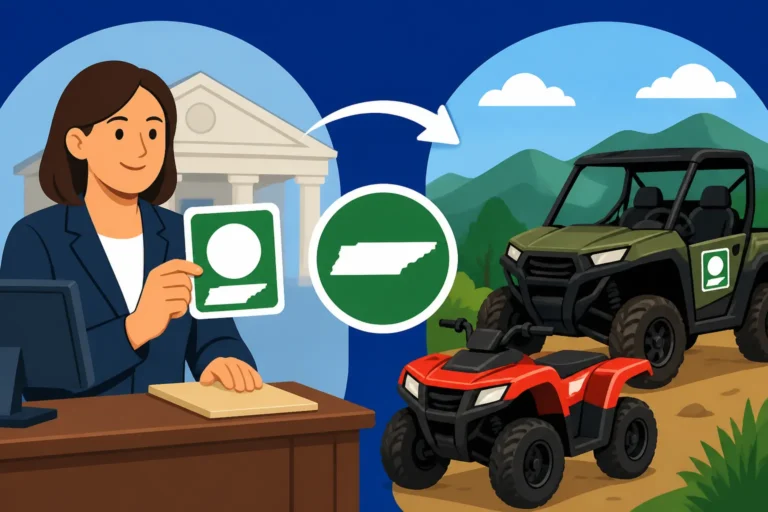
Now, what about that mysterious TDR sticker? This isn't just some fancy decal; it's a vital part of Tennessee's OHV system. The TDR sticker is a physical, adhesive sticker that is applied directly to the OHV, usually on the frame. It serves as visual proof that the machine has a valid Tennessee title on file with the Department of Revenue. While it's often mistaken for a registration or a park permit, its primary function is to confirm the machine's titled status. Think of it as a small, powerful beacon affirming legal ownership.
The critical thing to understand about the TDR sticker is its non-transferable and non-renewable nature. When you buy a used OHV in Tennessee, that existing TDR sticker on the machine becomes void the moment the sale is complete. This means you, as the new owner, will need to apply for a brand new TDR sticker in your name when you title the machine. There's no peeling it off and sticking it on your new ride, and there's no renewing the previous owner's sticker. This often surprises buyers, but it's how Tennessee ensures proper record-keeping and tax collection on each sale. You can delve deeper into this by reading [Tennessee's TDR Sticker Explained] and [Why a Tennessee Sticker Dies With the Sale].
Verifying the Seller's Ownership and Lien Status
Before you even think about handing over cash, you absolutely must verify that the seller is the legal owner of the OHV and that there are no outstanding liens against it. A lien means someone else has a financial claim on the machine, usually a bank or finance company that helped the original owner buy it. If you buy a machine with a lien, you could find yourself responsible for that debt, or worse, the machine could be repossessed. This is a nightmare scenario that's entirely avoidable with a few careful checks.
Start by looking at the title itself. The seller's name should be clearly printed as the owner. If there's a lien, it will typically be noted on the title as well. Sometimes, if the seller has paid off their loan, they might have a separate "lien release" document from the finance company. Always ask for this. If the seller claims there's no lien but it's still listed on the title, insist on seeing the official release or contact the listed lienholder yourself to confirm. This small step can save you massive heartache and financial loss down the road.
Due Diligence Before You Buy: Inspection and History
It’s easy to get swept up in the excitement of a potential new machine, especially if it looks good in pictures. But appearances can be deceiving, and a bad buy can quickly turn into a money pit. Taking the time to do your homework before committing to a purchase is one of the smartest things you can do. This isn't just about kicking the tires; it's about thoroughly investigating the machine's condition and history to ensure you're getting a fair deal and a safe ride.
Conducting a Thorough Physical Inspection
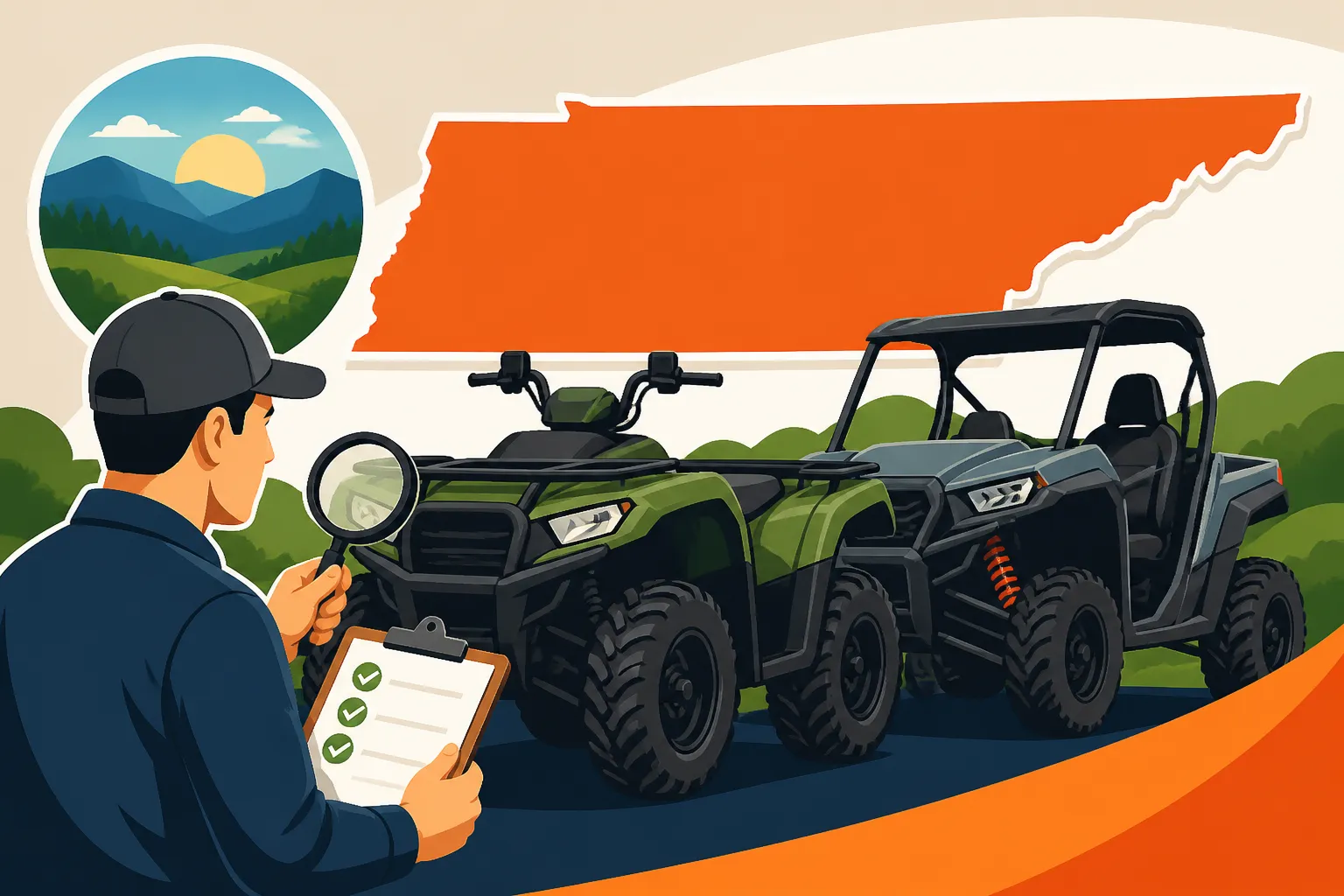
Think of this as your personal detective work. Don't be afraid to get a little dirty. You want to look for obvious signs of wear, tear, and potential abuse. Start with the frame: look for cracks, bends, or welds that aren't factory original, as these could indicate a major crash. Check the suspension for leaks or damage. Are the tires evenly worn? Uneven wear can point to alignment issues. Does it start easily? Listen for any strange noises from the engine – knocking, grinding, or excessive smoke could signal big problems. Test the brakes, lights, and any gauges or accessories. For UTVs, check seat belts, roll cages, and doors.
Don't overlook the little things either. Are the handlebars bent? Is the plastics faded or cracked excessively? These might just be cosmetic, but they can also be indicators of how well the machine was cared for, or if it was frequently rolled or crashed. If you're not mechanically inclined, consider bringing a knowledgeable friend or even paying a trusted mechanic to give it a once-over. The cost of a pre-purchase inspection is a small investment compared to the potential repair bills of a lemon. This is especially true for machines that are frequently ridden hard in places like Windrock Park or Brimstone Recreation, where rough terrain can take a toll.
Running a VIN Check and Understanding its Value
Just like a car, every OHV has a unique Vehicle Identification Number (VIN). This 17-character code holds a wealth of information about the machine's history, and running a VIN check is a crucial step in your due diligence. A VIN check can reveal if the OHV has been reported stolen, if it's been involved in major accidents, or if it has a salvage title (meaning it was declared a total loss by an insurance company). It can also sometimes verify the original make, model, and year, helping you confirm that what the seller is telling you aligns with the machine's actual identity. This helps you avoid unknowingly buying a machine with a checkered past.
You can typically find the VIN stamped on the frame, usually near the front suspension or on the lower left side of the machine. Make sure the VIN on the machine matches the VIN on the title document exactly. If they don't match, walk away immediately – that's a huge red flag that something is seriously wrong. There are various online services that offer VIN checks for a fee, and it's an investment well worth making. For more guidance on this critical step, refer to [Checking a VIN Before a Tennessee Purchase].
Asking the Right Questions to the Seller
Don't be shy! A good seller will be transparent and happy to answer your questions. Start with the basics: "How long have you owned it?" and "Why are you selling it?" (though take the answers with a grain of salt, as sellers often have their own motivations). Then dig deeper: "What kind of maintenance have you done, and when?" "Do you have service records?" "Has it ever been in an accident or submerged?" "Where do you typically ride it?" "Are there any known issues I should be aware of?" "What modifications have been made?"
Pay attention not just to what they say, but how they say it. Evasiveness or defensiveness can be a sign that they're hiding something. If they claim they don't know much about the machine's history, that's a red flag, especially if they've owned it for a while. A seller who can provide maintenance records, receipts for parts, or even photos of the machine in use shows they've taken care of it and are being honest. This is your chance to gather as much information as possible to make an informed decision.
The Transaction Itself: Paperwork and Payment
You've found the perfect machine, inspected it thoroughly, and the seller seems legitimate. Now comes the moment of truth: finalizing the deal. This stage is all about making sure the legal transfer of ownership is ironclad, protecting both you and the seller. In Tennessee, this means paying close attention to the bill of sale, the title transfer process, and understanding your tax obligations. Skipping steps here can lead to legal complications and unexpected costs later on.
Crafting a Solid Tennessee Bill of Sale
A bill of sale is more than just a receipt; it's a legal contract documenting the sale. While Tennessee doesn't always strictly require a bill of sale for titling an OHV, having one is highly advisable for both parties, especially when buying from a private seller. It protects you by proving you legally purchased the machine, and it protects the seller by documenting the transfer of ownership. A good bill of sale should include:
- The full names, addresses, and signatures of both buyer and seller.
- The date of the sale.
- A clear description of the OHV, including make, model, year, and most importantly, the VIN.
- The agreed-upon purchase price.
- A statement that the vehicle is being sold "as-is," which protects the seller from future claims about its condition (unless they've made false representations).
- Any agreed-upon warranties or conditions (though "as-is" is most common for used private sales).
You can find templates for a bill of sale online, including resources from sites like LawDepot, which can help you create a legally sound document tailored to your needs. Always ensure both parties sign and date it, and each keeps an original copy. This document becomes crucial if there are any disputes after the sale or if there's a delay in getting the title transferred. For more details, consult [A Tennessee Bill of Sale for an OHV].
Navigating the Title Transfer Process at the County Clerk
Once you have the signed title from the seller and your bill of sale, your next stop is the county clerk's office in your county of residence. This is where the magic happens – the machine officially becomes yours. When you visit the clerk, you'll need to bring:
- The original, properly assigned title certificate from the seller. The seller will have signed their portion, usually on the back, transferring ownership to you. Make sure their signature matches the name on the title.
- Your bill of sale (recommended).
- Proof of your identity (driver's license or state ID).
- Funds for fees and sales tax.
The clerk will process the title transfer, collect any applicable sales tax, and issue you a new title in your name. They will also issue you a new TDR sticker. Remember, the previous owner's sticker becomes void, so you're starting fresh. This process is generally straightforward, but it's important to have all your ducks in a row. It's also worth noting that if you financed the purchase, your lender would often handle the titling process, ensuring their lien is recorded on your new title. Find out more about this process by checking out [Titling at a Tennessee County Clerk].
Understanding Tennessee Sales Tax and Fees
Ah, taxes. No one loves them, but they're a necessary part of the process when buying a used OHV in Tennessee. When you transfer the title into your name at the county clerk's office, you'll be required to pay Tennessee sales tax on the purchase price of the vehicle. This is true whether you bought it from a dealer or a private individual. The sales tax rate is set by the state, and your county might also have a local sales tax component, so the total percentage can vary slightly depending on where you live.
It's important to budget for this cost, as it's an additional expense on top of the purchase price of the OHV. The clerk will usually calculate the tax based on the sale price listed on the bill of sale or the fair market value of the machine, whichever is higher. In addition to sales tax, you'll also pay specific titling fees and the cost for your new TDR sticker. These fees are typically quite modest compared to the sales tax, but they still need to be accounted for. Don't be caught off guard – call your local county clerk's office beforehand to get an estimate of the total costs you'll incur. You can also explore [Tennessee Sales Tax at the Title Counter] for more information.
Here’s a simplified breakdown of potential costs you might encounter at the county clerk’s office:
| Item | Description | Payable By |
|---|---|---|
| State Title Fee | Statutory fee for issuing a new Tennessee title. | Buyer |
| County Clerk Fee | Local fee charged by the county for processing. | Buyer |
| TDR Sticker Fee | Cost of the physical TDR sticker itself. | Buyer |
| Lien Recording Fee | If a lien is being placed on the title (financed). | Buyer |
| Tennessee Sales Tax | State and local sales tax on the purchase price. | Buyer |
| Notary Fee | If a document requires notarization (optional/rare). | Buyer |
Note: Specific amounts are not provided here due to constant changes. Always check with your local county clerk's office for the most current figures.
Special Scenarios and Common Pitfalls
While most used OHV purchases follow a similar path, there are always unique situations that can throw a wrench in the works. From buying a machine brought in from another state to dealing with a seller who claims to have lost the title, these scenarios require extra vigilance. Knowing how to approach these potential pitfalls can save you from a lot of frustration and ensure your purchase goes smoothly, no matter the circumstances.
Buying an Out-of-State OHV for Tennessee Use
Tennessee's titling requirements can sometimes differ from those of neighboring states like Kentucky or Georgia. If you're buying an OHV that's currently titled or registered in another state, you'll need to be prepared for a slightly different process. The core principle remains the same: you need the original title from the seller. However, depending on the state of origin, the requirements for what constitutes a valid title or proof of ownership can vary. Some states might not even title certain OHVs, which can complicate things when bringing them into Tennessee, which usually requires a title.
When you present an out-of-state title to a Tennessee county clerk, they'll verify its authenticity and ensure it can be converted to a Tennessee title. You'll still pay Tennessee sales tax and fees, but you might also need additional documentation, such as a bill of sale, to verify the purchase price. It's always a good idea to contact your local county clerk's office before you finalize the purchase of an out-of-state machine. Describe your specific situation, and they can tell you exactly what documents you'll need to successfully title it here. This proactive step can prevent delays and wasted trips to the clerk's office. Learn more by reading [Buying an Out-of-State Machine for Tennessee].
What to Do If the OHV Has No Existing Tennessee Title
This is a scenario that can send shivers down any buyer's spine: you find a great machine, but the seller claims they never got a title for it, or they lost it. While it's tempting to jump on a great deal, proceed with extreme caution here. An OHV without a title in Tennessee is a massive red flag. It could mean the machine is stolen, has an undisclosed lien, or was never legally imported or purchased. Buying such a machine is risky, as you might find it impossible to legally title it in your name, rendering it useless for riding in designated areas or even transporting it without issue.
If the seller claims to have a title but has simply lost it, they should be the one to apply for a duplicate title before selling it to you. In Tennessee, only the registered owner can apply for a replacement title. Never accept an agreement where you're responsible for getting the duplicate title from a previous owner you don't even know. If the machine truly never had a title (which is rare for newer machines but possible for very old ones or those from states with lax titling laws), the process to get an "original" title can be complex, often requiring a bond or a detailed investigation by the state. My advice? Unless you're dealing with a reputable dealer who can handle this for you, it's generally best to walk away from untitled machines in private sales to avoid significant legal and financial complications down the road. For more on the consequences, see [Tennessee Fines for an Untitled OHV].
Dealing with Liens or Missing Paperwork
We touched on liens earlier, but they're worth reiterating as a major pitfall. A lien is a claim on the OHV by another party (typically a bank or credit union) until a debt is paid off. If the seller still owes money on the machine, the title will usually indicate a lienholder. You should never, ever buy a machine with an active lien without ensuring that the lien is released before or at the time of the sale. The best-case scenario is for the seller to provide you with a lien release document from the lender, proving the debt has been satisfied.
Sometimes, sellers might be a bit disorganized, and you could encounter missing paperwork beyond just a lost title. Maybe they don't have the original bill of sale from when they bought it, or previous lien releases are nowhere to be found. While a solid bill of sale between you and the current seller can help, a long chain of missing documents is a cause for concern. For crucial documents like the title, there's no substitute. If the seller can't produce the necessary paperwork, or if you suspect foul play with liens or ownership, it's safer to step away. While resources like LawDepot can help you generate critical documents like a bill of sale, they can't magically create a missing title or clear an undisclosed lien. Always prioritize clear, undisputed documentation to protect your investment and ensure you can enjoy your new-to-you OHV on the trails and roads of Tennessee.
Disclaimer
This article is for general informational purposes only and does not constitute professional advice. Laws, prices and regulations vary by location and change over time. Consult a qualified professional for guidance on your specific situation.