North Cumberland’s Speed Limit in Tennessee
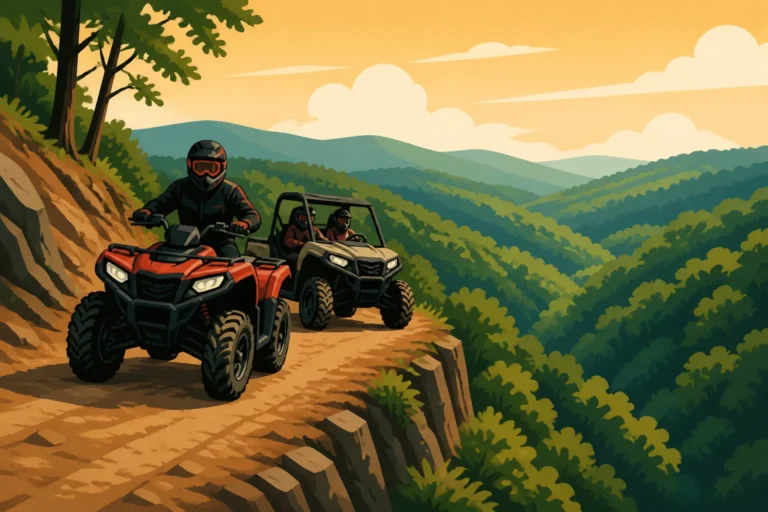
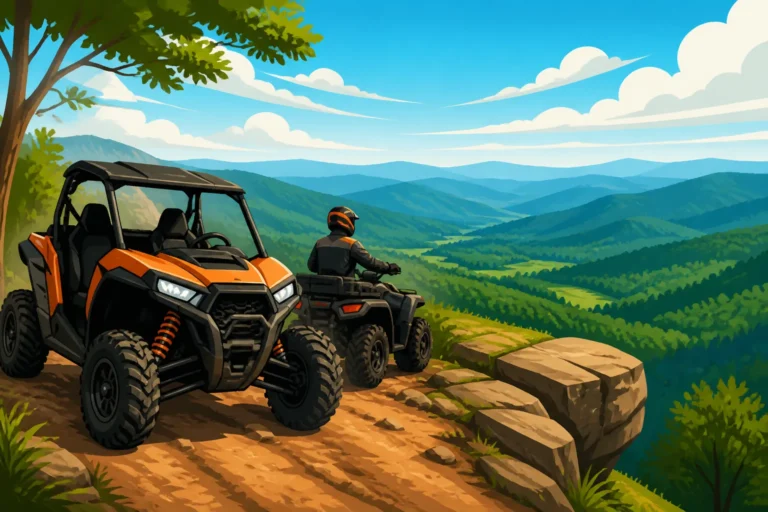
The North Cumberland Wildlife Management Area is vast, rugged, and easy to underestimate—especially when a wide bench road makes it tempting to pick up speed. This guide explains the 25 mph maximum commonly applied to WMA trails, how to ride below it when conditions call for caution, and why speed, visibility, signs, and trail status all matter across the North Cumberland units.
Understanding the North Cumberland speed limit
What the 25 mph limit means
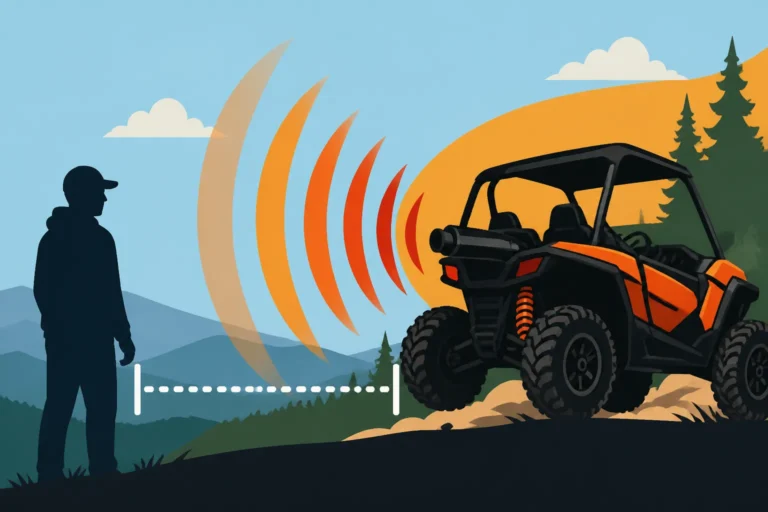
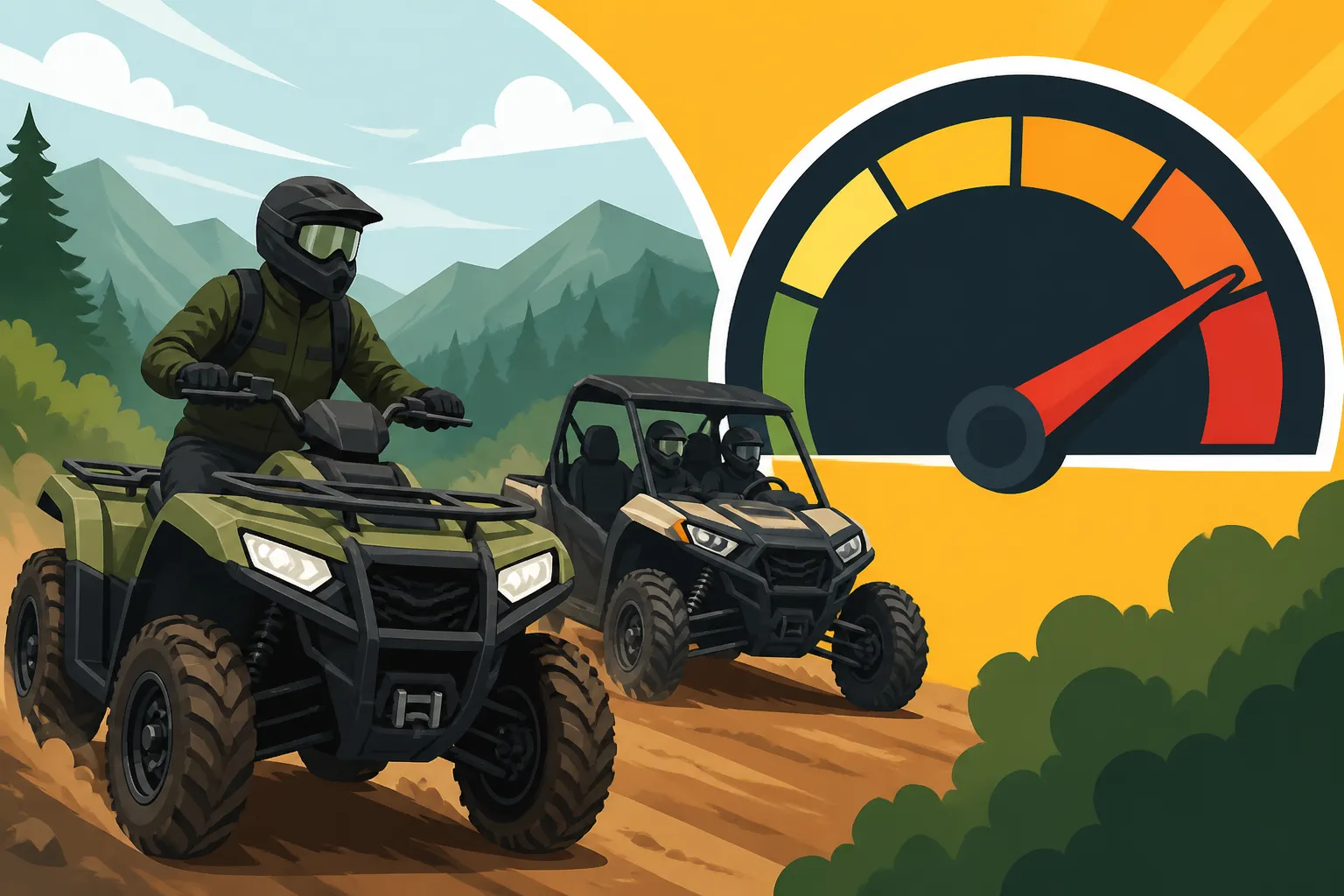
On North Cumberland WMA trails, treat 25 mph as a maximum—not as a target speed or a promise that every trail is safe to ride at that pace. A posted limit sets an upper boundary. It does not account for a blind curve, loose rock, a steep drop, a stalled machine, or another rider coming the other way. If you cannot stop safely within the distance you can see, slow down.
The area includes different terrain and riding conditions, from broader routes to narrow, rough sections. A relatively smooth stretch can change quickly after rain or heavy traffic. You may come around a bend and find mud, a washout, a fallen limb, or a group stopped to sort out a problem. On a winding trail, a speed that feels comfortable on the straightaway may leave too little room to react at the next turn.
That is why the practical question is not only, “Am I under 25?” It is also, “Could I stop or steer around a hazard I can see right now?” For a fuller overview of the area, including its different units, see [Tennessee's North Cumberland WMA] and [The Six Units of Tennessee's North Cumberland].
Maximum speed versus safe speed
Think of the posted maximum as a ceiling. Your safe speed may be much lower, and it can change several times in a single ride. On a wide, dry, unobstructed section, you may have room to travel faster than you would on a tight, rocky descent. Near a trail junction, a work area, or a place where traffic comes around a blind corner, you may need to slow to a crawl.
A rider travelling below the maximum can still be moving too fast for the conditions. For example, a speed that feels manageable on firm gravel can become risky when the surface is slick with wet leaves. A machine may also need more distance to stop when the tires are sliding, the trail slopes downhill, or the driver is carrying a passenger or gear.
A useful habit is to reassess your pace whenever the trail changes. Ease off before a blind crest, narrow bridge, steep drop, or sharp turn—not after you reach it. In North Cumberland, where the terrain can shift between open stretches and tight, uneven trail, riding smoothly and leaving room to react is more important than maintaining a steady speed.
How terrain and conditions affect your pace
Hills, bends, rocks, and loose surfaces
The same posted limit applies whether a route is straight or winding, but the safe pace can differ dramatically. On a steep climb, a rider needs time to choose a line and avoid losing traction. On a downhill, gravity adds momentum and makes braking decisions more important. On a rocky section, a small obstacle can shift a machine’s direction or upset its balance, especially if the rider hits it quickly or at an awkward angle.
Blind bends deserve particular respect. You cannot know whether another machine, a stopped group, or an obstacle is waiting just beyond the turn. Stay far enough to the right for the trail and your machine, reduce speed before the bend, and avoid cutting across the inside where oncoming riders may be travelling. If the trail is too narrow to pass safely, wait for a suitable place rather than trying to squeeze by.
The surface matters too. Loose gravel can reduce grip; mud can hide ruts and rocks; and standing water can conceal a deep hole. If a route looks rougher than expected, slow down and choose a controlled line. For help thinking through different levels of terrain, [Tennessee Trail Difficulty Ratings] can help you compare trail challenges with your experience and equipment.
Rain, fog, darkness, and changing visibility
Weather changes how much trail you can safely cover at a glance. Rain can soften the ground, make roots and rocks slippery, and leave puddles that hide ruts. Fog can shorten your view around a ridge or through a hollow. Dust kicked up by another vehicle can make it hard to see the trail edge or a rider ahead. In every case, reduce speed until you can see enough of the trail to react.
Visibility can also change over a short distance. A sunny open stretch may lead into a shaded section where the surface stays wet longer. A ridge road may be clear while the next hollow is foggy. If you are riding in a group, leave extra space between machines so the lead rider’s dust does not become a screen for everyone behind.
Before setting out, check conditions and closures rather than assuming a familiar route is unchanged. [Tennessee Trail Conditions Before You Ride] and [Tennessee Trail Closures to Check] are useful planning topics. A map app such as onX Offroad may help you understand your route and keep track of where you are, but a digital map should not replace current official notices, posted signs, or on-the-ground judgment.
| Trail situation | A sensible approach to speed |
|---|---|
| Clear, broad trail with good visibility | Stay within the maximum and leave room to stop |
| Blind corner or crest | Slow before entering; expect oncoming traffic |
| Loose rock, mud, or deep ruts | Reduce speed and choose a controlled line |
| Dust, fog, rain, or wet leaves | Slow until you can clearly see and react |
| Narrow bridge or trail junction | Approach cautiously and yield where needed |
| Stopped riders or a disabled machine | Reduce speed early and pass only when safe |
| Unfamiliar route or uncertain surface | Ride conservatively and reassess often |
Riding responsibly around other trail users
Passing, following, and meeting oncoming machines
A speed limit works best when riders leave one another enough room to respond. Tailgating is particularly risky on uneven terrain: the rider ahead may brake suddenly, stop to check a map, or need to pick a line around an obstacle. Leave a generous following distance, and increase it when dust, poor visibility, or a rough surface makes stopping harder.
When you catch up to another group, do not assume they know you are there. Give them time to notice you, communicate calmly, and pass only where the trail is wide enough and visibility is good. Avoid passing near a blind corner, steep drop, narrow bridge, or section where the other rider may need the full width of the trail. If the safe option is to wait, wait.
Meeting oncoming traffic requires the same patience. Ease off as soon as you see another machine and be prepared to stop. Avoid racing to the next wide spot or trying to squeeze through a gap that leaves no room for error. In coal country, a work vehicle or truck may also use an area’s roads; [Meeting a Coal Truck at Royal Blue] offers a useful reminder to stay alert around larger vehicles and give them ample space.
Groups, passengers, and less experienced riders
A group should ride at a pace that works for its least experienced member, not its fastest machine. Agree on a leader and a sweep rider before leaving the staging area, and make sure everyone knows how to signal a stop or problem. If the group stretches out, the lead rider should wait at safe decision points rather than continuing until the last machine is out of sight.
Passengers also affect how a machine handles. Added weight can change acceleration, braking, and balance, while a passenger may not anticipate a sudden turn or stop. Ride smoothly, avoid abrupt manoeuvres, and take extra care on uneven or steep sections. A passenger should be seated and equipped as the machine’s design and applicable rules require.
For children and newer riders, choose routes that match their skills and keep the group moving at a calm, predictable pace. Do not pressure someone to keep up because the trail is open or another machine is waiting. A short break, a route change, or turning back is often the safest decision. The speed limit is only one part of responsible riding; experience, machine capability, and the comfort of everyone in the group matter too.
Speed rules, signs, and route boundaries
Follow posted signs and official WMA rules
The general speed limit does not override a lower speed shown on a sign or a temporary restriction. Pay attention at trail entrances, junctions, gates, and work areas. Signs may identify a specific condition or direct riders away from a closed route. If signage is unclear, slow down and avoid assuming that a familiar trail remains open or has the same rules as another route.
North Cumberland includes multiple units, and not every place that appears connected on a map is necessarily open to the same use. Routes can have seasonal or operational restrictions, and conditions may change. Keep to designated routes and respect closures. Riding around a gate or taking an unmarked shortcut can create safety, land-management, and access problems even if the detour looks harmless.
A map can help you plan, but it is not the final authority on where you may ride. Use official information for rules and current access, and treat signs at the site as important instructions. [Tennessee Rules for Riding a WMA] is a useful companion topic for understanding the broader framework that applies to riding on wildlife management areas.
Do not confuse trail speed with road-use permission
A trail speed limit does not mean a machine may travel on every nearby public road. Trail access, road access, and the rules for crossing a road are separate questions. A legal trail ride does not automatically grant permission to ride a county road or state highway, and a road that appears quiet may still have its own restrictions.
Before leaving a trail system or crossing a roadway, confirm that the route is permitted and follow the applicable crossing and traffic rules. Do not rely on another rider’s assumption, a route drawn on a phone, or the fact that a road connects two trail areas. Local road access can depend on specific designations and other requirements, not just the machine’s speed capability.
For a broader explanation of riding on wildlife management areas, review [Tennessee Rules for Riding a WMA]. If you are planning to use public roads as part of a trip, read the separate rules for the road type and location rather than assuming the WMA speed rule covers them.
Planning a safer North Cumberland ride
Prepare before leaving the staging area
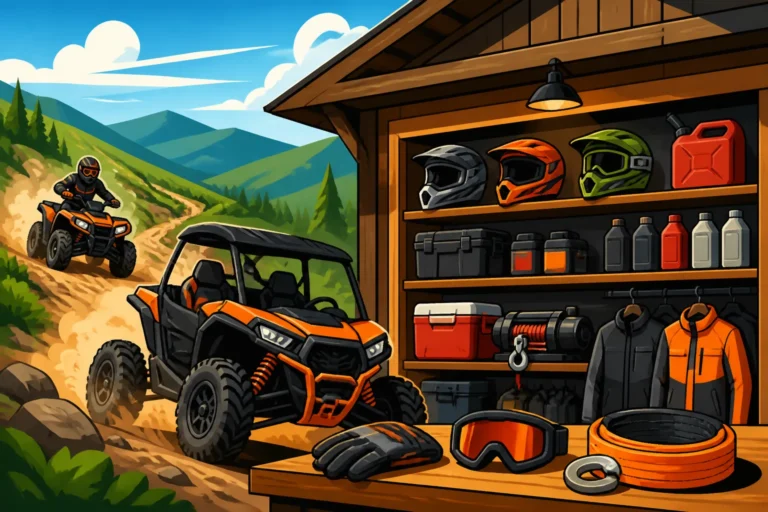
A little planning can prevent hurried decisions once you are on the trail. Decide which unit and route you intend to ride, check for current access notices, and tell someone where you plan to go. Make sure your machine is suitable for the terrain and that your group has basic supplies, including water, communication tools, and equipment for a minor breakdown.
Download or save route information before entering areas where mobile reception may be limited. onX Offroad can be useful for viewing saved maps and orienting yourself, but do not treat a device’s route line as proof that a trail is open. Cell coverage can be unreliable across remote sections; [Cell Dead Zones Across the North Cumberland WMA] is a helpful reminder to plan for navigation and communication gaps.
Before moving, brief your group on a few simple expectations: ride within sight of the trail, slow before blind features, keep a safe distance, and stop in a place that does not block traffic. Agree on what to do if a machine breaks down or someone becomes separated. Those small conversations make it easier to respond calmly when a ride does not go exactly as planned.
Choose a pace you can maintain safely
A good pace is one that leaves you enough time to notice, decide, and act. Keep your eyes ahead, but scan the trail surface and edges for ruts, loose material, and signs of other users. On unfamiliar terrain, start slowly and increase your pace only if visibility, traction, and your ability remain comfortable. If you feel rushed, the pace is probably too high.
Give yourself permission to slow down even when the trail looks easy. A route that is smooth for one hundred yards may end at a sharp turn or a narrow section. If you are following a faster rider, do not copy their speed unless you can see the same hazards and comfortably control your own machine. Ride within your skill level, not someone else’s.
Finally, remember that the posted 25 mph maximum is not a challenge to reach. It is a boundary, while your judgment determines the appropriate speed below it. On North Cumberland’s hills, ridges, hollows, and changing surfaces, the safest ride is usually the one where you have enough time and space to handle whatever appears next.
Disclaimer
This article is for general informational purposes only and does not constitute professional advice. Laws, prices and regulations vary by location and change over time. Consult a qualified professional for guidance on your specific situation.