Brimstone’s WinterFest
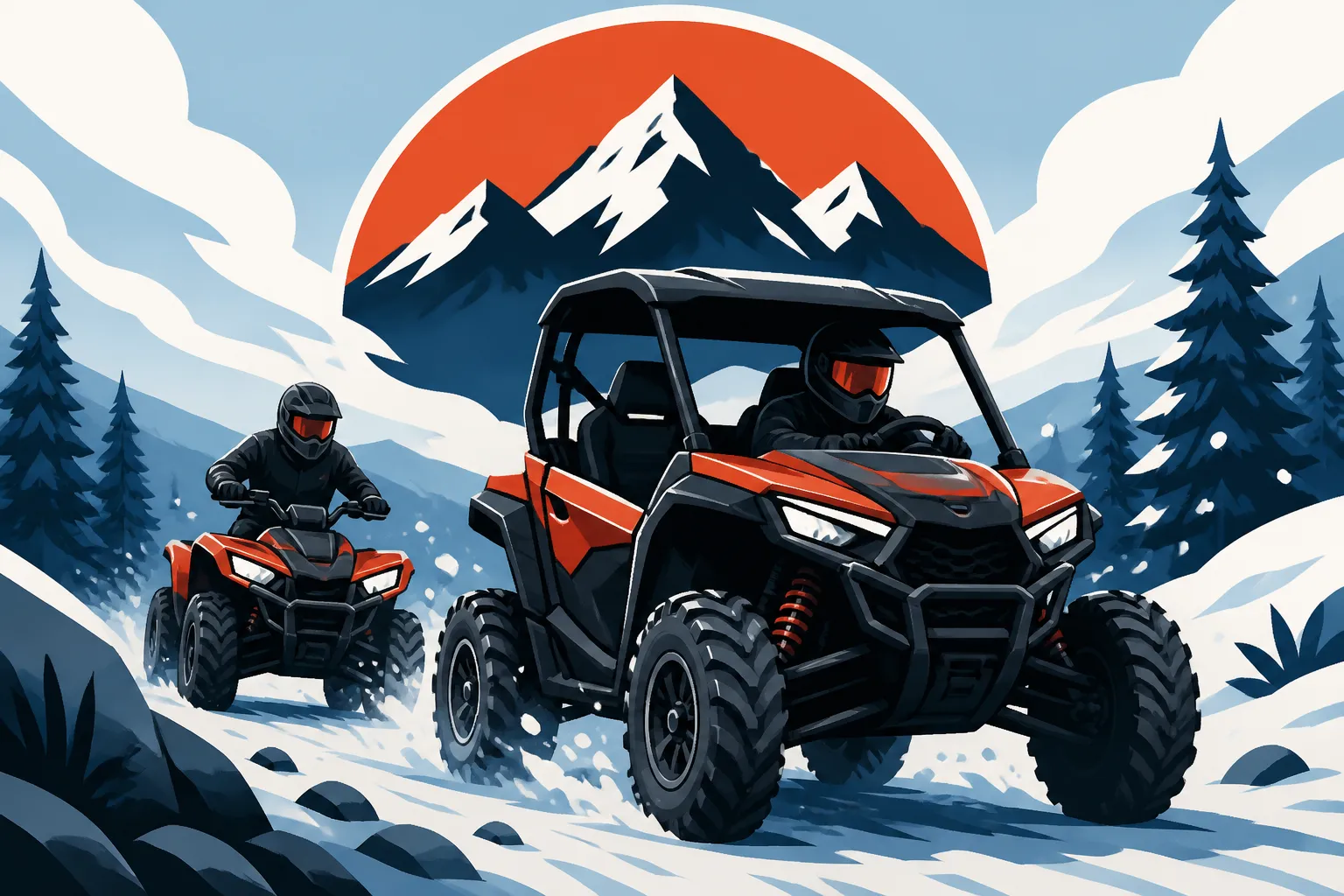
Winter riding at Brimstone can be a completely different experience from a warm-weather weekend: daylight is shorter, trails may be slick or closed, and a small planning mistake can leave you cold, delayed, or turned around. This guide explains how to prepare for Brimstone’s WinterFest, check the details that matter, and make sensible decisions before you unload.
What to know before planning Brimstone’s WinterFest
Treat the event as a winter riding weekend, not a guaranteed trail itinerary
Brimstone’s WinterFest is associated with winter recreation at Brimstone Recreation in the Huntsville area of Scott County. It can be a reason to bring your ATV or UTV out when temperatures are low, but the name alone does not tell you which trails will be open, what activities are planned, or what services will be available. Those details can vary, so use the event’s current announcements and Brimstone’s own operating information as your starting point.
That distinction matters when you are traveling with a group. One rider may picture a full day on the machine, while another expects scheduled activities, food, entertainment, or a particular trail loop. Before leaving home, agree on what each person actually wants from the weekend. Confirm the event dates, hours, check-in process, riding access, and any age or vehicle requirements directly with the organizer. For more context on the destination itself, see [Brimstone Recreation at Huntsville, Tennessee].
It also helps to separate event plans from trail plans. An event can make the weekend feel lively, but it does not guarantee that every route is open or suitable for every machine. Winter weather, maintenance, visibility, and local operating decisions may affect the available riding. Build a flexible plan: choose a primary ride, identify a shorter alternative, and be comfortable switching to the alternative if conditions call for it.
Confirm the practical details before you load
A frustrating trip often begins with an assumption that seems harmless: “We’ll buy the permit when we get there,” “The whole group can ride the same trails,” or “The machine will fit.” Confirm the basics in advance, including what permits are required, where they are obtained, what identification or paperwork is needed, and whether the event has a separate registration or check-in process. Do not assume an event admission or registration automatically covers trail access.
Ask which services will be operating during the event. That can include the office, fuel options, food vendors, restrooms, repair support, or nearby businesses. Winter hours and event arrangements may differ from what you expect from a regular riding weekend. If your group is arriving late, has a long drive, or depends on a particular service, get a clear answer before departure rather than relying on a hopeful guess.
If you are riding a borrowed or newly purchased machine, work out the paperwork and ownership details before the trip. Tennessee’s title and sticker requirements can be easy to confuse with park permits, even though they serve different purposes. A state title-related sticker is not a substitute for a riding-area permit. These guides can help untangle the distinction: [Brimstone's Land Use Permits] and [Brimstone's Daily and Annual Permits].
Prepare for winter trail conditions
Expect cold, damp, and changing conditions
Winter riding is not just summer riding with a heavier jacket. Cold air can make a long stretch of steady riding uncomfortable, while wind chill rises when you are moving. Wet gloves, a damp base layer, or a chilly stop for a stuck machine can turn a pleasant outing into a miserable one surprisingly quickly. Dress in layers that you can adjust, and bring dry clothing in a sealed bag so you have a backup if the weather or a creek crossing soaks your gear.
Conditions can also shift within a single ride. A sunny opening may feel mild, while a shaded hollow or exposed ridge stays cold. Mud, standing water, slick leaves, and shaded patches can make traction unpredictable. Do not judge a trail by how it looks at the staging area. Ease into the ride, leave more room for braking, and avoid assuming that a route that was easy in dry weather will feel the same after rain or a freeze.
Plan around daylight, not just the time you hope to return. Winter days are short, and delays are common: a rider may need help, a group may take a wrong turn, or a route may be slower than expected. Set a firm turnaround time and tell everyone what it is. For broader seasonal planning, [Tennessee Riding in Winter] covers the kinds of cold-weather considerations that are worth thinking through before you head out.
Check trail status and match the route to your group
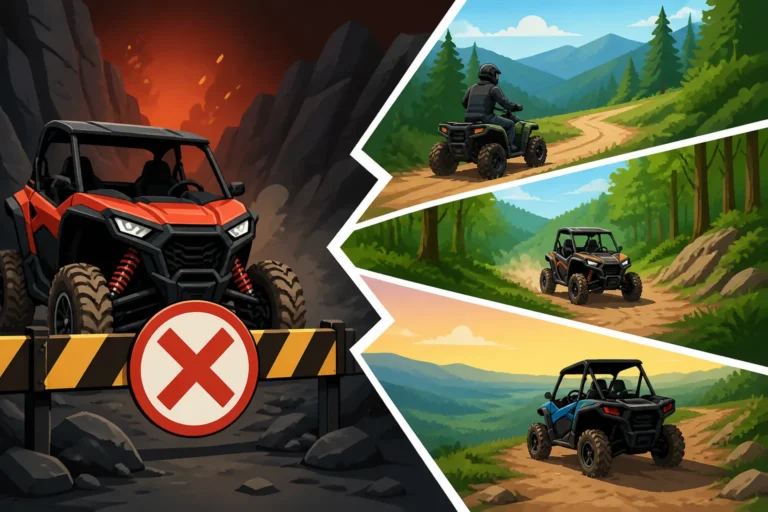
Before riding, check current notices for trail access, closures, and any operating restrictions. A route can be temporarily unavailable because of weather, maintenance, or other management decisions. If a trail is closed, do not treat that closure as a suggestion or try to find a way around a gate. A detour can put riders on an unsafe route, damage property, or create problems for the group and the riding area.
Be honest about the least experienced rider and the least capable machine in your party. A confident driver on a well-equipped UTV may be ready for a more demanding route, but that does not mean the whole group is. In winter, a mild trail can feel more challenging when visibility is reduced or surfaces are slick. Agree on a pace, keep the group together, and use clear regrouping points rather than letting faster riders disappear around a bend.
A navigation app such as onX Offroad can help riders review mapped routes and keep their bearings, especially when the group is unfamiliar with the area. Use it as a planning aid, not as permission to travel anywhere a line appears on a screen. Follow Brimstone’s current trail information and posted instructions, and do not assume an app map replaces official closures or local rules. Before leaving the staging area, check [Tennessee Trail Conditions Before You Ride] and [Tennessee Trail Closures to Check First].
Pack for delays as well as the ride itself
A practical winter kit should account for a longer day than planned. Bring water, food, warm layers, a first-aid kit, a flashlight or headlamp, and a way to keep a phone charged. A basic tool kit and a tire repair plan can be useful, but equipment only helps if someone in the group knows how to use it. For a UTV, inspect the spare tire, jack, winch, and recovery points before departure rather than discovering a problem after you need them.
Think about what happens if the group stops moving. A machine that will not start, a puncture, or a rider who needs a break can turn a short pause into a long wait. Keep extra gloves and socks dry, and pack them where they can be reached without unpacking the entire vehicle. If you are traveling with children or newer riders, carry extra snacks and warm clothing; people who are cold or hungry often lose patience before they say clearly what is wrong.
Keep navigation simple enough to use in poor weather. Download or save the information you need before leaving an area with reliable service, and do not count on a phone signal throughout the ride. onX Offroad may be useful for viewing your route offline if you have prepared the relevant map beforehand, but always carry a backup plan and share your intended route with someone who is not riding. The guide [Tennessee Trail Maps Worth Carrying] is another useful reminder that having a second way to orient yourself can prevent a small navigation issue from becoming a bigger one.
Permits, vehicles, and group logistics
Keep trail access separate from vehicle paperwork
A common point of confusion is whether a vehicle’s title, registration, sticker, or permit covers the ride. These documents do not necessarily serve the same purpose. Vehicle paperwork relates to ownership or state requirements; a riding-area permit relates to access under the park’s rules. Confirm what Brimstone requires for each rider and each machine, and ask whether passengers need anything separate.
Check the permit process before you arrive, particularly if you are bringing several machines or meeting friends at the park. Find out where the group should check in, what information each rider needs, and whether a permit must be displayed or kept available. Do not assume one person’s paperwork covers everyone in the group. If any rider is visiting from out of state, verify the requirements rather than assuming a home-state document is accepted in place of Brimstone’s access rules.
The same principle applies to rented machines. Ask the rental provider what is included and what is not, including whether the park permit, passenger access, safety gear, or fuel is handled separately. A machine reservation does not automatically mean every trail-related cost or requirement is included. Clear answers before booking help you compare the actual trip arrangements rather than making decisions based on a headline rental offer.
Inspect machines with cold-weather use in mind
Before you travel, inspect tires, brakes, lights, battery condition, belts, fluids, and the winch if the machine has one. Cold weather can expose a weak battery or a neglected maintenance issue at exactly the wrong time. Check that the vehicle starts reliably and that its lights work; shorter daylight makes lighting more than a convenience. If the machine has been sitting unused, give it a proper shakedown close to home before towing it to Scott County.
For a group ride, make sure machines are reasonably compatible with the plan. A small youth ATV, a stock utility machine, and a modified side-by-side may have different limits and comfort levels. That does not mean they cannot ride together, but it does mean the route and pace need to suit the group. Ask about width restrictions or machine requirements if you have a particularly wide or modified vehicle, and do not assume every route accommodates every setup.
Towing and parking deserve attention too. Check your trailer lights, tires, hitch, tie-downs, and spare before setting out. Decide who is driving, where the group will meet, and how late arrivals will find the staging or check-in location. If several vehicles are involved, share a clear meeting point and a backup contact method. Small coordination steps can prevent a cold, tired group from searching for one another in the dark.
Set expectations for a mixed-experience group
WinterFest can bring together people who ride often and people who are trying an ATV or UTV for the first time. Before setting off, talk through hand signals, spacing, stopping points, and what to do if someone gets separated. Agree that no one rides ahead alone without the group’s knowledge. If the route is unfamiliar, designate a lead rider and a sweep rider so the last machine is not left to solve a problem by itself.
Newer riders may benefit from starting with a short, manageable outing rather than committing to the longest loop available. Let them get used to the machine, the terrain, and the weather before extending the ride. If someone is anxious or cold, slowing down is more useful than urging them to keep up. A good group plan gives riders permission to take a break, turn back, or skip a difficult section without feeling they are spoiling the weekend.
For families, discuss passenger comfort and supervision before arriving. Children may enjoy the novelty of the event but tire sooner in cold weather, and a long bumpy ride can feel very different from sitting in a warm vehicle. Pack suitable layers, schedule warm-up breaks, and follow the park’s age, passenger, and safety requirements. If the group’s expectations differ, decide early whether the party will split into separate rides and where everyone will reconnect.
Plan the trip around Huntsville and Scott County
Choose lodging and arrival plans with winter travel in mind
A Brimstone weekend involves more than the ride itself. Think through where you will sleep, how far the lodging is from your intended check-in point, and whether the route between them is practical in winter weather. A cabin or campground that looks close on a map may still involve a slower drive, especially if roads are wet, dark, or unfamiliar. Confirm arrival instructions, parking, heating, and any rules for trailers or machine storage before booking.
If you are traveling with a group, decide whether everyone is staying together or meeting at the park. Shared lodging can simplify meals and morning departures, but only if the group agrees on arrival times, vehicle space, and sleeping arrangements. A late arrival can be especially inconvenient when everyone else has already unloaded or settled in. Keep the first morning realistic: allow time for breakfast, clothing checks, machine inspection, and the permit or check-in process.
Make a backup plan for weather-related travel delays. If the forecast suggests difficult conditions, consider whether your route includes steep or unfamiliar roads and whether your tow vehicle and trailer are suitable. Avoid treating a reservation as a reason to drive when conditions feel unsafe. For lodging ideas to research near the riding area, see [Finding a Cabin Within Riding Distance of Brimstone], then confirm current availability and access details directly with the property.
Make event timing work for your group
Read the schedule carefully and identify which parts are fixed and which are flexible. If there is a required check-in window, safety meeting, or scheduled activity, build the day around it. Give yourself extra time for unloading and gearing up; winter gloves, layers, and careful trailer work take longer than a quick summer departure. It is better to arrive with time to spare than to rush through machine checks because the group is worried about being late.
Keep meals and warm-up breaks in the plan. Riders often focus on maximizing trail time and then realize they have not eaten or warmed up until everyone is tired. Pack food you can eat without a complicated setup, and know where the group can take a proper break. If services are limited or operating on an event-specific schedule, bringing your own snacks and hot drinks can make the day more comfortable.
Set a clear end-of-day routine as well. Choose a time to leave the trails, allow for loading and cleanup, and check that everyone has the keys, phones, and personal gear before departing. If some riders want to stay later or attend a separate activity, agree on how they will get back safely. An event weekend is easier to enjoy when transportation and return plans are settled before anyone is cold and tired.
A simple WinterFest planning checklist
Use a quick comparison to avoid last-minute surprises
A checklist is especially helpful when several people are handling different parts of the trip. One person can verify event information, another can check permits, and someone else can inspect the trailer and machines. Write down the answers rather than relying on a group text full of half-remembered details. If one item cannot be confirmed, make a backup plan instead of assuming it will work out.
| Planning area | Confirm before departure | Why it matters |
|---|---|---|
| Event details | Dates, hours, check-in, scheduled activities | Prevents missed registration or mismatched expectations |
| Trail access | Open routes, closures, vehicle limits | Keeps the ride within current operating rules |
| Permits | Requirements for each rider and machine | Avoids confusing access permits with vehicle paperwork |
| Weather and clothing | Forecast, layers, dry backups | Helps manage cold, wet, and changing conditions |
| Machine readiness | Tires, brakes, battery, lights, recovery gear | Reduces avoidable breakdowns |
| Travel and lodging | Arrival instructions, parking, trailer space | Makes check-in and unloading more predictable |
| Group plan | Lead and sweep riders, turnaround time, meeting point | Reduces separation and late-day confusion |
Use the table as a conversation starter, not as a substitute for official event instructions. A requirement that applies to one machine or rider may not apply to another, and event arrangements can change. Keep the final confirmation in a place everyone can access, especially if the person who made the booking is not the person driving the tow vehicle.
Make a go, adjust, or cancel decision
Before leaving, evaluate the trip honestly. If a rider is sick, the towing vehicle has a serious issue, or the weather makes the drive unsafe, changing the plan may be the right call. A paid booking or a long-awaited event does not make poor road conditions safer. Review the event’s cancellation and change policies before the trip so you understand your options if weather or personal circumstances interfere.
If the event is operating but trail conditions are poor, you may still be able to attend without taking a long ride. A shorter route, a later start, or a day focused on the event itself may suit your group better. Do not pressure inexperienced riders to continue simply because the group traveled a long way. A flexible weekend can still be worthwhile even if the original ride plan changes.
After the trip, note what you would do differently next time. Maybe the group needed warmer gloves, an earlier departure, a shorter loop, or clearer directions to lodging. Those small observations make the next winter ride easier to organize. The goal is not to force every plan to happen exactly as imagined; it is to enjoy Brimstone responsibly and come home with the group safe, comfortable, and ready to ride again.
Disclaimer
This article is for general informational purposes only and does not constitute professional advice. Laws, prices and regulations vary by location and change over time. Consult a qualified professional for guidance on your specific situation.