Why Tennessee Binds Off-Road Helmets Under 18
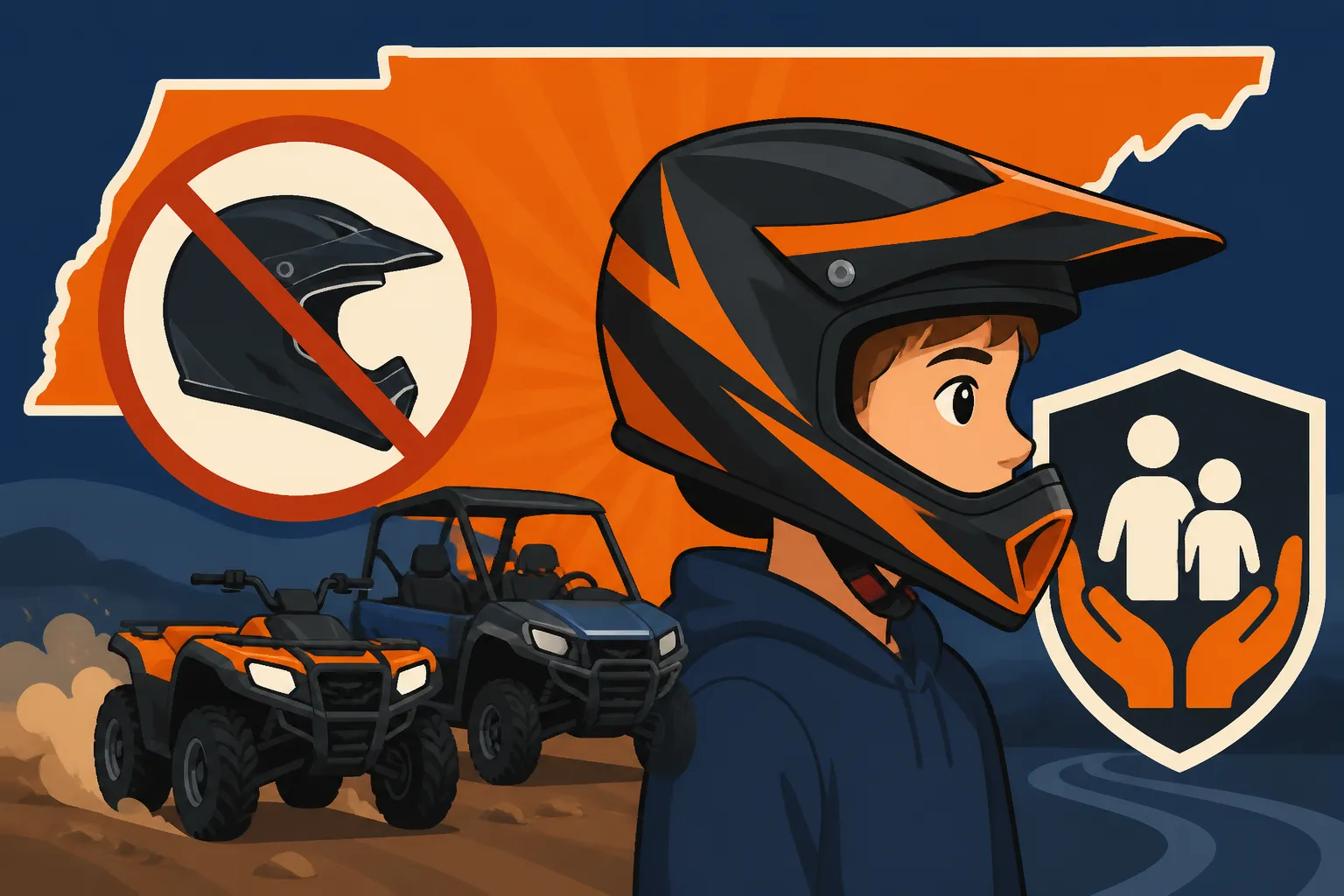
There's a specific kind of headache that comes with trying to understand the ins and outs of Tennessee's off-road vehicle laws, especially when it concerns our younger riders. You've got your side-by-side or ATV, your kid is bursting with excitement to hit the trails, and suddenly you're drowning in questions about helmets. It's not just about slapping any old helmet on; it's about navigating the state's very clear mandate that riders under 18 must wear a helmet when operating or riding an off-highway vehicle (OHV) off-road. This guide is here to untangle those rules, explain the 'why' behind them, and help you keep your young adventurers safe and compliant.
The Core of Tennessee's Helmet Laws for Young Riders
Tennessee has always been a fantastic state for outdoor enthusiasts, and our OHV trails are a huge part of that appeal. But with great adventure comes great responsibility, especially when it comes to the well-being of our kids. The state's laws are designed with a primary focus: safety. It’s not just a suggestion; it's a legal requirement that anyone under the age of 18 must wear a protective helmet when riding an OHV off-highway. This isn't unique to Tennessee, but understanding the specifics here can save you a lot of grief and ensure your family's safety.
Understanding the Legislature's Intent
When lawmakers craft legislation like this, they're typically looking at statistics, accident reports, and the inherent risks associated with certain activities. Off-highway vehicle riding, while incredibly fun, carries risks, and these risks are amplified for younger, less experienced riders. Children and teenagers often have less developed motor skills, slower reaction times, and sometimes, a bit too much confidence that can lead to hazardous situations. A helmet provides crucial protection against head injuries, which can be life-altering or fatal. The intent is clear: to minimize severe injuries in a population group deemed more vulnerable due to their age and developmental stage. It's about protecting the future of our riders.
The state recognizes that a minor, even one who is a skilled rider, simply doesn't have the same decision-making capacity or physical resilience as an adult. This isn't a judgment; it's a biological reality. Therefore, imposing a blanket rule for all riders under 18 simplifies enforcement and ensures a consistent standard of safety across the board. You might see other riders without helmets and wonder if the rule applies to everyone, but if you have a young one with you, the answer is a resounding yes. This protection is paramount, whether you're navigating rocky terrain at Windrock Park or enjoying a leisurely ride on a rural track.
Distinguishing Between On-Road and Off-Road Rules
It's easy to get confused by the different sets of rules governing OHVs, especially when some roads are opening up to certain machines. However, Tennessee's helmet law for riders under 18 primarily focuses on off-road use. This distinction is vital. When you're on a designated trail, in a recreation park, or simply on private land that isn't a public road, the under-18 helmet rule is in full effect. This aligns with the understanding that off-road environments often present more unpredictable challenges: uneven terrain, sudden obstacles, and varied surfaces that can lead to falls or impacts.
While specific rules apply to [Tennessee Helmet Law for ATV Riders] and [Tennessee Helmet Law for Passengers] when OHVs are used on public roads, the off-road mandate for minors is a foundational safety measure. For example, even if an adult might be allowed to ride helmet-free on a very specific, designated road in certain counties, a 16-year-old passenger in the same machine would still need their helmet. This helps to make sense of why you might see different requirements depending on where you are riding. Always default to the safest option for your children, ensuring they wear a proper helmet no matter the terrain.
Who is Affected: Defining "Under 18" in Tennessee OHV Law
The age threshold of 18 is a common benchmark in many laws, signifying the transition from minor to adult. In the context of Tennessee's OHV helmet law, it's a hard and fast line. If you haven't celebrated your 18th birthday yet, you're required to wear a helmet when riding an OHV off-road. This covers a wide range of young people, from the smallest youth ATV operator to the near-adult teenager tearing up the trails on a powerful side-by-side. There's no gray area when it comes to age for this specific requirement.
Operators Versus Passengers
A crucial point of clarification is that this rule applies equally to both operators and passengers who are under 18. It's not just the person gripping the handlebars or steering wheel; anyone riding along, regardless of their role in operating the machine, must be helmeted if they're a minor. This often comes as a surprise to those accustomed to car rules where passengers might not have the same gear requirements as drivers. But in an OHV environment, a passenger is just as exposed to the risks of impact and injury as the operator.
Think about a family outing to Brimstone Recreation. You've got your teenager driving a UTV, and their younger sibling, say 14, riding shotgun. Both must have helmets. The law doesn't differentiate between the experience level of the operator or the passive role of the passenger; it simply states that if you're under 18 and on an OHV off-road, a helmet is necessary. This comprehensive approach ensures that all young people are afforded the same level of protection. So, when you're preparing for a ride, make sure every helmet is accounted for, especially for those who need it most.
Age Verification and Enforcement
How does this law actually get enforced on the ground? Park rangers, wildlife officers, and local law enforcement personnel are typically the ones who ensure compliance. While they might not carry birth certificates, they'll use reasonable judgment based on appearance, and if there's any doubt, they might ask for identification. For organized parks and trail systems, you often sign waivers and present permits, and staff are trained to look for proper safety gear, especially for minors. It's part of their responsibility to uphold the safety regulations of the area.
A good rule of thumb is to always be prepared to demonstrate that your young riders are in compliance. This means having their helmets on and properly fastened from the moment they get on the machine in an off-road setting. If you're stopped by an officer, they're not looking to ruin your day, but they are looking to ensure safety. Violations can lead to fines, which is a much less pleasant experience than simply ensuring everyone wears their gear from the start. Remember that the law also governs [Tennessee Minimum Age to Ride a Road], so understanding all age-related rules is critical.
What Constitutes an Approved Helmet in Tennessee
It's not enough to just put any helmet on a young rider. A bicycle helmet, for example, is simply not designed to offer the level of protection needed for OHV speeds and impacts. Tennessee law, like most states, requires helmets that meet specific safety standards. This isn't about brand loyalty or style; it's about structural integrity and impact absorption. You need a helmet that is designed for motor vehicles and can genuinely protect against serious head trauma. Investing in a quality helmet is investing in your child's safety.
DOT Certification and Safety Standards
The most common and widely recognized standard for helmets is set by the U.S. Department of Transportation (DOT). A DOT-certified helmet means it has met rigorous testing requirements for impact attenuation, penetration resistance, and retention system strength. When you're shopping for an OHV helmet for anyone, especially a minor, look for the DOT sticker on the back of the helmet. This sticker isn't just decoration; it's a promise that the helmet has been designed and tested to protect your head in a crash. Brands like SuperATV, known for their wide range of off-road accessories, also often carry or recommend helmets that meet these crucial safety standards.
Beyond DOT, you might also see certifications from organizations like Snell or ECE. These typically meet or exceed DOT standards and represent an even higher level of protection. While not explicitly required by Tennessee law over DOT, choosing a helmet with these additional certifications provides an extra layer of confidence. Never buy a helmet without checking for at least the DOT certification, especially for those under 18. It’s the baseline for legal and effective head protection on the trails.
The Importance of a Proper Fit
Even the most expensive, highly-rated helmet is useless if it doesn't fit correctly. A helmet that's too loose can shift during an impact, exposing vulnerable areas, or even come off entirely. One that's too tight can be uncomfortable and distracting, leading to rider fatigue and reduced focus. When fitting a helmet for a child, it's crucial to take the time to ensure it's snug, level, and doesn't move excessively when their head is shaken. The straps should be securely fastened so that the helmet doesn't rotate easily.
Children grow, and their helmet size will change. What fit perfectly last year might be too small this year, pinching or riding up uncomfortably. Regularly check the fit of your child's helmet. They might resist wearing it if it's uncomfortable, which defeats the purpose. A professional fitting at an ATV or motorcycle gear shop is always a good idea, as they can guide you through the process and help you select the right size and style for your young rider. A properly fitted helmet is the second most important aspect of head protection, right after having a certified helmet in the first place.
Exceptions and Nuances: When the Helmet Rule Doesn't Apply (or does differently)
While the general rule is clear for minors riding off-road, like most laws, there can be specific situations or exceptions that might alter or negate the helmet requirement. Understanding these nuances is important for complete compliance, though it's always safest to err on the side of caution and just wear the helmet. However, there are scenarios where the law acknowledges different circumstances, and it's worth exploring these to avoid confusion.
Farm Work and Agricultural Exceptions
Tennessee's OHV laws, in general, often include specific carve-outs for machines used strictly for agricultural purposes. These vehicles, when operating solely on a farm and not venturing onto public roads or recreational trails, sometimes have different regulatory burdens. If an ATV or UTV is being used by a minor solely for farming tasks on private agricultural land, such as hauling feed or checking fences, the helmet requirement might be relaxed compared to recreational riding. This is often due to the lower speeds, predictable environments, and the practical necessity of farming operations.
However, this exception is typically very specific and usually applies only when the machine is strictly used for farm work. The moment that same machine, with a minor operator, leaves the farm property or is used for recreation, the helmet rule likely snaps back into place. It’s a nuanced area, and if you're relying on this exception, it's wise to be absolutely certain of the legal wording and consult local authorities if there's any doubt. Always prioritize safety, and consider that even on a farm, an accident can happen, making a helmet a wise choice regardless of the legal mandate. [Tennessee Rules for Agricultural Road Use] provides more context on this subject.
Enclosed Cabs and Seatbelts
With the increasing popularity of UTVs (Utility Terrain Vehicles) that often feature full cabs, roll cages, and seatbelts, some riders wonder if these enclosed environments negate the helmet requirement for minors. The logic is that the cab and restraints offer a similar level of protection to a helmet in certain types of rollovers or impacts. While an enclosed cab with proper seatbelts certainly adds a layer of safety, the Tennessee law specifically addresses the off-road helmet requirement for minors on OHVs.
Generally, the presence of a cab does not automatically exempt a rider under 18 from wearing a helmet for off-road use. The helmet provides direct head protection against impacts that a roll cage might not fully mitigate, such as impacts with internal structures during a severe jolt or rollover, or impacts from flying debris entering the cabin. Always assume the helmet rule applies unless explicitly stated otherwise by the letter of the law for that specific scenario. Many aftermarket solutions, including those from SuperATV, enhance cab safety but don't negate the need for personal protective equipment like helmets.
Riding on Private Land with Permission
Riding on private property, especially your own land or land where you have explicit permission, often feels like a free-for-all when it comes to rules. However, the Tennessee helmet law for minors typically still applies even on private land, as long as it's considered "off-highway." The law is broad in its definition of off-highway use. While enforcement might be less frequent than in public parks, the legal requirement remains. This is primarily because the state's interest in protecting minors from head injuries is not limited to public lands.
The only real scenario where this might differ is if the private land owner has their own set of rules, and those rules somehow supersede state law due to specific classifications or permits, which is rare. Even then, the ethical and safety responsibility to protect a child remains. If you're allowing a minor to ride an OHV on your private land, ensuring they wear a DOT-approved helmet is not just about avoiding a fine; it's about being a responsible guardian. Check out [Tennessee Rules for Riding Private Property] for more specific guidance on landowner responsibilities.
Consequences of Non-Compliance: What Happens If You Don't Follow the Rules
Ignoring the helmet law for minors isn't just a minor oversight; it carries real consequences, both legal and, more importantly, safety-related. No one wants to face a citation or, worse, deal with the aftermath of a serious injury that could have been prevented. Understanding these repercussions can serve as a powerful motivator to ensure every young rider in your group is properly geared up.
Fines and Legal Repercussions
If a law enforcement officer observes a minor riding an OHV off-road without a helmet, they have the authority to issue a citation. The specific fine amount can vary, but it's typically an avoidable expense that can put a damper on your trail riding adventure. More than just a monetary penalty, receiving a citation can lead to a less-than-pleasant interaction with authorities and can even escalate depending on the circumstances, such as repeated offenses or other safety violations. It’s considered a [Tennessee Fines for Illegal UTV Road Use] type of violation, though specific to off-road use by minors.
Beyond direct fines, there could be other legal headaches. If an accident occurs and a minor without a helmet is injured, liability issues can become complex and costly. Parents or guardians who allowed the minor to ride without a helmet could face legal challenges. It's a risk that's simply not worth taking when a helmet provides such a straightforward solution. Adhering to the law is the easiest path to a hassle-free and safe riding experience for everyone involved.
Safety Risks and Parental Responsibility
The most severe consequence of not wearing a helmet isn't a fine; it's the potential for a catastrophic head injury. OHVs, by their nature, can be unstable, especially on uneven terrain. Rollovers, impacts with trees or rocks, or even simply losing control and falling off the machine can result in direct head trauma. Without a helmet, the brain is vulnerable. Injuries can range from concussions to permanent brain damage, paralysis, or even death. These are life-altering events that no parent or guardian ever wants to face.
As parents and guardians, we have a profound responsibility to protect the children in our care. Ensuring they wear a properly fitted, DOT-approved helmet every time they ride an OHV off-road is a fundamental part of that responsibility. It's not just about compliance; it's about peace of mind and knowing you've done everything you can to safeguard their well-being. This responsibility extends to providing proper supervision, as detailed in [Tennessee Supervision Rules for Young Riders], ensuring their machine is appropriate for their size and skill level, and that they understand the rules of the trail.
Ensuring Your Young Rider is Ready: Beyond Just the Helmet
While the helmet is a non-negotiable piece of safety equipment for minors in Tennessee, it's just one component of a holistic approach to safe OHV riding. Preparing a young rider for the trails involves more than just strapping on a helmet; it's about skill development, proper equipment, and instilling a strong sense of responsibility and trail etiquette. True safety comes from a combination of legal compliance, smart choices, and ongoing education.
Training and Skill Development
A helmet can protect against impacts, but good training can help prevent those impacts in the first place. Enrolling young riders in an ATV safety course is highly recommended, even if Tennessee doesn't [Does Tennessee Require an ATV Safety Course?] as a mandatory step for all riders. These courses teach crucial skills like proper turning, braking, ascending and descending hills, and navigating various terrains safely. They also emphasize rider awareness, risk assessment, and environmental responsibility. A well-trained rider is a safer rider.
Beyond formal courses, consistent practice under adult supervision in a controlled environment is invaluable. Start with simple maneuvers and gradually introduce more complex challenges as their skills improve. Teach them to anticipate obstacles, understand the limits of their machine, and always ride within their capabilities. Encourage them to communicate when they're uncomfortable or unsure about a particular section of the trail. This ongoing mentorship is crucial for building confidence and competence on the trails.
Proper Machine Sizing and Maintenance
The machine itself plays a huge role in a young rider's safety. Just as a helmet must fit, an OHV must be appropriately sized for the rider's age, weight, and skill level. Putting a small child on a powerful, adult-sized ATV is an accident waiting to happen. Many manufacturers offer youth models specifically designed with lower power, smaller dimensions, and speed restrictors to ensure a safer experience for younger riders. Consider [Tennessee Titles for a Youth Machine] if you're purchasing one.
Furthermore, a well-maintained machine is a safer machine. Regularly check tires, brakes, fluid levels, lights, and ensure all controls are functioning correctly. A sudden brake failure or a blown tire can lead to dangerous situations, even on easy trails. Before every ride, do a quick safety check. If you're using aftermarket parts from companies like SuperATV, ensure they are installed correctly and maintain the machine's intended safety features. Teaching young riders about basic machine maintenance also empowers them to take ownership of their safety and understand how their vehicle operates.
| Age Group | Helmet Required Off-Road | Operator | Passenger | Considerations |
|---|---|---|---|---|
| Under 18 | Yes | Yes | Yes | DOT-certified, proper fit crucial |
| 18 and Over | Generally No (off-road) | No | No | Highly recommended for safety |
| Farm Use | Check specific exemptions | Varies | Varies | Must be strictly agricultural |
| Road Use | Varies by county/type | Varies | Varies | Specific rules for public roads |
This table provides a snapshot, but remember to always consult the full regulations for specific scenarios, especially regarding road use where rules can be highly localized.
Disclaimer
This article is for general informational purposes only and does not constitute professional advice. Laws, prices and regulations vary by location and change over time. Consult a qualified professional for guidance on your specific situation.