Reading a Tennessee Sticker Number
It’s a common scenario: you’ve just bought a used ATV or UTV in Tennessee, or maybe you’re prepping your current machine for a big trail ride, and someone mentions the "sticker number." You glance at that little decal on your OHV and see a jumble of letters and numbers, and it just looks like a random sequence. It can be incredibly frustrating trying to figure out what it all means, especially when you know it's important for proving your machine's legitimacy. This guide is here to cut through that confusion, demystifying your Tennessee sticker number so you can understand its components, its purpose, and what to do if you ever need to verify it.
What Exactly is a Tennessee Sticker Number?
When we talk about the Tennessee sticker number, we're really talking about the identifying sequence found on your Tennessee TDR Sticker. This isn't just any old sticker; it's a vital piece of proof that your off-highway vehicle (OHV) has gone through the official titling process in Tennessee. Unlike many other states that actually register OHVs, Tennessee focuses on titling. The TDR sticker, issued by the county clerk, is your visual confirmation that a title exists for your machine. It's often misunderstood, partly because Tennessee's approach to OHV regulation is a bit unique.
Decoding the TDR Sticker Itself
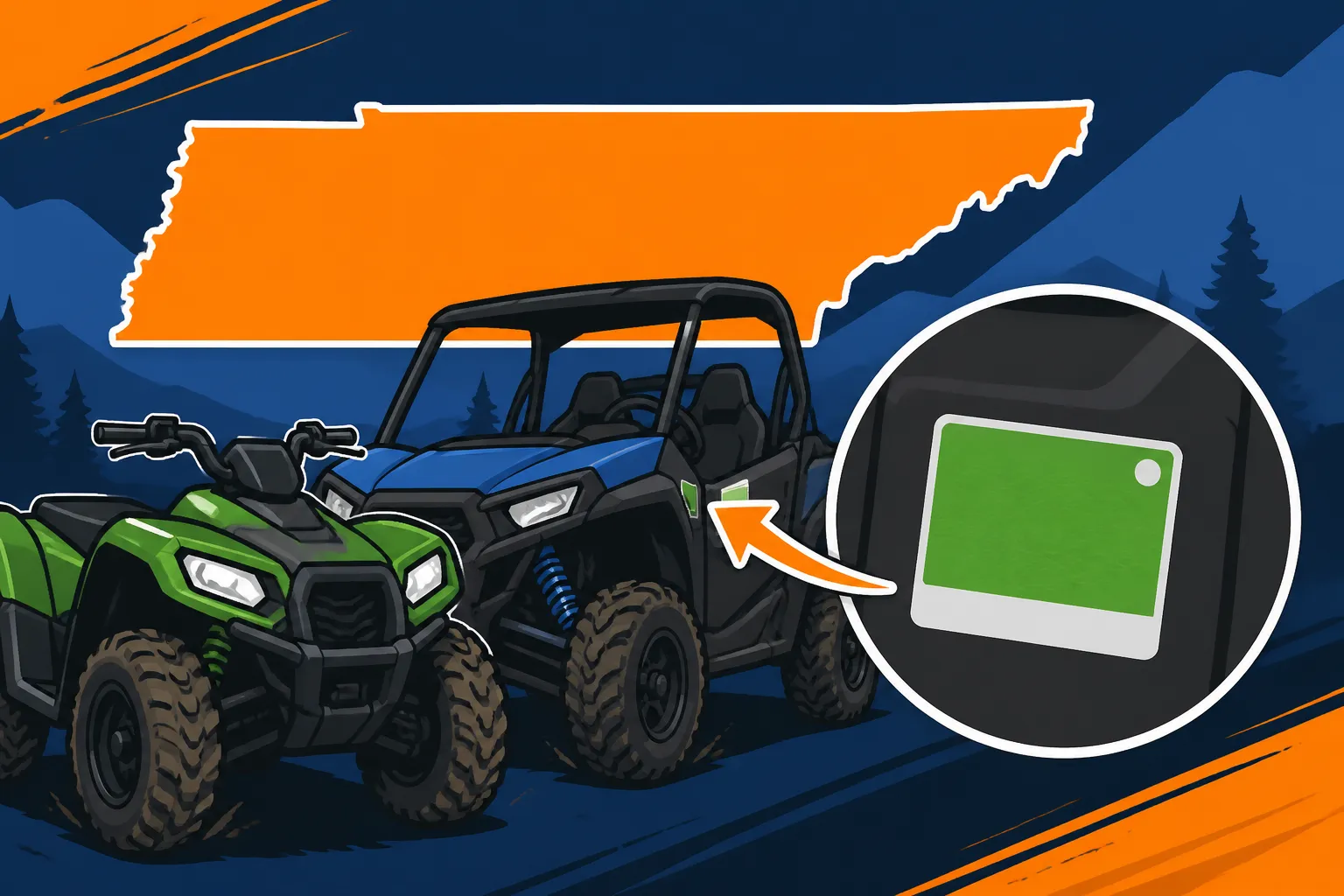
The TDR sticker itself is a small, durable decal typically placed in a visible, accessible spot on your ATV or UTV – usually on a frame rail, near the engine, or on the fender. It’s designed to withstand the elements that come with off-road riding, but it's not indestructible, which is why understanding its number is so crucial. The sticker contains a series of characters, and it might also have a year or an expiration-like date, though it's important to remember that [Why a Tennessee Sticker Dies With the Sale] and it isn't truly "renewable" in the traditional sense like a vehicle registration. This sticker is your physical link to the official title record held by the Tennessee Department of Revenue (TDR). It's essentially a condensed version of your OHV's identity, allowing quick verification without having to pull out your paper title every time.
Why This Sticker is So Important
The TDR sticker is far more than just a pretty decal; it serves as undeniable proof that your OHV has been formally recognized by the state. Without this sticker, your machine is essentially "untitled" in Tennessee, which can lead to a host of problems, especially if you plan to ride on any public lands where proof of legal ownership and proper titling is required. It's also critical when you're [Selling an OHV in Tennessee] or [Buying a Used OHV in Tennessee]. The sticker number provides a quick reference point for law enforcement, park rangers, or even potential buyers to verify that the machine isn't stolen and has a legitimate paper trail. This small sticker streamlines the process of confirming your OHV's legal status, saving you headaches and potential fines down the road. It really validates that you've done your due diligence in getting your machine properly titled.
Breaking Down the Sticker Number Components
When you look closely at your Tennessee TDR sticker, you'll see a series of numbers and possibly letters. While the exact format can vary slightly based on when it was issued, there's a general structure that the Tennessee Department of Revenue uses. It's not just a random string; each segment often has a specific meaning or correlation to your OHV's titling information. Understanding these components can help you quickly identify if a sticker looks legitimate or if something might be amiss, especially if you're inspecting a used machine.
Identifying Key Digits and Letters
The sticker number typically links directly to your OHV's title number. While the full Vehicle Identification Number (VIN) won't be printed on the sticker, the sticker number often acts as an abbreviated or coded reference. You might see a combination of digits that represent the year of issuance, a unique sequential number, and sometimes a county code. For example, a sticker number might look something like "TN-XXXXX-YY," where "TN" denotes Tennessee, "XXXXX" is a unique identifier, and "YY" could relate to the year the sticker was processed. The specific layout is designed for administrative ease, but for you, the rider, knowing that this number is unique to your titled machine is the key takeaway. It’s the state’s way of keeping tabs on every titled OHV without needing to register them like street-legal vehicles. This unique identifier is critical for record-keeping and for any official inquiry regarding your machine.
Common Questions About the Format
Riders often wonder if the sticker number includes their VIN or if it indicates the OHV's class (like [Tennessee's Class I OHV Definition] or [Tennessee's Class II OHV Definition]). Generally, the full VIN is too long to be practically printed on the small sticker, but the sticker number is directly linked to the VIN in the state's database. This means that if you provide the sticker number to the appropriate authority, they can cross-reference it with your OHV’s full VIN and title information. Another common question revolves around what happens if the sticker gets worn or damaged. Since the number is tied to your title, having the paper title is always the primary proof. However, a clear, readable sticker number makes roadside checks much smoother. If your sticker is peeling or unreadable, you might need to look into getting a replacement, which typically involves contacting your county clerk's office and possibly paying a small fee.
Where to Find and Verify Your Sticker Number
Knowing where to find your sticker number and how to verify it is crucial for every OHV owner in Tennessee. Whether you're making a private sale, crossing into a new riding area, or simply trying to keep your records straight, being able to locate and confirm this information can save you a lot of hassle. It’s not just about what’s on the physical sticker; it’s also about how that sticker relates to your official paperwork.
On the Sticker and Your Title Documents
First and foremost, the most obvious place to find your Tennessee sticker number is directly on the TDR sticker itself, which should be affixed to your ATV or UTV. Take a moment to locate it and familiarize yourself with the sequence of characters. It might be printed clearly, or it might be embedded within a larger block of text. Once you've found it on the machine, you should then cross-reference this number with your official Tennessee OHV title document. The title will have a title number, and the sticker number will often match a portion of this title number or be explicitly linked to it. This step is vital because your title document is the ultimate proof of ownership and titling. If you're [Titling at a Tennessee County Clerk], make sure you understand how the sticker number relates to the title you receive. It's like having two keys to the same lock – the sticker is the quick visual, and the title is the master key. This double-check ensures consistency and helps you catch any discrepancies early on.
What to Do if Your Sticker is Damaged or Missing
Life on the trails can be tough on equipment, and that includes your TDR sticker. Rocks, mud, branches, or even just general wear and tear can render a sticker unreadable or even cause it to fall off entirely. If you find yourself with a damaged or missing sticker, don't panic, but do take action. The first thing you should do is locate your paper title. The title document remains your primary proof of titling. With your title in hand, you can then contact your local Tennessee county clerk's office. They are the ones who issue these stickers and titles, and they can guide you through the process of obtaining a replacement. You'll likely need to provide your title number and VIN, and there might be a small fee involved. Remember, the goal is always to have a clearly legible sticker on your machine as well as your valid paper title, especially since [Why a TDR Sticker Is Never Renewed] in the traditional sense, but rather a new one is issued with a new title or transfer. Maintaining clear identification is key to avoiding issues with authorities or when engaging in private transactions.
Practical Applications and What the Number Tells You
Understanding your Tennessee sticker number isn't just about avoiding trouble; it's about being an informed and responsible OHV owner. This little sequence of characters has significant practical implications, from proving legal ownership to ensuring smooth transactions when buying or selling.
Proving Ownership and Compliance
The Tennessee sticker number, and the TDR sticker it identifies, is a critical component in proving that your OHV is legally titled in the state. When you're out riding at places like [Windrock Park at Oliver Springs, Tennessee] or [Brimstone Recreation at Huntsville, Tennessee], park rangers or law enforcement may ask to see proof of your machine's legitimacy. A visible TDR sticker with its clear number goes a long way in quickly satisfying these inquiries. It shows that you've completed the necessary steps for [Titling an OHV in Tennessee]. This proof of compliance is essential not only for avoiding fines but also for ensuring that your machine isn't flagged as stolen or unregistered. It’s also important if you ever have an accident or need to make an insurance claim; having all your documentation in order, including a valid TDR sticker number, simplifies these processes significantly.
The Sticker's Role in Sales and Transfers
When it comes to buying or selling an OHV in Tennessee, the sticker number plays a pivotal role. For sellers, ensuring your TDR sticker is clearly legible and matches your title is part of presenting a transparent and trustworthy transaction. For buyers, checking the sticker number against the seller's title document and even performing a [Checking a VIN Before a Tennessee Purchase] can protect you from purchasing a machine with a questionable history. It's a key piece of information that should be referenced on any bill of sale. For example, when creating official documents, many people turn to resources like LawDepot for customizable forms. If you're drafting a bill of sale, including the TDR sticker number alongside the VIN ensures maximum clarity and protection for both parties. Remember, when an OHV is sold, the existing TDR sticker becomes void, and the new owner must obtain a new title and, consequently, a new TDR sticker. This is why it's so important that buyers pay attention to the sticker number during the purchase process – it's a sign of a properly titled machine, even if they'll be getting a new one themselves. Including this number on your purchase agreement or bill of sale, perhaps a template found on LawDepot, provides an extra layer of verification.
In essence, your Tennessee sticker number is a shorthand for your OHV's official identity within the state. It confirms that your machine has passed through the required titling process, which is Tennessee's primary method for regulating off-highway vehicles. Always ensure your sticker is present and legible, and always keep your official title document safe. This diligence will make your OHV ownership experience in Tennessee much smoother, whether you're hitting the trails, engaging in a private sale, or simply going about your daily life with your machine.
| Component | Description | Example (Hypothetical) |
|---|---|---|
| State | Abbreviation for Tennessee | TN |
| Prefix | Often indicates the vehicle type or series | A (for ATV), U (for UTV) |
| Unique Sequence | A series of numbers unique to that specific title | 1234567 |
| Year | Sometimes the year of issuance or a code for it | 2X (for 202X) |
| Checksum | A final digit for error checking (less common) | 9 |
Disclaimer
This article is for general informational purposes only and does not constitute professional advice. Laws, prices and regulations vary by location and change over time. Consult a qualified professional for guidance on your specific situation.