Customs on a Machine Landed in Memphis
Bringing an off-highway vehicle (OHV) into the country, especially when it lands at a major logistics hub like Memphis, can feel like navigating a dense jungle without a map. The sheer thought of customs forms, duties, and then getting it legal for Tennessee roads and trails is enough to make anyone's head spin. This guide is here to untangle that complex process, walking you through everything you need to know about getting your OHV through customs in Memphis and ready for adventure in the Volunteer State.
Understanding Your OHV's Journey Through Customs
When your ATV or UTV arrives in Memphis, likely via air cargo or after being containerized and shipped through a port like New Orleans and then railed in, it enters a critical phase: customs clearance. This isn't just about showing up and picking it up; it's a federal process designed to ensure all imported goods meet U.S. regulations and that all applicable duties and taxes are paid. Ignoring this step can lead to significant delays, storage fees, or even seizure of your machine.
The Role of U.S. Customs and Border Protection CBP
The U.S. Customs and Border Protection (CBP) is the agency responsible for managing imports. They're the gatekeepers, making sure your OHV complies with a myriad of rules, from safety standards set by the Environmental Protection Agency (EPA) and the Department of Transportation (DOT) to ensuring proper import documentation. This means proving your machine is not stolen, meets emissions standards, and is properly valued for duty assessment. It's a lot more than just paying a fee; it's about compliance.
What Happens When Your OHV Arrives in Memphis
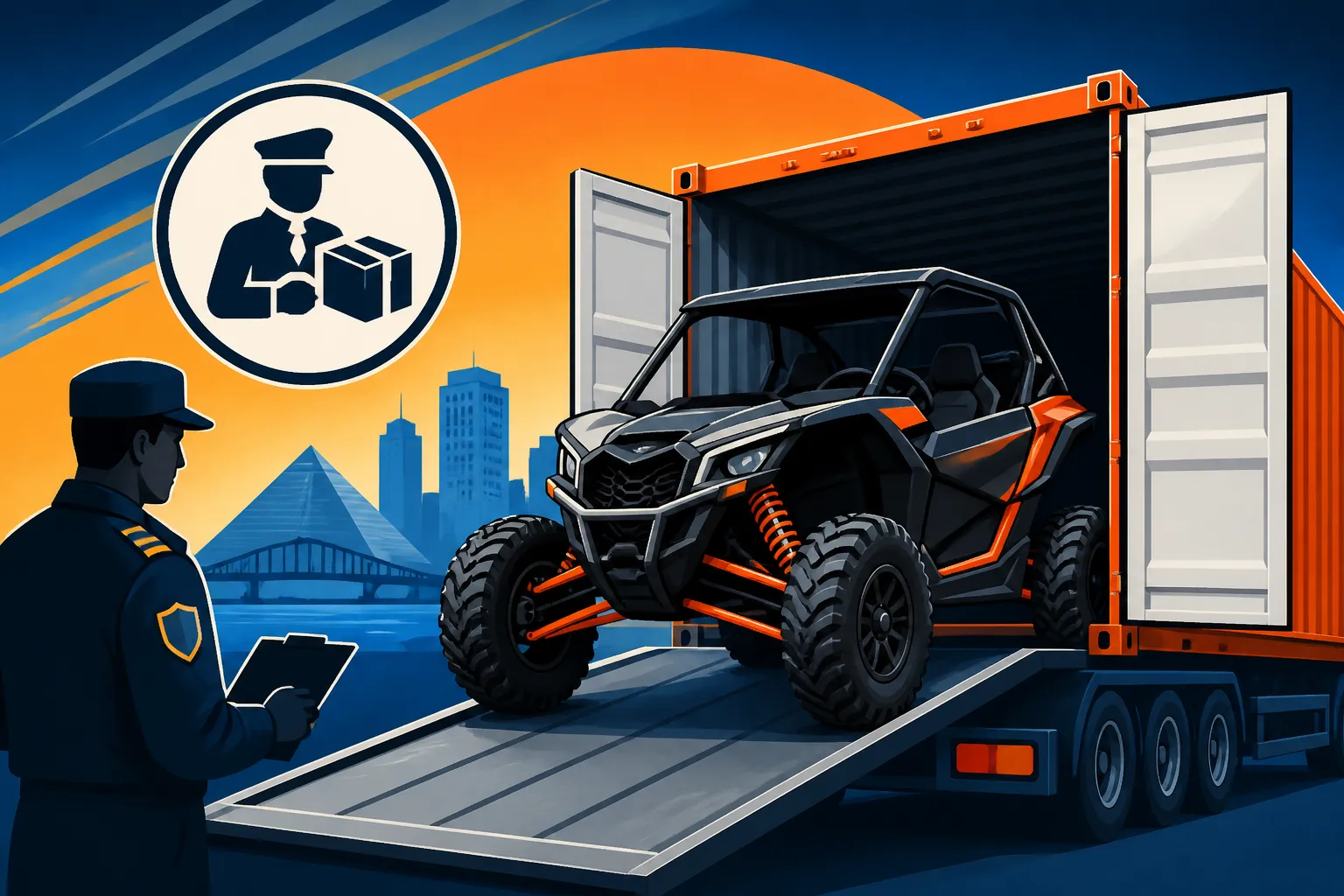
Once your OHV arrives at a cargo facility in Memphis, it's typically held in a bonded warehouse or designated area. It cannot be released to you until CBP has cleared it. This involves a review of all your submitted documentation, and potentially a physical inspection of the vehicle. If you're using a customs broker, they will be the primary contact with CBP during this phase, managing the paperwork and answering any questions. If you're doing it yourself, be prepared for a steep learning curve and proactive communication. Remember, until it's cleared, it's not truly yours to take home.
Essential Documentation for Customs Clearance
The paperwork involved in importing an OHV can be extensive and needs to be meticulously prepared. Missing even one form or having inaccurate information can bring the entire process to a screeching halt. This is often where people get frustrated, feeling like they're endlessly chasing signatures and stamps.
Key Federal Forms and Supporting Documents
You'll need a collection of documents to satisfy federal requirements. While specific form numbers can change, the types of information required generally remain consistent. These typically include the bill of lading (if shipped by sea and then rail/truck) or air waybill (if by air), which details the shipment. You'll also need the commercial invoice from the seller, detailing the purchase price, buyer, seller, and a description of the OHV. Furthermore, a packing list might be required. Most critically, you'll need forms related to vehicle import, declaring the vehicle's make, model, VIN, and country of origin. This is where you declare compliance with EPA and DOT standards. Don't forget proof of ownership or purchase, such as a formal bill of sale. For creating comprehensive legal documents like a bill of sale or power of attorney if you're authorizing someone else to handle parts of the process, services like LawDepot can be incredibly helpful to ensure everything is properly formatted and legally sound.
Proof of Emissions and Safety Compliance
This is often the trickiest part for individuals importing an OHV. U.S. law requires vehicles to meet specific emissions standards (EPA) and safety standards (DOT). If your OHV was manufactured for a foreign market, it might not have the necessary certifications. You'll need documentation from the manufacturer stating its compliance, or you might have to demonstrate it meets federal standards through a certified independent laboratory, which can be costly and time-consuming. Sometimes, certain off-road-only vehicles might have different, albeit still strict, requirements. Without this proof, CBP can refuse entry, or mandate costly modifications.
Duties, Taxes, and Fees
Beyond customs forms, you'll owe duties on your OHV. The amount varies based on the vehicle's value, type, and country of origin. These are federal import duties, separate from any state sales tax you'll pay later in Tennessee. You might also encounter a "Merchandise Processing Fee" and "Harbor Maintenance Fee" depending on how it was shipped into the country. These fees are collected by CBP. It’s important to budget for these as they can add a significant amount to the overall cost of your OHV. Getting an estimate beforehand can save you from sticker shock.
Clearing Customs and Bringing Your OHV to Tennessee
Once you've submitted all the documentation and paid the necessary federal duties and fees, CBP will issue a release. This is the green light that allows you to pick up your OHV from the Memphis cargo facility. But the journey isn't over yet; now you have to navigate Tennessee's specific titling and registration requirements.
Picking Up Your OHV and Transporting It
With the CBP release in hand, you can arrange to pick up your OHV. You'll need appropriate transportation, like a trailer, as the machine won't have Tennessee tags or a title yet, making it illegal to drive on public roads. Be sure to inspect your OHV thoroughly upon pickup for any transit damage and document everything with photos. This is also a good time to double-check that all your federal customs paperwork is complete and in order, as you'll need it for Tennessee titling.
Titling Your OHV in Tennessee
Once your OHV is home, the next crucial step is [Titling an OHV in Tennessee]. Even though it's an off-highway vehicle, Tennessee still requires a title for most ATVs and UTVs. You'll head to your local [Titling at a Tennessee County Clerk] office, usually within a short period after bringing the vehicle into the state. You'll need to present your federal import documents, including the CBP release, the bill of sale from the original seller, and proof of identity. The county clerk will process your application, verifying the vehicle's details, particularly the VIN. For this step, having clear, organized paperwork from the import process is invaluable. They'll also collect [Tennessee Sales Tax at the Title Counter] on the purchase price, and a state title fee.
Obtaining a Tennessee TDR Sticker
After your OHV is titled, the state will issue a [Tennessee's TDR Sticker Explained]. This sticker acts as proof that your OHV has a valid Tennessee title. It's a physical representation of your machine's legal status in the state. Unlike traditional vehicle registration, this sticker is unique to OHVs and is not generally renewable in the same way car tags are. It primarily serves as verification of ownership and the payment of state sales tax. You'll need to know [Where the Tennessee TDR Sticker Goes] once it arrives.
Here's a quick overview of key documents for your OHV's journey:
| Stage | Key Documents Required | Purpose |
|---|---|---|
| Federal Customs | Bill of Lading/Air Waybill | Proof of shipment |
| Commercial Invoice | Details of sale, value, buyer/seller | |
| EPA/DOT Compliance Forms/Labels | Demonstrates meeting U.S. emissions and safety standards | |
| Proof of Ownership/Purchase (e.g., Bill of Sale) | Establishes you as the legal owner for import | |
| CBP Release (after clearance) | Official permission to take possession of the OHV | |
| Tennessee Titling | Federal Import Documents (CBP release, invoice) | Proves legal import and ownership |
| Original Bill of Sale | Confirms purchase, needed for sales tax assessment | |
| [Tennessee OHV Title Paperwork] | Application for Tennessee title | |
| Proof of Identity (Driver's License) | Verifies applicant's identity | |
| [Tennessee OHV VIN Requirements] | Crucial for identification and state record keeping |
Navigating Potential Pitfalls and Avoiding Headaches
The import process can be full of bureaucratic hurdles, and it's easy to make a mistake that costs you time and money. Being proactive and informed can save you a lot of grief.
Common Import Issues and How to Resolve Them
One of the most frequent issues is non-compliance with EPA or DOT standards. If your OHV doesn't have the necessary labels or documentation, CBP might refuse entry. Your options then include exporting the vehicle back, or attempting to modify it to meet U.S. standards, which can be expensive and not always feasible. Another common problem is incorrect valuation on the commercial invoice, which can lead to disputes over duties owed. Always declare the true purchase price. Using a professional customs broker can mitigate many of these issues, as they are experts in navigating the intricate federal regulations. They can also help draft any necessary declarations or forms. If you're looking for templates for specific affidavits or agreements to clarify any aspect of your OHV's import or future sale, LawDepot offers customizable legal documents that can be a lifesaver.
The Importance of a Customs Broker
For most individuals importing an OHV, hiring a licensed customs broker is highly recommended. These professionals specialize in import laws and can streamline the entire process. They handle all the communication with CBP, prepare and submit the complex paperwork, calculate duties, and arrange for the release of your vehicle. While it's an added expense, the time and stress they save you, along with avoiding costly mistakes, often make it a worthwhile investment, especially when [Buying an Out-of-State Machine for Tennessee] from an international seller. A good broker will walk you through the specifics of customs on a machine landed in Memphis and ensure a smoother transition.
Consequences of Improper Import or Titling
Failing to properly clear customs can result in severe penalties, including hefty fines, seizure of your OHV, or even criminal charges in serious cases. On the state level, not titling your OHV promptly means you cannot legally operate it on designated trails or any permissible roads in Tennessee. It could also lead to [Tennessee Fines for an Untitled OHV]. Always ensure you complete both the federal customs process and the Tennessee titling process fully and correctly to avoid any legal troubles and to enjoy your machine worry-free. Make sure you understand [What a Tennessee OHV Title Costs] and the specific fees involved at the county clerk's office.
Ultimately, importing an OHV through Memphis customs requires patience, meticulous attention to detail, and a thorough understanding of both federal import regulations and Tennessee's titling laws. While it might seem daunting, breaking it down into manageable steps and leveraging professional help, like a customs broker, or utilizing resources like LawDepot for document preparation, can make the journey much smoother. Soon enough, your imported machine will be ready to hit the trails of the Volunteer State.
Disclaimer
This article is for general informational purposes only and does not constitute professional advice. Laws, prices and regulations vary by location and change over time. Consult a qualified professional for guidance on your specific situation.