Titling a Youth Machine in Tennessee
Bringing home a new youth ATV or UTV for your child is an exciting moment, full of anticipation for outdoor adventures and family fun. But for many parents, that initial excitement can quickly turn into confusion and frustration when they realize that even these smaller machines aren't exempt from the complexities of vehicle titling in Tennessee. It's not always clear where to start, what paperwork you need, or even if a "toy" machine truly needs a title, leaving you wondering if you've missed a crucial step before hitting the trails. This guide is here to cut through that confusion, walking you through everything you need to know about successfully titling a youth machine in Tennessee, ensuring your child's rides are worry-free and legal.
Why Titling a Youth Machine in Tennessee Can Feel Confusing
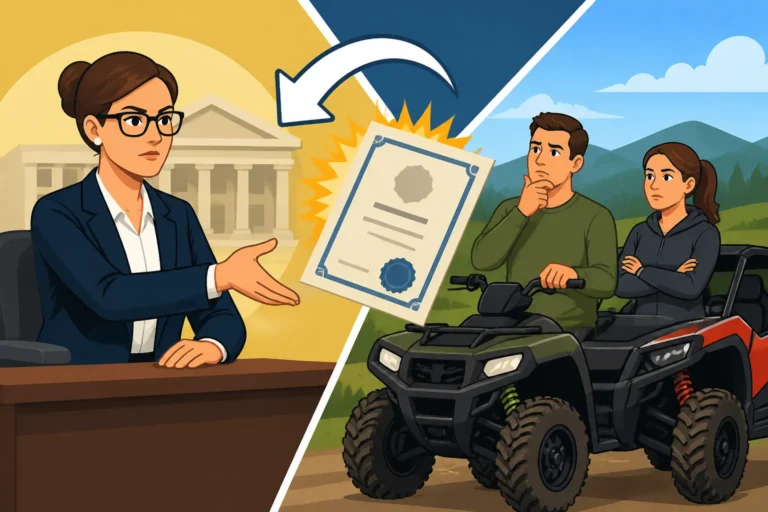
It’s completely understandable why the idea of titling a youth ATV or UTV might give you pause. After all, these aren't full-sized vehicles meant for public roads. They're often seen as recreational items, perfect for tearing up dirt tracks on private land or within designated parks. However, Tennessee's regulations have a specific way of classifying these machines, and understanding that framework is key to avoiding future headaches. Many parents mistakenly believe that because a machine is smaller or intended for off-road use, it somehow flies under the radar of state paperwork.
The reality is that whether it’s a tiny quad for a seven-year-old or a slightly larger side-by-side for a teenager, the State of Tennessee generally requires a title for any new or used off-highway vehicle (OHV) that falls within its defined categories. This isn't just about collecting fees; it’s about establishing ownership, protecting against theft, and maintaining a clear record for sales and transfers down the line. Overlooking this step can lead to complications if you ever need to prove ownership, sell the machine, or even if it's involved in an incident.
The "It's Just a Toy" Misconception
It's a common misconception, isn't it? You buy your child a shiny new mini-quad, maybe a 90cc ATV, and your first thought isn't "I need to go to the County Clerk's office." You envision dirt roads and helmets, not stacks of paperwork. The term "toy" or "recreational vehicle" often leads people to believe these machines are exempt from the formal processes that apply to cars or even larger utility vehicles. This is especially true for those first-time OHV buyers who are just dipping their toes into the world of off-road riding.
However, Tennessee law doesn't quite see it that way. While a push-scooter or a battery-powered ride-on toy might indeed be considered just that, a gas-powered ATV or UTV, regardless of its engine size or the age of its intended rider, is typically classified as an Off-Highway Vehicle. This classification immediately pulls it into the regulatory scope for titling. It doesn't matter if it's never going to see a paved road; if it meets the criteria for an OHV, it needs a title to legally establish who owns it. This is a crucial distinction that often catches people off guard, leading to frustrated last-minute trips to the county office.
The Legal Framework for Smaller OHVs
So, what exactly defines an OHV in Tennessee, and how do youth machines fit in? The state broadly categorizes OHVs into Class I and Class II, based on their weight, width, and intended use. Most youth ATVs will fall under the Class I definition, generally being 2,500 pounds or less and 50 inches or less in width. While some larger youth side-by-sides might push those limits, the core principle remains: if it's an OHV, a title is usually required. You can find more specific details about [Tennessee's Class I OHV Definition] and [Tennessee's Class II OHV Definition] to understand where your machine fits.
The Tennessee Department of Revenue oversees the titling process for all vehicles, including OHVs. While OHVs are not registered in the same way cars are for street use (you won't get a license plate), they absolutely require a title as proof of ownership. This title is issued by the state but processed through your local county clerk's office. Think of it as the foundational legal document for your machine. It's the paper that proves it's yours, and it's essential for resale, insurance purposes, or any situation where legal ownership needs to be verified. Without it, you're essentially riding a machine that, in the eyes of the state, doesn't legally belong to anyone.
The Step-by-Step Process for Titling a Youth OHV
Navigating the titling process can feel like a maze, especially if it's your first time doing it for an OHV. But with a clear checklist and understanding of the steps, it's far less daunting than it appears. The process is largely consistent whether you're titling a full-sized machine or a youth model, focusing on verifying ownership, confirming vehicle details, and ensuring all necessary fees are paid. Remember, preparation is your best friend here. Walking into the county clerk's office with everything in order will make the experience smooth and efficient.
It's important to remember that this isn't just a bureaucratic hurdle; it's an essential part of responsible ownership. Having a clean title for your child's machine means you're protected should it ever be stolen, or if you decide to upgrade and sell it down the road. Taking the time to do it right from the beginning will save you a lot of potential headaches later on, allowing you to focus on the joy of riding rather than worrying about legal technicalities.
Gathering Your Essential Paperwork
Before you even think about heading to the county clerk, make sure you have all your ducks in a row paperwork-wise. The exact documents can vary slightly depending on whether your youth machine is brand new or used, but a few core items are always necessary. For a brand-new machine purchased from a dealer, you’ll typically need the Manufacturer’s Statement of Origin (MSO). This is the equivalent of a birth certificate for your OHV. You'll also need a bill of sale, often provided by the dealer, clearly stating the purchase price, date, and seller/buyer information. For private sales of used machines, a properly executed bill of sale is paramount, often in addition to the previous owner's signed-over title. A template for a detailed [A Tennessee Bill of Sale for an OHV] can be helpful, and services like LawDepot offer customizable forms for this purpose.
In addition to proof of purchase, you'll need a valid form of identification for yourself (as the parent or guardian) and potentially your social security number. The vehicle's VIN (Vehicle Identification Number) is crucial; ensure it's accurately recorded on all documents. It’s a good practice to [Checking a VIN Before a Tennessee Purchase] to ensure the machine isn’t reported stolen or has any hidden liens, especially for used purchases. Having these documents organized and easily accessible will prevent delays at the counter. Double-check all spellings and numbers to avoid any errors that could require a return trip.
Visiting Your Local County Clerk's Office
Once your paperwork is meticulously gathered, your next stop is your local Tennessee County Clerk's office. This is where the magic happens, so to speak. While the state dictates the titling laws, the county clerks are the ones who process the applications and issue the physical titles. When you arrive, you’ll present your MSO or previously titled document, the bill of sale, and your identification. They will review everything, verify the VIN, and calculate the applicable fees. For specific guidance, you can refer to [Titling at a Tennessee County Clerk].
You’ll pay the necessary fees, which will include a state title fee, a county clerk fee, and potentially sales tax if it hasn't been collected by a dealer or if it's a private sale where tax wasn't paid. The clerk will then process your application. You won't walk out with a physical title that day; typically, the state will mail the official title document to you within a few weeks. What you will receive is a temporary receipt and often a Tennessee Department of Revenue (TDR) sticker that proves your title application is in process and ownership has been established. This sticker is essential and serves as temporary proof of titling. It’s also important to understand [Why the Tennessee Sticker Cannot Be Renewed] and [Why the Tennessee Sticker Cannot Be Transferred] as it's directly tied to the specific title application.
Unique Considerations for Youth Machine Titling
While the core titling process for a youth machine is similar to any other OHV, there are a few nuanced aspects specifically related to these smaller vehicles and their intended riders. These considerations often revolve around the legal age of the owner, the role of parents or guardians, and how sales tax is applied. Understanding these specifics can prevent unexpected issues and ensure the titling process goes as smoothly as possible, leaving no room for doubt or legal ambiguity.
It’s about more than just paperwork; it’s about responsibly introducing your child to the world of powersports. By properly titling their machine, you're setting an example of legal compliance and ensuring that, even for something that feels like pure fun, the necessary precautions and legal steps are taken. This responsible approach benefits everyone involved, from the rider to any future owner.
Understanding the Role of Guardians and Parents
When titling a youth machine, the legal ownership will almost always fall to a parent or legal guardian, especially if the child is a minor. Minors generally cannot legally own property like an OHV outright or enter into contracts for its purchase. Therefore, the title will be issued in the adult's name, even if the machine is specifically for the child's use. This means the parent or guardian will be the one signing all the paperwork, including the bill of sale and the title application, and will be legally responsible for the machine.
If you purchase the machine from a dealer, they will assist in preparing the necessary documentation in your name. For a private sale, you'll ensure the previous owner signs the title over to you, the adult. This arrangement clearly establishes who is legally accountable for the OHV, which is important for insurance, liability, and future sale. You'll want to ensure that any document, like a bill of sale you might create using a platform like LawDepot, clearly reflects the adult as the buyer. This isn't just a formality; it's a legal safeguard for everyone involved.
Sales Tax and Fees
Ah, the part nobody loves: paying fees and sales tax. But it’s an unavoidable and necessary step in the titling process. When you title a youth machine in Tennessee, you'll encounter a few different costs. First, there's the state title fee, which is a set amount for processing and issuing the title document itself. Then, your county clerk's office will charge a small fee for their services in handling the transaction. You can learn more about [Tennessee's $8.50 County Clerk Fee]. If you finance the machine and a lien is placed on the title, there will be an additional [Tennessee's $11 Lien Fee].
Sales tax is another significant component. If you bought your new youth machine from a licensed Tennessee dealer, they would have collected the sales tax at the time of purchase. However, if you bought it in a private sale or from an out-of-state seller, you'll likely pay the Tennessee sales tax directly to the county clerk when you title the machine. This is calculated based on the purchase price listed on your bill of sale. It’s essential to be prepared for these costs, as they are non-negotiable parts of establishing legal ownership. You can find detailed information on [Tennessee Sales Tax at the Title Counter].
What About a Used Youth Machine?
Buying a used youth machine can be a fantastic way to get your child into riding without the full price tag of a new model. However, the titling process for a used OHV comes with its own set of considerations. The most critical piece of paperwork you’ll need is the original title, signed over by the previous owner to you. Ensure that the seller's name on the title matches their identification and that all lien releases (if applicable) are properly documented. You should always insist on receiving a clear title at the time of purchase.
If the previous owner claims they never titled the machine, or if they've lost the title, the process can become significantly more complicated. It’s highly advisable to avoid purchasing a used OHV without a clear, transferable title. This can be a red flag for stolen machines or unresolved ownership issues. A comprehensive [Tennessee OHV Bill of Sale Requirements] will be vital here, clearly detailing the transaction. When purchasing privately, having a robust bill of sale, perhaps generated through a trusted source like LawDepot, can provide additional protection by clearly outlining the terms of the sale and acknowledging receipt of the title. For more specific guidance, see [Buying a Used OHV in Tennessee]. Remember, a little due diligence upfront can save you a world of trouble down the road.
Disclaimer
This article is for general informational purposes only and does not constitute professional advice. Laws, prices and regulations vary by location and change over time. Consult a qualified professional for guidance on your specific situation.