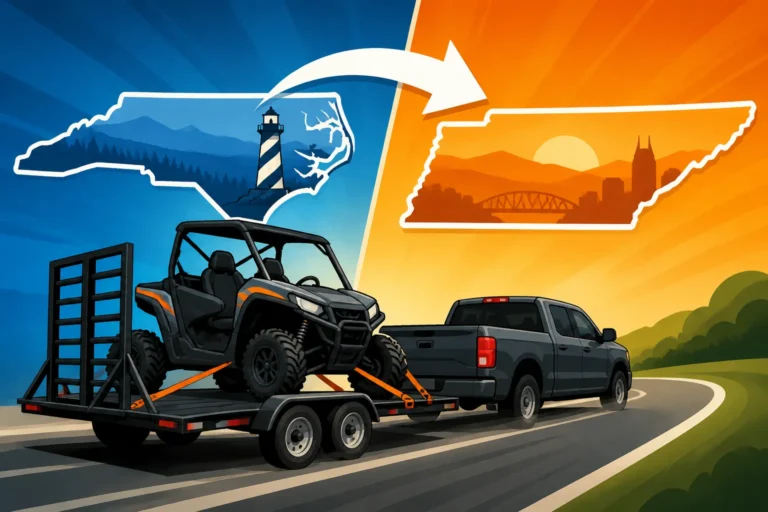
Selling an OHV in Tennessee
Selling an Off-Highway Vehicle (OHV) in Tennessee can feel like navigating a winding trail in the backwoods – you know where you want to go, but the path isn't always clear, and there are a few unexpected bumps along the way. Many folks find themselves scratching their heads over the nuances of titles, those unique TDR stickers, and making sure all the paperwork is squared away correctly. This guide is here to smooth out that journey for you, offering a straightforward roadmap to successfully selling your ATV, UTV, or other off-road machine right here in the Volunteer State.
Understanding the Tennessee OHV Title and Sticker Before You Sell
Before you even think about putting that "For Sale" sign on your machine, it's absolutely crucial to have a firm grasp on how Tennessee handles OHV ownership. It's not quite like selling a car, and the state has its own specific way of doing things that can trip up even experienced sellers if they're not careful. Understanding these core elements will set you up for a smooth transaction and protect you from potential headaches down the line.
Why Your Tennessee OHV Has a Title and Sticker
In Tennessee, when we talk about legal ownership of an OHV, the title is your bedrock. This official document is issued by the state and serves as undeniable proof that you are the rightful owner of that particular machine. It contains vital information like the Vehicle Identification Number (VIN), make, model, and year, linking you directly to the physical OHV. Without a proper title, proving ownership is incredibly difficult, which makes selling a nightmare. It’s also what enables the state to track sales and collect sales tax, a key part of the process that many buyers overlook.
Then there's the Tennessee Department of Revenue (TDR) sticker. This isn't your typical vehicle registration sticker that you might see on a car or truck. For OHVs, the TDR sticker is a unique identifier that simply confirms a title exists for that machine in Tennessee. It's often misunderstood, with many people thinking it acts like a registration or proof of road legality. However, as we discuss in [Tennessee's TDR Sticker Explained], its purpose is much more specific. It's a small decal, usually placed visibly on the machine, but its significance lies in its direct connection to the title record. It doesn't grant you permission to ride on public roads – that's a whole different ballgame and Tennessee typically does not register off-road machines for public road use in the way many other states do. In essence, the title proves ownership, and the sticker signals that a title has been issued.
The Importance of a Clear Title
One of the absolute biggest hurdles you can face when selling an OHV is having a title that isn't "clear." What does "clear" mean? It means there are no liens against the vehicle. A lien is a legal claim by a creditor – usually a bank, credit union, or private lender – that states they have an interest in your OHV until you've fully paid off the loan used to purchase it. If you're still making payments on your machine, it's highly likely there's a lien holder listed on your title. Trying to sell a machine with an active lien is almost impossible and can lead to serious legal problems for both you and the buyer. No reputable buyer will want to purchase an OHV if someone else has a financial claim to it.
Before you even list your OHV, take a close look at your physical title document. Somewhere on the title, often near the owner's information, there will be a section for lienholders. If a financial institution is listed there, you'll need to contact them to understand their process for releasing the lien. Generally, this means paying off the outstanding balance of your loan. Once the loan is satisfied, the lienholder will send you a lien release document. You'll then need to take this release to your local County Clerk's office to have the lien formally removed from the title record and a new, clear title issued in your name. This process of [Releasing a Lien on a Tennessee Title] can take a bit of time, so plan ahead. Waiting until you have a buyer lined up to clear a lien is a recipe for delays and frustration, and could even cause you to lose a sale. Make sure you've also budgeted for any fees associated with releasing the lien and getting a new title – sometimes there's an [Another Eleven If You Finance] fee involved when a lien is recorded or released.
Essential Paperwork for a Smooth Tennessee OHV Sale
Once you've got that clear title in hand, you're ready to tackle the other crucial paperwork. While the title is the absolute king of documents, there are other pieces of paper that will make your sale not just legal, but also transparent and professional. Having everything in order reassures potential buyers and protects you as the seller.
The Tennessee OHV Title Transfer Process
The core of selling your OHV is the actual transfer of the title from your name to the buyer's. This isn't a complex ritual, but it must be done accurately. Your Tennessee OHV title document has specific sections for both the seller and the buyer to complete. Typically, you'll find spaces to enter the sale date, the sale price, and most importantly, your signature as the seller. There will also be a space for the buyer to sign, acknowledging they are taking ownership. It's crucial that both parties sign exactly as their names appear on the document – no nicknames or abbreviations unless that's your legal name. Many County Clerks will require the signature to be notarized, especially if the buyer isn't present, so it's a good idea to inquire about that requirement at your local office or have it ready.
It's a good practice to fill out all the necessary information, including the odometer reading (if your OHV has one, though many do not have official odometers that require reporting like cars), the date, and the sale price, before handing it over to the buyer. This prevents any misunderstandings or blank spaces that could be filled in incorrectly later. The County Clerk's office plays a central role here; once you’ve completed your part, the buyer will take the signed-over title to their local County Clerk to officially transfer it into their name. This is where they will pay the necessary fees and any applicable sales tax, as outlined in [Titling at a Tennessee County Clerk]. For a comprehensive overview of what paperwork is needed, you might find [Tennessee OHV Title Paperwork] helpful in preparing.
Crafting a Comprehensive Bill of Sale
While the signed-over title is what legally transfers ownership at the state level, a well-drafted bill of sale is your best friend for documenting the specifics of the transaction. A bill of sale is a simple contract between you and the buyer that details the terms of the sale. It might not be strictly required by the Tennessee Department of Revenue for title transfer, but trust me, it's an absolute must-have for your own protection. It provides a clear record of what was sold, to whom, for how much, and on what date. This document can prevent disputes later on, such as claims about the condition of the OHV or the agreed-upon price.
A robust bill of sale should include:
- Identification of both parties: Full legal names, addresses, and contact information for both the seller and the buyer.
- OHV details: The full Vehicle Identification Number (VIN), make, model, year, and any other unique identifiers. This is also where you'd note accessories included or excluded.
- Sale Price: The agreed-upon purchase price, clearly stated.
- Date of Sale: The exact date the transaction took place.
- "As-Is" Clause: This is critical. Most private OHV sales are "as-is," meaning the buyer accepts the machine in its current condition with no warranties from the seller. Stating this explicitly protects you from future mechanical claims.
- Signatures: Both the seller and buyer should sign and date the bill of sale. It's also a good idea to have a copy for both parties.
You don't need a lawyer to draft a bill of sale. There are many templates available online, and services like LawDepot offer user-friendly forms specifically designed for vehicle sales that you can customize. Having a clear, signed [A Tennessee Bill of Sale for an OHV] gives both parties peace of mind and provides invaluable documentation.
Other Documents to Consider
Beyond the title and bill of sale, there are a few other documents that, while not legally required, can significantly enhance the selling process and instill confidence in your buyer. Think of these as adding extra polish to your machine before it goes to its new home.
- Service Records: If you've diligently kept up with maintenance and have a stack of receipts for oil changes, tire rotations, or any major repairs, include these. Service records demonstrate that you've cared for the machine, potentially justifying a higher asking price and showing the buyer they're getting a well-maintained OHV. It answers many potential "what if" questions before they even ask.
- Owner's Manual: While it might seem minor, providing the original owner's manual shows attention to detail and gives the new owner immediate access to important information about their machine's operation, maintenance schedule, and specifications. It's a small but thoughtful gesture that adds value.
- Aftermarket Accessory Documentation: If you've added significant aftermarket parts – a winch, light bar, upgraded suspension, or custom wheels – having receipts or documentation for these items can be beneficial. It proves the authenticity and value of the modifications, especially if they are high-quality brands. This can be particularly important if a buyer is interested in [Checking a VIN Before a Tennessee Purchase] to ensure everything matches up. These additional documents essentially build a strong case for the value and history of your OHV, making it a more attractive prospect to serious buyers.
Pricing Your OHV and Finding the Right Buyer in Tennessee
Alright, you’ve got your paperwork in order, the title is clear, and your machine is cleaned up and ready for its close-up. Now comes the exciting part: determining its value and getting it in front of the right person. This stage requires a bit of research and strategic thinking to ensure you get a fair price without scaring off potential buyers.
Valuing Your Machine Fairly
Setting the right price for your OHV is a delicate balance. You want to maximize your return, but you also need to be realistic about what the market will bear. Overprice it, and it will sit; underprice it, and you'll leave money on the table. Start by considering the objective factors:
- Condition: Be brutally honest here. Is it pristine, or does it have dents, scratches, and wear from years of hard riding? The better the condition, the higher the price.
- Mileage/Hours: While not all OHVs have odometers, engine hours are often tracked. Lower hours generally mean less wear and tear and a higher value.
- Modifications and Accessories: Quality, desirable upgrades (winches, plows, upgraded tires, suspension lifts) can add value. Homemade or poorly installed modifications, however, can detract from it.
- Age: Newer machines naturally command higher prices.
- Market Demand: Some brands and models hold their value better than others. Is your specific model highly sought after in Tennessee?
To get a sense of the current market, spend some time online. Look at similar OHVs for sale in Tennessee and neighboring states. Check popular online marketplaces, local dealer websites for pre-owned inventory, and even social media groups dedicated to ATV/UTV enthusiasts in your area. Websites that specialize in used power sports values can also provide a baseline, but remember, those are guides, not gospel. Be prepared to adjust your asking price based on buyer interest and feedback. Honesty about the machine's history, including any minor quirks or past repairs, will build trust with potential buyers and prevent issues down the road.
Marketing Your OHV Effectively
Once you have a solid idea of your asking price, it's time to show off your OHV! Effective marketing is all about making your machine stand out from the crowd and reaching a wide audience of interested buyers.
-
Where to List:
- Online Marketplaces: Websites like Craigslist, Facebook Marketplace, and dedicated power sports classifieds (often found on popular enthusiast forums) are excellent places to start. They offer wide reach and allow you to upload multiple photos and detailed descriptions.
- Local Classifieds: Don't underestimate the power of local newspapers or community bulletin boards, especially for reaching buyers who prefer to keep things hyper-local.
- Dealership Consignment: Some dealerships offer consignment services where they sell your OHV for a fee. This takes the hassle out of selling, but you'll pay a percentage of the sale price.
- "For Sale" Sign: A simple sign on your machine, visible from the road, can still attract local buyers.
-
Photos and Description: This is where you make your first impression.
- High-Quality Photos: Take clear, well-lit photos from multiple angles. Show off the entire machine, close-ups of features, and any modifications. Clean the OHV thoroughly before photographing – presentation is everything! Include shots of the engine if it's clean, and highlight desirable features.
- Detailed Description: Write a comprehensive description that covers all the key information: make, model, year, hours/mileage, condition, maintenance history, and any accessories. Be honest about any flaws, but also highlight the machine's strengths and what makes it a great ride. Mention where it's been ridden (e.g., [Riding Windrock for a Weekend]) to give buyers an idea of its typical use.
Remember, a potential buyer is likely doing their research, much like you would if you were [Buying a Used OHV in Tennessee]. The more information and visual appeal you provide, the more serious inquiries you'll attract.
Navigating Payment and Finalizing the Sale
You've found a buyer, agreed on a price, and they've given your OHV a thorough once-over. Congratulations! Now comes the critical step of exchanging money for the machine and ensuring all the final details are handled correctly. This is where you need to be especially cautious to protect yourself from fraud and ensure the sale is legally sound.
Secure Payment Methods
Receiving payment is often the most nerve-wracking part of a private sale. You want to ensure the funds are legitimate and fully yours before you release the OHV or the signed title. Here are some of the safest methods:
- Cashier's Check (Certified Check): These are issued by a bank and are generally considered very safe, as the funds are guaranteed by the bank itself. However, even these can be faked. It's always best to meet the buyer at their bank during business hours and have the teller verify the check's authenticity and funds right there, ideally watching them issue it to you. Do not accept a cashier's check on a weekend or after banking hours when you can't verify it.
- Bank Transfer (Wire Transfer): This is a direct transfer of funds from the buyer's bank account to yours. Once the funds are confirmed in your account, they are typically irreversible. Again, doing this in person at the bank, or at least having confirmation from your bank that the funds have cleared and are settled, is paramount.
- Cash: For smaller transactions, cash is king because it's instant and undeniable. However, be extremely cautious with large sums of cash. Consider meeting at your bank to deposit the money immediately and have them check for counterfeit bills. Always prioritize your safety; never meet a stranger with a large sum of cash in an isolated location.
- Avoid: Personal checks are notoriously risky as they can bounce days after you've deposited them. Wire transfers from international buyers or buyers who overpay and ask you to send money back are almost always scams. Do not fall for these. Always verify funds have cleared into your account before handing over your OHV or title.
Completing the Title Transfer and Sticker Voidance
Once you have secured payment and the funds are verified, it's time to officially transfer the title. This is where you and the buyer will complete the seller's section on the physical Tennessee OHV title document, signing it over. As mentioned earlier, ensure all fields are filled out accurately, including the sale date and price. It’s also wise to make copies of the signed title before the buyer leaves with the original. This provides a record of the transfer for your files.
Now, regarding that TDR sticker: it’s crucial to understand that the existing [A Tennessee Sticker Void After a Sale]. This means the sticker that’s currently on your OHV, linked to your title, becomes invalid the moment you transfer ownership. It does not transfer with the machine to the new owner, nor can it be renewed by them. The buyer will be responsible for obtaining a brand new TDR sticker in their name once they title the OHV. They will do this at their local County Clerk's office when they complete the [Titling an OHV in Tennessee] process. It’s important to communicate this clearly to the buyer so they understand [Why the Buyer Needs a Fresh TDR Sticker] and aren’t caught off guard. Your responsibility as the seller typically ends once you’ve signed over the title and received verified payment. The buyer then takes the signed title to their local County Clerk, pays the appropriate title fees and [Tennessee Sales Tax at the Title Counter], and receives their new title and TDR sticker.
Post-Sale Considerations and Best Practices
Whew! The deal is done, the cash is in hand, and your OHV is off to its new adventures. While the main transaction is complete, there are a few lingering tasks and best practices that can help protect you, wrap up loose ends, and ensure you've handled everything like a seasoned pro. Don't skip these final steps – they're just as important for peace of mind.
Protecting Yourself After the Sale
Even after the buyer drives away, you'll want to take a few steps to safeguard yourself from any potential issues down the line. It's all about documentation and disconnecting your personal information from the machine.
- Keep Copies of All Documents: This is non-negotiable. Make sure you have clear photocopies or digital scans of the signed-over title, the completed bill of sale, and any other relevant agreements or communication with the buyer. This paper trail is your proof of sale and can be invaluable if any dispute arises regarding the sale date, price, or terms. Store these securely.
- Remove Personal Items and Data: Before the OHV leaves your property, do a final sweep for any personal belongings you might have left in storage compartments, under seats, or in glove boxes. If your OHV has any integrated GPS systems, data loggers, or infotainment systems that store personal information, ensure you reset them to factory settings or delete your data. You don't want your trail maps or personal settings going with the machine.
- Inform Your Insurance Company: As soon as the sale is finalized, contact your insurance provider to remove the OHV from your policy. This prevents you from paying for coverage on a machine you no longer own and ensures you're not held liable for anything that happens to it after the transfer of ownership. They'll need the date of sale and potentially the buyer's information to process this.
- Void the TDR Sticker (if applicable): If you still have the physical TDR sticker and want to be extra sure, you can physically deface or remove it once the title is signed over. This visually reinforces that [A Tennessee Sticker Void After a Sale]. While not strictly necessary as the title transfer voids it legally, it can be a clear signal to the buyer.
What the Buyer Needs to Do Next
While the buyer's responsibilities aren't directly your concern as the seller, it's a good practice to briefly explain their next steps. This helps ensure they're legitimate and serious about completing the ownership transfer, which ultimately reflects well on your transaction.
- Prompt Titling: The buyer must take the signed-over title to their local [Titling at a Tennessee County Clerk] as soon as possible. Delaying this can cause problems for them, especially if the original title is lost or damaged. This is where they will officially register the change of ownership with the state.
- Obtain a New TDR Sticker: Along with titling, the buyer will pay the necessary fees and obtain a new TDR sticker in their name. This sticker will then be affixed to the OHV, demonstrating that it has a valid title record in Tennessee under its new owner.
- Pay Sales Tax: Remind the buyer that they will be responsible for paying Tennessee sales tax on the purchase price of the OHV when they title it at the County Clerk's office. This is collected at the time of titling, not at the point of sale. Understanding [Tennessee Sales Tax at the Title Counter] helps them budget for the full cost.
By following these post-sale steps and providing clear guidance to your buyer, you can ensure a clean break, protect your interests, and make the entire selling experience a positive one for everyone involved.
Successfully selling your OHV in Tennessee boils down to preparation, clear communication, and careful execution of the necessary paperwork. From ensuring you have a clear title and a robust bill of sale to navigating secure payment methods and understanding the unique TDR sticker system, each step is important. By approaching the process methodically, you’ll not only protect yourself but also provide a smooth, trustworthy experience for your buyer, making the transaction a win-win for everyone hitting the trails.
OHV Selling Checklist
| Step | Action | Status | Notes |
|---|---|---|---|
| Pre-Sale Preparation | |||
| Clear Title Check | Verify no liens; if so, clear them. | [ ] | Contact lienholder for release, then visit County Clerk for new title. Clearing a Lien Before a Tennessee Sale |
| Gather Paperwork | Locate original title, service records, owner's manual. | [ ] | Have everything ready for inspection. [Tennessee OHV Title Paperwork] |
| Clean & Detail OHV | Wash, wax, and perform minor repairs to increase appeal. | [ ] | Good presentation can justify a higher price. |
| Pricing & Marketing | |||
| Market Research | Research similar OHVs for sale in Tennessee to set a fair price. | [ ] | Consider condition, hours, and modifications. |
| Take Quality Photos | Capture clear, well-lit photos from multiple angles. | [ ] | Highlight features and minimize flaws. |
| Write Detailed Description | Include VIN, make, model, year, hours, condition, and accessories. | [ ] | Be honest and thorough. |
| Choose Listing Platforms | Select online marketplaces, local classifieds, or dealer consignment. | [ ] | Reach your target audience effectively. |
| Executing the Sale | |||
| Create Bill of Sale | Draft a comprehensive bill of sale including an "as-is" clause. | [ ] | Use a template (e.g., LawDepot) for [A Tennessee Bill of Sale for an OHV]. |
| Secure Payment | Accept cash, cashier's check (verified at bank), or bank transfer. | [ ] | Avoid personal checks or unverified payments. |
| Complete Title Transfer | Fill out and sign the seller's section of the title document. | [ ] | Ensure sale date, price, and signatures are accurate. [Titling an OHV in Tennessee] |
| Post-Sale Actions | |||
| Keep Copies of Documents | Retain copies of the signed title, bill of sale, and any communication. | [ ] | Your record of the transaction. |
| Remove Personal Items | Clear out any personal belongings or data from the OHV. | [ ] | Privacy and security. |
| Inform Insurance Company | Remove the OHV from your insurance policy. | [ ] | Avoid paying for coverage you don't need. |
| Advise Buyer on Next Steps | Remind buyer to title OHV and obtain a new TDR sticker. | [ ] | They will pay [Tennessee Sales Tax at the Title Counter] at the County Clerk. |
Disclaimer
This article is for general informational purposes only and does not constitute professional advice. Laws, prices and regulations vary by location and change over time. Consult a qualified professional for guidance on your specific situation.