Why a Tennessee Sticker Dies With the Sale
One of the most common headaches for folks buying or selling an ATV or UTV in Tennessee is understanding what happens to that little Tennessee Department of Revenue (TDR) sticker once a machine changes hands. It's confusing, often leading to misunderstandings, unexpected fines, and frustrating trips to the county clerk's office. This guide is here to clear up the confusion, explaining in detail why that Tennessee sticker is tied to the previous owner and becomes void the moment an OHV is sold, and what you need to do whether you're buying or selling.
Understanding the Tennessee TDR Sticker and Its Purpose
Let's face it, dealing with vehicle paperwork can feel like navigating a maze blindfolded, and OHVs in Tennessee are no exception. Many people assume the TDR sticker works like a car's registration tag, which often transfers with the vehicle for the remainder of its validity. But with off-highway vehicles in Tennessee, it's a completely different ballgame, and understanding this fundamental difference is the key to avoiding headaches down the road.
What the TDR Sticker Truly Represents
The TDR sticker isn't a registration in the traditional sense; Tennessee doesn't actually register off-highway vehicles for road use in the same way it does cars and trucks. Instead, think of this sticker as a direct, physical manifestation of your OHV's title. It's essentially a visible confirmation that your machine has been properly titled in the state. This little sticker serves as proof that the Tennessee Department of Revenue has a record of your OHV and its legal owner. It's not about giving you permission to ride on public roads – that's a whole other set of rules – but about establishing clear ownership and a paper trail for your machine. It’s important to remember that it’s [A Sticker That Proves a Tennessee Title Exists], not a permission slip for anything beyond proving title.
The Difference Between a Title and a Registration
This distinction is where many people get tripped up. When you buy a car, you title it and register it. The title proves ownership, while the registration grants you permission to operate it on public roads for a specific period, usually renewed annually. For off-highway vehicles in Tennessee, the state skips the registration step almost entirely, at least for general trail use. This is why you won't find annual renewal notices for your ATV or UTV sticker. The primary focus for OHVs in Tennessee is on establishing clear legal ownership through a title. The TDR sticker is simply a visual cue that this titling process has been completed. It's a critical point to grasp, as [Why Tennessee Does Not Register Off-Road Machines] plays a huge role in how these stickers are handled during a sale.
Who Issues the TDR Sticker and Why
While the sticker itself comes from the Tennessee Department of Revenue (TDR), you don't actually go directly to a state office to get it. Instead, the process flows through your local county clerk's office. When you purchase an OHV, new or used, and go to your county clerk to get the machine titled in your name, they process all the necessary paperwork. Once that title is officially issued and all fees are paid, they then issue the TDR sticker. The county clerk acts as the state's agent in this process, ensuring that all local requirements are met and that the state gets its necessary records. It's a localized process that many find convenient, but it also means that the sticker's validity is directly tied to the titling event at that specific county office. It’s the county clerk who handles the bulk of the initial interaction and [Why a County Clerk Issues the Tennessee Sticker] is critical to understanding the process.
The Legal Framework: Why the Sticker Becomes Void
It might seem arbitrary that a perfectly good sticker suddenly becomes invalid just because you sell your ATV, but there are solid legal and practical reasons behind this Tennessee rule. It's not just to make extra work; it's designed to protect everyone involved and maintain accurate records.
The Statute Governing OHV Ownership Changes
Tennessee law specifically dictates that when an off-highway vehicle is sold or ownership is otherwise transferred, the existing TDR sticker becomes void. This isn't a loophole or a suggestion; it's a clear legal mandate. The intent is to ensure that every change of ownership is formally recorded with the state. By voiding the old sticker, the state compels the new owner to go through the proper titling process, establishing their legal claim to the machine and updating the state's database. This creates a clean break in the ownership chain, preventing any lingering association with the previous owner and ensuring accountability. It’s the foundation of why [A Tennessee Sticker Void After a Sale] is a strict rule, not a guideline.
Preventing Fraud and Ensuring Proper Ownership Records
Imagine a scenario where stickers did transfer with the sale. A dishonest seller could potentially sell a machine, keep the title (or claim it was lost), and then the buyer would be riding with a sticker that, according to state records, is still associated with the previous owner. This opens the door to all sorts of problems, from theft to unpaid liens. By requiring a new sticker with every ownership transfer, Tennessee creates a safeguard. It ensures that the state's records are always up-to-date, making it much harder for stolen machines to be retitled or for previous owners to be held liable for something that isn't theirs anymore. It builds a robust system for tracking these machines, which is vital for law enforcement and for protecting consumers.
Protecting Both Buyers and Sellers
This "void upon sale" rule actually offers a layer of protection for both parties in a transaction. For the seller, once the machine is formally transferred out of their name and the sticker is considered void, their legal responsibility for that specific OHV largely ends. They won't be held accountable if the new owner, for example, commits a violation with the machine or if it's involved in an incident. For the buyer, the process of obtaining a new title and sticker confirms that they are the legal owner. It forces them to verify the title's authenticity, ensure no hidden liens exist, and establish a clear claim to their new purchase. This mandatory process gives the buyer peace of mind, knowing they have a clean title and a legitimate machine. Without this clear requirement, buyers might inadvertently purchase a machine with an encumbrance or a questionable ownership history, leading to significant legal and financial troubles down the line.
The Seller's Responsibilities When Transferring Ownership
As a seller in Tennessee, understanding your role in this process is absolutely crucial. You have responsibilities that go beyond just handing over the keys and collecting your money. Fulfilling these duties properly protects you from future liability and helps the buyer avoid unnecessary complications.
Acknowledging the Voiding of the Sticker
The first and most important thing a seller needs to do is accept that the TDR sticker on their OHV will be immediately voided upon sale. This isn't something to hide or try to circumvent. It's a fact of life for OHV sales in Tennessee. When you advertise your machine for sale, be transparent about this. Don't tell prospective buyers that the sticker is still good for another year, because it simply isn't once the transaction is complete. Being upfront about this prevents misunderstandings and builds trust. It also primes the buyer for their own necessary steps, ensuring they're aware they'll need to head to the county clerk's office to get their own new title and sticker. This understanding is key to a smooth transaction and directly relates to [When a Sale Voids the TDR Sticker].
Providing Essential Documentation to the Buyer
As the seller, your primary responsibility is to provide the buyer with all the necessary documentation to allow them to title the OHV in their name. This includes the original, properly assigned Tennessee title. You'll need to sign the title in the designated seller's section, and make sure any lienholders have released their interest if applicable. Beyond the title, it's highly advisable to create a comprehensive bill of sale. This document serves as a receipt and a record of the transaction, detailing the buyer, seller, OHV's VIN, sale price, and date. It's an extra layer of protection for both parties and can be crucial if any disputes arise later. A properly executed bill of sale helps solidify the transfer of ownership and serves as proof that you've done your part. Many people find using a reliable template, perhaps from a service like LawDepot, invaluable for drafting a clear and legally sound [A Tennessee Bill of Sale for an OHV].
Steps to Officially Remove Your Name from the OHV Records
While handing over the signed title and a bill of sale might seem like the end of your involvement, there's one more crucial step to consider for your own peace of mind. While the state's system is designed to update when the buyer titles the machine, sellers can take proactive steps. Some county clerks might appreciate a quick call or even a copy of the bill of sale to note that the machine has been sold. This isn't always a formal requirement, but it can help ensure that if any notifications or inquiries regarding that OHV come through, they are directed to the correct person (the new owner) rather than lingering with you. Always keep a copy of the signed title (especially the portion where you signed as seller) and the bill of sale for your own records. This documentation is your strongest defense if any questions about the OHV's ownership arise after the sale.
The Buyer's Journey: Getting a New Sticker and Title
For anyone purchasing an OHV in Tennessee, the sale isn't truly complete until you've successfully obtained your own title and a fresh TDR sticker. This is your most important task, and understanding the steps and potential pitfalls will save you a lot of grief.
The Immediate Need for a New Title and Sticker
The very first thing a buyer needs to understand is that the moment you take possession of that OHV from the seller, the existing TDR sticker is no longer valid. You cannot legally operate that machine on any property that requires a titled OHV until you have your own sticker. This isn't something you can put off for a few weeks. Think of it as part of the purchase process, just as important as handing over the money. Delaying this step can lead to significant issues, including fines or even seizure of your machine if you're caught riding it where a valid title/sticker is required. It is vital to prioritize getting your own sticker right away, because [Why the Buyer Needs a Fresh TDR Sticker] isn't just a suggestion, it's a legal necessity.
Required Paperwork and Fees at the County Clerk's Office
Once you have purchased your OHV, your next destination should be your local county clerk's office. You'll need to bring several key documents with you:
- The original, properly assigned title: This is the most crucial document. Ensure the seller has signed it correctly and that all information is accurate.
- A bill of sale: While not always strictly required for titling, it's highly recommended, especially if there's any discrepancy on the title regarding the sale price (for sales tax purposes) or if the seller is a private party. A well-drafted bill of sale, perhaps created using a service like LawDepot, can smooth this process considerably.
- Proof of identification: Your driver's license or state ID.
- Funds for fees and sales tax: You will be responsible for paying the state title fee, a county clerk fee, and Tennessee sales tax on the purchase price of the OHV (unless an exemption applies). If you finance the machine, there might also be a lien fee.
The staff at the county clerk's office will guide you through the forms, collect your payments, and process your application. Once everything is in order, they will issue your new Tennessee title and a fresh TDR sticker bearing your name. This entire process is covered in detail under [Titling at a Tennessee County Clerk] and will lay out all the [Tennessee OHV Title Paperwork] you'll need to gather.
What Happens if You Ride Without a Valid Sticker
Riding an OHV that requires a title and TDR sticker without having a current, valid sticker in your name can lead to a host of unpleasant consequences. If stopped by law enforcement or park rangers on designated trails or properties that require proper titling, you could face fines. These fines are not trivial and can quickly outweigh the cost of simply getting the sticker in the first place. Beyond monetary penalties, an untitled or improperly titled OHV might even be impounded, leading to further fees for towing and storage, and a significant hassle to get your machine back. It's a risk simply not worth taking. Understanding the potential repercussions, particularly [Tennessee Fines for an Untitled OHV], should be a strong motivator to complete the titling process as quickly as possible after purchase.
Scenarios Where the Sticker Also Becomes Void
While a sale is the most common reason a TDR sticker becomes void, it's not the only circumstance. Tennessee law recognizes other situations where the sticker's validity ends, ensuring that the state's records accurately reflect the status of every titled OHV.
Dismantling or Total Loss of the OHV
Unfortunately, sometimes an OHV reaches the end of its operational life. Whether it's been in a severe accident, floods beyond repair, or is simply too old and rusted to be salvaged, there are times when an owner decides to dismantle it for parts or scrap it entirely. In such cases, the existing TDR sticker also becomes void. When a machine is deemed a "total loss" by an insurance company, or an owner decides to intentionally dismantle it, the state needs to know that this particular VIN is no longer associated with an active, operable OHV. This prevents any future fraudulent attempts to title the machine or claim it's operational. The process to declare an OHV dismantled usually involves submitting specific paperwork to the county clerk, at which point the sticker and title are essentially retired. This is why [A Tennessee Sticker Void After Dismantling] is an important piece of the titling puzzle.
Interstate Sales and Out-of-State Transfers
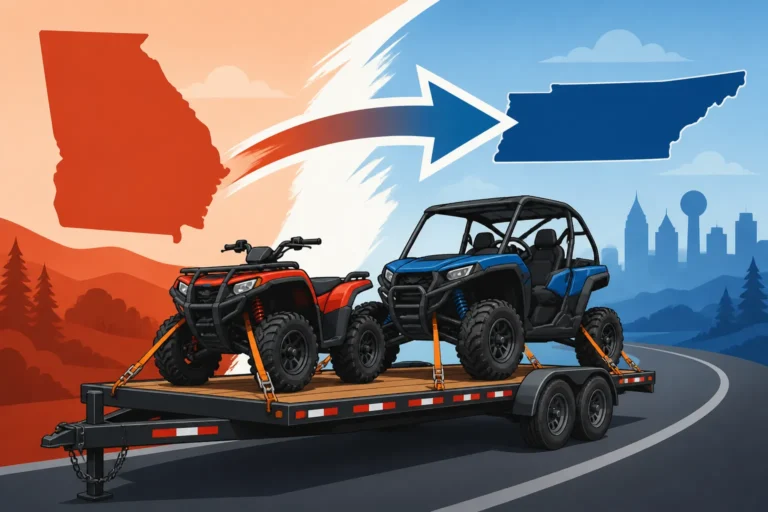
The rule about the sticker becoming void isn't just for sales within Tennessee; it also applies when an OHV is brought into the state from elsewhere. If you've just moved to Tennessee or you're purchasing an OHV from a seller in a neighboring state like Kentucky, Georgia, or Alabama, the sticker (or whatever equivalent registration/title proof) from that previous state is irrelevant in Tennessee. When you bring that machine into Tennessee, you will need to apply for a new Tennessee title and, consequently, a new Tennessee TDR sticker. Tennessee doesn't honor other states' OHV registrations or title stickers in place of its own, so you'll go through the full titling process as if you were buying a used machine from a Tennessee resident. This is a common situation for many riders, and navigating [Buying an Out-of-State Machine for Tennessee] successfully means understanding this requirement.
Unique Situations: Inheritance, Gifts, or Liens
Life throws curveballs, and sometimes an OHV changes hands under circumstances other than a straightforward sale. These unique situations also trigger the "sticker void" rule.
- Inheritance: If you inherit an OHV after a loved one passes away, you will need to go through the process of titling it in your name. Even if the machine had a valid TDR sticker for the deceased, that sticker becomes void. The estate's executor or administrator will need to provide you with the necessary documentation, and you'll then proceed to the county clerk to obtain a new title and sticker. Understanding [Titling an Inherited Machine in Tennessee] is crucial here.
- Gifts: Giving an OHV as a gift is a generous gesture, but it's not exempt from the titling requirements. The person receiving the gifted OHV will still need to title it in their name and obtain a new TDR sticker. While you won't pay sales tax on a true gift, all other title and clerk fees will apply. A bill of sale noting the gift can be helpful here.
- Liens: When an OHV has a lien against it (meaning it was financed), the TDR sticker is still associated with the owner, but the lienholder also has an interest recorded on the title. If the OHV is sold before the lien is released, the lien must be satisfied, and the lienholder must sign off on the title. The buyer then titles the machine, and a new sticker is issued. If a new lien is placed on the machine (e.g., the buyer finances it), that lien will be recorded on the new title. The complexities of [Titling a Machine With a Lien in Tennessee] mean you’ll need to pay close attention to all the details involved in the process. In all these cases, the principle remains: new ownership, new title, new sticker.
Practical Advice for Navigating OHV Sales in Tennessee
Navigating an OHV sale in Tennessee can be smooth sailing or a rocky ride, depending on how prepared both the buyer and seller are. Taking a few proactive steps can save a lot of time, money, and frustration.
Due Diligence for Buyers: Checking the VIN and Title
As a buyer, your best defense against potential issues is thorough due diligence. Before you hand over any cash, always, always inspect the OHV's Vehicle Identification Number (VIN) yourself. Compare the VIN on the machine to the VIN listed on the title provided by the seller. They must match exactly. If there's any discrepancy, walk away. A mismatch is a huge red flag indicating potential fraud or a stolen machine. Beyond just matching the VIN, carefully examine the title itself. Look for any signs of alteration, white-out, or suspicious handwriting. Ensure the seller's name on the title matches their identification. If you're feeling particularly cautious, you can often contact your local county clerk's office (though they might not share specific details about another person's title) or even a local law enforcement agency to inquire if the VIN is reported stolen. These checks are fundamental to [Checking a VIN Before a Tennessee Purchase] and can prevent you from buying a machine with a problematic past.
Crafting a Comprehensive Bill of Sale
A simple handwritten receipt might suffice in some casual transactions, but for an OHV sale in Tennessee, a comprehensive bill of sale is highly recommended. This document should include:
- The full legal names and addresses of both the buyer and seller.
- The date of the sale.
- A clear description of the OHV, including make, model, year, and the all-important VIN.
- The agreed-upon sale price.
- A statement that the OHV is being sold "as-is," if that is the agreement, clearly outlining that there are no warranties.
- Signatures of both the buyer and seller, and ideally, a witness or notarization (though notarization isn't always strictly required, it adds an extra layer of legal weight).
Having a detailed bill of sale protects both parties. For the seller, it provides proof of the date of sale and the transfer of ownership. For the buyer, it establishes the purchase price for sales tax purposes and provides a clear record of the transaction. Tools and templates, like those found on LawDepot, can be incredibly useful for generating a professional and legally sound bill of sale, ensuring you don't miss any critical details. This makes sure you have a solid [Tennessee OHV Bill of Sale Requirements] in place.
Negotiating the Sticker Cost in the Sale Price
Since the buyer is responsible for obtaining a new title and TDR sticker, and associated fees and sales tax, it's wise to factor these costs into your negotiation. As a buyer, remember that you'll have to pay the state title fee, the county clerk's fee, and sales tax on the purchase price. These aren't insignificant amounts, especially the sales tax. As a seller, be prepared for buyers to bring this up. You might consider adjusting your asking price slightly to account for these mandatory expenses that the buyer will incur. It's a common practice to acknowledge these costs in the negotiation, making the overall deal more transparent and fair for everyone. Being open about these additional expenses upfront, rather than having them be a surprise after the fact, can lead to a much smoother and more agreeable sale. Remember, the sticker cost is a mandatory expense, so it's a legitimate point of discussion. For example, when you draft your bill of sale using a platform like LawDepot, you can clearly delineate the agreed-upon price, knowing the buyer understands their additional titling costs.
Common Misconceptions and FAQs
Despite the clear rules, several myths and misunderstandings persist about Tennessee's TDR sticker and OHV sales. Let's tackle some of the most common questions and clear up any lingering confusion.
"Can I just peel off the old sticker and put it on the new owner's machine?"
Absolutely not. This is a definite and resounding no, and attempting this would be a serious mistake. The TDR sticker is specifically tied to the original titling event and the owner listed on that title. It's not a transferable item. Peeling it off and trying to reapply it, or simply giving the old sticker to the new owner, accomplishes nothing legally. The new owner still needs to go through the full titling process to get a title and a new sticker in their own name. Any attempt to skirt this process by transferring the physical sticker could lead to fines, legal issues, and ultimately, the new owner being unable to prove legitimate ownership of the machine. The state needs to know who the legal owner is, and a fraudulently transferred sticker will not satisfy that requirement.
"What if the seller tells me the sticker is still good?"
If a seller tells you that the TDR sticker on the OHV they're selling is "still good" or "valid until next year," proceed with extreme caution and skepticism. As established, Tennessee law dictates that the sticker becomes void the moment the OHV is sold. A seller making this claim is either misinformed, trying to deceive you, or simply doesn't understand the state's regulations. It's your responsibility as the buyer to understand these rules. Do not rely on a seller's incorrect assurances. Always plan on getting a new title and sticker in your name immediately after the purchase. If a seller is insistent on this point, it might be a red flag about other aspects of the transaction. Protect yourself by knowing the law, and plan your trip to the county clerk accordingly.
"Is there any grace period to get a new sticker?"
Unfortunately, Tennessee law does not explicitly provide a "grace period" for obtaining a new TDR sticker after purchasing an OHV. The expectation is that the titling process should be completed promptly. While common sense suggests that driving directly from the point of sale to the county clerk's office might be tolerated, prolonged use of an OHV without a valid sticker in the new owner's name is risky. The moment you are stopped by law enforcement or a park ranger on property where a titled OHV is required, you are technically in violation if the sticker isn't current and in your name. To avoid any potential fines, delays, or impoundment of your machine, the best practice is to complete the titling process as quickly as possible, ideally within a few days of purchase. Don't assume you have weeks to get around to it; treat it as an urgent priority.
Buyer and Seller Responsibilities for the Tennessee TDR Sticker
| Aspect | Seller's Responsibility | Buyer's Responsibility |
|---|---|---|
| TDR Sticker Validity | Acknowledge existing sticker becomes void upon sale. | Understand existing sticker is void; needs new one. |
| Documentation | Provide original, signed title and a bill of sale. | Obtain original title and bill of sale from seller. |
| Titling | Not required to do anything further after transfer. | Must visit county clerk to title OHV in own name. |
| New Sticker | Does not provide a new sticker to buyer. | Must apply for and obtain a new TDR sticker. |
| Fees & Tax | Not responsible for buyer's titling fees or sales tax. | Pay state title fee, county clerk fee, and sales tax. |
| Liability | Released from liability once title is properly transferred. | Assumes full legal responsibility for the OHV after purchase. |
Disclaimer
This article is for general informational purposes only and does not constitute professional advice. Laws, prices and regulations vary by location and change over time. Consult a qualified professional for guidance on your specific situation.